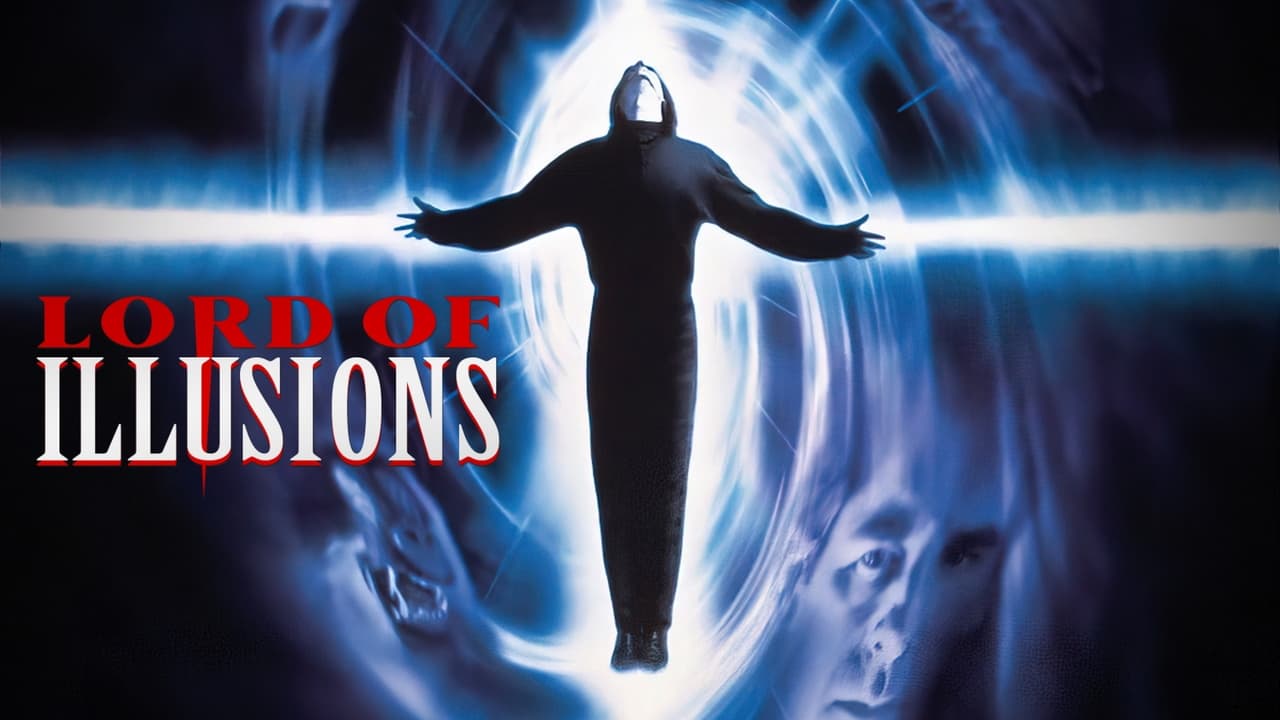
The desert heat shimmers, not with natural energy, but with something ancient and malevolent. That opening scene in the Mojave, the cult awaiting their messiah, Nix, sets a tone of sun-baked dread that clings like dust throughout Clive Barker’s 1995 neo-noir horror, Lord of Illusions. This wasn't the polished, darkly romantic horror some might have expected from the creator of Hellraiser (1987); this was grimy, cynical, and steeped in a very human kind of darkness, even amidst the impossible. It felt like a forgotten pulp paperback found stained and dog-eared in the back of a forgotten video store shelf, promising secrets best left undisturbed.
Where Magic Bleeds into Noir
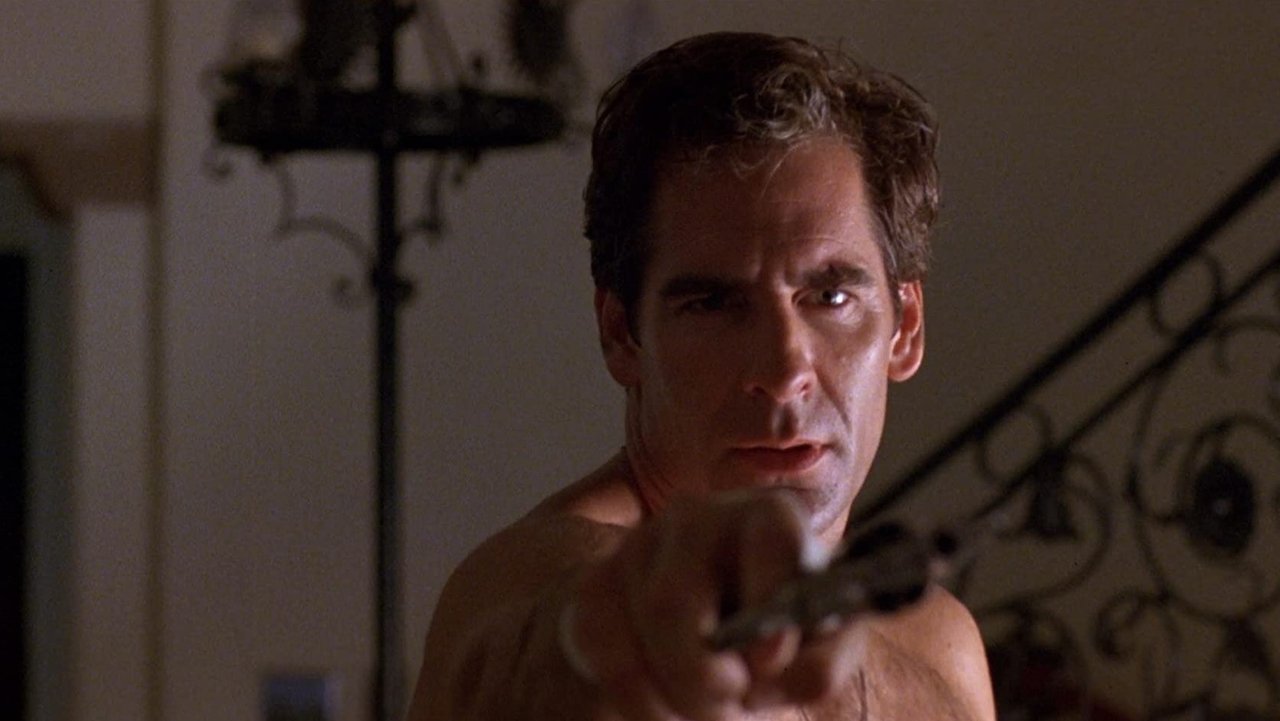
Barker, returning to the director's chair for the third and, sadly, final time, adapts his own short story "The Last Illusion," bringing his recurring occult detective, Harry D'Amour, to the screen. Played by Scott Bakula, fresh off leaping through time in Quantum Leap, D'Amour isn't your typical hardboiled P.I. He’s weary, haunted by a past encounter with the demonic, investigating a routine insurance fraud case in L.A. that spirals violently into the arcane underworld of stage magic. Bakula brings an earnest, almost bewildered quality to D'Amour; he's less Sam Spade, more an ordinary guy stumbling into extraordinary, terrifying circumstances. It's a casting choice that divided some, expecting perhaps a gruffer noir archetype, but it works in grounding the film's escalating weirdness. You believe this guy would be rattled by seeing reality peel back at the corners.
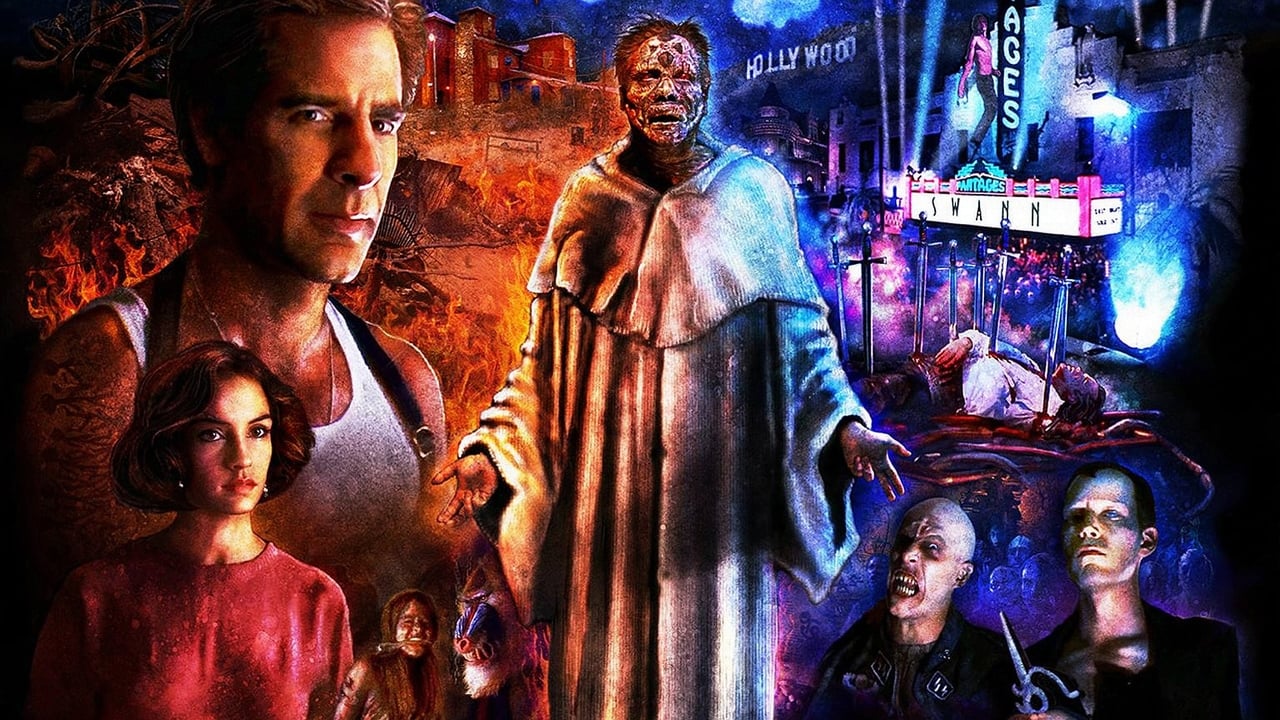
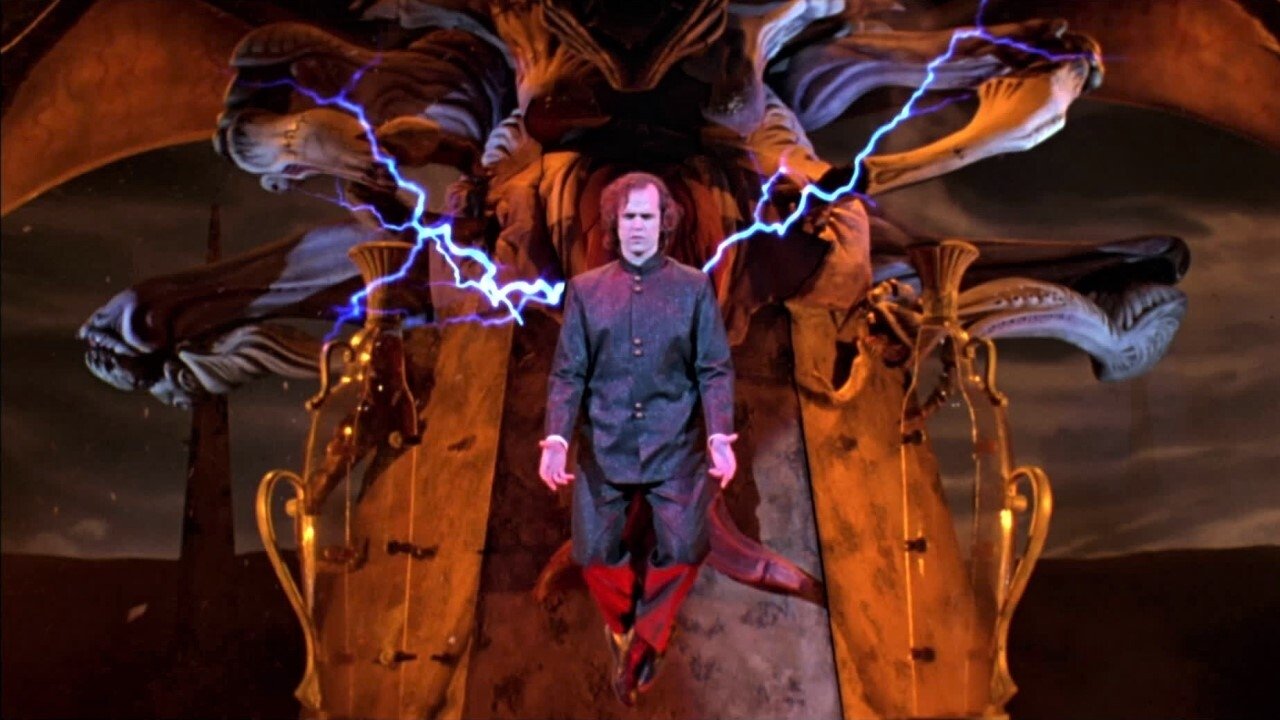
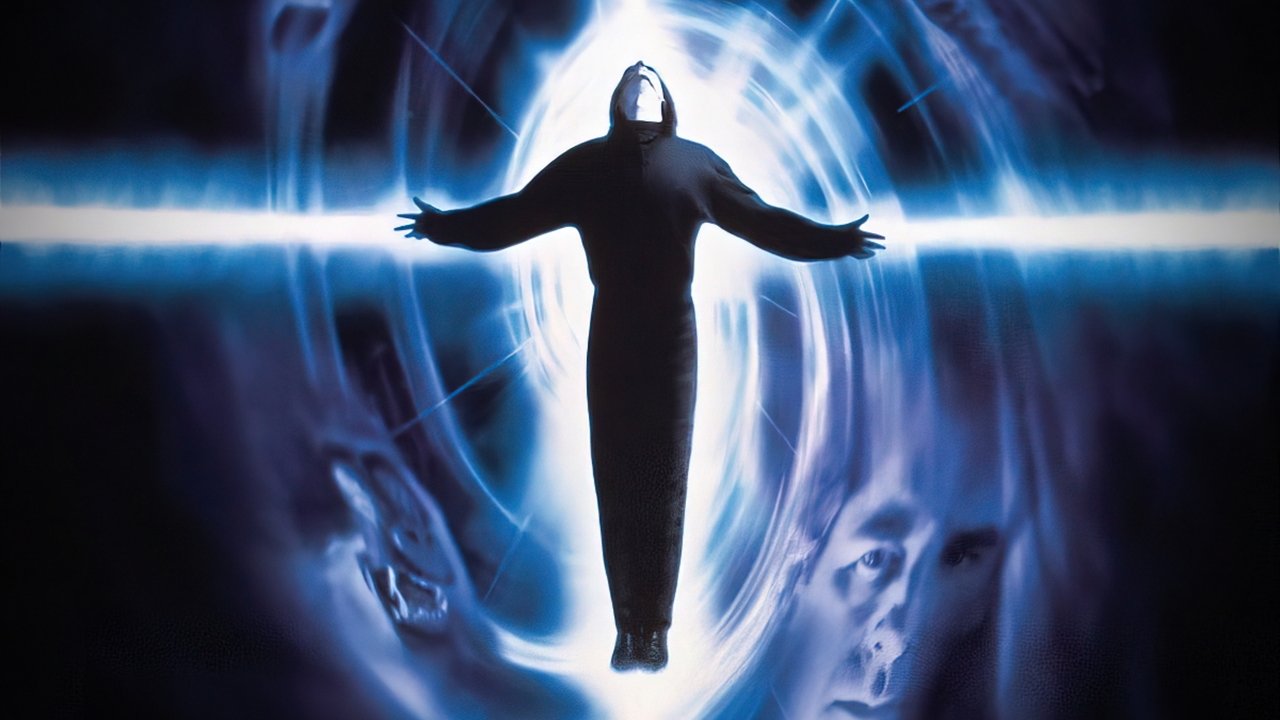
The plot plunges D'Amour into the orbit of Philip Swann (Kevin J. O'Connor), a world-famous illusionist whose "magic" might be more than mere sleight-of-hand, and his enigmatic wife, Dorothea (Famke Janssen, radiating cool mystery). Swann, it turns out, was part of the group that confronted the messianic cult leader Nix (Daniel von Bargen) years ago in that desert prologue. Nix wasn't just a charismatic lunatic; he wielded genuine, terrifying power, and his devoted followers believe he will return. When Swann dies during a spectacularly gruesome stage mishap – an illusion gone fatally wrong – D'Amour digs deeper, suspecting foul play linked to Nix's seemingly dormant cult.
Barker Unleashed (Mostly)
What makes Lord of Illusions stand out, especially revisiting it now, is its ambitious fusion of genres. It's a detective story wrapped in supernatural horror, with Barker's signature touches of body horror and explorations of forbidden knowledge woven throughout. The atmosphere is thick with paranoia and decay, moving from sun-bleached exteriors to dimly lit, occult-laden interiors. The film doesn't shy away from the grimier aspects – the loyalty of Nix’s followers feels disturbingly plausible, their fanaticism depicted with unnerving conviction.
The practical effects, while perhaps showing their age in places, still carry a visceral punch that CGI often lacks. Swann's demise involving multiple swords is wince-inducing, and Nix’s eventual resurrection and the subsequent displays of his power have a raw, unsettling quality. Remember that creature Butterfield transforms into near the climax? Pure, unadulterated Barker nightmare fuel, realized with latex and ingenuity. It’s fascinating to learn that Barker fought tooth-and-nail with the studio and the MPAA over the film's content. The theatrical cut, the one most of us likely rented back in the day, felt somewhat compromised, losing some narrative coherence and character depth. Barker later released a Director's Cut on LaserDisc and subsequent home media formats, restoring roughly 12 minutes that significantly enrich the plot and atmosphere, making it the definitive version for fans. It's a classic tale of artistic vision versus commercial pressures, a battle Barker seemed destined to fight throughout his directorial career, particularly after the studio interference on Nightbreed (1990).
A Cult Following for a Film About Cults
Kevin J. O'Connor absolutely steals scenes as Swann – flamboyant, tortured, and genuinely compelling. His performance hints at depths of fear and regret beneath the showman's facade. Famke Janssen, in one of her earlier prominent roles before hitting superstardom with GoldenEye (1995) later the same year, provides the necessary allure and ambiguity as Dorothea. The dynamic between these characters and D'Amour forms the film's conflicted heart.
Trivia tidbit: Barker envisioned Harry D'Amour as a recurring cinematic character, a blue-collar investigator navigating the hidden horrors of the world. While Lord of Illusions didn't ignite a franchise – its $12 million budget barely recouped at the box office, grossing just over $13 million worldwide – D'Amour continued his adventures in Barker's prose. Watching the film now, you can see the potential for that gritty, supernatural detective series that never was. Doesn't that potential still feel tantalizing?
The film's exploration of belief, illusion, and the terrifying power of fanaticism feels perhaps even more relevant today. Nix isn't just a monster; he's a figurehead exploiting the desperate need for meaning, promising power and enlightenment while delivering only destruction. It’s a dark mirror held up to the seductive nature of cults and demagoguery.
Final Verdict
Lord of Illusions is a fascinating, flawed gem from the mid-90s horror landscape. It lacks the iconic status of Hellraiser but possesses a unique, gritty atmosphere and thematic ambition all its own. It’s Barker unfiltered in concept, even if slightly diluted in its initial execution by external pressures. The blend of noir investigation and visceral horror creates a distinct flavour, bolstered by strong practical effects and a standout performance from Kevin J. O'Connor. While Scott Bakula might not be everyone's ideal hardboiled occult detective, his everyman quality provides a necessary anchor amidst the escalating supernatural chaos. The Director's Cut elevates the film considerably, restoring Barker's intended pacing and depth. It’s a movie that rewards revisiting, its dark corners yielding more unsettling details with each viewing.
Rating: 7/10
Justification: The score reflects the film's strong atmosphere, compelling premise, Barker's unique vision, standout practical effects, and O'Connor's performance. Points are deducted for the slightly uneven pacing (especially in the theatrical cut), Bakula's performance potentially not aligning with traditional noir expectations for some viewers, and the feeling that studio interference hampered its full potential upon initial release. The Director's Cut likely pushes it closer to an 8 for dedicated fans.
Lasting Impression: It remains a potent reminder of Clive Barker's singular talent for merging the grotesque with the profound, leaving you with the unsettling feeling that the greatest illusions aren't performed on stage, but in the desperate chambers of the human heart. A truly underrated 90s horror noir worth digging up.