Alright, dim the lights, maybe grab a lukewarm soda that’s been sitting out too long, and let’s talk about a tape that probably got more rewinds than most in your collection. Remember popping this one in, maybe not quite knowing what you were getting into? I’m talking about Rob Reiner's directorial debut, the film that didn’t just satirize rock and roll, it practically invented a whole new way to laugh with it (and sometimes at it): the legendary This Is Spinal Tap (1984). This wasn't just a movie; for many, it was a hilarious, slightly baffling experience that felt astonishingly real.
### Rockumentary or Reality?
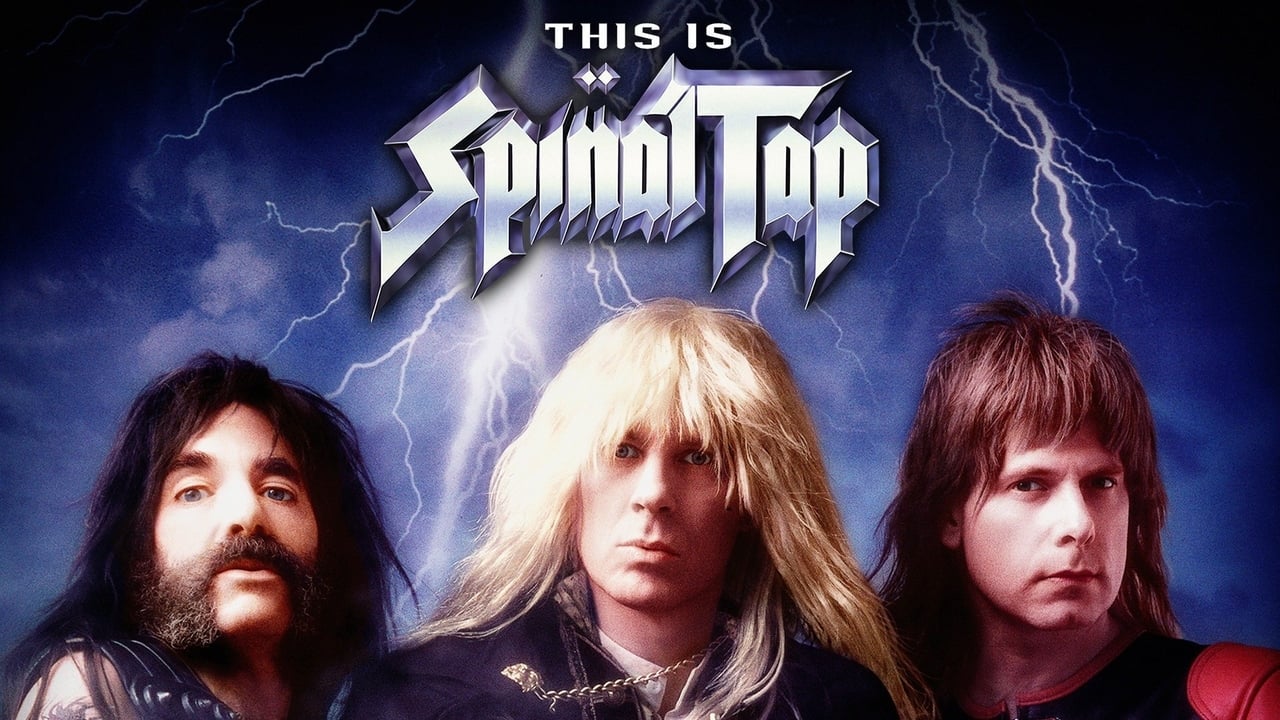
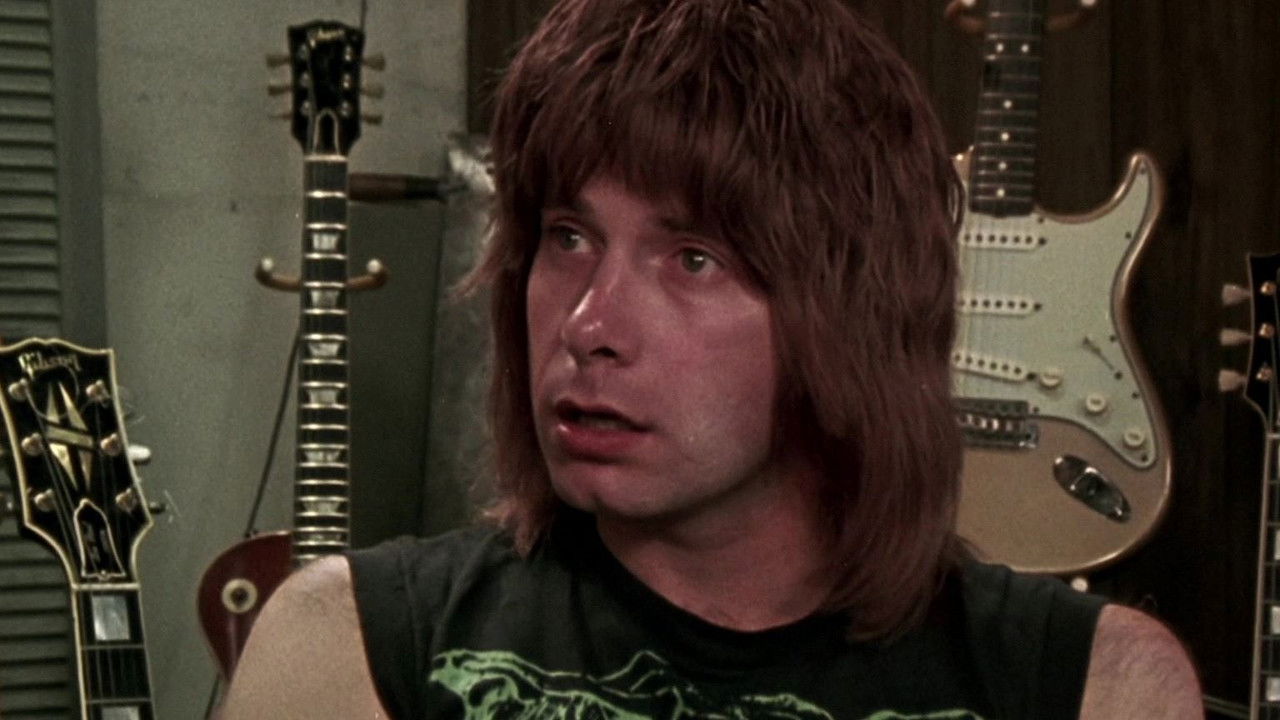
The genius of This Is Spinal Tap lies in its deadpan delivery. Presented as a serious documentary by filmmaker Marty DiBergi (played with perfect earnest cluelessness by Reiner himself), the film follows Britain's loudest band, Spinal Tap, on their ill-fated 1982 American tour. We meet the core trio: the thoughtful but dim lead guitarist Nigel Tufnel (Christopher Guest), the pretentious frontman David St. Hubbins (Michael McKean), and the perpetually bewildered bassist Derek Smalls (Harry Shearer). The film's commitment to the documentary format was so complete that, upon release, more than a few viewers genuinely thought Spinal Tap was a real, tragically inept band. Can you imagine finding this gem nestled between actual music docs at Blockbuster and experiencing that slow dawn of realization? Pure gold.
It’s a testament to the performers and the concept, largely driven by Reiner and the three main actors who also co-wrote the script – though "script" might be generous. Much of the dialogue was brilliantly improvised around a detailed outline, capturing the spontaneous absurdity and mumbled profundities of musician interviews. This improvisation is key; it gives the film an authenticity that scripted comedies often lack. The awkward pauses, the misguided philosophies, the backstage bickering – it all feels startlingly familiar to anyone who’s seen a few Behind the Music episodes. Guest, McKean, and Shearer, veterans of sketch comedy and radio (like The Credibility Gap), brought years of collaborative chemistry to these roles, making the band's long, complicated history feel utterly convincing.
### Turning It Up To Eleven
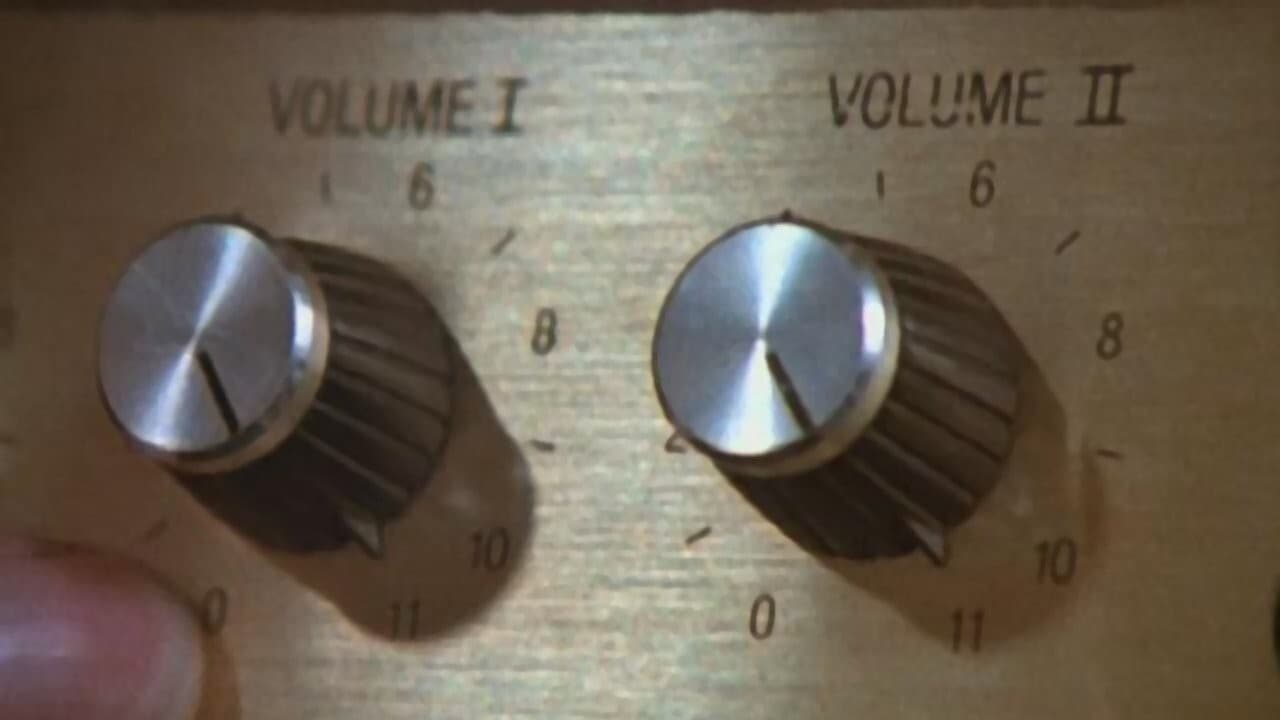
You can’t talk Spinal Tap without talking about the moments that have become legendary. Nigel proudly showing Marty his custom Marshall amplifier, explaining, "These go to eleven." The disastrous Stonehenge stage prop – intended to be monumental, arriving comically miniature. The revolving door of drummers meeting bizarre, untimely ends (spontaneous combustion, bizarre gardening accidents...). Each gag is built not just on absurdity, but on a recognizable kernel of rock 'n' roll excess and Spinal Tap's tragic lack of self-awareness.
A fun bit of retro trivia: the infamous Stonehenge sequence had its own share of production headaches. Apparently, the prop department built several versions, struggling to get the scale just right for maximum comedic effect, echoing the band's own incompetence within the film itself. The entire movie was made on a shoestring budget of around $2.25 million, forcing a level of gritty realism that ironically enhanced the documentary feel. It wasn't a box office smash initially (grossing only about $4.7 million), but oh boy, did it find its audience on VHS and cable. It became a cult phenomenon, the kind of tape you’d pass between friends with a knowing grin.
### More Than Just Jokes
While hilariously funny, Spinal Tap also works because it has a genuine affection for the music and the lifestyle it satirizes. The songs – co-written and performed by Guest, McKean, and Shearer – are pitch-perfect parodies of different rock eras, from the skiffle beginnings ("Gimme Some Money") to the heavy metal pomp ("Big Bottom," "Hell Hole") and the cringeworthy attempts at relevance ("Sex Farm"). They're catchy, dumb, and brilliantly observed. And let's not forget the supporting players, like the perpetually harassed manager Ian Faith (Tony Hendra) or David's astrology-obsessed girlfriend Jeanine Pettibone (June Chadwick), who add layers to the band's dysfunction.
Reiner, fresh off acting roles in shows like All in the Family, proved himself an incredibly astute director right out of the gate. His unobtrusive camera style lets the performances shine, capturing fly-on-the-wall moments that feel both intimate and excruciatingly funny. He understood that the comedy worked best when played completely straight, allowing the inherent ridiculousness of the situations and the characters' earnest belief in their own importance to generate the laughs. This film arguably paved the way for a whole generation of mockumentary comedies, from Christopher Guest’s later work like Waiting for Guffman (1996) and Best in Show (2000) to shows like The Office.
### The Verdict
This Is Spinal Tap isn't just a comedy; it's a benchmark. It’s a film that gets funnier with repeat viewings as you catch subtle jokes and nuances you missed before. It perfectly captured the excesses and absurdities of the rock world with a sharpness that remains undulled. The performances are iconic, the writing (or improvising) is legendary, and its influence is undeniable. Finding this on a dusty shelf felt like uncovering a secret handshake amongst film and music lovers.

Rating: 10/10
Justification: It's a flawless execution of its concept. Groundbreaking in its mockumentary style, endlessly quotable, brilliantly performed and improvised, with genuinely funny and well-crafted satirical songs. Its influence on comedy is immense, and it remains just as sharp and hilarious today. It truly goes to eleven.
Final Word: Decades later, the volume knob on This Is Spinal Tap's genius remains firmly cranked past ten – a true high-fidelity masterpiece of satire from the analogue age. Rock on.