It wasn't just a movie release; it felt like the culmination of a generation's worth of waiting. Sixteen years. That’s how long the faithful had waited since Return of the Jedi concluded its operatic space fantasy. When the whispers turned to reality, and George Lucas himself confirmed he was returning to that galaxy far, far away with 1999’s Star Wars: Episode I - The Phantom Menace, the anticipation wasn't just palpable; it was a cultural event horizon, sucking in everything around it. News reports tracked ticket lines, merchandise flew off shelves before the film even opened, and the collective breath held by millions felt like it could have shifted the planet's orbit. This wasn't just another summer blockbuster; it was the return of a modern myth.
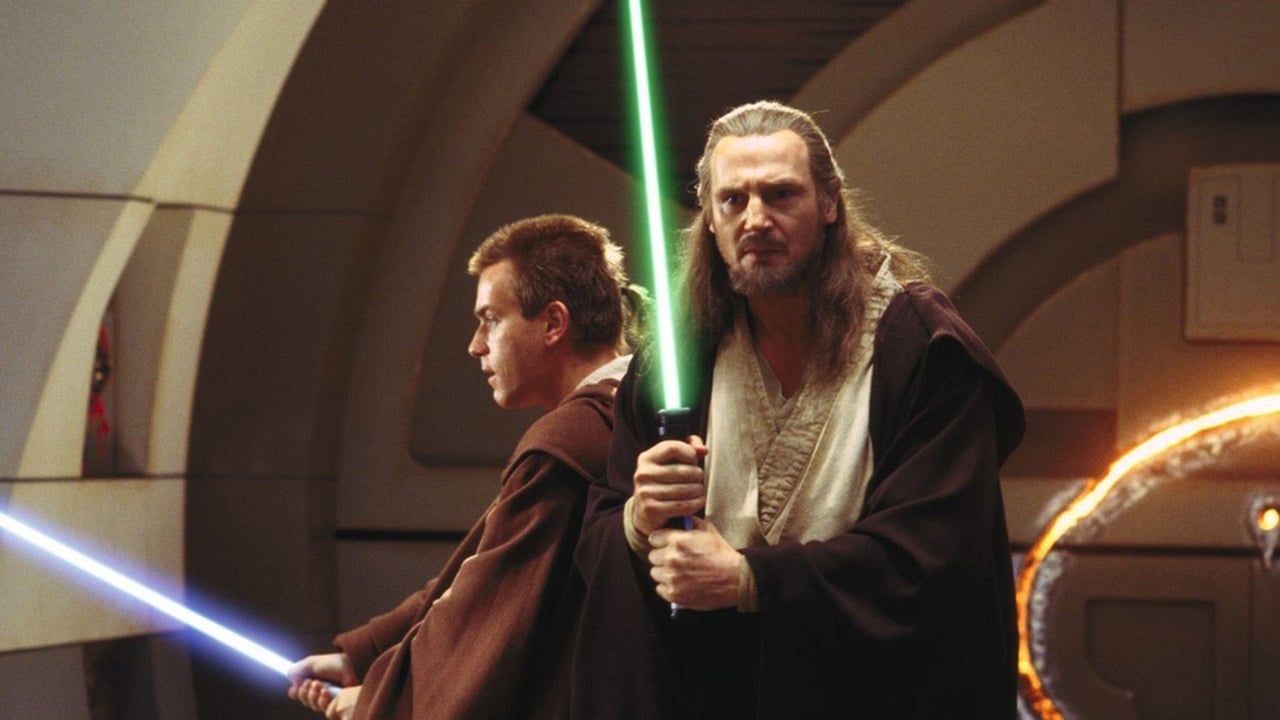
A Galaxy Reimagined, Digitally
And visually? The Phantom Menace was, for its time, absolutely staggering. Lucas, ever the technical pioneer, pushed the boundaries of digital filmmaking further than almost anyone had dared. Watching it unfold back then, particularly on a decent screen, felt like witnessing the future of cinema materialize. The sprawling cityscapes of Coruscant, the underwater realms of Naboo, the sheer scale of the droid armies – it was unlike anything mainstream audiences had seen before. The podrace sequence remains a kinetic marvel, a breathtaking blend of practical sound design and dizzying digital velocity that genuinely captured the raw thrill promised. It was loud, chaotic, and utterly exhilarating – a true standout that felt ripped from the id of Star Wars.
Retro Fun Fact: While lauded for its groundbreaking CGI, The Phantom Menace actually employed more miniature models than the entire original trilogy combined! The Industrial Light & Magic team, led by veterans like Dennis Muren, knew the value of tangible detail. Many environments, ships, and even parts of the podrace arena were meticulously crafted physical models, seamlessly blended with the digital elements. It’s a testament to their artistry that distinguishing between the practical and the digital is often tricky even today.
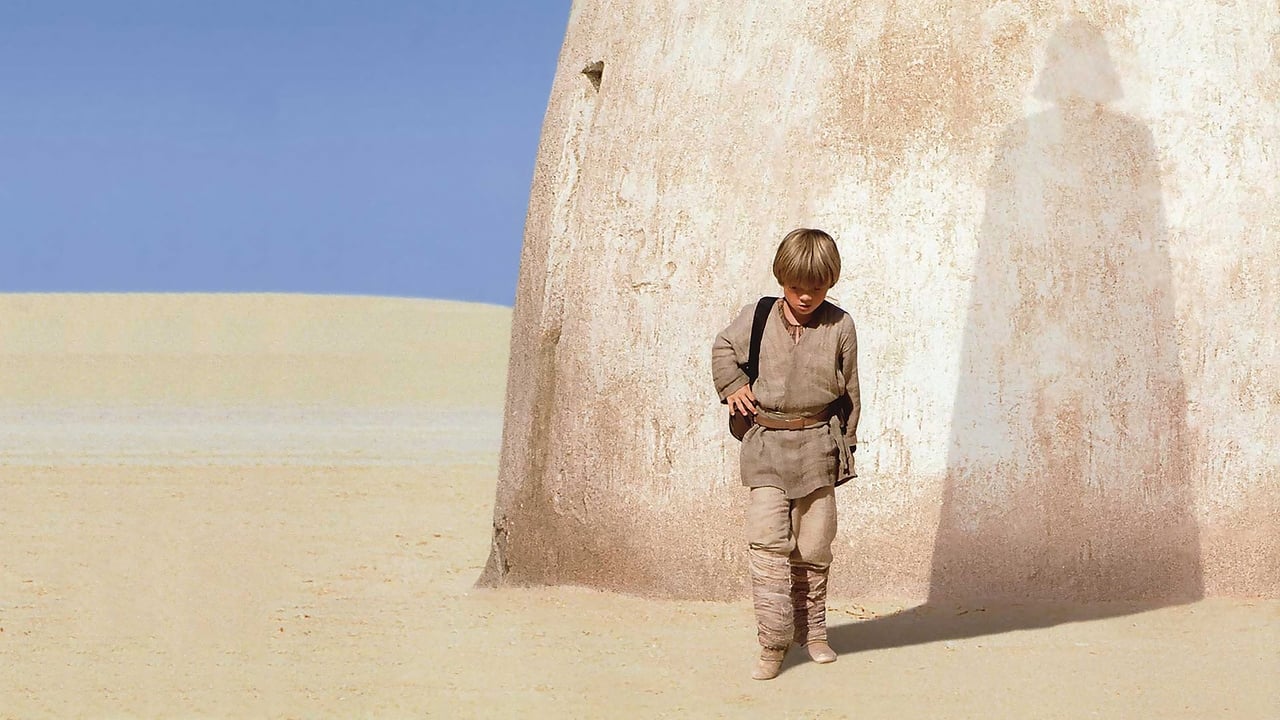
Noble Jedi and Nascent Queens
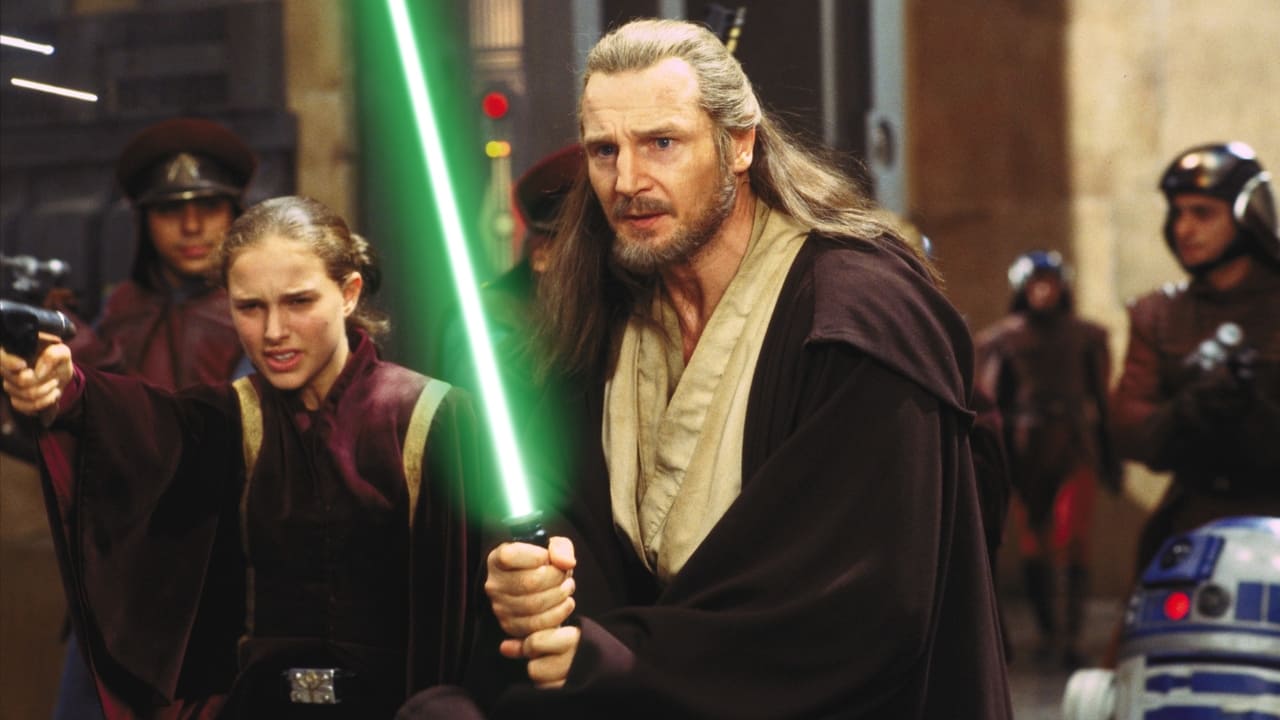
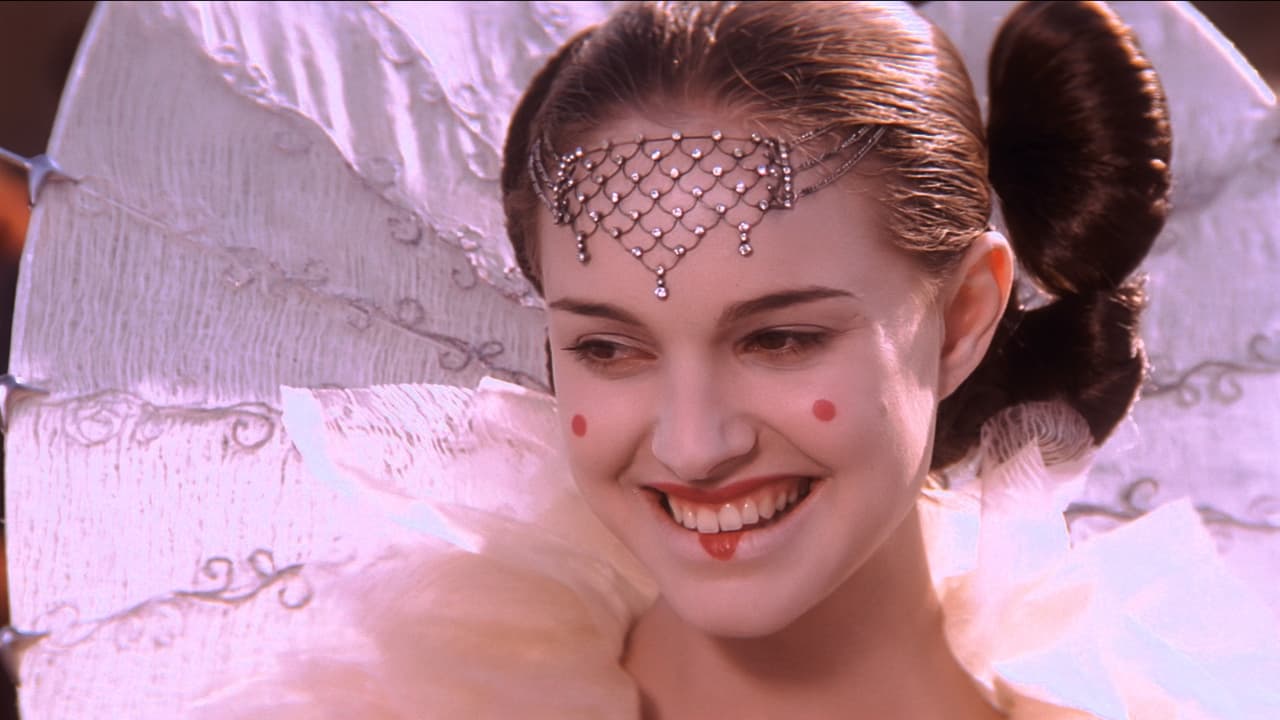
Anchoring the spectacle are characters both new and familiar (in their younger forms). Liam Neeson brings a quiet gravitas and seasoned wisdom to Qui-Gon Jinn, a Jedi Master operating with a slightly more maverick philosophy than we'd seen before. His presence grounds the film, offering a necessary counterpoint to the surrounding digital wizardry. Opposite him, a young Ewan McGregor faced the daunting task of stepping into Alec Guinness's robes as Obi-Wan Kenobi. He nails the accent and hints at the wry humour and burgeoning skill of the character, laying strong groundwork for his future portrayal. And Natalie Portman, as the young Queen Amidala, navigates the dual role of monarch and decoy with poise, even when saddled with some of the film's more ornate dialogue.
However, the film wasn't without its hurdles, even beyond the performances. The plot, centered around trade disputes and senatorial procedure, often felt less like a swashbuckling space adventure and more like C-SPAN in hyperspace. While Lucas clearly aimed for a more complex political backdrop to the fall of the Republic, the execution sometimes bogged down the pacing, leaving audiences restless between the admittedly impressive action sequences.
The Gungan in the Room
And then there's Jar Jar Binks. Oh, Jar Jar. Intended as comic relief, the digitally created Gungan, voiced and motion-captured by Ahmed Best, became one of the most divisive elements, not just of the film, but arguably of the entire saga. While the technology behind him was pioneering (Best endured immense physical discomfort performing on set in a partial suit with a headpiece), the character's childlike speech patterns and slapstick antics grated on many older fans, feeling tonally jarring against the more serious elements. It's a fascinating case study in how audience reception can dramatically differ from creator intent.
Retro Fun Fact: The budget for The Phantom Menace was a hefty $115 million (around $215 million in today's money). Despite the mixed critical reception upon release (currently sitting at 51% on Rotten Tomatoes, though audience scores are often higher), the sheer event status propelled it to become a box office behemoth, grossing over $924 million worldwide initially, eventually crossing the $1 billion mark with re-releases. It proved that the Star Wars name still held immense power.
That Electrifying Duel
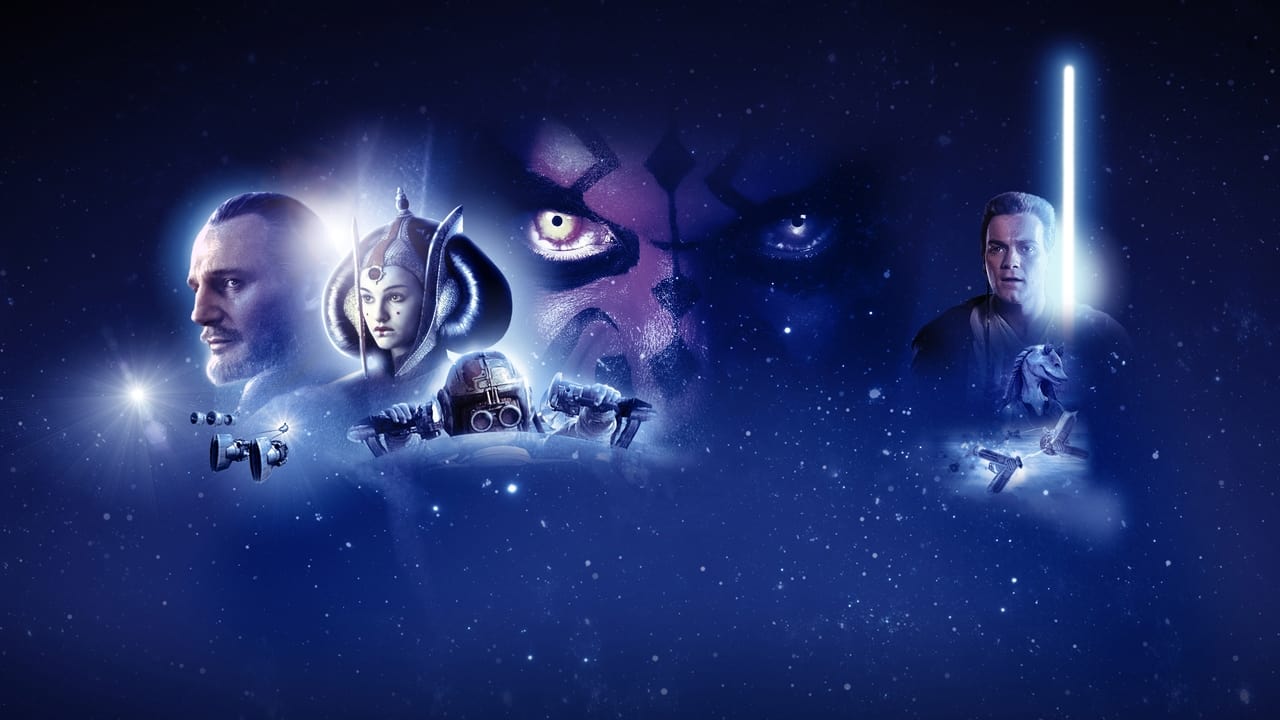
Yet, amidst the trade talks and Gungan goofiness, The Phantom Menace delivers arguably one of the saga's greatest lightsaber duels. The "Duel of the Fates," pitting Qui-Gon and Obi-Wan against the menacing Darth Maul (Ray Park providing the incredible physicality, Peter Serafinowicz the voice), is pure cinematic adrenaline. John Williams' instantly iconic score elevates the acrobatic choreography to near-mythic levels. The Sith Lord, with his terrifying design and double-bladed lightsaber, was an instantly compelling villain, even with minimal dialogue. This sequence crackles with an energy and raw intensity that reminds you just why Star Wars captured imaginations in the first place.
Retro Fun Fact: George Lucas initially envisioned Darth Maul having feathers as part of his design, inspired by certain tribal aesthetics. However, concept artist Iain McCaig developed the striking red-and-black tattooed look, drawing inspiration from images of circuitry, Rorschach tests, and even his own nightmare-fueled visions. The result was one of the most visually arresting characters in the saga.
Navigating the Force of Expectation
The Phantom Menace is a curious piece of cinematic history. It was a technological benchmark, a film burdened by impossible expectations, and a story that perhaps tried to juggle too many disparate tones. It expanded the Star Wars universe in ambitious ways, introducing new worlds, creatures, and political complexities, but sometimes stumbled in its storytelling fundamentals. Revisiting it now, separated from the blinding hype of 1999, allows for a more balanced appreciation. You can admire the artistry, the ambition, and the sheer spectacle, while also acknowledging the narrative bumps and controversial character choices. It’s a film that sparks endless debate, which, in itself, speaks to its enduring place in the pop culture consciousness.
VHS Heaven Rating: 6/10
Justification: The Phantom Menace earns a 6 for its undeniable technical achievements, groundbreaking visual effects (for 1999), Liam Neeson's strong central performance, and the sheer visceral thrill of sequences like the podrace and the Duel of the Fates, powered by John Williams' score. However, it's held back by a convoluted plot focused on trade negotiations, uneven pacing, dialogue that often feels stilted, and the widely criticized character of Jar Jar Binks, which significantly impacts the tone for many viewers. It’s a film of incredible highs and perplexing lows, a visually spectacular but narratively flawed return to a beloved galaxy.
It wasn't the flawless second coming many had dreamed of, but The Phantom Menace undeniably changed the landscape of blockbuster filmmaking and reignited a passion that burns brightly (and divisively) to this day. Perhaps its greatest legacy is reminding us that even in galaxies far, far away, managing expectations is a Force to be reckoned with.