Okay, fellow tape-heads, settle into your comfy armchair, maybe pop some corn. Today, we’re rewinding back to the cusp of the new millennium, 1999, for a film that blended heartwarming family fare with what felt like digital wizardry back then: Stuart Little. And here’s a kicker to start us off: peel back the charming E.B. White adaptation layer, and you’ll find a script co-written by none other than M. Night Shyamalan. Yes, that M. Night Shyamalan, the very same year he gave us the chills with The Sixth Sense. Let that sink in for a moment.
### A Mouse in the House (Literally)
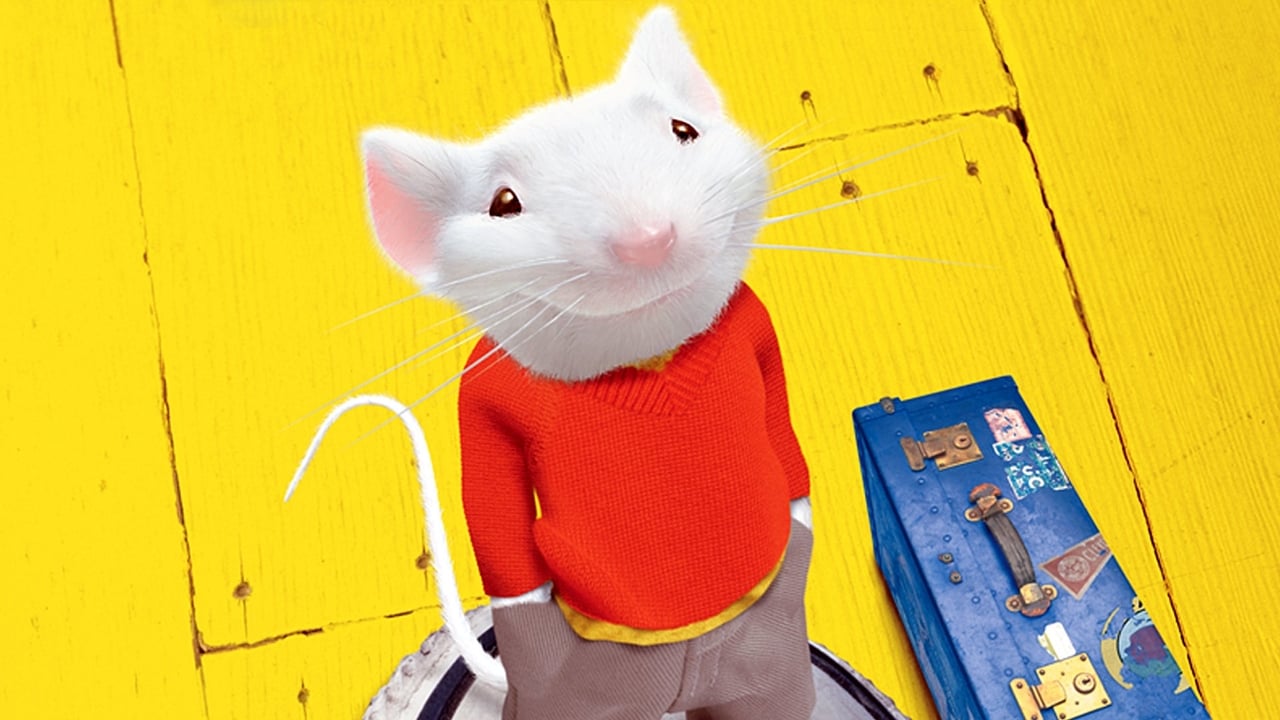
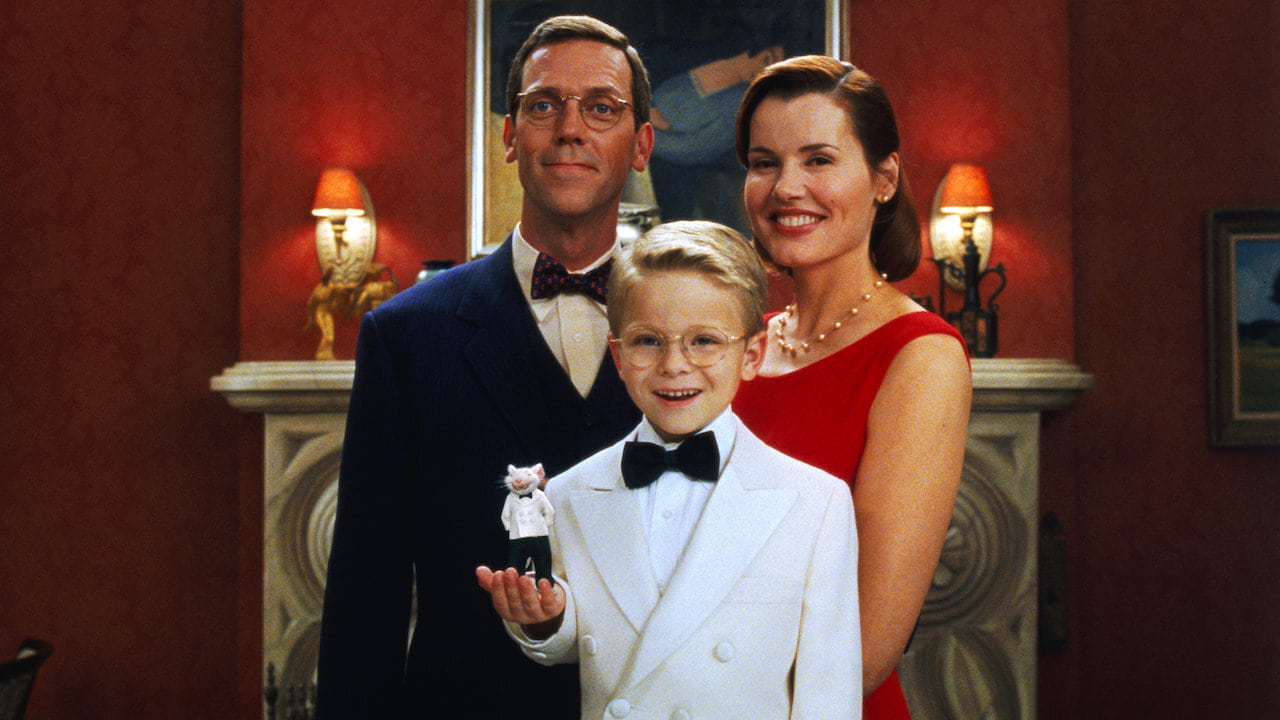
The premise itself is pure, distilled whimsy, the kind that maybe only truly worked in a pre-internet saturated world. The Little family, paragons of quirky Upper East Side kindness played pitch-perfectly by Geena Davis (always radiant, even post-Cutthroat Island) and a pre-House Hugh Laurie (mastering bewildered warmth), decide to adopt. Skipping the usual channels, they head to a decidedly old-fashioned orphanage and find themselves utterly charmed by... a mouse. Not just any mouse, mind you, but Stuart (voiced with earnest pluck by Michael J. Fox), a well-dressed, articulate, and surprisingly capable rodent seeking a family. Their human son, George (Jonathan Lipnicki, fresh off stealing scenes in Jerry Maguire), is initially less than thrilled, and the family cat, Snowbell (voiced with delicious cynicism by Nathan Lane), is positively apoplectic.
It’s a setup ripe for gentle comedy and life lessons, delivered with a storybook aesthetic that feels both timeless and distinctly late-90s. Director Rob Minkoff, who co-helmed Disney’s animation titan The Lion King (1994), brings a keen eye for visual storytelling and pacing, making the potentially bizarre feel surprisingly grounded, emotionally speaking. The film bathes New York City in a warm, inviting glow, creating a cozy world where a mouse driving a tiny convertible feels almost... plausible.
### That Groundbreaking Fur
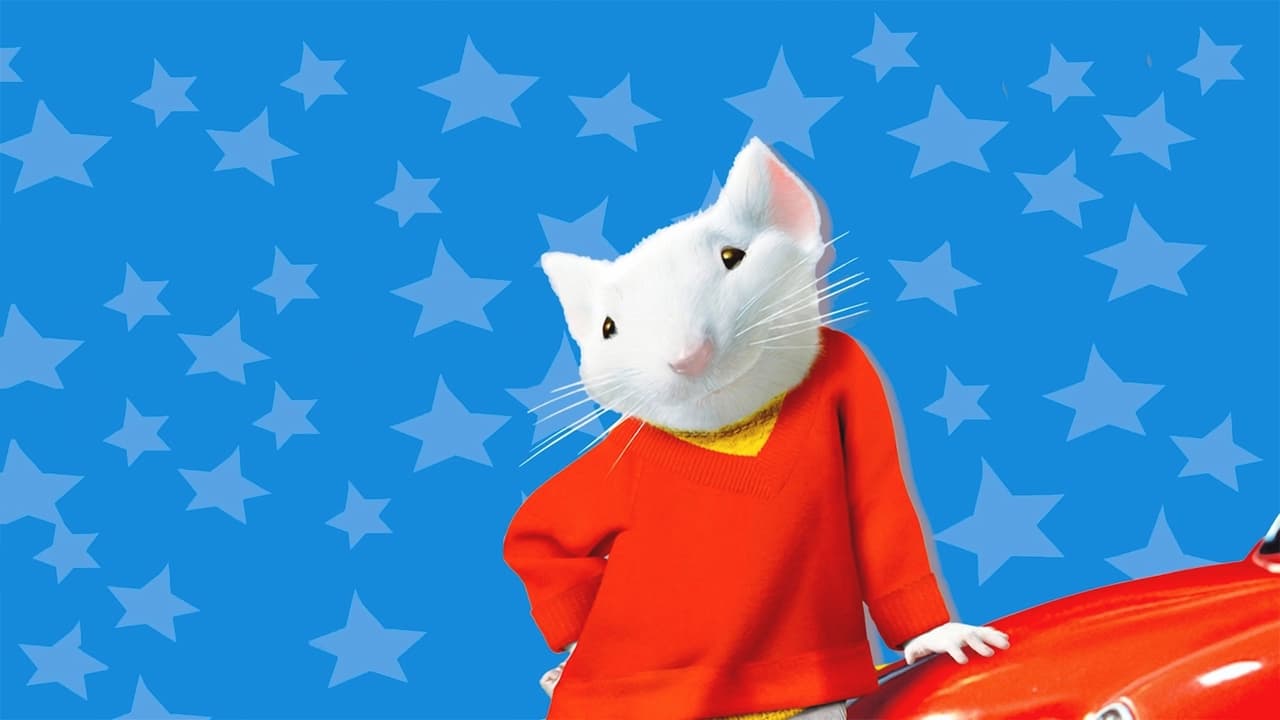
Let's talk about the elephant—or rather, the mouse—in the room: the CGI. Watching Stuart Little today is a fascinating time capsule of digital effects evolution. Back in '99, seamlessly integrating a fully computer-generated main character who interacted constantly with live actors and environments was a monumental undertaking. Sony Pictures Imageworks poured immense effort into Stuart, particularly his fur and clothing textures, striving for a realism that would sell the fantasy. And honestly? For its time, it was pretty darn impressive.
Remember watching this on VHS, maybe on a chunky CRT TV? Stuart looked like he was really there, scampering across floors, dodging Snowbell, interacting with the Littles. There are moments, of course, where the seams show by today's standards – a slightly glassy look in the eyes here, a floaty interaction there. But the overall effect was, and largely remains, charming. It was a far cry from the clunkier CGI creatures we’d seen just a few years prior. This film, alongside others like Toy Story 2 (also 1999), felt like a confident stride into a new era of visual effects, especially in family entertainment. A hefty $130 million budget certainly helped achieve that look, leading to a respectable $300 million worldwide gross.
### More Than Just Pixels: Heart and Humor
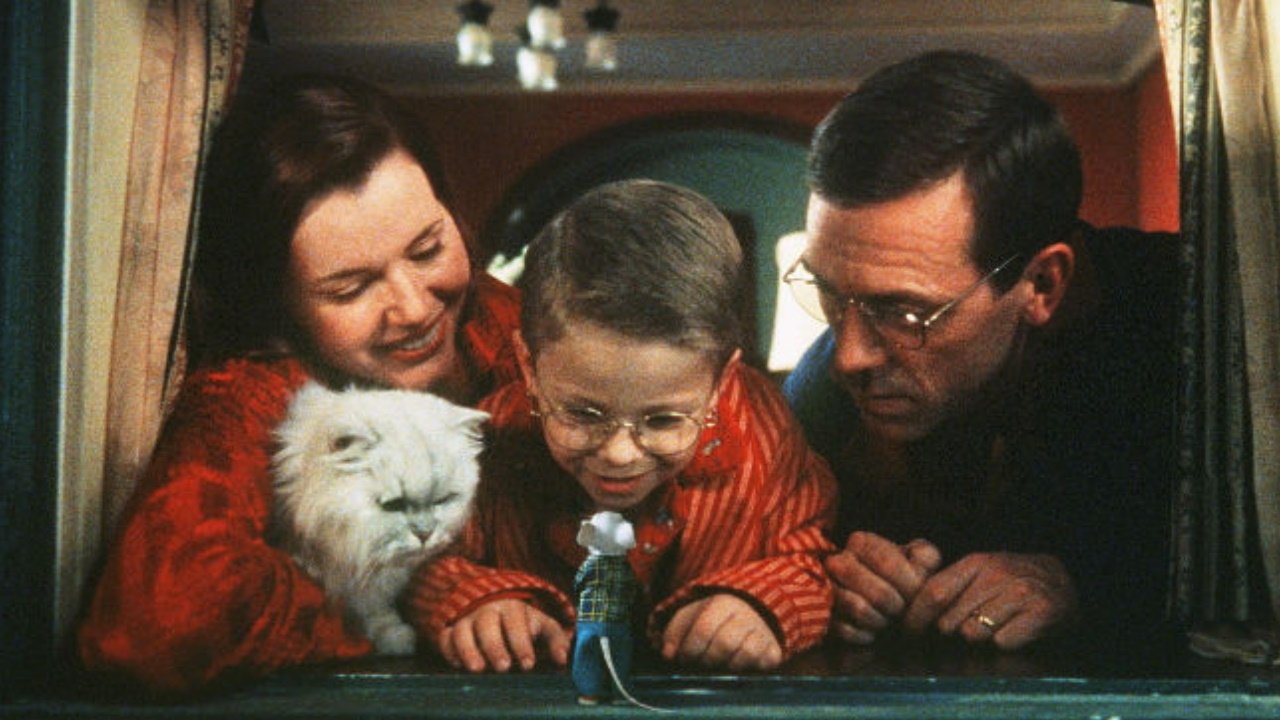
Beyond the technical achievements, what makes Stuart Little endure is its genuine heart. The performances are key. Davis and Laurie lean into the slight absurdity with unwavering sincerity, making the Littles perhaps the most understanding parents in cinematic history. Lipnicki nails the initial skepticism and eventual bonding with his new brother. But it's often Nathan Lane's Snowbell who steals the show, his sarcastic asides and schemes providing much of the film's comedic spark, perfectly counterpointing Stuart's optimism.
The Shyamalan co-writing credit (shared with Greg Brooker, based on E.B. White's beloved book) adds an intriguing layer. While the film is largely light and sweet, there are faint echoes of something slightly darker, particularly in the subplot involving shady alley cats and Stuart's search for his "real" parents. It never goes full Sixth Sense, obviously, but knowing Shyamalan had a hand in the script makes you wonder about the origins of those slightly more perilous moments. Reportedly, he was brought on board before his breakout success, based on the strength of his earlier family drama script, Wide Awake (1998). It’s a fascinating piece of "before they were famous" trivia.
### Retro Fun Facts
Digging through the production archives reveals some fun tidbits. Creating Stuart required meticulous planning. Miniature sets were built for certain shots, blending practical effects with the digital character work. The cat actors also required careful handling and clever editing to create the illusion of Snowbell interacting directly (and often menacingly) with Stuart. Apparently, achieving realistic water effects for the boat race scene was another significant technical hurdle overcome by the effects team. While E.B. White's original 1945 novel is a classic, the film takes considerable liberties, inventing the entire adoption storyline (in the book, Stuart is born to the Littles) and the central conflict with Snowbell and the alley cats.
### The Verdict on This VHS Staple
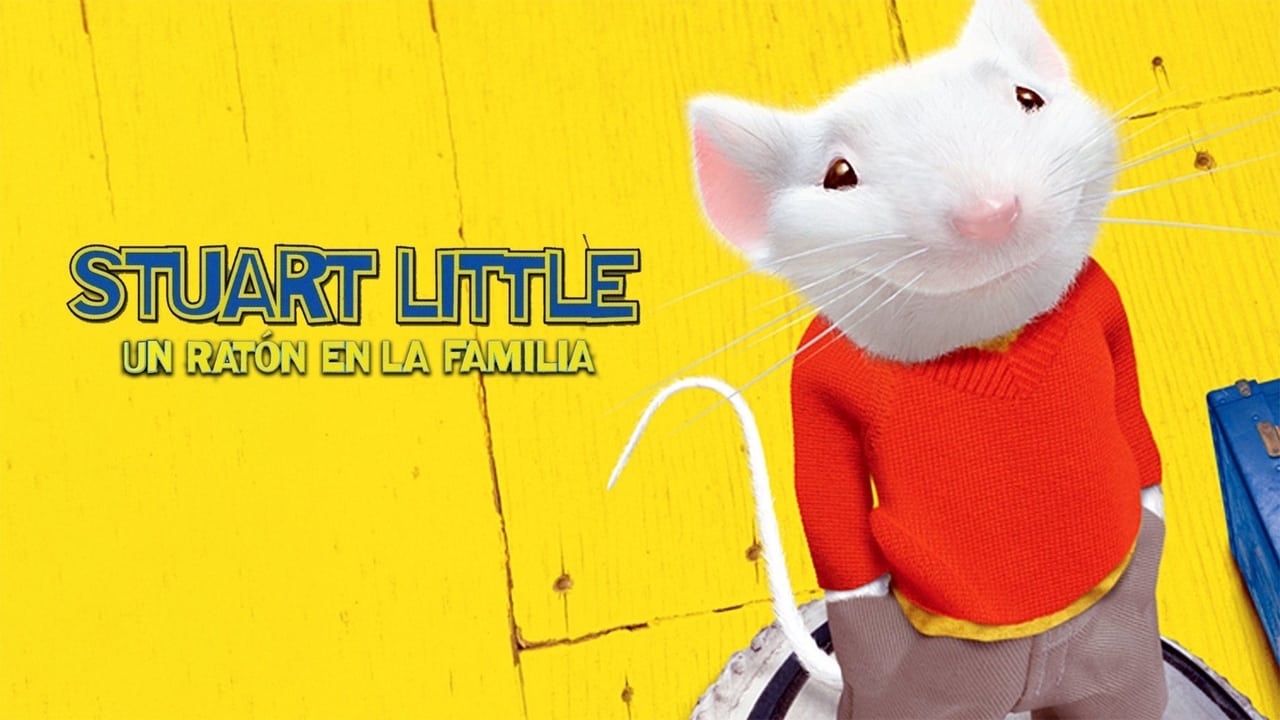
Stuart Little isn't high art, and viewed through a modern lens, the CGI might show its age. But it possesses an undeniable charm, a gentle spirit, and a technical ambition that was truly noteworthy for its time. It's a film that radiates warmth, anchored by winning performances and Minkoff's assured direction. It’s the kind of movie that became a fixture in family VCRs, a reliable go-to for a cozy afternoon watch. It spawned a couple of sequels – the well-regarded Stuart Little 2 (2002) and a direct-to-video animated feature – cementing its place in the early 2000s family film landscape.
Rating: 7/10
A genuinely sweet and technically ambitious family film that perfectly captures that late-90s blend of practical filmmaking and burgeoning digital magic, making it a truly endearing relic of the VHS era. Plus, knowing M. Night Shyamalan co-wrote it adds a wonderfully weird footnote.