Okay, settle in with a bowl of something crunchy, maybe dim the lights a bit. Remember that feeling, wandering the aisles of the video store, maybe on a Friday night? The promise of adventure flickering from dozens of worn plastic cases. Sometimes you grabbed a known blockbuster, other times… something else caught your eye. Something like The Little Vampire from 2000, a film that arrived just as the VHS era was starting to wane, but still carries that distinct charm of a movie destined for countless replays on a trusty VCR. It wasn't exactly horror, not quite straight comedy, but a gentle, slightly gothic fantasy that felt like wrapping up in a cozy, if slightly cobwebbed, blanket.
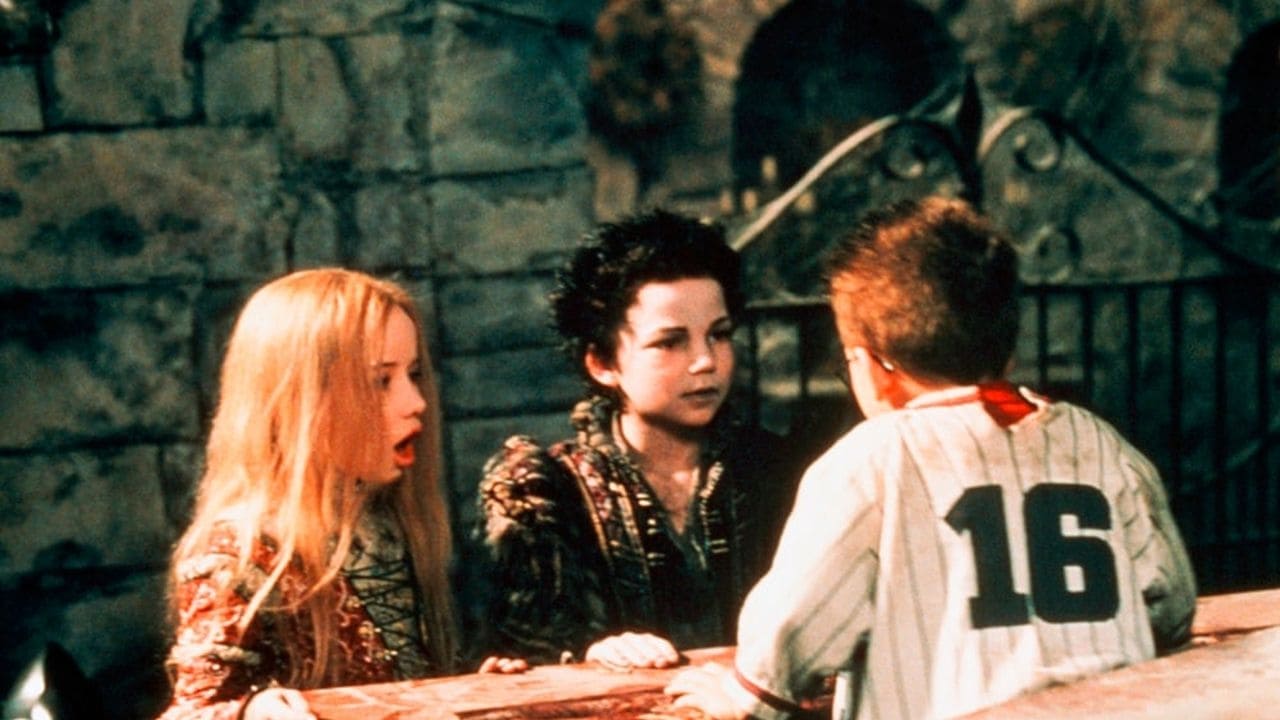
The premise itself has a timeless appeal: lonely kid moves to a new place, finds an unlikely friend. In this case, the kid is Tony Thompson, played with wide-eyed earnestness by Jonathan Lipnicki, who was absolutely everywhere in the late 90s and early 2000s thanks to Jerry Maguire (1996) and Stuart Little (1999). Tony’s just arrived in a remote corner of Scotland with his family, a place steeped in mist and ancient castles – the perfect setting for his vampire obsession to flourish. And flourish it does, when he quite literally bumps into Rudolph Sackville-Bagg (Rollo Weeks), a young vampire who, along with his family, is decidedly more misunderstood than monstrous.
A Different Breed of Bloodsucker
What makes The Little Vampire endearing is its particular flavour of vampire lore. Forget the terrifying Nosferatus or the suave Lestats; the Sackville-Baggs are endearingly eccentric, almost tragic figures. Led by the wonderfully theatrical Frederick (Richard E. Grant, bringing his unique flair seen in films from Withnail & I (1987) to later blockbusters) and the elegant Freda (Alice Krige, forever iconic to genre fans from Star Trek: First Contact (1996)), they aren't seeking world domination, just a way to become human again. They’re pursued by the relentless, gadget-wielding vampire hunter Rookery, played with grizzled determination by Jim Carter (yes, Carson from Downton Abbey!), who adds just the right amount of non-threatening menace for a family film.
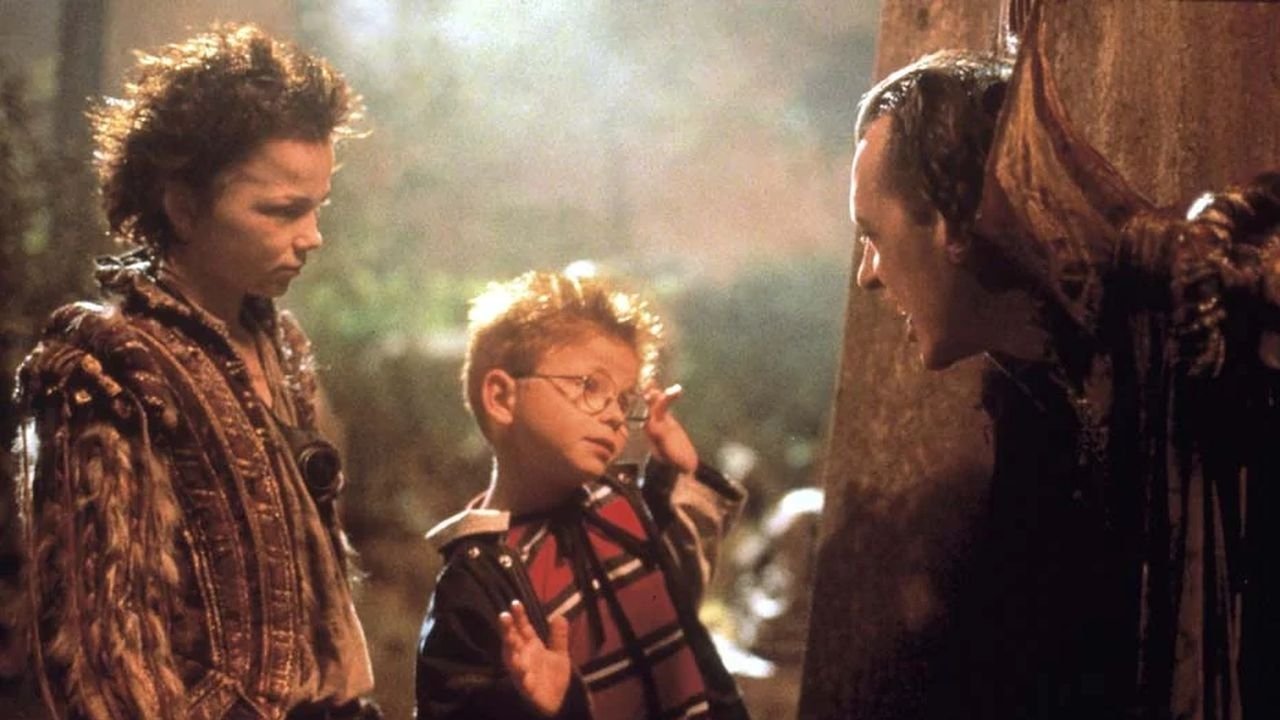
This gentler take comes straight from the source material, a beloved series of German children's books by Angela Sommer-Bodenburg that began way back in 1979. The screenplay, co-written by Karey Kirkpatrick (who'd later pen charming animations like Chicken Run (2000) and Over the Hedge (2006)) and Larry Wilson (a writer behind the wonderfully weird Beetlejuice (1988) and The Addams Family (1991)), captures that blend of quirky humour and heartfelt friendship. It’s a film more interested in camaraderie across the mortal coil than genuine scares.
Scottish Mists and Y2K Effects
Directed by Uli Edel, a filmmaker perhaps better known for much grittier fare like Christiane F. (1981) and Last Exit to Brooklyn (1989), The Little Vampire represents a surprising, lighter turn. Edel uses the stunning Scottish landscapes – all rolling green hills, ancient stone villages (like Culross in Fife, which looks plucked from a storybook), and imposing castles – to great effect, creating an atmosphere that feels both magical and grounded. You can almost smell the damp earth and peat smoke.
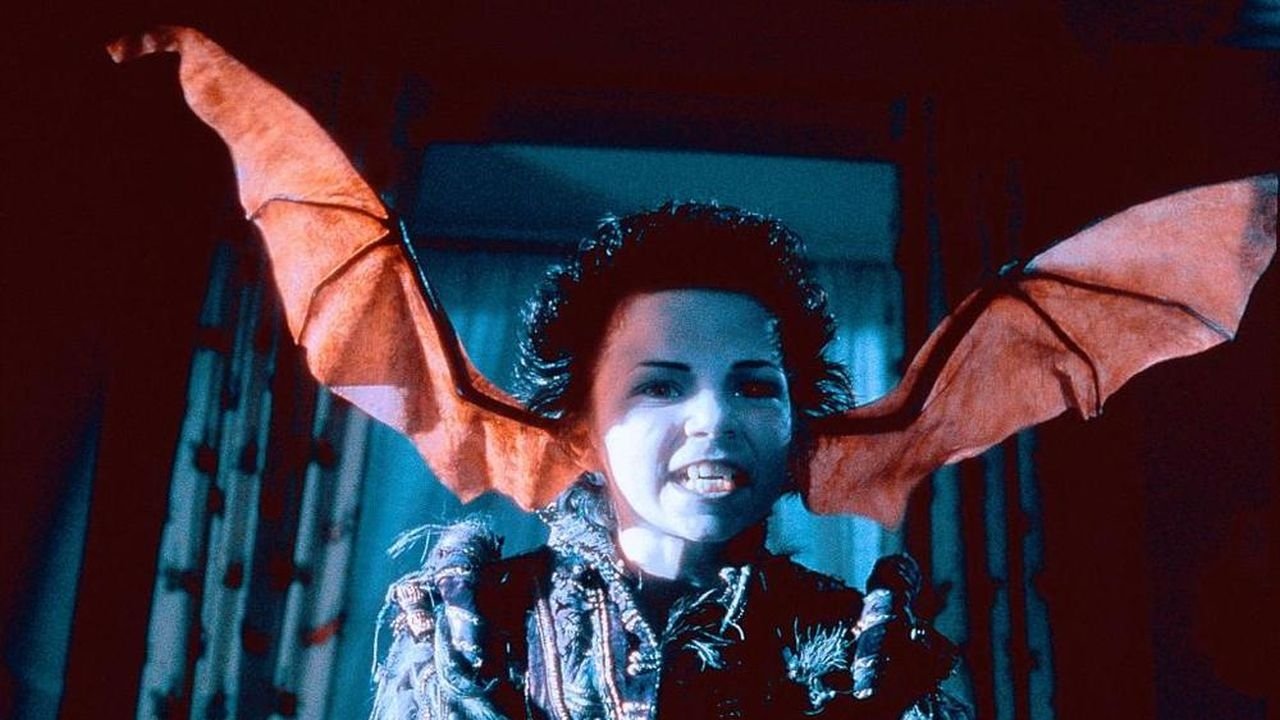
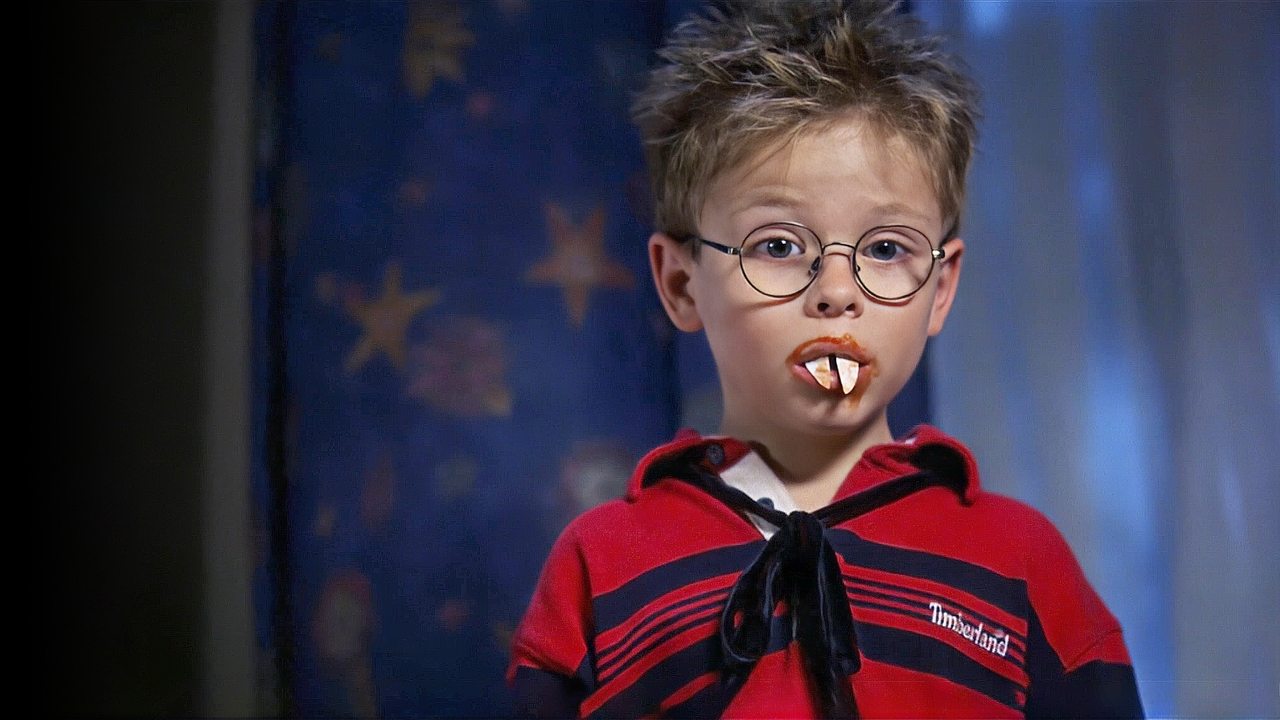
The visual effects are pure turn-of-the-millennium vintage. There’s a blend of practical work and early CGI, particularly noticeable in the flying sequences. Do they look a bit dated now? Sure, a little bit like a screensaver taking flight sometimes. But back then, seeing Tony and Rudolph soaring through the night sky held a certain magic, perfectly acceptable on our CRT screens. There’s a charm to its slight clunkiness now, a reminder of a time before seamless digital overload. It cost around $30 million to make, and while it didn't exactly set the box office ablaze (pulling in roughly $28 million worldwide), its real legacy was cemented in home video rentals and TV airings, becoming a cozy staple for many kids.
Retro Fun Facts: From Page to Screen
- The casting of Jonathan Lipnicki was key, banking on his existing popularity with young audiences.
- Richard E. Grant apparently had a blast playing the flamboyant vampire patriarch, leaning into the theatricality.
- Filming in authentic Scottish locations like Edinburgh, Newliston House, and Gosford House added immense production value and atmosphere, making the setting a character in itself.
- Despite its kid-friendly nature, the film touches on themes of prejudice (Rookery’s single-minded hatred) and belonging (Tony and the vampires finding acceptance in each other).
A Warm Glow of Nostalgia
Watching The Little Vampire today feels like revisiting a slightly simpler time in children’s entertainment. It’s sweet without being saccharine, adventurous without being overwhelming, and spooky without being truly scary. It hinges on the genuinely warm friendship between Tony and Rudolph, a bond that transcends their vastly different worlds (and pulses). It’s the kind of film that might have sparked imaginations, making you wonder about the secrets hidden in old castles or the possibility of making friends in the most unexpected of circumstances. It doesn't aim for groundbreaking cinema, but succeeds wonderfully at being a charming, slightly quirky family adventure.
VHS Heaven Rating: 7/10
The score reflects its genuine charm, strong performances (especially from Grant and Carter), beautiful Scottish scenery, and its status as a warm, nostalgic favorite for many who grew up with it. It loses a few points for a somewhat predictable plot and visual effects that haven't aged quite as gracefully as the story's heart, but the overall feeling is one of fond affection.
It’s a delightful little time capsule, perfect for a cozy evening when you want a gentle adventure with just a touch of gothic flair – a reminder that sometimes, the best friends are the ones you least expect, even if they happen to fly and occasionally crave a sip of… bovine blood.