Alright, VHS Heaven faithful, let's rewind the tape slightly past our usual haunts, right to the year 2000. I know, I know, technically the DVD was starting its hostile takeover, but trust me, The Emperor's New Groove absolutely carries the anarchic spirit of the best kind of find from the video store's 'Comedy' or 'Family' section – the one you rented on a whim and ended up quoting for weeks. This wasn't your typical Disney princess fare; this was something... else. Something gloriously weird and unexpectedly hilarious.
### Pull the Lever, Kronk!
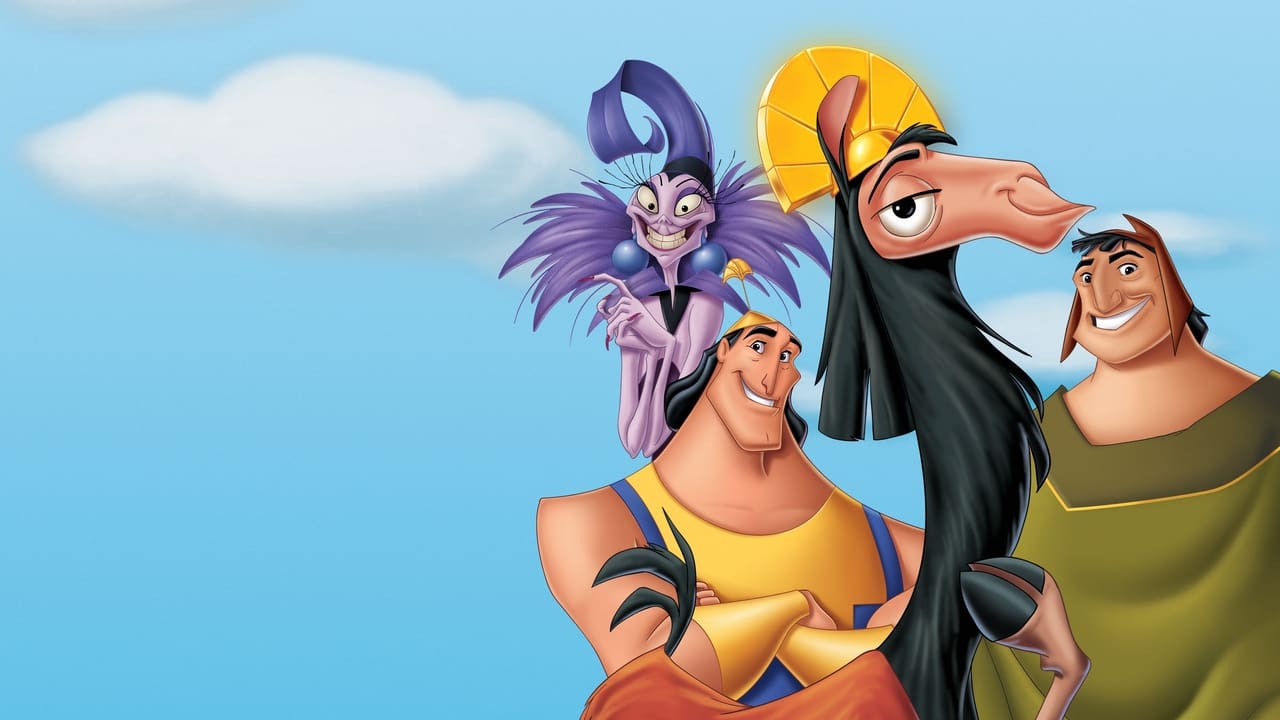
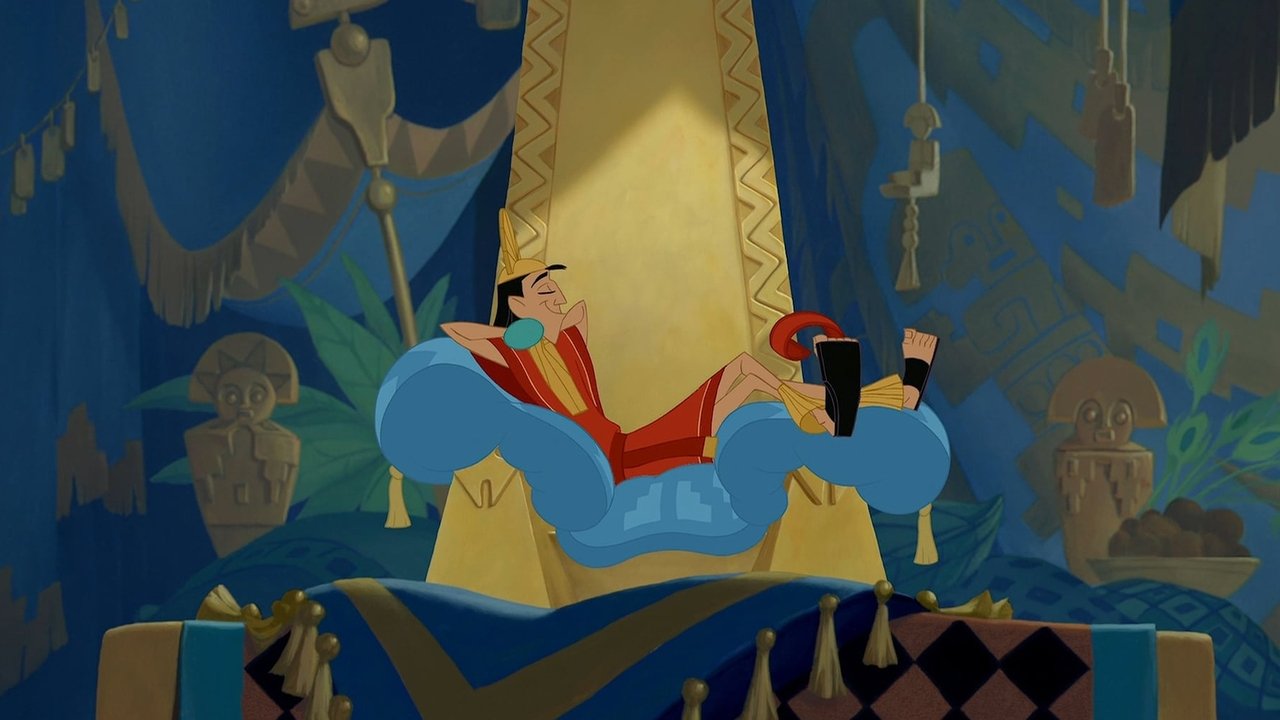
Forget the sweeping romance and earnest life lessons for a moment. The Emperor's New Groove throws all that out the palace window with the giddy abandon of its titular emperor, Kuzco. Voiced with pitch-perfect sarcastic smarm by David Spade (then riding high off Just Shoot Me!), Kuzco is a spoiled brat ruler who gets turned into a llama thanks to a botched poisoning attempt by his terrifyingly fabulous advisor, Yzma. What follows is less a grand quest and more a chaotic buddy-comedy road trip as the llama-emperor must rely on the gentle, decent peasant Pacha (John Goodman, bringing his signature warmth) to get back home and reclaim his throne.
The plot itself is almost secondary to the sheer velocity of the gags. This film moves at a breakneck pace, packed with meta-humor, visual puns, and fourth-wall breaks that felt revolutionary for Disney at the time. It feels less like the tail-end of the Disney Renaissance and more like a Warner Bros. Looney Tune got loose in the Magic Kingdom, mainlined pixie dust, and decided to rewrite the script. The direction by Mark Dindal (who also gifted us the underrated Cats Don't Dance) is relentlessly inventive, keeping the energy sky-high from start to finish.
### Voices That Defined an Era (of Llama Shenanigans)
While Spade and Goodman provide the core odd-couple dynamic, let's be honest: the movie is utterly stolen by its villains. The legendary Eartha Kitt (yes, that Eartha Kitt, Catwoman herself!) delivers an iconic performance as Yzma. Every line reading is dripping with theatrical disdain and ancient evil glamour ("Is that my voice? Is that my voice?!"). Her delivery is so unique, so instantly memorable, it practically transcends animation. And Yzma's dim-witted but surprisingly sensitive henchman, Kronk? Voiced to perfection by Patrick Warburton (Puddy from Seinfeld, The Tick), Kronk is a masterpiece of lovable idiocy, obsessed with spinach puffs and shoulder angels. Remember his theme music? Pure genius. The interactions between Yzma and Kronk are comedy gold, full stop.
### The Chaos Behind the Comedy
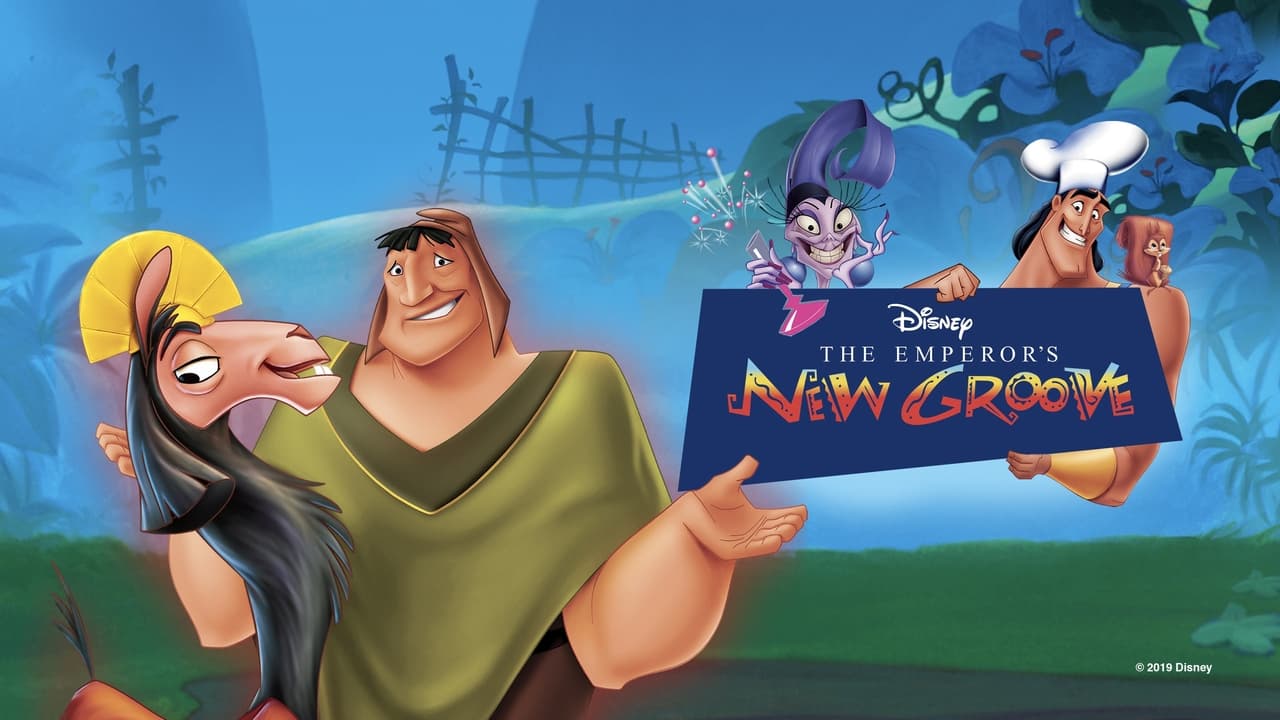
Now, for some delicious retro fun facts! This movie's frantic energy might actually stem from its incredibly troubled production. Originally conceived as a grandiose musical epic called Kingdom of the Sun, the project was bogged down in creative clashes and story problems. It was meant to be a more traditional Disney offering, complete with soaring songs by Sting. When initial versions tested poorly, Disney essentially blew it up and started again, handing the reins to Dindal and writer David Reynolds to salvage something.
They jettisoned most of the plot, transformed Kuzco from a more earnest character into the narcissistic comedian we know, and dramatically shifted the tone to outright comedy. Pacha, originally a minor character who looked much older, was redesigned and promoted to co-lead thanks to John Goodman's incredibly likable voice performance during early tests. Most of Sting's songs were cut, though he famously fought to keep the Oscar-nominated "My Funny Friend and Me" over the end credits. This chaotic rebirth, documented in the rarely-seen documentary The Sweatbox, somehow resulted in the lean, mean, comedy machine we got. It’s a fascinating example of how studio panic and creative reshuffling can sometimes lead to accidental brilliance. The film reportedly cost around $100 million, a hefty sum reflecting its difficult journey, but its eventual $169 million worldwide gross and enduring popularity proved the gamble paid off.
### Hand-Drawn Hilarity
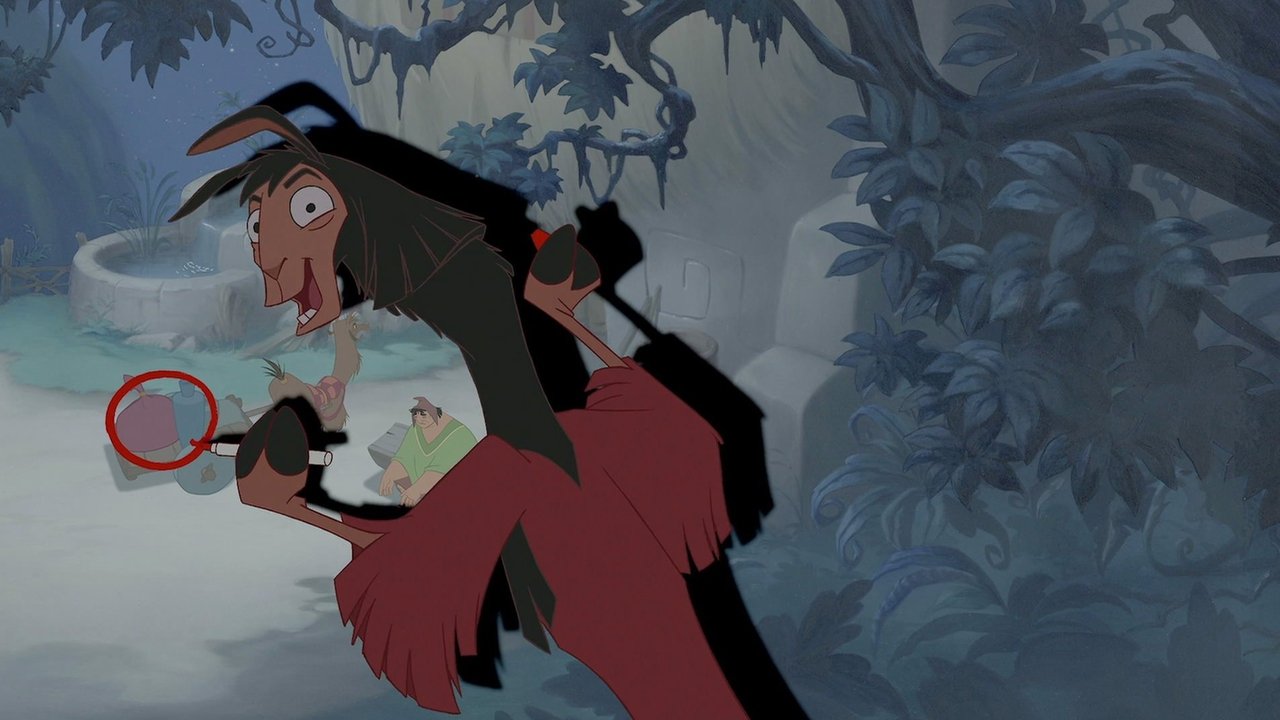
While CGI was making inroads, The Emperor's New Groove boasts a distinct, sharp, and angular hand-drawn animation style. It feels more stylized and less 'realistic' than predecessors like Tarzan or Mulan. The character designs are exaggerated and expressive, allowing for incredibly fluid and rubbery physical comedy that perfectly matches the film’s zany tone. There’s a tactile quality to the animation, a directness in the humour delivered through visual gags and character expressions that feels very... well, drawn. It’s a style that pops, even on a fuzzy CRT screen back in the day, giving the film a unique visual identity that still stands out.
### Legacy of the Llama
Upon release, The Emperor's New Groove did decently, but wasn't a runaway smash hit like some of its 90s predecessors. Critics were generally positive, especially about the humour, but it took time for its cult classic status to truly cement. Home video (yes, including those trusty VHS tapes!) and cable reruns absolutely helped build its dedicated fanbase. People rediscovered its sharp wit and endlessly quotable lines ("No touchy!"). It even spawned a direct-to-video sequel, Kronk's New Groove (2005), and a TV series, testament to the surprising staying power of these characters, especially the scene-stealing Kronk.
---
Rating: 9/10
Justification: This score reflects the film's exceptional comedic writing, iconic voice performances (especially Kitt and Warburton), unique animation style, and sheer rewatchability. It overcomes its troubled production to deliver pure, unadulterated fun. While not as emotionally resonant as some Disney classics, its relentless humour and cult status make it a standout achievement.
Final Thought: The Emperor's New Groove is a glorious anomaly, a high-energy blast of sarcasm and slapstick that feels like a lightning strike of pure comedic inspiration captured on film (and tape!). It’s proof that sometimes, tearing up the rulebook is the best way to find your groove. Boom, baby!