The humid New Orleans night hangs heavy, thick with secrets and the scent of decay. It mirrors the atmosphere that permeates Richard Tuggle’s directorial debut, Tightrope (1984), a film that peels back the veneer of its iconic leading man to reveal something far murkier underneath. This wasn't your standard Clint Eastwood vehicle, not quite the stoic avenger we’d grown accustomed to renting weekend after weekend. No, Tightrope plunged us into a grim psychological landscape, a neon-lit descent where the line between cop and criminal blurred under the streetlights of the French Quarter.
### The Shadow Side of the Badge
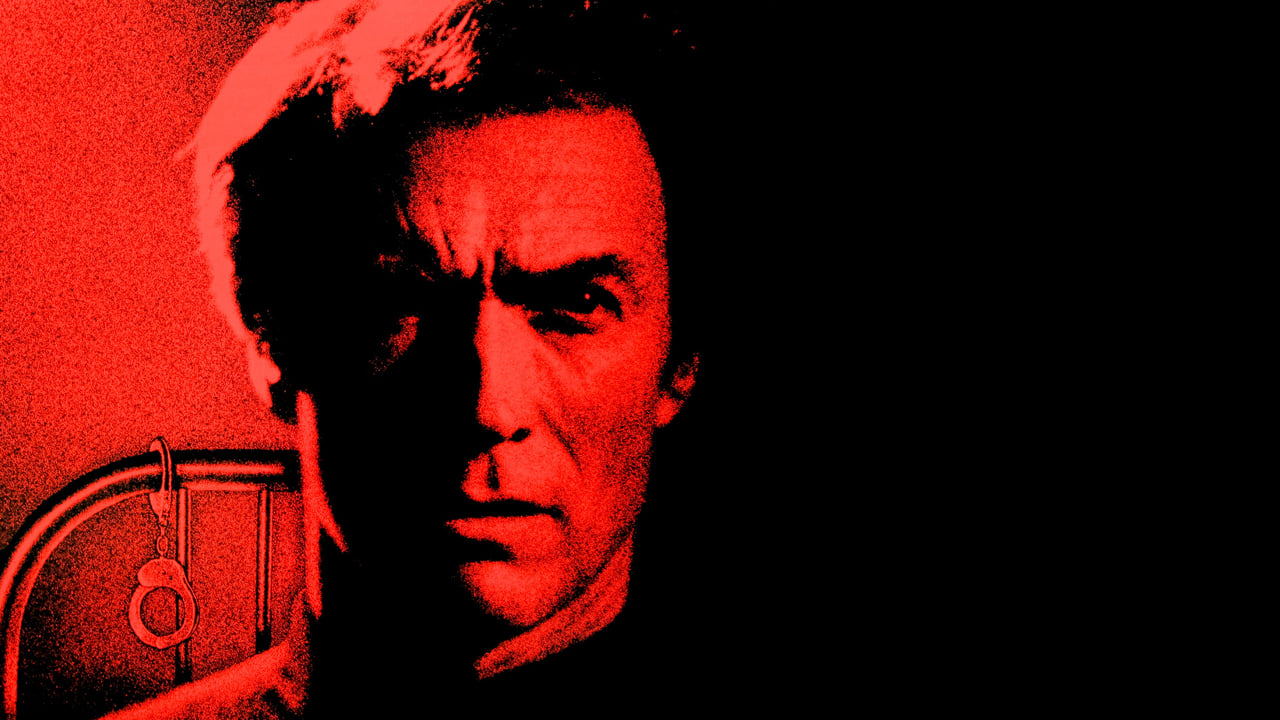
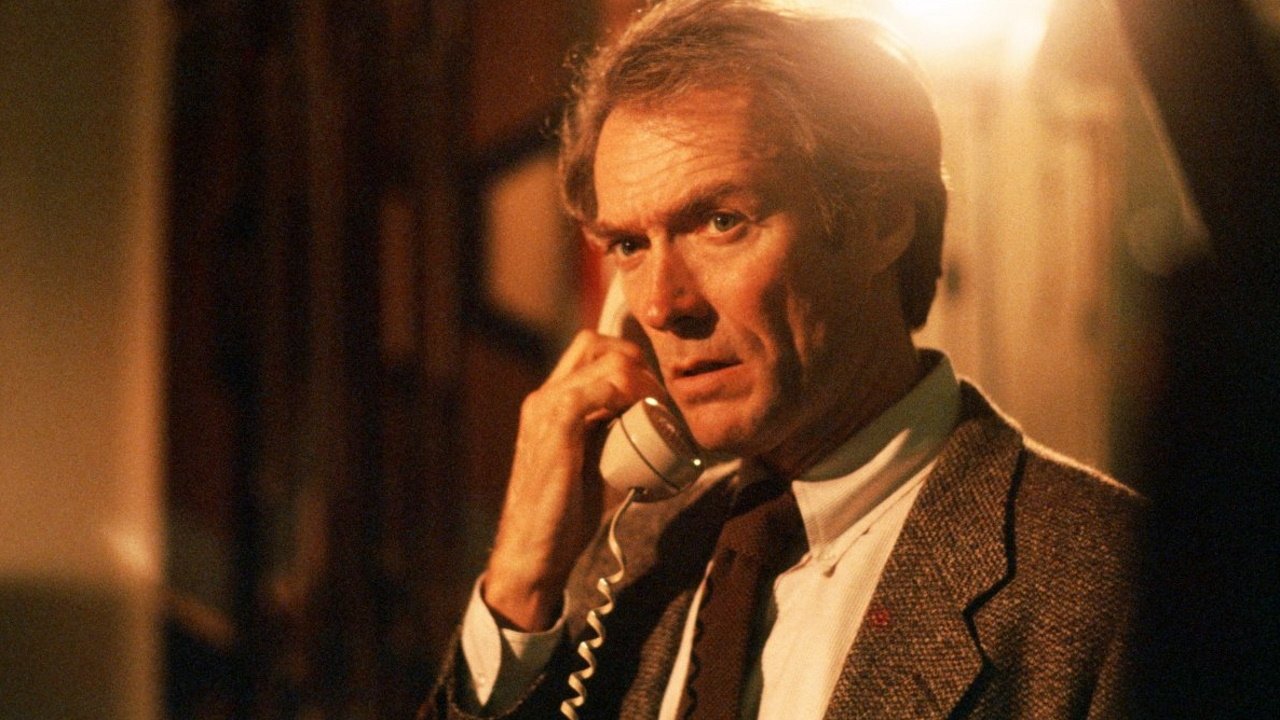
Clint Eastwood stars as Wes Block, a New Orleans homicide detective tasked with hunting a serial killer targeting women within the city's BDSM subculture. The twist, the hook that grabs you, is Block’s own connection to this hidden world. He frequents the same shadowed corners, wrestling with kinks and desires that mirror those of the victims, and perhaps, chillingly, the killer himself. It’s this internal conflict, this dangerous proximity to the darkness he pursues, that elevates Tightrope beyond a simple procedural. Eastwood, stepping away briefly from his usual directorial duties (though reports suggest he ghost-directed significant portions when Tuggle, a first-timer, fell behind schedule), allows a vulnerability rarely seen. His usual steely gaze here is tinged with self-loathing and fear, the tightly coiled tension threatening to snap. We see a man walking a precarious wire, the film’s title made literal in his psyche.
### Sweat, Shadows, and Suspense
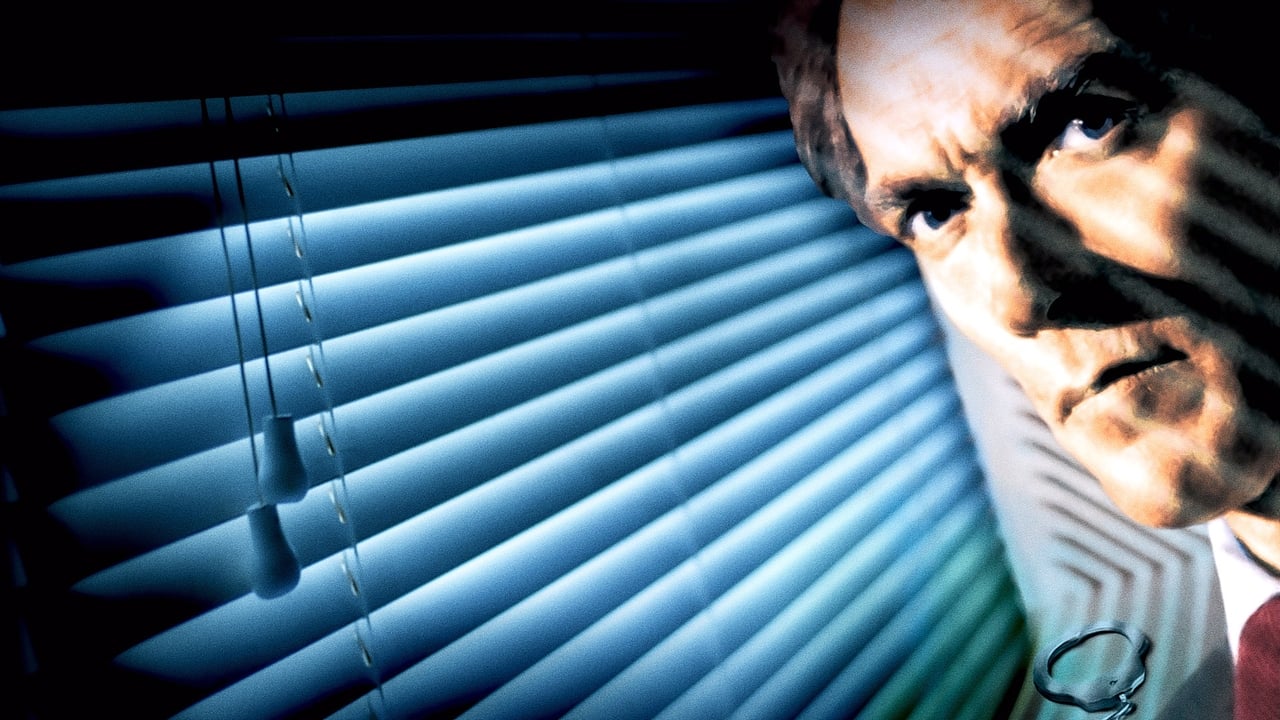
The film feels like New Orleans in the dead of summer – sticky, oppressive, and simmering with barely contained urges. Tuggle (who also penned the script, originally titled The Spike before Eastwood requested a change) and cinematographer Bruce Surtees (a frequent Eastwood collaborator) masterfully capture the city's unique blend of beauty and seediness. The foggy bayous, the shadowy alleyways, the lurid glow of Bourbon Street bars – they all become characters in themselves, amplifying Block’s isolation and the ever-present threat. Remember the killer's chilling rubber mask? Simple, yet deeply unsettling, it became a stark visual shorthand for the film’s faceless dread, tapping into that primal fear of the unknown intruder. The production reportedly had Eastwood himself suggest changes to the mask to make it more generic and disturbing.
Adding another layer of complexity is Geneviève Bujold as Beryl Thibodeaux, the director of a rape crisis center who becomes both an unlikely ally and a potential romantic interest for Block. Bujold, known for intense roles like Anne Boleyn in Anne of the Thousand Days (1969), brings a sharp intelligence and weary strength to the part. Her interactions with Eastwood crackle with a wary chemistry; she sees through his tough-guy facade, challenging his methods and confronting the uncomfortable parallels between his investigation and his private life. Their dynamic provides the film’s moral compass, grounding the more lurid elements in genuine human connection and consequence. It’s a testament to both actors that their relationship feels earned amidst the surrounding darkness.
### Walking the Wire: Trivia and Tension
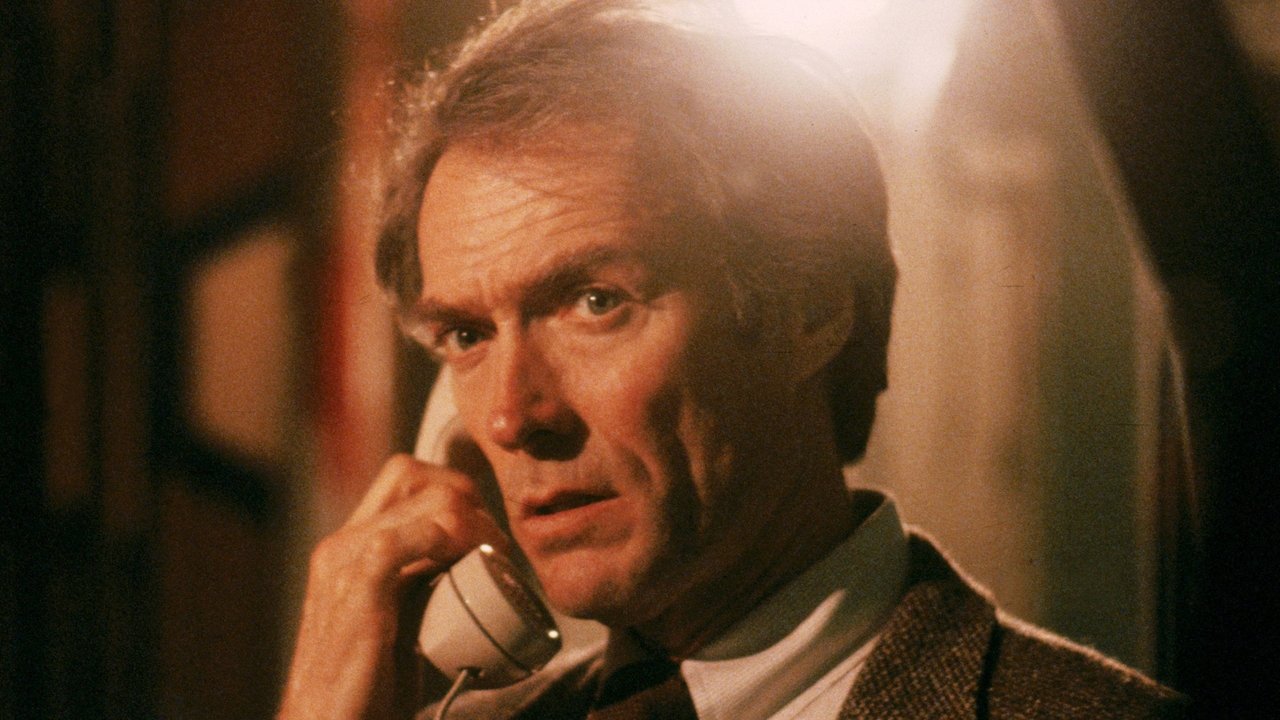
Tightrope wasn’t afraid to push boundaries for a mainstream 1984 thriller, particularly one starring arguably the biggest movie star on the planet. The exploration of S&M themes, while relatively tame by today's standards, was provocative for its time and reportedly required careful navigation with the ratings board. The film also features a small but significant role for Eastwood’s own daughter, Alison Eastwood, playing Block’s young daughter, Amanda. Her presence adds a poignant counterpoint to the grim nature of her father’s work and secret life, amplifying the stakes – what happens if his darkness spills over into his family life? This casting choice lends an unexpected layer of personal resonance to Block's protective instincts.
Despite its grim subject matter, Tightrope proved a solid box office success, pulling in around $67 million worldwide against an $18 million budget (that's roughly $190 million adjusted for inflation today!). It demonstrated audiences were willing to follow Eastwood into darker, more complex territory. Though Richard Tuggle wouldn't direct another major feature, his work here remains distinctive – a taut, atmospheric thriller that dared to explore the uncomfortable shadows within its hero. And wasn't Dan Hedaya perfectly cast as Detective Molinari, Block's weary, grounded partner? He provided that necessary dose of procedural reality against Block's increasingly frayed psychological state.
### Lasting Unease
Tightrope holds up remarkably well, not just as a time capsule of gritty 80s thrillers, but as a compelling character study wrapped in suspense. It lacks the overt supernatural chills of some horror classics from the era, but its psychological dread feels deeply unsettling. The voyeuristic camerawork, the pervasive sense of moral ambiguity, and Eastwood's willingness to portray a flawed, troubled protagonist leave a lingering chill. It tapped into anxieties about hidden desires and the darkness potentially lurking beneath respectable surfaces – themes that remain potent. Does the central mystery feel a touch conventional by modern standards? Perhaps. But the journey getting there, steeped in atmosphere and anchored by Eastwood’s performance, is undeniably gripping.
VHS Heaven Rating: 8/10
Justification: Tightrope earns its high score through its potent atmosphere, Clint Eastwood's daringly complex performance, Geneviève Bujold's strong counterpoint, and its effective, slow-burn tension. It successfully blends a gritty police procedural with a compelling psychological study, making great use of its New Orleans setting. While perhaps not flawless in its plotting, its willingness to explore darker themes within a mainstream framework makes it a standout thriller of the VHS era.
Final Thought: This is Eastwood diving headfirst into noir territory, delivering a film that feels less like a conventional thriller and more like a fever dream creeping in from the bayou – unsettling, memorable, and a fascinatingly dark entry in his iconic filmography.