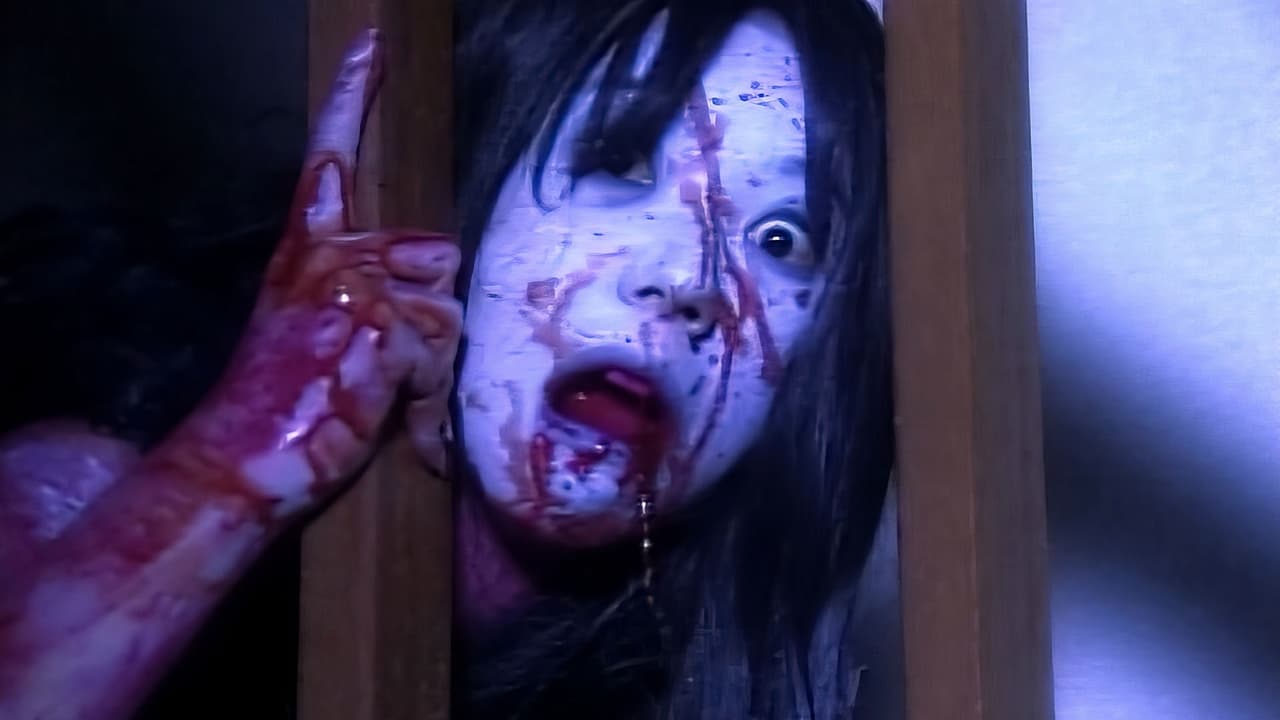
That sound. Before the cascade of stringy black hair, before the wide, accusing eyes staring from the shadows, there was the sound. A choked, guttural rattle that crawls up your spine and lodges itself somewhere deep and cold. Forget your jump scares and orchestral stabs; the true horror of Takashi Shimizu's original direct-to-video nightmare, Ju-on: The Curse (2000), begins with that horrifying croak emanating from the darkness. It’s the death rattle of tranquility, signaling that you’ve stepped into a place where resentment has curdled into something infectious and inescapable.
### A Stain That Spreads
Unlike its more polished theatrical successors, this first Ju-on feels disturbingly raw, almost like found footage recovered from a place best left undisturbed. There's no intricate plot to unravel in the conventional sense, no single protagonist battling the evil. Instead, Shimizu, who both wrote and directed, presents a series of interconnected vignettes, each following someone unfortunate enough to cross the threshold of that house in Nerima, Tokyo. It's a structure that perfectly mirrors the nature of the curse itself – non-linear, insidious, spreading like a contagion through anyone who comes into contact with its source. The disjointed timeline isn't confusing; it's disorienting, trapping the viewer in the same cycle of doom as the characters. We are merely witnesses to the inevitable.
### V-Cinema Terror Perfected

It's crucial to remember Ju-on: The Curse wasn't birthed in the multiplex; it was part of Japan's V-Cinema boom – straight-to-video features often made on shoestring budgets but allowing for significant creative freedom. This low-budget origin ($ estimated ¥15 million, roughly $140,000 USD then, which is peanuts even for V-Cinema) is arguably its greatest strength. There's no Hollywood gloss here, no elaborate CGI. The horror feels grounded, almost mundane, until it suddenly isn't. The drab interiors of the Saeki house, the washed-out colours, the naturalistic lighting – it all contributes to a chilling sense of realism that makes the supernatural intrusions all the more terrifying. Shimizu harnesses these limitations, focusing on suggestion, unnerving framing, and that masterful sound design to build a palpable sense of dread that expensive effects often fail to achieve.
### The Unforgettable Faces of Fear
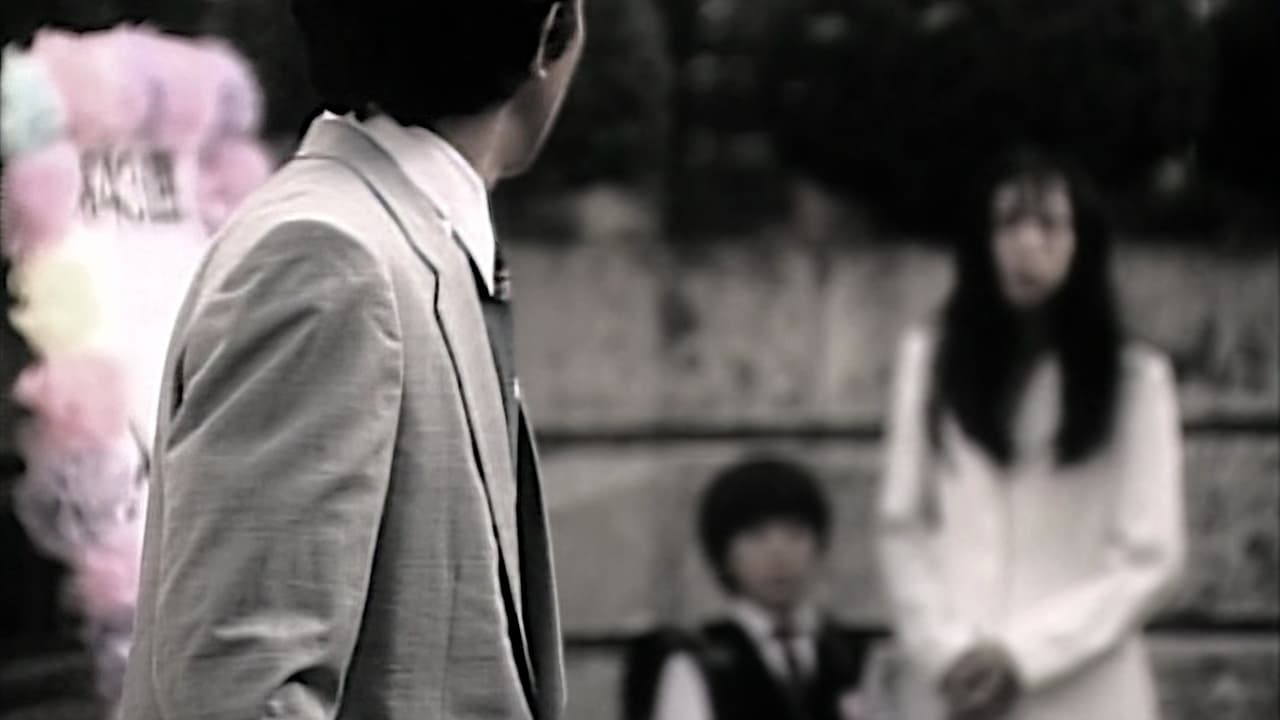
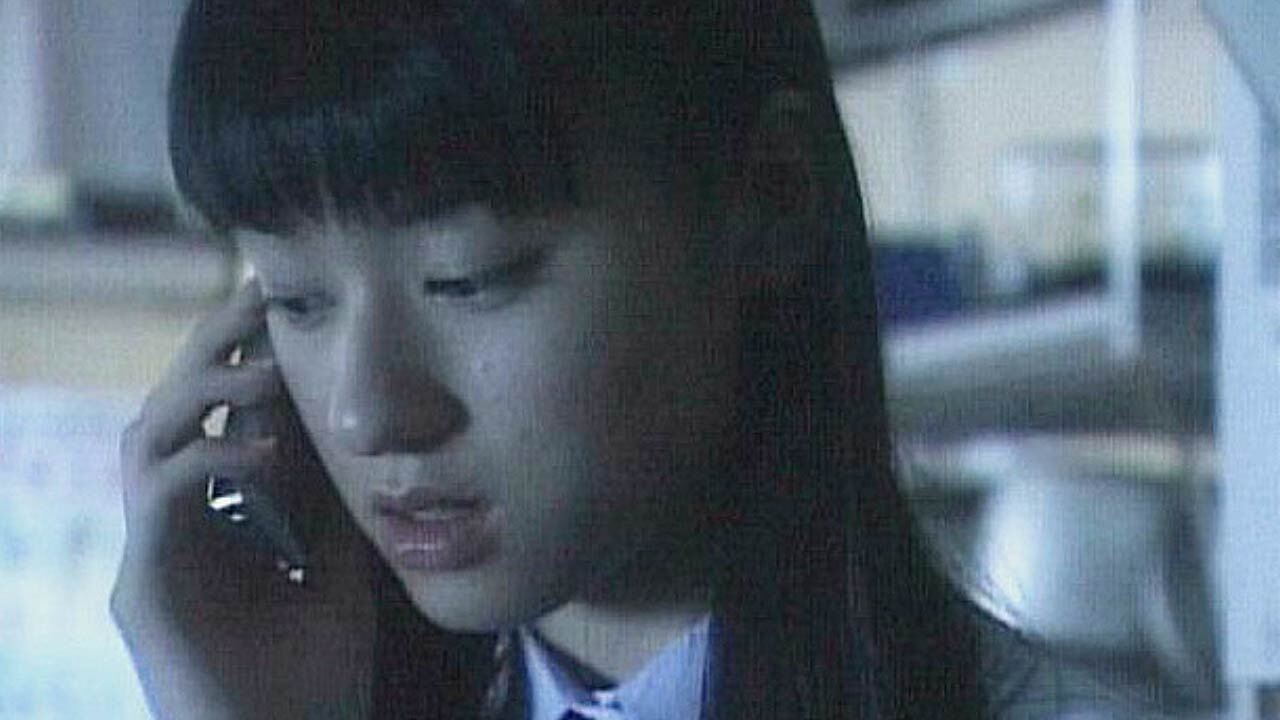
And then there are Kayako and Toshio. Before they became globally recognized horror icons via The Grudge franchise (which Shimizu himself would kickstart), their appearances here felt utterly unique and profoundly disturbing. Kayako Saeki (Takako Fuji, whose unnerving physical performance is legendary – she performed many of those unnatural movements herself) isn't just a ghost; she's a broken, vengeful force given physical, spider-like form. Her slow crawl down the stairs, accompanied by that sound, remains one of modern horror’s most potent images. Toshio (Ryota Koyama in this entry), the pale boy with the black eyes and the cat-like cry, is less a character and more a harbinger, his silent appearances often preceding Kayako’s wrath. Seeing a young Chiaki Kuriyama (later Gogo Yubari in Kill Bill: Vol. 1) caught in this web adds another layer for retro-fans looking back. These aren't specters easily banished; they are physical manifestations of a deep, unending rage.
### Atmosphere is Everything
Ju-on: The Curse understands that true horror lingers. It’s less interested in making you jump (though it certainly can) than in making your skin crawl. The fear comes from the periphery – a glimpse of white in the corner of the frame, a shadow moving unnaturally, the oppressive silence broken by that dreadful croak. There are moments of shocking violence, certainly, but they feel like eruptions from the suffocating tension Shimizu expertly builds. The film doesn't just scare you; it leaves you feeling uneasy, perhaps checking the dark corners of your own room a little more closely after the credits roll. Didn't that specific, low-fi dread feel so much more potent on a grainy VHS watched late at night?
### The Seed of a Phenomenon
While its direct-to-video sequel Ju-on: The Curse 2 arrived the same year, it was the incredible word-of-mouth success of these initial entries that paved the way for the theatrical Ju-on: The Grudge (2002) and its own sequel, plus the Shimizu-helmed American remake The Grudge (2004) starring Sarah Michelle Gellar, and the subsequent sprawling franchise. Yet, going back to this first V-Cinema installment reveals the raw, unfiltered terror that started it all. It lacks the polish of its successors, but it possesses a unique, gritty power – a feeling that you're watching something genuinely transgressive and deeply unsettling.
Rating: 8/10
This score reflects the film's undeniable effectiveness in crafting pure, atmospheric dread and its historical significance in launching a horror phenomenon, all achieved despite significant budget limitations. Its rawness is part of its terrifying charm. Ju-on: The Curse isn't just a movie; it’s an experience in sustained unease, a chilling reminder that some stains – and some sounds – never truly wash away. It remains a cornerstone of the J-horror explosion and a masterclass in low-budget scares.