The neon glare of a Gothenburg Christmas Eve reflects off rain-slicked streets, but there's no festive cheer here. Instead, a botched robbery spirals into chaos, spitting out violence and trauma that sets the chilling tone for Zero Tolerance (original title: Noll tolerans). This isn't your glossy Hollywood cop flick; this 1999 Swedish export hits with the blunt force of a nightstick, introducing us to a world – and a hero – steeped in weary realism. Forget flashy car chases and quippy one-liners; this film plunges you into the messy, desperate heart of street-level crime.
Enter Johan Falk
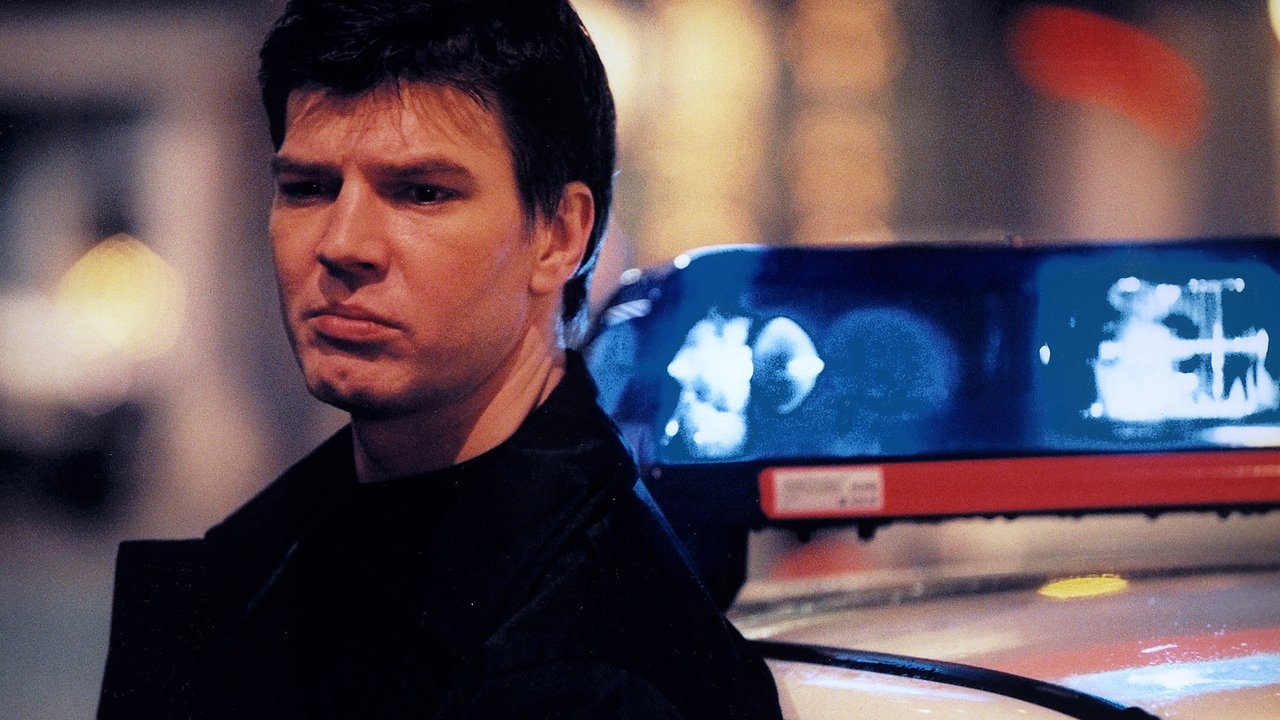
At the centre is Inspector Johan Falk, played with a career-defining intensity by Jakob Eklund. Falk isn't a superhero cop. He's tired, dedicated, and prone to bending the rules when the system fails – which, in this narrative, it frequently does. Eklund embodies him perfectly: the slumped shoulders carrying the weight of the job, the haunted eyes seeing too much, the sudden flashes of ferocious resolve when pushed. It's a grounded, compelling performance that avoids cliché, making Falk feel less like a movie character and more like someone you might actually encounter on a bad night shift. He’s the kind of cop who feels ripped from headlines rather than screenwriting manuals, a quality director Anders Nilsson (who brought a documentarian's eye to the proceedings) clearly prized.
Gothenburg Noir
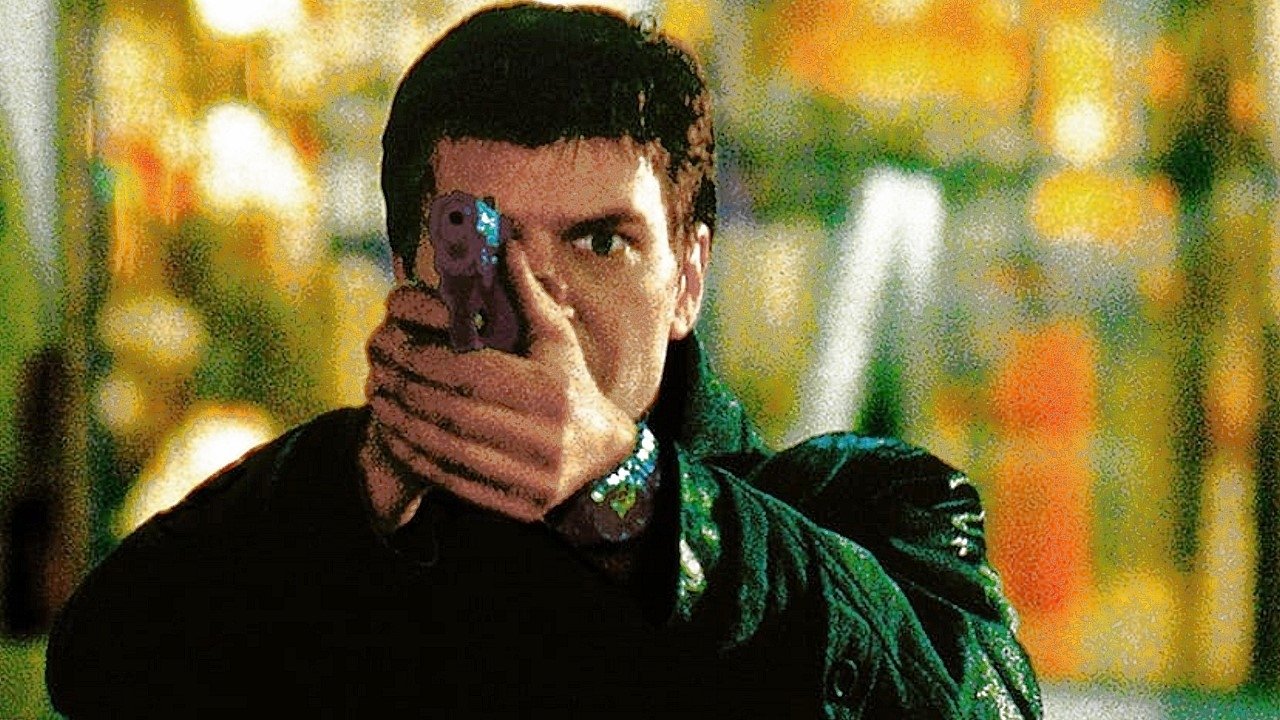
The film excels in creating a palpable atmosphere of dread. Gothenburg isn't presented as a scenic backdrop; it's a damp, cold, often unforgiving landscape. The cinematography favours blues and greys, emphasizing the grim reality Falk navigates. The action, when it erupts, is brutal, clumsy, and terrifyingly real. Gunfights aren't elegant ballets; they're desperate scrambles with high stakes and messy consequences. Remember that feeling when watching a European thriller on a worn VHS tape, rented from the ‘World Cinema’ section, and realising it played by different, harsher rules? Zero Tolerance taps right back into that sensation. The violence isn't gratuitous; it serves the story, highlighting the immediate danger and the thin line between order and chaos.
The Birth of a Franchise
It's hard to talk about Zero Tolerance without acknowledging its legacy. This film wasn't just a standalone thriller; it was the genesis of the incredibly popular Johan Falk series, spanning numerous films and TV seasons that followed Falk's career over many years. Zero Tolerance laid the groundwork, establishing the character's moral complexities and the gritty tone. Reportedly made on a relatively modest budget (around 15 million SEK, roughly $1.7 million USD back then – maybe $3 million today), its success in Sweden was significant, proving audiences craved this brand of unvarnished crime drama. Nilsson and co-writer Joakim Hansson crafted a narrative tight enough to grip, yet open enough to allow Falk's world to expand outwards. It feels raw, perhaps because it was the starting point, before the formula became more established. Interestingly, Jakob Eklund became so synonymous with Falk that he played the character across two decades, a rare commitment in modern franchises.
Tension Over Spectacle
The plot kicks into high gear when Falk becomes the protector of the sole witness to a jewellery store robbery execution. The witness, Leo Gaut (Peter Andersson, chillingly effective as the understated menace later revealed), is targeted by ruthless criminals connected to organized crime, forcing Falk into a desperate game of cat and mouse. The tension doesn't come from elaborate set pieces, but from the constant threat, the feeling of isolation, and the systemic failures that leave Falk increasingly exposed. There’s a palpable sense of procedural frustration mixed with sudden bursts of adrenaline. The film cleverly uses its limitations – the lack of Hollywood polish becomes a strength, making the danger feel immediate and unscripted. Did that sequence where Falk desperately tries to secure the safe house genuinely put you on edge back then? It still lands with unnerving force.
Lasting Impact
Zero Tolerance might feel familiar in structure now, given the proliferation of Scandinavian noir it arguably helped popularize internationally. Yet, its commitment to realism, Eklund’s anchoring performance, and its unyielding grimness give it a distinct power. It’s a film that doesn’t offer easy answers or clean victories. Watching it again, maybe on a format far removed from the original VHS cassette I first saw it on, it retains that late-90s edge – a reminder of a time when mainstream action thrillers were starting to feel a bit slick, and imports like this offered a bracing, darker alternative. It captured that specific anxiety of urban decay and institutional helplessness that felt very present at the turn of the millennium.
Rating: 8/10
This score reflects the film's strengths: Jakob Eklund's iconic portrayal, the suffocating atmosphere, the grounded action, and its significance as the launchpad for a major European crime series. It avoids a higher score only because, viewed decades later, some plot mechanics feel somewhat conventional within the genre it helped shape, and the pacing occasionally reflects its procedural roots perhaps a bit too faithfully for pure adrenaline junkies. However, its gritty realism and compelling central performance make it a standout of late 90s European crime cinema.
Zero Tolerance remains a potent, gripping thriller that reminds us that sometimes the most effective scares aren't supernatural, but deeply, chillingly human. It’s a film that stays with you, much like the damp chill of a Gothenburg winter night.