It lingers, doesn't it? Long after the screen fades to black, certain films leave an imprint, a residue of feeling that’s hard to shake. Lars von Trier's Dancer in the Dark (2000) is emphatically one of those films. It arrived at the turn of the millennium, perhaps a little late for the peak VHS era but certainly inhabiting that same space of challenging, unforgettable home video experiences – the kind you rented, watched with a growing sense of dread and fascination, and then had to talk about. This wasn't background noise; this was an event.
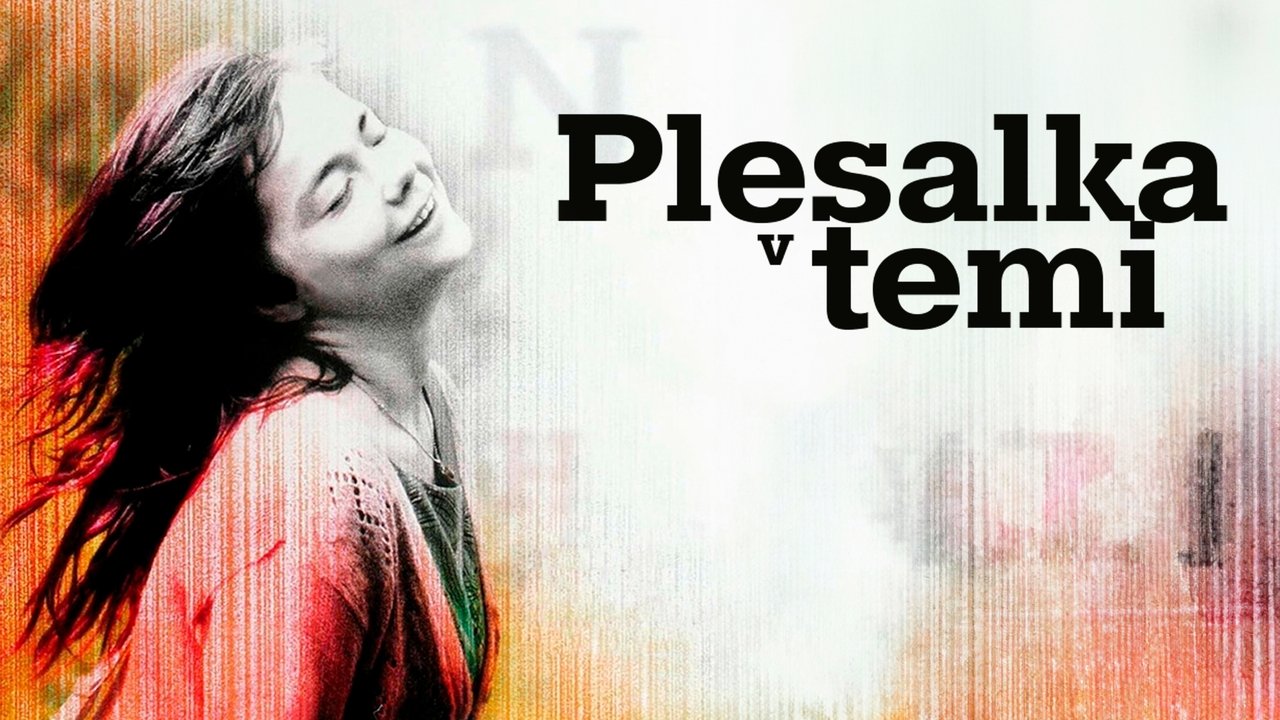
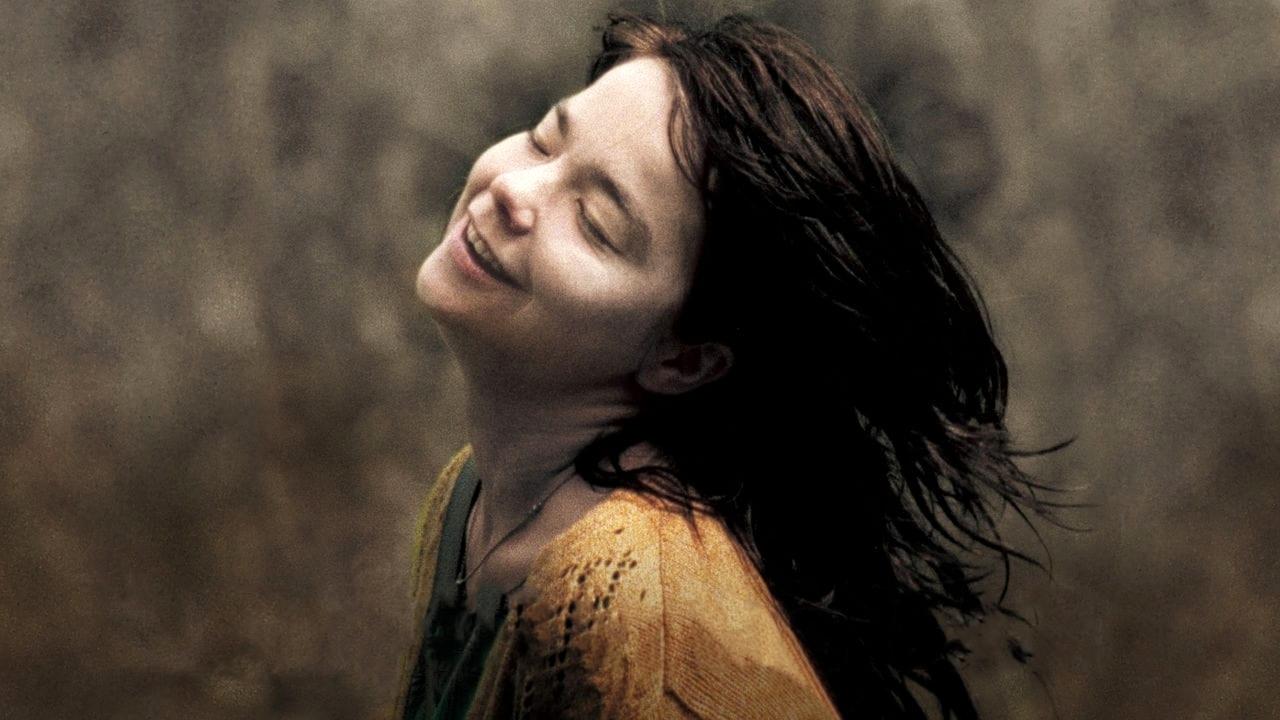
The film plunges us into the world of Selma Ježková, a Czech immigrant working tirelessly in a rural American factory. Played with shattering, almost unbearable authenticity by Icelandic musician Björk in her first (and famously, last) major acting role, Selma is losing her sight to a hereditary condition. Her single-minded focus is saving enough money for an operation to prevent her young son, Gene, from suffering the same fate. It's a simple, noble goal, set against a backdrop of grinding poverty and quiet desperation. But Selma has a secret escape: her love for Hollywood musicals. In her mind, the drab reality of the factory floor or the crushing weight of her secret can erupt into vibrant, Technicolor song-and-dance numbers.
A Tale of Two Visuals
Von Trier, ever the provocateur and formalist innovator, crafts the film with a stark duality. Selma's everyday life is captured with handheld digital cameras, employing techniques reminiscent of the Dogme 95 movement he co-founded. The colours are muted, the camerawork restless, almost documentary-like, creating a sense of raw immediacy and claustrophobia. It feels gritty, unvarnished, and deeply unsettling.
Then, the music starts. Suddenly, the screen bursts with colour. The jittery handheld shots give way to meticulously choreographed sequences filmed with 100 static cameras. These aren't just flights of fancy; they are Selma's entire coping mechanism, the elaborate internal reality she constructs to endure the unbearable. The contrast is jarring, deliberate, and devastatingly effective. We see the world through Selma's fading vision and her vivid imagination simultaneously. It forces us to question where reality ends and escapism begins, and whether such escapism is a blessing or a curse when reality inevitably intrudes.
An Unforgettable, Unrepeatable Performance
You simply cannot discuss Dancer in the Dark without focusing on Björk. Her portrayal of Selma is less a performance and more an act of raw, unmediated emotional exposure. There's an innocence, a heartbreaking naivety to Selma, coupled with a steely determination rooted in maternal love. Björk embodies this fragile strength with an intensity that feels almost dangerous. It's a performance stripped bare of artifice, leaving the viewer feeling like an uncomfortable voyeur to genuine suffering.
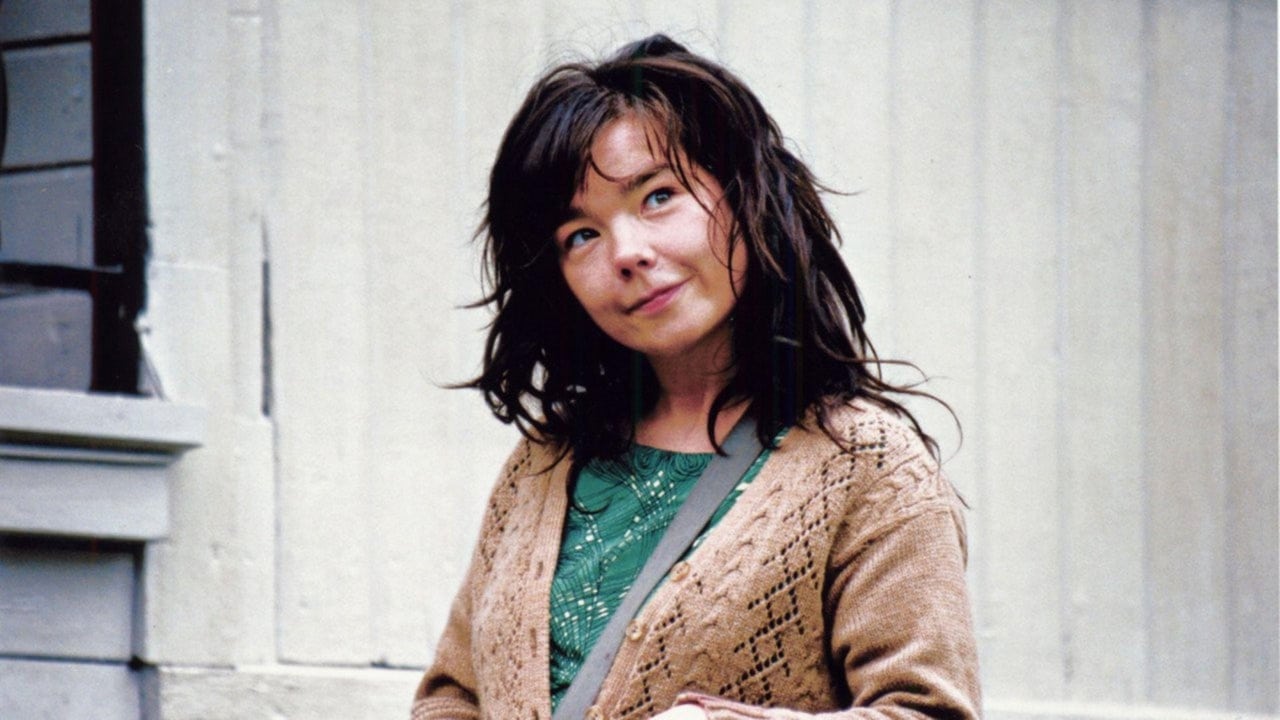
The stories surrounding the production are now infamous. Björk and von Trier clashed intensely, a conflict stemming from differing artistic approaches and the sheer emotional toll the role took on her. She famously declared she would never act in a feature film again, a promise she largely kept. While regrettable, this friction somehow feels embedded in the final product. Does knowing about the difficult shoot enhance the viewing? Perhaps it illuminates the near-painful authenticity radiating from the screen. It cost Björk dearly, but it also resulted in her winning the Best Actress award at the 2000 Cannes Film Festival, where the film itself controversially took home the top prize, the Palme d'Or. The film's soundtrack, "Selmasongs," composed by Björk, is inseparable from the narrative, providing the very heartbeat of Selma's inner world.
Supporting players like the ever-graceful Catherine Deneuve as Kathy, Selma's loyal friend, and David Morse as Bill Houston, the seemingly kindly neighbour whose desperation mirrors Selma's in tragic ways, provide crucial anchors. Morse, in particular, navigates a difficult role, portraying a man whose weakness leads to devastating consequences, forcing us to confront uncomfortable truths about good intentions gone horribly wrong.
The Weight of Reality
Spoiler Alert! The film spirals towards a conclusion that is notoriously difficult to watch. Selma's unwavering faith in the goodness of others and her own sacrificial determination lead her down a path with no escape. Her moments of imagined musical joy become increasingly fragile, overwhelmed by the encroaching darkness, both literal and metaphorical. The final act, particularly the stark depiction of capital punishment, is unflinching and designed to provoke a powerful, visceral reaction. It’s a brutal commentary on the failings of the justice system, the vulnerability of the innocent, and perhaps, the dark underbelly of the American Dream that Selma so idealized through its musicals.
Was von Trier manipulating the audience? Absolutely. He’s a master manipulator, using the musical form against itself, weaponizing sentimentality to deliver gut punches. But the manipulation serves a purpose – to force us to feel, deeply and uncomfortably, Selma’s plight and the injustice she faces. It asks profound questions: How much suffering can one person endure? What are the limits of empathy? Can art truly provide solace against overwhelming despair?
This isn't a film you "enjoy" in the conventional sense. I remember renting the DVD shortly after its release, drawn by the buzz from Cannes and Björk's involvement. It wasn’t the feel-good musical escape I might have half-expected. Instead, it was an experience that left me emotionally wrung out, sitting in silence long after the credits rolled. It’s a film that demands discussion, dissection, and perhaps a stiff drink afterwards.
Rating: 9/10
Why a 9 for a film so relentlessly bleak? Because Dancer in the Dark, despite its harrowing nature, is a monumental artistic achievement. Its bold formal experimentation, the unforgettable central performance, and its willingness to confront profound, uncomfortable themes make it a landmark of turn-of-the-millennium cinema. It’s difficult, yes, and certainly not for everyone, but its power is undeniable. The 1 point deduction acknowledges that its sheer intensity and arguably manipulative nature make it a film many will admire more than love, and might only watch once.
Dancer in the Dark is a testament to the power of cinema to evoke raw emotion, challenge perceptions, and leave an indelible mark on the viewer's soul. It’s a demanding, devastating masterpiece that uses the language of musicals to tell one of the most tragic stories imaginable, forcing us to confront the darkness even as we yearn for the light. What lingers most isn't just the sadness, but the unsettling beauty found within Selma's desperate, vibrant dreams.