Step back into the smoky haze and pulsating rhythms of 1920s Harlem, where the lines between electrifying entertainment and brutal underworld dealings blurred under the bright lights of one legendary nightspot. We're revisiting Francis Ford Coppola's ambitious, sprawling, and notoriously troubled 1984 epic, The Cotton Club – a film that arrived on VHS shelves carrying the weight of immense expectation and whispers of production chaos. It wasn't just a movie; it felt like an event, even if the results were perhaps as turbulent and unpredictable as the era it depicted.
A Symphony of Ambition and Anarchy
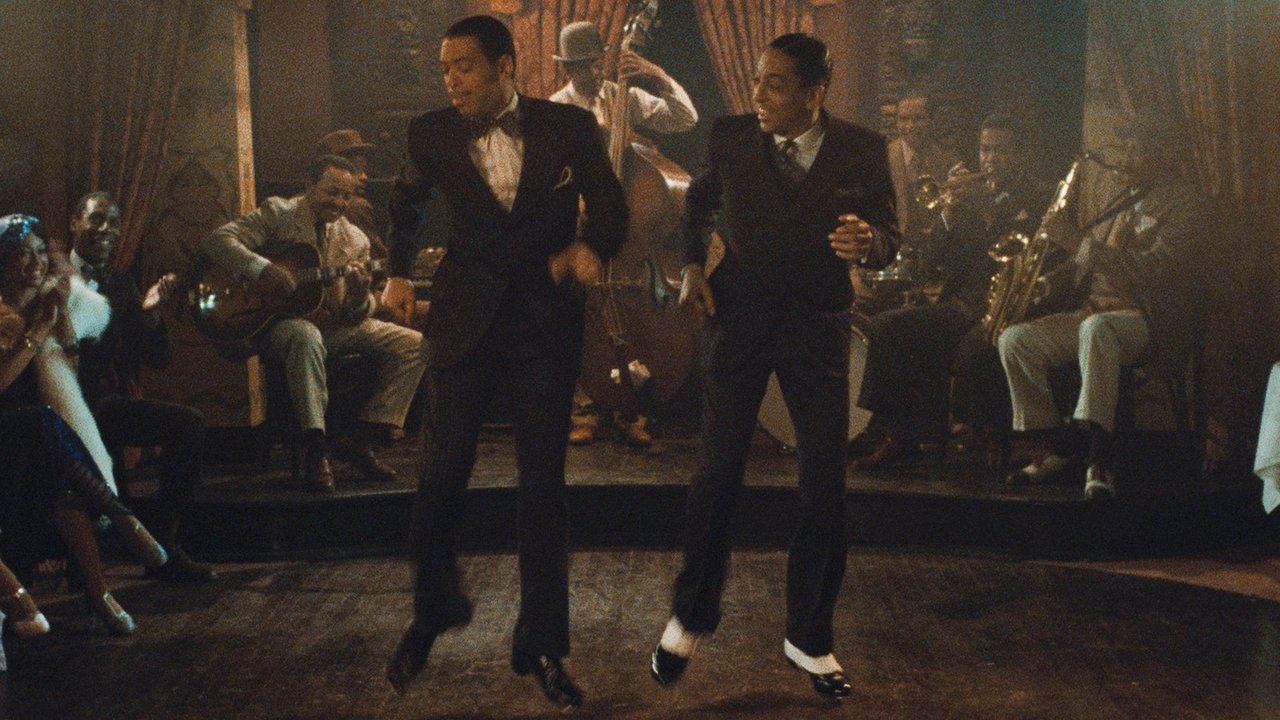
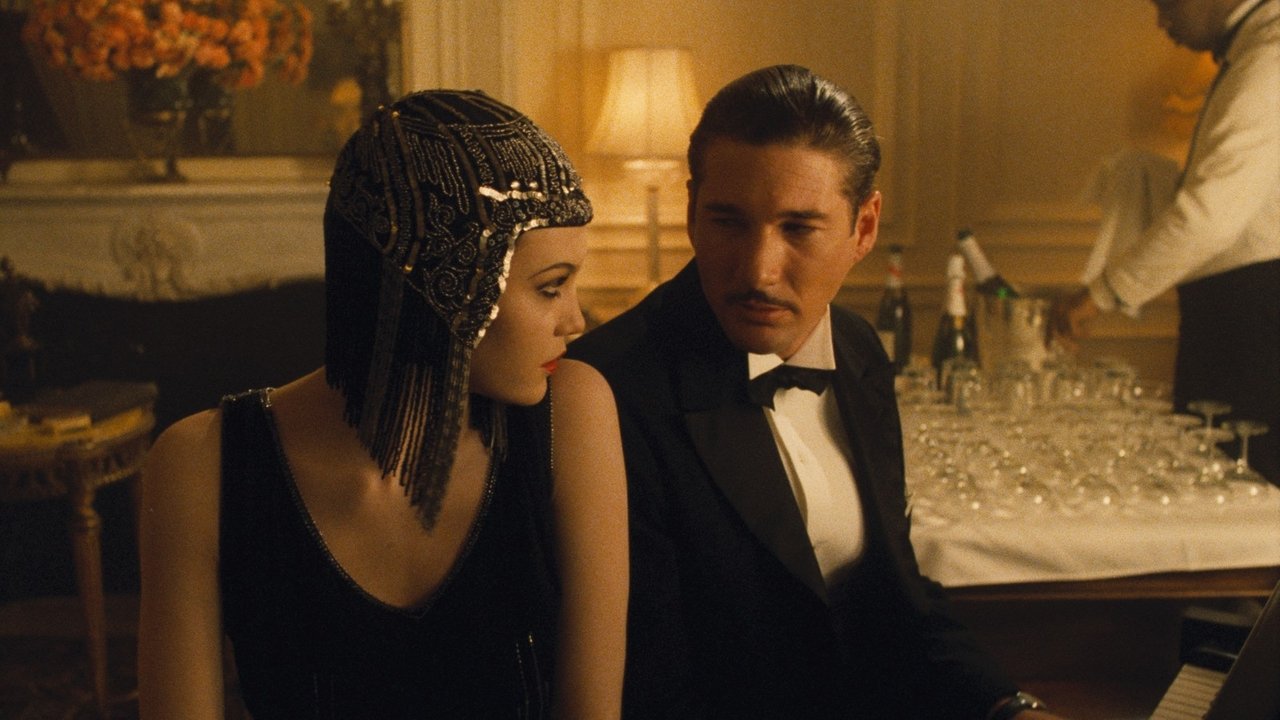
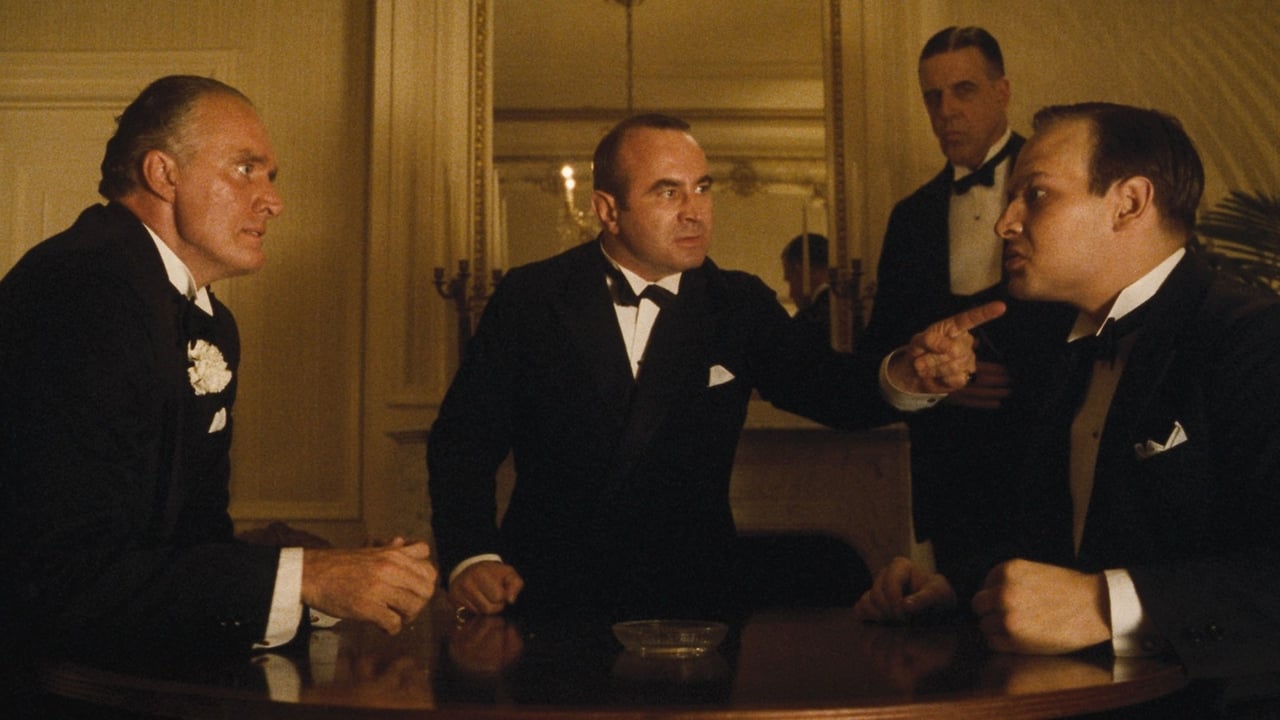
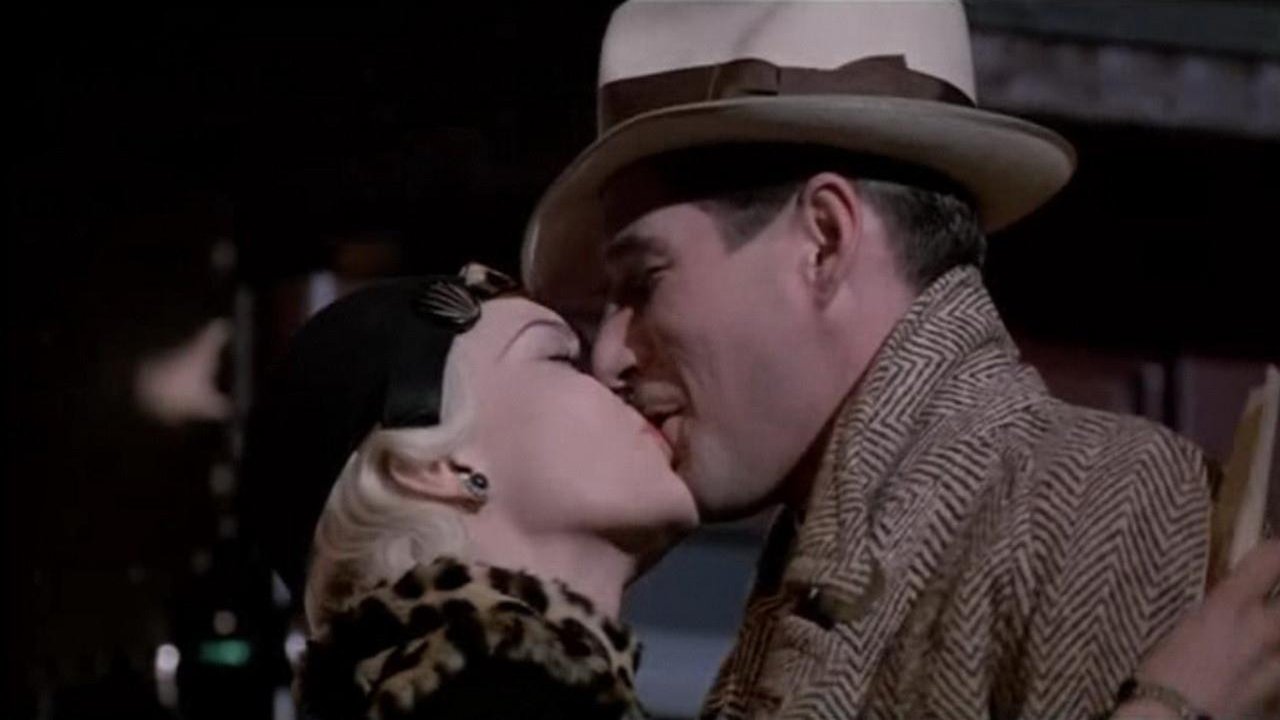
Right from the opening frames, The Cotton Club throws you headfirst into its intoxicating world. You can almost smell the bootleg gin and feel the thrum of the bass vibrating through the floorboards. Coppola, never one to shy away from grand scale (this is the man who gave us The Godfather (1972) and wrestled the jungles of Apocalypse Now (1979), after all), aimed to capture not just a story, but an entire epoch. The film juggles multiple narratives: cornet player Dixie Dwyer (Richard Gere) gets entangled with mobster Dutch Schultz (James Remar) and the gangster's alluring moll, Vera Cicero (Diane Lane); meanwhile, talented tap dancer Sandman Williams (Gregory Hines) and his brother (Maurice Hines) strive for stardom within the club's racially stratified structure, where Black performers entertained exclusively white audiences. It’s a dizzying tapestry of jazz, bullets, love, and betrayal.
But this dazzling vision came at a staggering cost, a story almost as dramatic as the one on screen. What began as a moderately budgeted period piece reportedly spiraled into a production nightmare, with the budget inflating from around $20 million to nearly $50 million (a colossal sum for the time, translating to well over $140 million today!). Tales of constant script revisions – involving Coppola himself, original novelist/screenwriter William Kennedy, and Godfather scribe Mario Puzo – and intense friction between Coppola and flamboyant producer Robert Evans became legendary Hollywood gossip. Does knowing this backstage turmoil change how we view the film? Perhaps it illuminates the film's own fragmented energy, its sometimes-jarring shifts between breathtaking musical numbers and sudden bursts of brutal violence. It feels like a film wrestling with itself, reflecting the very chaos it sought to portray.
Performances Under Pressure
Amidst the swirling narratives and production woes, the cast delivers moments of undeniable power. Richard Gere, then at the peak of his leading man status following An Officer and a Gentleman (1982), brings his signature charm and intensity to Dixie, navigating the treacherous path between musician and mob associate. His chemistry with a luminous, startlingly young Diane Lane crackles, even if their storyline occasionally feels like a familiar gangster movie trope shoehorned into the Harlem setting.
But for many, the heart and soul of The Cotton Club resides in the astonishing talent of Gregory Hines. As Sandman Williams, Hines isn't just acting; he's electrifying the screen with every tap, every movement. His dance sequences, often performed alongside his real-life brother Maurice, are simply breathtaking – a visceral expression of artistry and ambition fighting against the era's oppressive racial barriers. Hines brings a quiet dignity and burning frustration to the role, making Sandman's journey arguably the film's most compelling. It's a performance that transcends the sometimes-uneven script, reminding us what a singular talent we lost. Supporting players like the always-reliable Bob Hoskins as club owner Owney Madden and Lonette McKee as Sandman's conflicted love interest add further texture to this rich ensemble, which even features a brief, quirky turn from Coppola's nephew, Nicolas Cage.
The Spectacle of Sound and Style
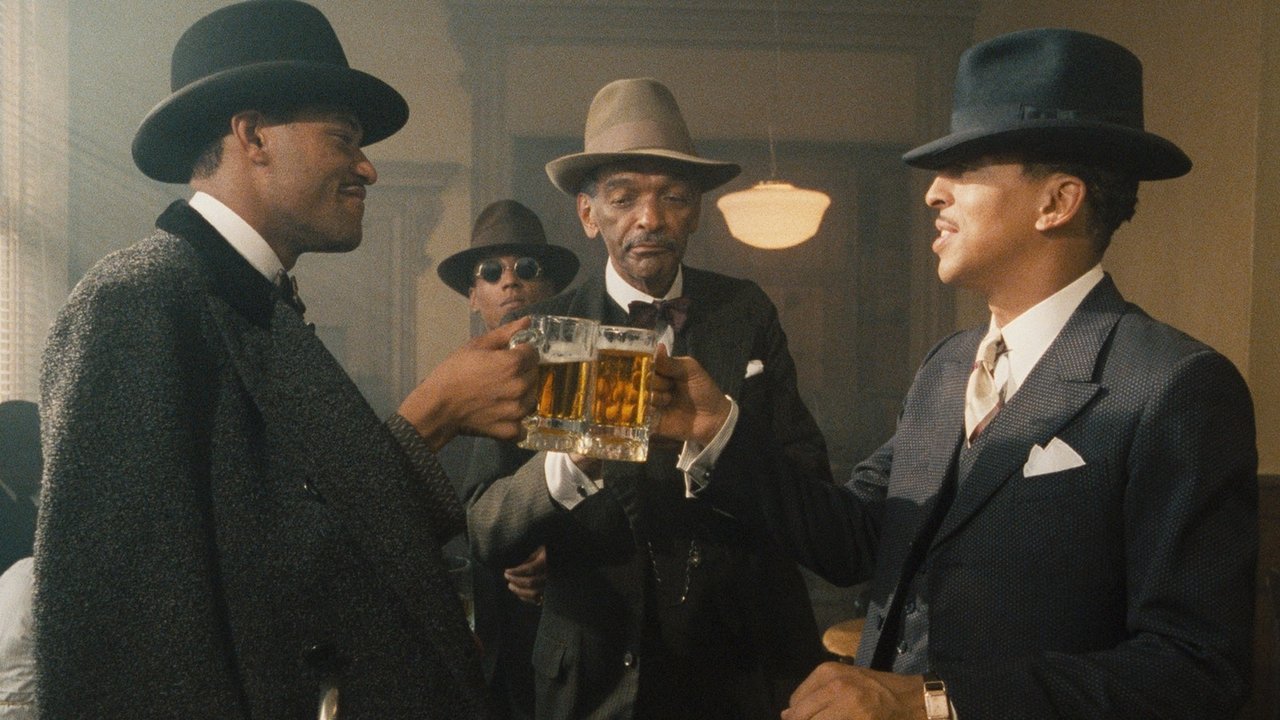
Where The Cotton Club truly excels is in its stunning recreation of the era's sights and sounds. The production design by the legendary Richard Sylbert (Chinatown, Dick Tracy) is immaculate, bringing the titular club to vibrant life. Milena Canonero's costumes are equally exquisite, perfectly capturing the Roaring Twenties' glamour and grit. And then there's the music – a intoxicating blend of Duke Ellington standards and hot jazz that forms the film's very heartbeat. The musical numbers, choreographed by Henry LeTang, are spectacular, capturing the energy and innovation of Harlem Renaissance performance. They are woven into the narrative, sometimes halting the plot, yes, but often commenting on it, contrasting the joyous abandon on stage with the darkness lurking just beyond the spotlight. These sequences alone make the film worth watching, a dazzling showcase of talent that feels both authentic and exhilaratingly cinematic.
A Flawed Gem, Rich with History
Despite its undeniable artistry, the film often struggles to fully integrate its disparate plot threads. The gangster story, while featuring some potent scenes, sometimes feels grafted onto the more unique Harlem narrative, and certain characters feel underdeveloped amidst the sprawling cast. The film wants to be both a sweeping historical epic and a gritty crime drama, and doesn't always successfully reconcile these ambitions. It attempts to grapple with the complex racial dynamics of the Cotton Club itself – a place built on Black talent for white patrons – but perhaps doesn't delve as deeply or critically as it could have.
Upon its release, The Cotton Club was met with mixed reviews and sadly underperformed at the box office, becoming something of a cautionary tale about unchecked directorial ambition and studio excess. For years, tracking down a decent VHS copy could even be a challenge, adding to its somewhat mythical, slightly elusive status among Coppola aficionados and 80s film buffs. I distinctly remember finally finding a copy at a dusty rental store, the oversized clamshell case promising a grand, forgotten epic. Coppola himself later revisited the film, releasing The Cotton Club Encore in 2019, aiming to restore footage and rebalance the narrative more towards the Harlem characters – a fascinating footnote to its already complex history.
Rating: 7/10
Why a 7? The Cotton Club is undeniably flawed. Its narrative is fractured, its focus sometimes wanders, and the weight of its troubled production is occasionally palpable on screen. Yet, it's also a film of breathtaking beauty, undeniable energy, and moments of sheer brilliance. The musical numbers are spectacular, Gregory Hines' performance is legendary, and Coppola's ambitious attempt to capture a vibrant, contradictory era is often mesmerizing. It’s a gorgeous, fascinating mess – a testament to the power of cinematic vision even when grappling with chaos. It earns its 7 for its stunning craft, unforgettable sequences, and the sheer audacity of its undertaking, even if the storytelling doesn't always hit the high notes.
It remains a captivating time capsule, not just of 1920s Harlem, but of 1980s filmmaking ambition – a reminder of a time when big, risky, adult dramas could still command massive budgets and A-list talent, even if they didn't always perfectly coalesce. What lingers most is the music, the dancing, and the ghost of what might have been – a dazzling, dangerous dream captured on celluloid.