There are films that gently entertain, offering comfort and escape, easily rewound and revisited like a favorite song. Then there are films that feel less like watching and more like enduring, films that leave a mark, etching themselves onto your memory with unsettling power. Lars von Trier's 1996 masterpiece, Breaking the Waves, unquestionably belongs to this latter, rarer category. Picking up that distinctive VHS tape, often found tucked away in the 'Drama' or 'World Cinema' section, gave little warning of the emotional tempest contained within. It wasn’t a casual Friday night rental; it was an experience that demanded your full attention, leaving you profoundly shaken long after the static snow filled the CRT screen.
A Prayer Against a Harsh Landscape
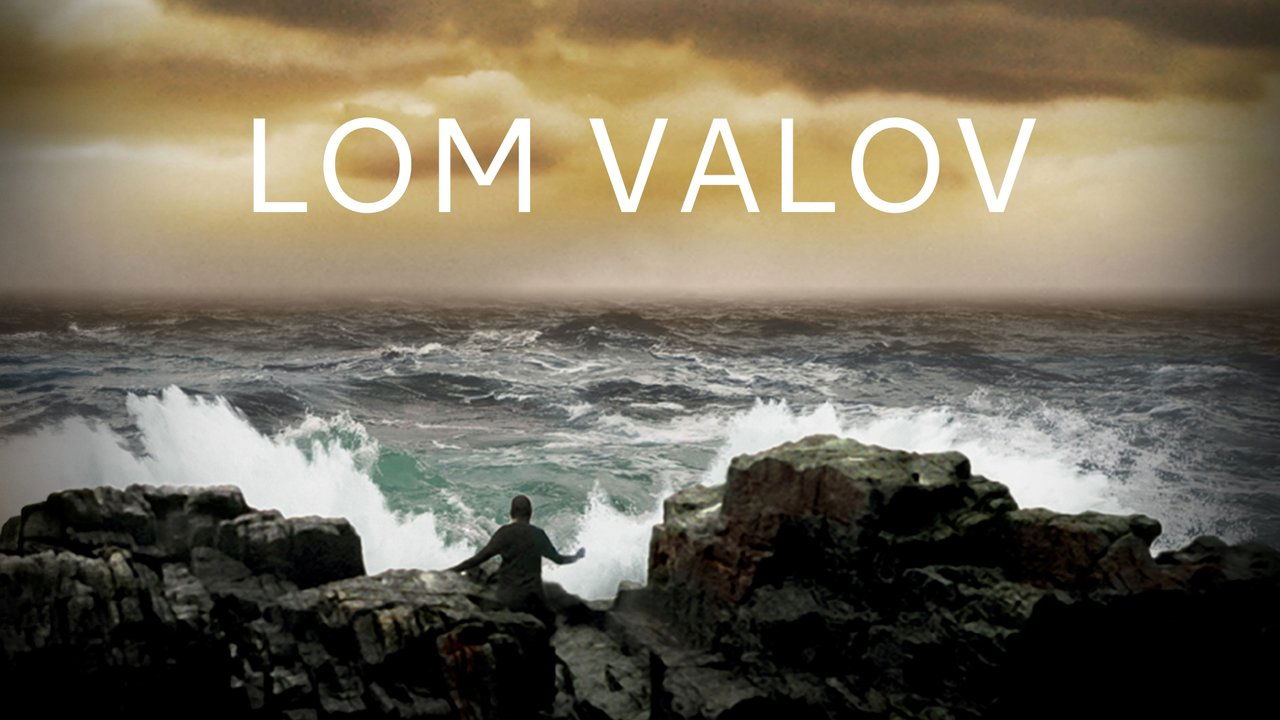
The film transports us to a remote, starkly beautiful, yet oppressively dogmatic Calvinist community on the Scottish coast in the early 1970s. It’s here we meet Bess McNeill, played by Emily Watson in a feature film debut that remains one of the most astonishing screen introductions imaginable. Bess is childlike, devout to the point of carrying on direct conversations with God, and possesses a deep, almost alarming wellspring of naive faith and unconditional love. Her world cracks open when she marries Jan Nyman (Stellan Skarsgård, already a compelling presence known for works like The Hunt for Red October (1990)), an outsider working on a nearby oil rig. Their initial happiness is passionate, almost feverish, a burst of light against the grey, judgmental backdrop of her community.
The narrative pivots sharply, tragically, when Jan suffers a catastrophic accident on the rig, leaving him paralyzed and despairing. It's from this point of devastation that the film plunges into its harrowing central conflict. Convinced it will save him, spiritually and perhaps even physically, Jan makes an extraordinary, disturbing request of Bess: that she take other lovers and recount her experiences to him. This plea forces Bess into a devastating collision course between her profound love for Jan, her deeply ingrained faith, and the harsh condemnation of her church and village.

The Weight of Unconditional Love
What follows is not easy viewing. Von Trier forces us to confront uncomfortable questions about the nature of faith, the limits of love, and the meaning of sacrifice. Is Bess a naive woman being manipulated, a martyr touched by divine grace, or something far more complex and ambiguous? The film offers no simple answers, presenting her journey with a raw intimacy that is both compelling and deeply disturbing.
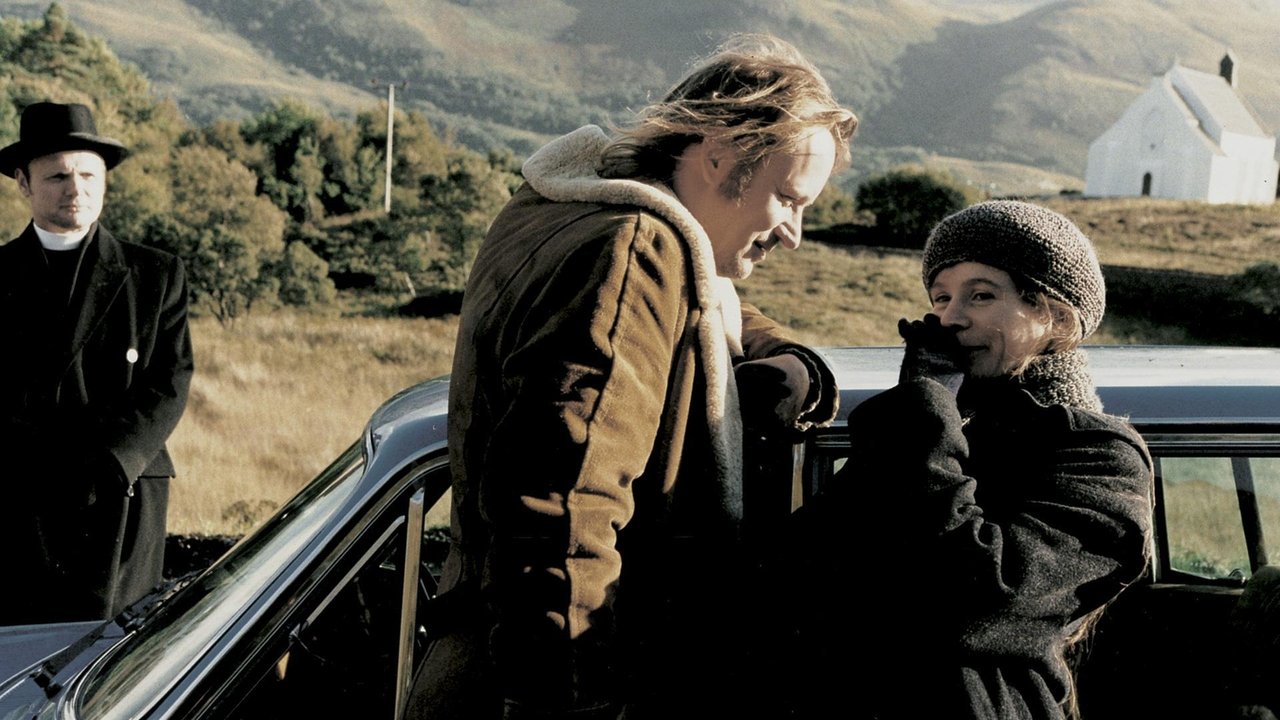
The power of Breaking the Waves rests significantly on the shoulders of its cast. Emily Watson is simply monumental. Her performance is utterly fearless, stripped bare of vanity, oscillating between radiant joy, desperate confusion, and agonizing pain. She embodies Bess's vulnerability and fierce devotion with a truthfulness that is almost unbearable to watch. You believe entirely in her conversations with God (voiced by herself in a lower register), her unwavering love for Jan, and the terrible conviction driving her actions. It’s a performance that reportedly earned her the role after Helena Bonham Carter dropped out due to the demanding sexual content – a demanding role Watson embraced with staggering commitment. Stellan Skarsgård provides a crucial anchor as Jan, his portrayal shifting from virile charm to broken desperation, making his controversial demands understandable, if not justifiable, within his shattered worldview. Supporting players, particularly Katrin Cartlidge as Bess's concerned sister-in-law Dodo, add layers of empathy and conflicting loyalties that ground the spiritual drama.

Through a Shaky Lens
Visually, Breaking the Waves was groundbreaking and divisive. Shot largely with handheld cameras, often favouring intimate close-ups, it cultivates a documentary-like immediacy, immersing the viewer directly into Bess’s turbulent emotional state. This technique, pre-dating but clearly influencing the Dogme 95 movement von Trier would later co-found, lends a rough-hewn authenticity that denies easy aesthetic pleasure. Reportedly, some of Bess's direct addresses to the camera, moments that shatter the fourth wall and implicate the viewer, were improvisations encouraged by von Trier or even added late in the editing process, further enhancing the film's unsettling directness.
Contrasting this raw visual style are the film's distinctive chapter breaks. Each segment is introduced by a title card featuring a painterly, almost kitsch landscape saturated with colour, accompanied by evocative 70s rock anthems from artists like David Bowie, Mott the Hoople, and Procol Harum. This juxtaposition is jarring – the lush, romanticised interludes offering strange pauses for breath amidst the bleak narrative, perhaps hinting at the transcendent possibilities Bess clings to, or ironically highlighting the disconnect between idealized beauty and harsh reality. Filmed on the rugged Isle of Skye, the landscape itself becomes a character – beautiful but unforgiving, mirroring the community’s rigid beliefs and Bess's internal struggles.
Echoes in the Static
Breaking the Waves was never destined for mass appeal. Its themes are heavy, its runtime considerable (over 2.5 hours), and its climax both devastating and controversially miraculous. It sparked debate upon its release, winning the Grand Prix at the Cannes Film Festival but also drawing criticism for its intense depiction of female suffering – a recurring point of discussion surrounding Lars von Trier's work. Yet, its impact is undeniable. It cemented von Trier's reputation as a provocative auteur and launched Emily Watson into a distinguished international career. For those of us who encountered it back in the VHS era, perhaps drawn by critical buzz or sheer curiosity, it remains a powerful, unforgettable piece of 90s European cinema – a film that challenges, provokes, and lingers.
It’s a film that doesn't seek to comfort, but to confront. It asks profound questions about devotion and delusion, sacrifice and exploitation, the miraculous and the mundane. What does it mean to truly believe? And what is the cost of absolute love in a world that rarely understands it?

Rating: 9/10
Justification: Breaking the Waves is a demanding, often brutal, but ultimately unforgettable cinematic experience. Its power stems from Emily Watson's transcendent, career-making performance, Lars von Trier's audacious direction, and its unflinching exploration of profound, uncomfortable themes. The film's raw style and challenging narrative aren't for everyone, preventing a perfect score, but its artistic boldness and emotional impact are undeniable, leaving a lasting impression that justifies its high rating as a significant, challenging work of 90s filmmaking.
Final Thought: Long after the VCR heads needed cleaning, the waves stirred by Bess's story continue to crash in the mind, leaving behind the salt-sting of questions about faith, love, and the bewildering price of miracles.