What if the perfect person walks into your life, ticking every box, sparking undeniable chemistry... and then casually mentions they're a time traveler from the year 2470? That's the delightful, perplexing question at the heart of Happy Accidents, a turn-of-the-millennium indie gem that landed just as the VHS era was beginning its slow fade, yet feels tailor-made for discovery on a worn rental tape. It’s a film that uses its quirky sci-fi premise not for spectacle, but to explore something far more grounded: the leap of faith required for love.
### A Romance Wound in Time (Maybe)
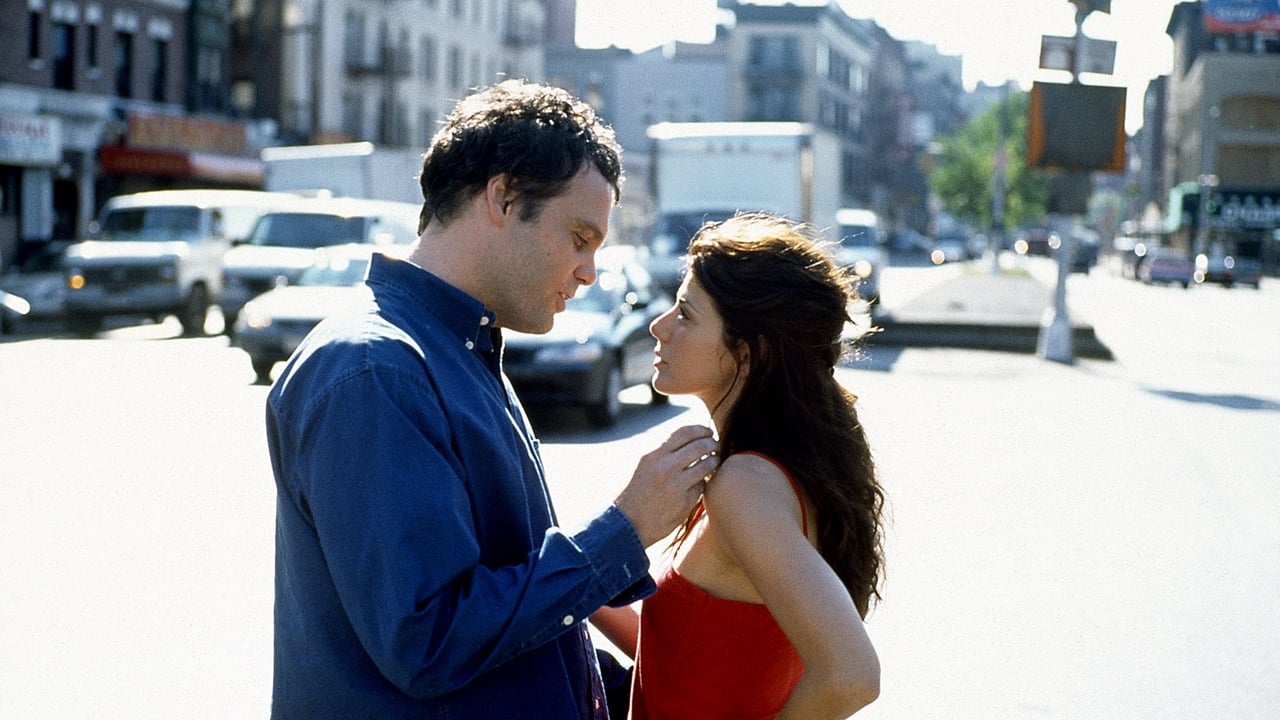
We meet Ruby (Marisa Tomei), a woman navigating the familiar landscape of post-breakup New York City. She’s smart, endearing, but decidedly wary, carrying the emotional scars of past relationships like well-worn baggage. Her friends (Nadia Dajani shines in a supporting role) offer advice, but Ruby seems stuck in a pattern. Then comes Sam (Vincent D'Onofrio). He’s awkward, intensely sincere, and utterly captivated by her. Their connection feels real, immediate, and deeply charming. But Sam has a secret, one he eventually shares with a disarming lack of fanfare: he’s a “back-traveler,” stranded in our time, originally hailing from Dubuque, Iowa, circa 2470.
Is he delusional? A pathological liar? Or could he possibly be telling the truth? Brad Anderson, pulling double duty as writer and director here, masterfully walks this tightrope. He grounds the potentially outlandish story firmly in Ruby’s perspective. We experience Sam through her hopeful yet deeply skeptical eyes. Her journey from bewildered dismissal to cautious consideration, and maybe even belief, forms the emotional core of the narrative.
### Anchors in a Sea of Strangeness
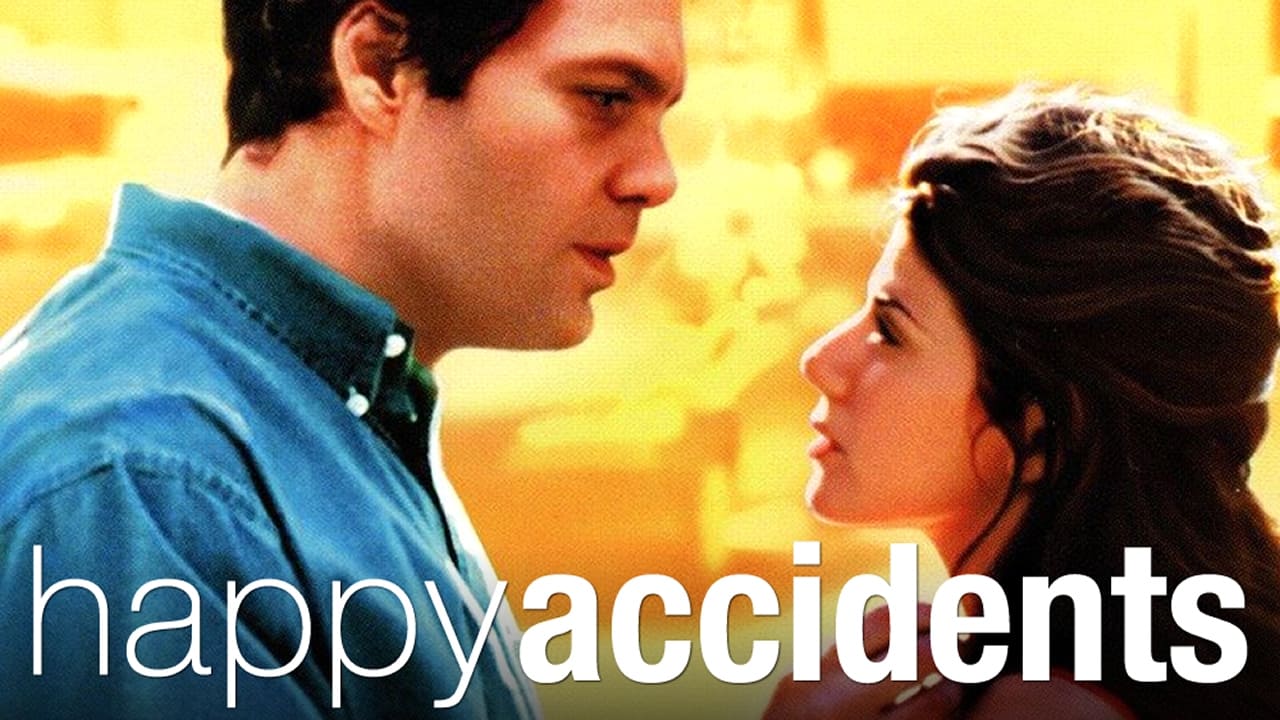
The film absolutely hinges on its two leads, and thankfully, they are phenomenal. Marisa Tomei, fresh off a string of strong performances in the 90s (who could forget her Oscar-winning turn in My Cousin Vinny (1992)?), is pitch-perfect as Ruby. She radiates warmth and vulnerability, making Ruby’s romantic fatigue and cautious optimism utterly relatable. You feel her internal struggle, the desire to believe warring with years of accumulated cynicism. It’s a performance that anchors the entire film, preventing it from drifting into pure whimsy.
Opposite her, Vincent D'Onofrio delivers one of his most uniquely captivating performances. Known often for his intense, sometimes unsettling characters (think Full Metal Jacket (1987) or later, Law & Order: Criminal Intent), here he channels that intensity into an endearing, almost childlike sincerity. Sam is odd, certainly, his mannerisms slightly out of sync with our time, but D'Onofrio plays him with such conviction and guileless charm that you want to believe him. The chemistry between Tomei and D'Onofrio is the film's secret weapon – it’s palpable, quirky, and feels genuinely earned. Their scenes together are a delight, crackling with witty banter and quiet moments of connection.
### Indie Spirit, Big Heart
Shot on a modest budget (reportedly around $2 million) primarily on location in New York City, Happy Accidents possesses that distinct late-90s/early-2000s indie film aesthetic. There’s a lived-in quality to the settings, a focus on character over spectacle. This wasn't a film destined for blockbuster status – its box office run was minimal, solidifying its place as more of a cult favorite discovered later on home video or cable. I distinctly remember catching it late one night, probably on IFC or Sundance Channel, and being completely drawn into its strange, sweet world.
It’s fascinating to see this coming from Brad Anderson, who just a year later would direct the deeply unsettling psychological horror film Session 9 (2001) and later the harrowing The Machinist (2004). Happy Accidents showcases a lighter, warmer side of his directorial personality, proving his versatility. He handles the blend of romance, comedy, and sci-fi with a surprisingly deft touch. The time travel elements are treated matter-of-factly, integrated through Sam’s anecdotes about the future – some mundane, some poignant, all delivered with that unwavering earnestness. The film wisely doesn't get bogged down in complex temporal mechanics; the "how" is less important than the "what if."
One interesting tidbit: Anderson apparently wrote Sam's dialogue imagining someone trying to speak English after primarily learning it from historical records, adding another layer to D'Onofrio's slightly off-kilter delivery. It's these small details, born perhaps from indie filmmaking necessity, that lend the film its particular charm.
### Does the Truth Matter?
Ultimately, Happy Accidents isn't really about time travel. It uses the concept as a metaphor for the inherent weirdness and risk of falling in love. Do you trust this person, even when their story sounds impossible? Can you take that leap, accepting them baggage and all – even if that baggage includes a potential one-way ticket from the 25th century? The film explores themes of faith, trust, and the stories we tell ourselves (and others) to make sense of our lives and connections. It asks whether the "truth" of Sam's origin is less important than the truth of their feelings for each other. What lingers after the credits roll is not necessarily the resolution of the sci-fi mystery, but the resonance of that central human dilemma.
***
Rating: 8/10
This rating feels earned due to the exceptional, perfectly pitched performances from Tomei and D'Onofrio, whose chemistry elevates the entire film. Brad Anderson's clever script and direction successfully balance multiple tones, creating a unique and heartfelt indie romance. While its low budget is occasionally apparent and the pacing might meander slightly for some, its charm, wit, and thoughtful exploration of trust make it a standout from its era.
Happy Accidents remains a delightful discovery, a reminder that sometimes the most compelling stories are found not in grand spectacle, but in the quiet, strange, and wonderful ways people connect. It captures that specific, hopeful indie spirit of the time – a perfect find for a reflective evening, maybe pulled from a dusty shelf, real or remembered.