Alright, fellow tape travelers, slide that slightly worn cassette out of its cardboard sleeve. Remember that distinctive clunk as it settled into the VCR? Let’s talk about a sequel that arrived faster than you could say "rewind" – 1990's Look Who's Talking Too. Fresh off the surprise monster success of the original just a year prior, TriStar Pictures understandably wanted to keep the baby-voiced gravy train rolling. But could lightning strike twice, even with Bruce Willis back behind the tiny mic?
### Double the Diapers, Double the... Gags?
The first film was a charming, unexpected hit – John Travolta’s comeback was cemented, Kirstie Alley radiated harried maternal energy, and the whole talking-baby gimmick, voiced with street-smart cynicism by Willis, felt novel. Director/writer Amy Heckerling, who had already proven her knack for sharp observation with Fast Times at Ridgemont High (1982), caught lightning in a bottle. You could practically feel the studio pressure: "More! Faster! Now with two babies!"
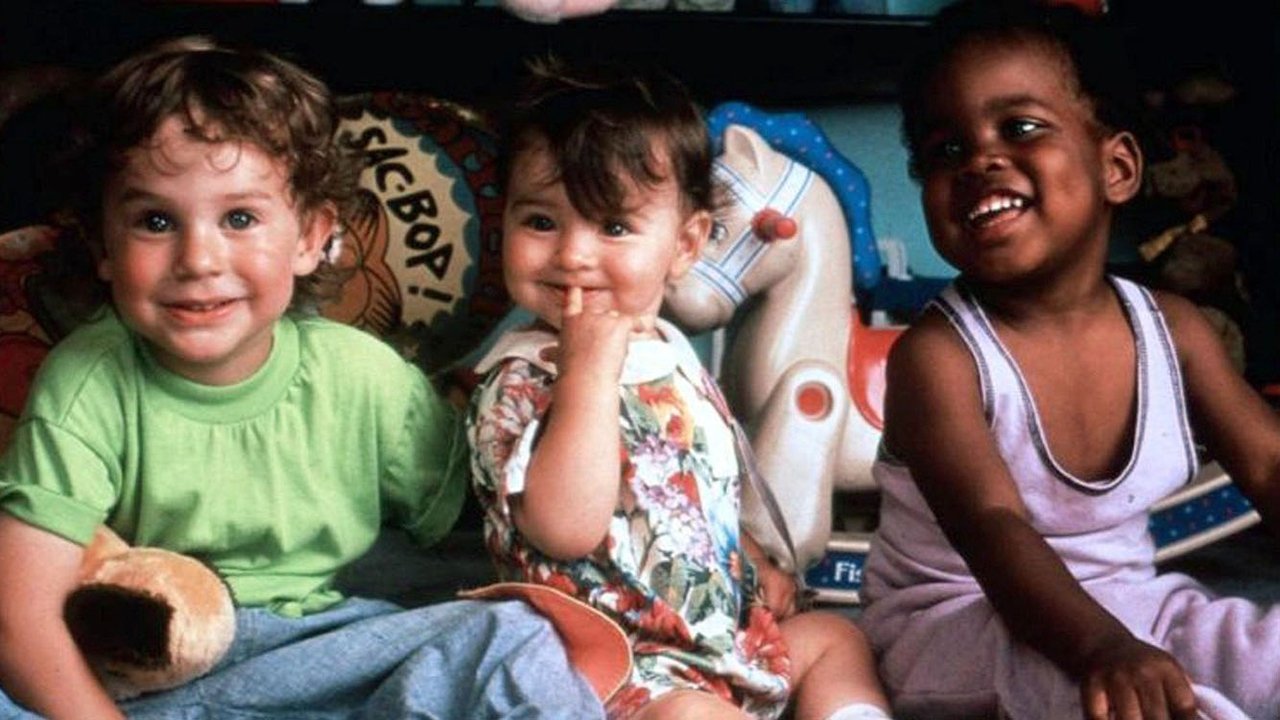
And so, we rejoin Mollie (Alley) and James (Travolta), now married and navigating the chaotic reality of adding a baby sister, Julie, to the mix. This time, Julie gets her own inner monologue, voiced with trademark sass by the reigning queen of 90s primetime sitcoms, Roseanne Barr. Cue the sibling rivalry, potty training woes, and parental exhaustion, all filtered through the internal thoughts of toddlers – a concept already starting to feel a little less fresh the second time around.
### Still Got the Moves?
Let's be fair, John Travolta and Kirstie Alley still have that easy chemistry. They look great, they play off each other well, and you believe them as this slightly frazzled but fundamentally affectionate couple trying to keep it all together. Travolta gets a few moments to remind us of his charm, even if his character arc mostly involves reacting to baby-related crises. Alley, likewise, grounds the absurdity with a relatable portrayal of motherhood's less glamorous side. We also get the welcome return of Olympia Dukakis as Mollie's scene-stealing mother, Rosie, and Elias Koteas joins the fray as Mollie’s somewhat aimless brother, Stuart, adding another layer of domestic chaos.
Amy Heckerling returned to direct and co-write (this time with Neal Israel, known for Police Academy (1984) and Real Genius (1985)), but some of the sparkle feels a bit diluted. Where the first film managed a surprisingly deft balance of sweet sentiment and genuinely funny adult observations filtered through a baby's perspective, the sequel often leans harder on broader, more predictable gags. The introduction of Mikey's little friend Eddie, voiced by Damon Wayans, feels like an attempt to inject more comedic energy, but it adds to a slightly overstuffed feeling.

A little retro fun fact: while the first Look Who's Talking was made for a lean $7.5 million and exploded into a $140 million domestic phenomenon (that's like, $300 million today!), the sequel's budget ballooned (though exact figures are hard to pin down, likely higher) and its domestic take cooled significantly to around $47.8 million. Still profitable, sure, but the magic wasn't quite as potent. You could almost hear the studio breathing a sigh of relief rather than popping champagne.
### The Joke Starts to Crawl
The core issue, perhaps inevitably, is gimmick fatigue. Hearing Bruce Willis's world-weary voice come out of a toddler was hilarious the first time. Adding Roseanne Barr’s distinctively brassy tones for Julie creates some funny moments initially, particularly their bickering rivalry. Remember how wild it seemed back then, hearing those voices attached to cute babies? But the film struggles to find new territory for the concept. Much of the humor revolves around potty training jokes, Mikey's "terrible twos" phase, and generic sibling squabbles. It lacks the narrative drive of the first film's central romance.
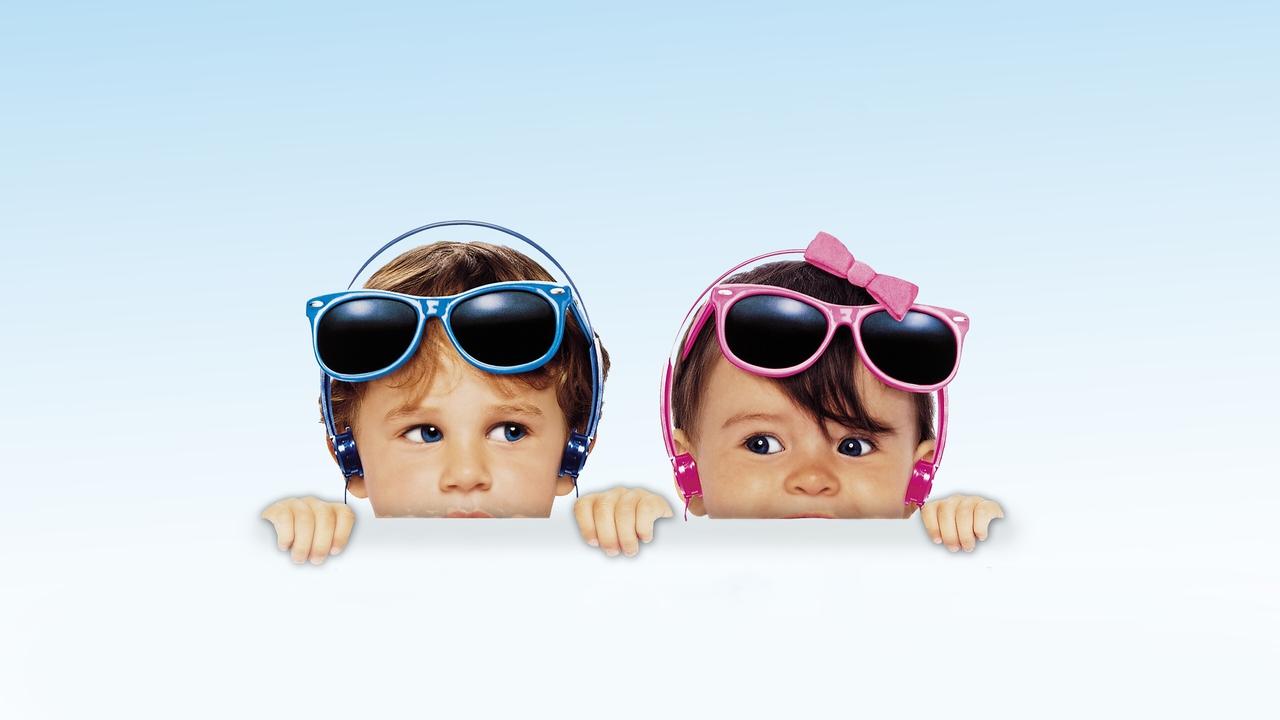
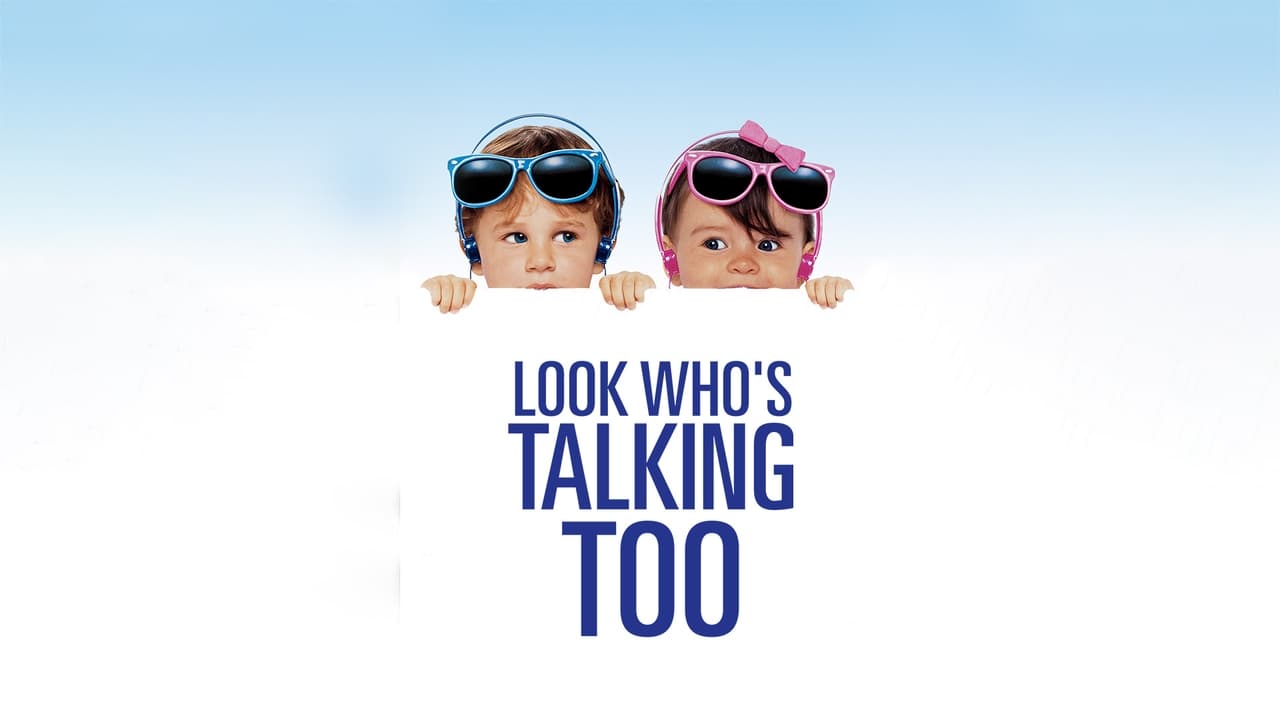
The visual style is pure early 90s – the slightly oversized clothes, the specific decor choices in Mollie and James' apartment. Watching it now feels like flipping through a time capsule catalog. There's a certain comfort in its familiarity, even if the jokes don't land quite as sharply as they might have when you were sneaking downstairs to watch it late on a Friday night after your parents thought you were asleep. I distinctly remember the bright pink and blue cover art jumping out from the shelf at Blockbuster – it was practically unavoidable for a while there.
### Final Reel

Look Who's Talking Too isn't a bad movie, especially by the sometimes-dubious standards of quick-fire comedy sequels. It retains some of the charm of its predecessor, largely thanks to the likable leads and the inherent cuteness factor. But the central premise feels stretched thin, and the script doesn't quite recapture the witty spark that made the original such a delightful surprise. It's like getting the same enjoyable meal twice in a row – still tasty, but missing the excitement of the first bite.
Rating: 5/10 - The score reflects a perfectly adequate, if uninspired, sequel that coasts heavily on the goodwill and formula of the original. Travolta and Alley remain appealing, and there are chuckles to be had, but the novelty has worn off, leaving a pleasant but ultimately forgettable early 90s family comedy.
Final Thought: A quintessential example of a studio striking while the iron was hot, Look Who's Talking Too is pure VHS-era comfort food – maybe not as satisfying as the first course, but sometimes, you just wanted another helping of talking babies.