Okay, let's dim the lights, maybe adjust the tracking just a bit, and slide this one into the VCR... even though, technically, 2000 pushed us right to the edge of the VHS era, Meet the Parents absolutely dominated rental store shelves and felt like the perfect, excruciating capstone to a decade of evolving comedy. Forget jump scares; this movie delivered squirm scares, tapping into that primal fear of not measuring up in the eyes of your significant other's family. And it did so with a cast that felt like a brilliantly weird science experiment.
### That Sinking Feeling
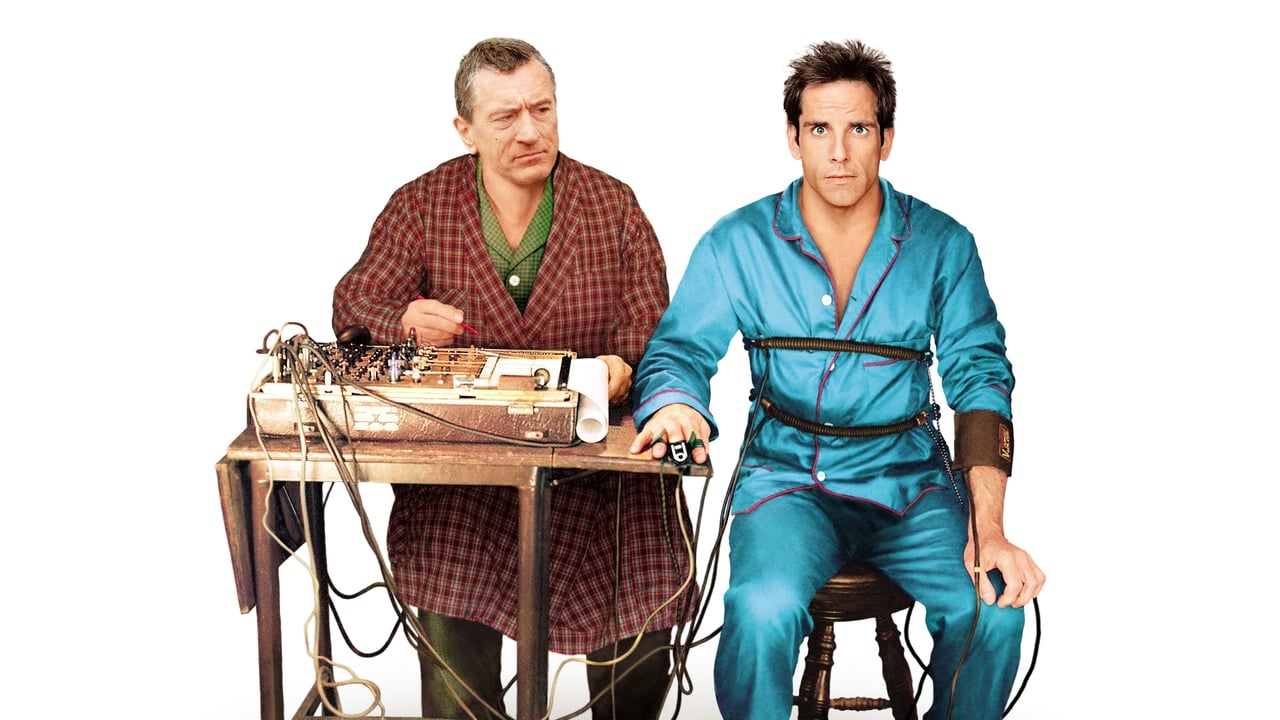
Remember that feeling? You're trying so hard to make a good impression, but every single thing you do, every word you utter, somehow conspires to make you look like a complete and utter buffoon? Ben Stiller weaponized that feeling as Greg Focker (and yes, we all snickered at the name). He wasn't just awkward; he was a walking, talking catastrophe magnet, a nice guy seemingly cursed by the gods of social faux pas. What makes Meet the Parents spark isn't just slapstick; it's the horrifying relatability of Greg's plight. We've all had moments where we desperately wished the ground would swallow us whole during a family gathering, but Greg seems to live there permanently for one weekend. It’s a testament to Stiller’s talent for grounded panic that we root for him even as we're covering our eyes. Interestingly, before Stiller landed the role, Jim Carrey was attached to star and apparently even contributed the idea of the surname "Focker," sensing its inherent comedic potential – or perhaps, its potential for maximum parental disapproval.
### The Unblinking Eye of Judgment
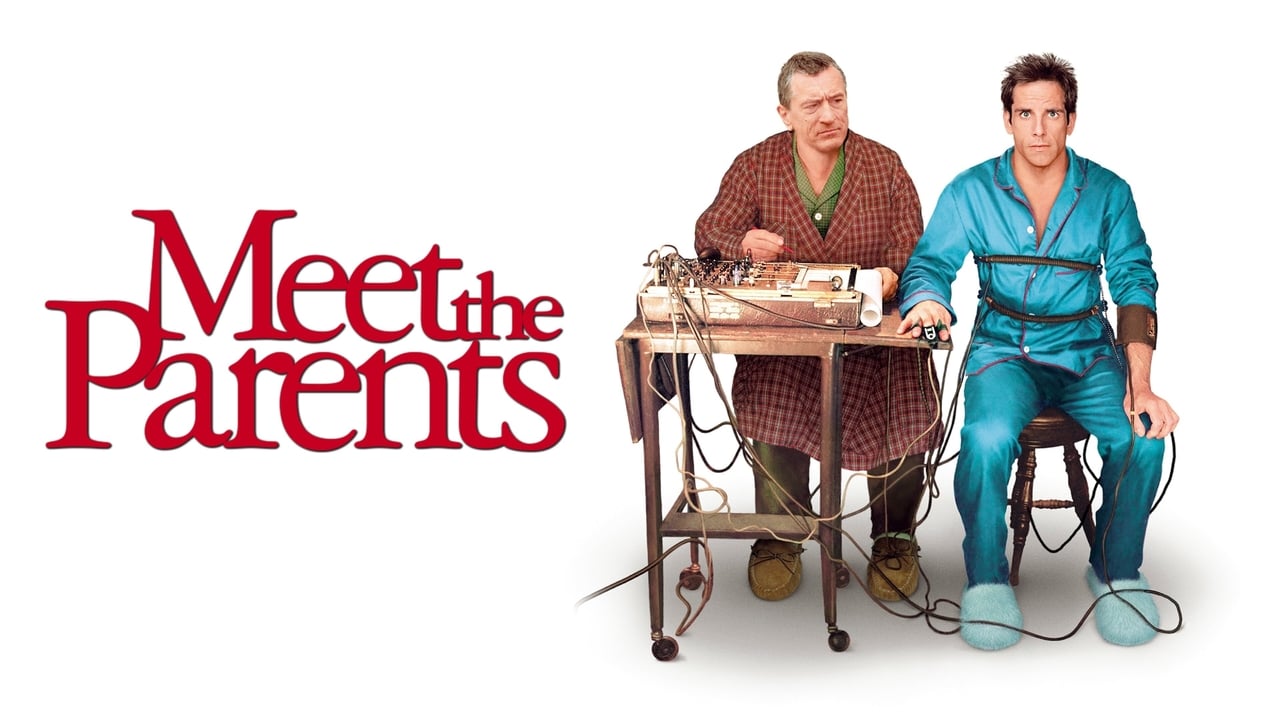
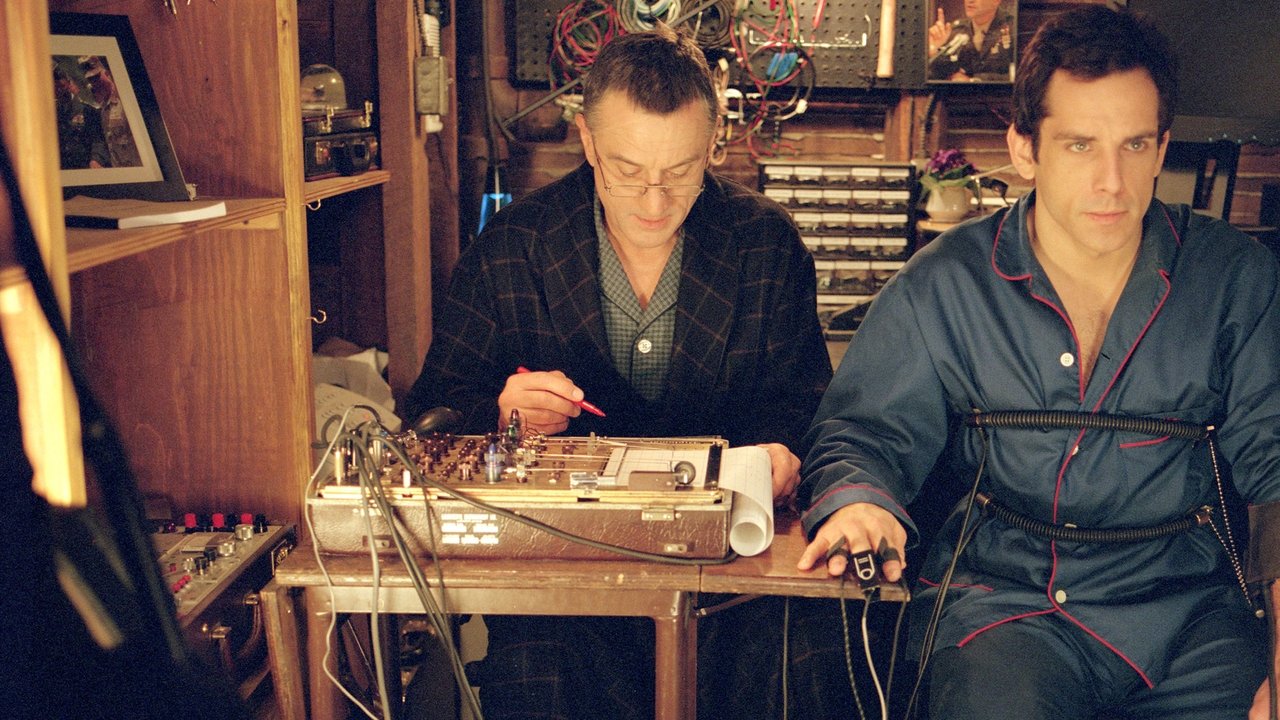
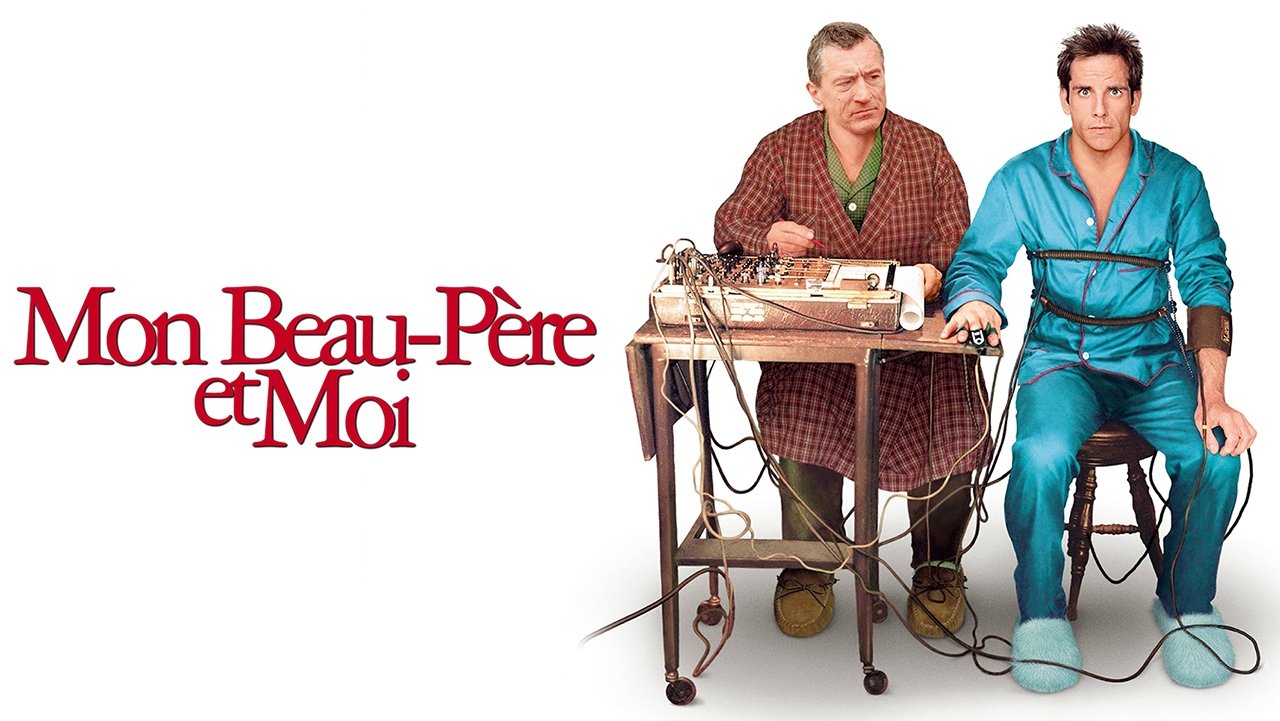
And then there's Jack Byrnes. Casting Robert De Niro, fresh off lampooning his tough-guy image in Analyze This (1999) but still very much the Robert De Niro of Taxi Driver and Raging Bull, was a stroke of genius. He wasn't just playing a protective dad; he was playing an ex-CIA operative whose scrutiny felt less like fatherly concern and more like a deep-cover interrogation. That deadpan stare, the way he delivers lines like "I will bring you down, I will bring you down to Chinatown," with chilling conviction – it's comedic gold precisely because it's De Niro. Retro Fun Fact: De Niro took the role seriously, even researching polygraph techniques to make the infamous lie detector scene feel more authentic. He reportedly improvised much of Jack's intense questioning, adding to Stiller's genuinely flustered reactions. It was also De Niro who insisted Jack’s seemingly innocuous profession as a florist should be paired with his CIA background, layering the character with that perfect blend of suburban normality and unnerving intensity.
### A Symphony of Awkwardness
Director Jay Roach, already riding high from the Austin Powers phenomenon, knew exactly how to orchestrate the escalating chaos. It wasn't just one big disaster; it was a series of small, excruciating incidents that snowballed into an avalanche of humiliation. The spilled ashes of Grandma Byrnes, the volleyball game to the face, the unfortunate saga of Jinx the cat (played by multiple feline actors, by the way, adding its own layer of on-set complexity) – each moment builds on the last, tightening the screws on poor Greg. Roach lets the awkward silences hang just long enough, lets the camera linger on Stiller's mortified face, milking the cringe for all its worth. Retro Fun Fact: Much of Stiller's performance, particularly his stammering and physical discomfort around De Niro, stemmed from genuine reactions encouraged by Roach. During the scene where Jack analyzes the lyrics of "Puff the Magic Dragon," Stiller was reportedly struggling to keep a straight face opposite De Niro's intense, bizarre interpretation. That authenticity bleeds through the screen.
### More Than Just a Two-Man Show
While Stiller and De Niro are the obvious main event, the supporting cast is crucial. Teri Polo as Pam Byrnes provides the essential heart and the buffer (often ineffective) between her fiancé and her father. Blythe Danner is perfectly cast as the warmer, more eccentric Dina Byrnes. And who could forget Owen Wilson as Kevin Rawley, Pam's seemingly perfect, ridiculously wealthy, wood-carving ex-boyfriend? Wilson steals every scene he's in, delivering his lines with that signature laid-back charm that somehow makes him even more infuriating to Greg. It's also worth noting the film itself is a remake – Retro Fun Fact: Meet the Parents started life as a 1992 low-budget independent film written and directed by Greg Glienna. Universal snapped up the remake rights, and after various writers and directors (including Steven Soderbergh at one point showing interest), it landed with Roach, Stiller, and De Niro, becoming the $330 million global smash (on a $55 million budget) that few remembered had humbler origins.
### The Verdict
Meet the Parents wasn't trying to reinvent the wheel, but it perfected a specific recipe: take a universally relatable fear, cast it brilliantly (especially the inspired Stiller/De Niro pairing), and then just keep turning up the heat until the audience is laughing and groaning in equal measure. The jokes still land, largely because they're rooted in character and situation rather than just pop culture references (though the "Focker" name itself certainly felt like a product of its slightly edgier comedic time, causing some documented tussles with the MPAA for that PG-13 rating). It tapped into the zeitgeist of early 2000s comedy, proving that sometimes the most effective scares are the social ones.
Rating: 8/10
Justification: The score reflects the film's near-perfect execution of its cringe-comedy premise, anchored by iconic performances from Stiller and De Niro. It masterfully builds tension and humour through relatable situations, even if some gags feel a bit broad by today's standards. It loses a couple of points for occasional predictability in its comedic set-pieces and a third act that leans slightly more into conventional resolution than the preceding awkwardness might suggest, but its core comedic engine remains incredibly effective and influential.
Final Thought: This flick wasn't about explosions or car chases, but the sheer, sustained comedic tension felt just as gripping – a masterclass in making audiences squirm with delight, cementing its place as the benchmark for meeting-the-in-laws nightmares on screen. Still painfully funny today.