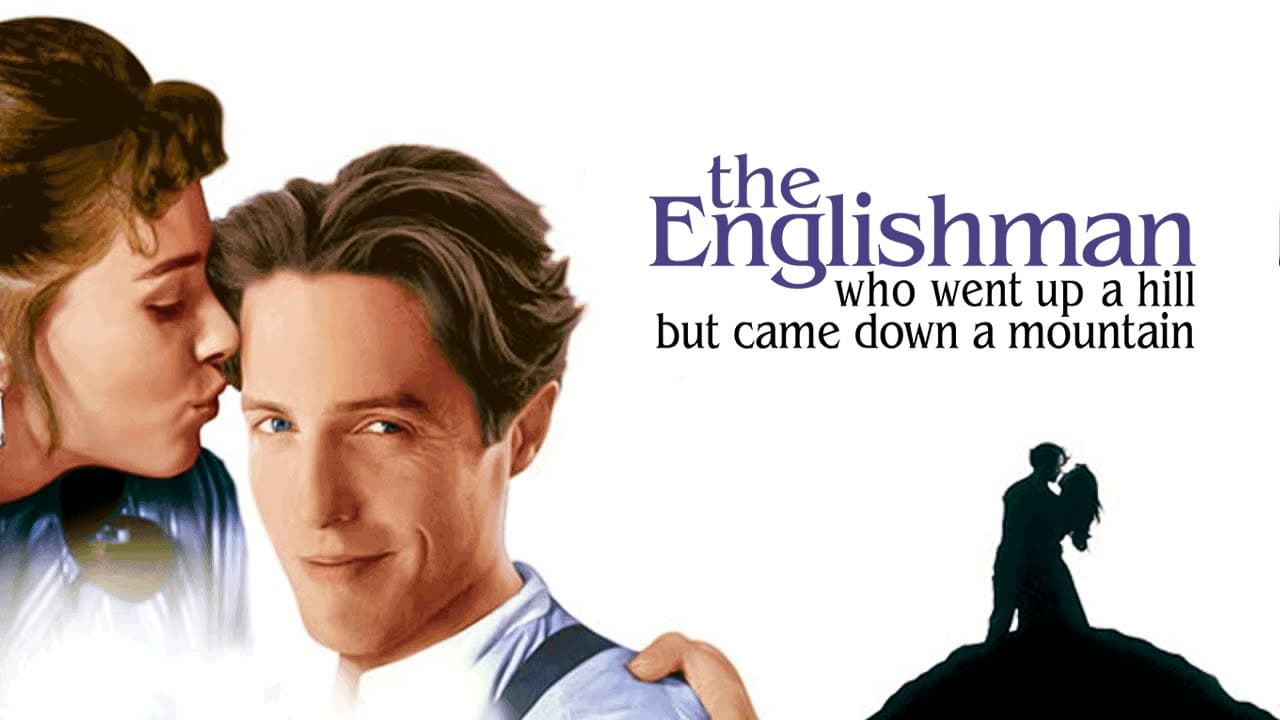
It boasts perhaps one of the most wonderfully specific titles to ever grace a VHS box, practically telling you the whole story before you even hit play. Yet, The Englishman Who Went Up a Hill But Came Down a Mountain (1995) holds a charm far richer than its quirky premise might suggest. Tucked away on the rental shelves, often nestled between bigger British hits of the era, this film felt like discovering a hidden gem – a warm, funny, and utterly delightful tale about community, pride, and the surprising importance of a few feet of earth.
A Question of Altitude, A Matter of Pride
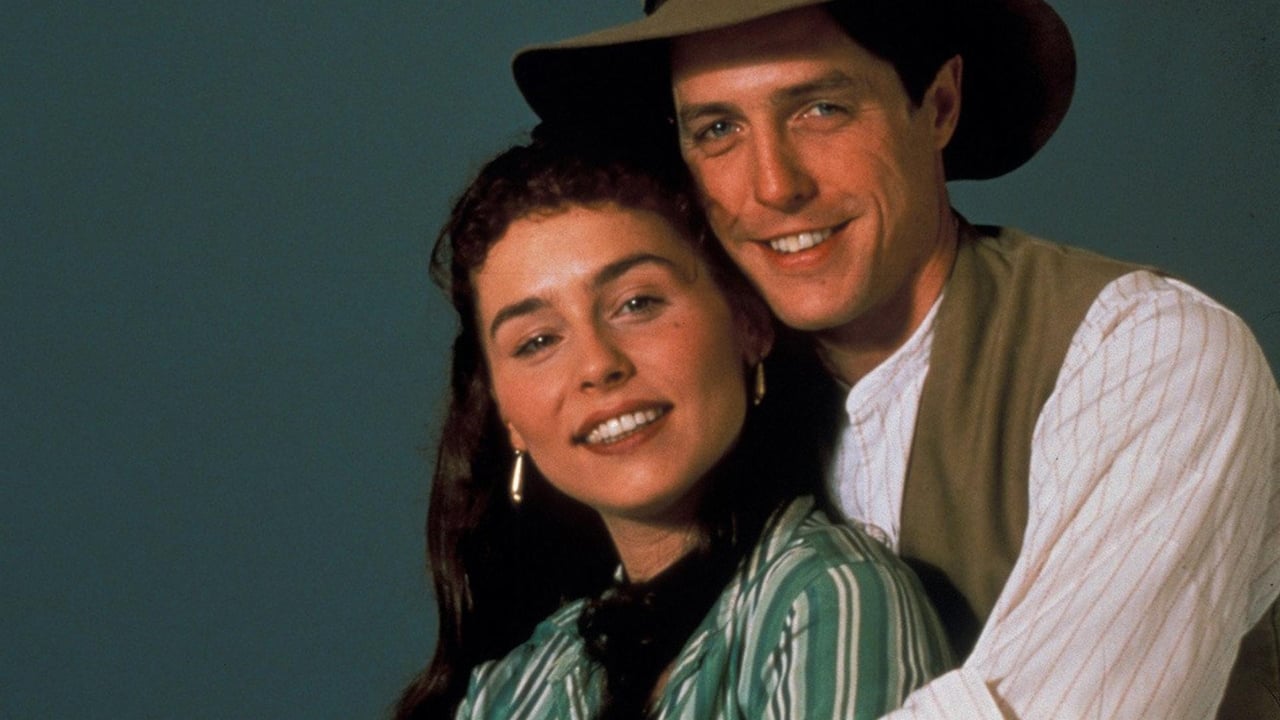
The setup is deceptively simple, arriving with the quiet efficiency of the two men at its center. It’s 1917, and stiff-upper-lipped English cartographers Reginald Anson (Hugh Grant) and George Garrad (Ian McNeice) arrive in the small Welsh village of Ffynnon Garw. Their task? To measure the local peak, proudly considered a mountain by the fiercely parochial inhabitants. The devastating news soon follows: Ffynnon Garw falls just short of the 1,000 feet required for official mountain status. It’s merely a hill. To the villagers, led by the rascally Morgan the Goat (Colm Meaney) and the pragmatic Reverend Jones (Kenneth Griffith), this isn't just a geographical classification; it's an affront to their identity, their history, their very souls. What unfolds is a wonderfully Ealing-esque comedy of gentle defiance, as the entire village conspires to delay the Englishmen's departure just long enough to... well, make their hill grow.
Charm Offensive, Welsh Style
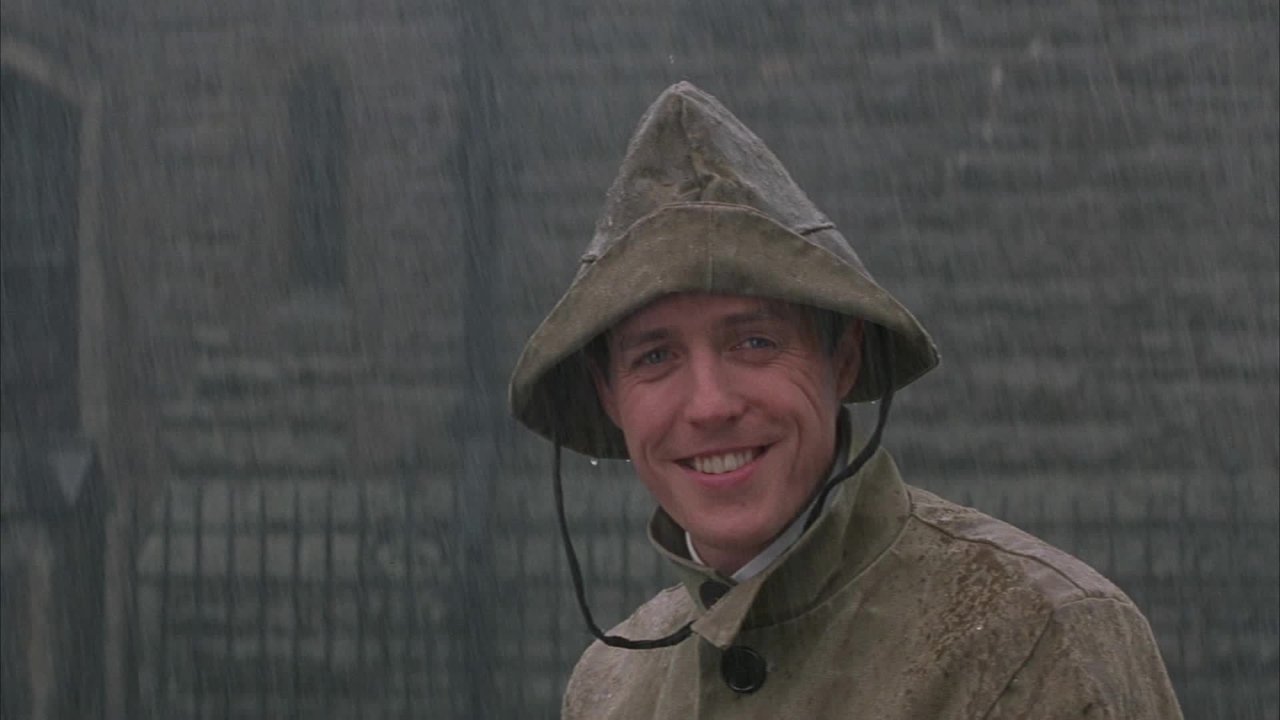
At the heart of this charming plot is Hugh Grant, delivering a performance that perfectly captured his mid-90s cinematic persona. Fresh off the monumental success of Four Weddings and a Funeral (1994), Grant’s Anson is endearingly awkward, initially bewildered by the passionate eccentricity of the Welsh locals, but gradually won over by their spirit (and, naturally, by the lovely local lass, Betty from Cardiff, played with spirited intelligence by Tara Fitzgerald). Grant’s character arc, from detached surveyor to sympathetic participant, provides the film’s emotional anchor. Alongside him, Colm Meaney is simply magnificent as Morgan the Goat, embodying the stubborn, mischievous heart of the village. His interactions crackle with a humour born not of witty repartee, but of deeply felt, slightly irrational conviction. The supporting cast, a veritable who's who of wonderful character actors, truly brings the village to life, making their collective mission feel both absurd and utterly vital.
Retro Fun Facts: More Than Just a Tall Tale
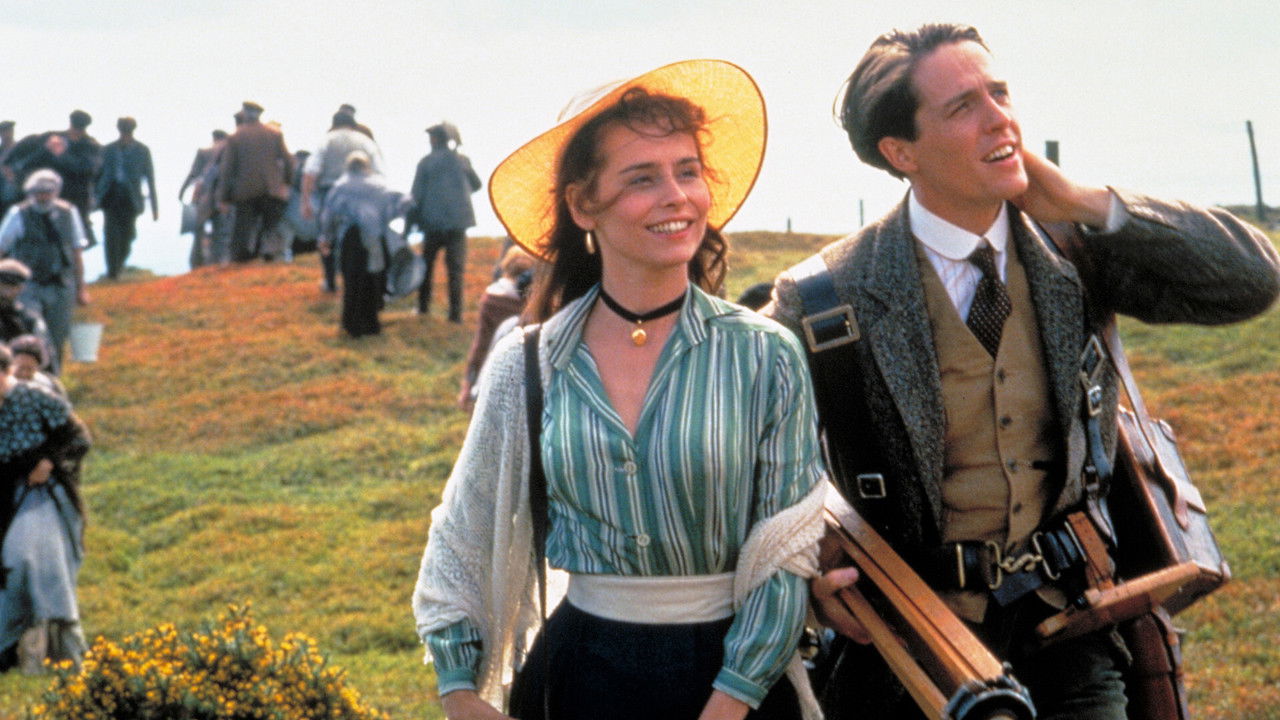
What makes Englishman resonate beyond its simple premise is the genuine warmth baked into its creation. Director and writer Christopher Monger based the story on tales he heard from his own grandfather about the real village of Taff's Well and its nearby peak, Garth Hill, during the WWI era. Monger had actually penned the script years earlier, in the 1970s, letting it simmer until the timing – and perhaps the rise of a certain floppy-haired star – felt right. Filming took place not in Taff's Well itself, but primarily in the stunning landscapes around Llanrhaeadr-ym-Mochnant in Powys, Wales, beautifully captured by cinematographer Vernon Layton. You can almost feel the damp air and smell the peat smoke.
Released by Miramax in the US, the film capitalized on the burgeoning American appetite for quirky British comedies, though its modest $6 million budget yielded a respectable, if not spectacular, $11 million or so at the domestic box office. It wasn't aiming for blockbuster status; its ambitions were as grounded and heartfelt as the villagers themselves. There's a lovely meta-narrative here too – the film depicts a community physically building something to achieve their goal, a charmingly practical effect mirroring the very essence of old-school filmmaking itself.
Why We Still Climb This Hill (or Mountain)
Watching Englishman today feels like slipping into a comfortable old jumper. It moves at a gentler pace than many modern comedies, allowing the characters and the atmosphere to breathe. There's a genuine sweetness to the burgeoning romance between Anson and Betty, and the film celebrates community spirit without ever becoming saccharine. The humour is gentle, observational, and deeply rooted in character. It reminds us of a time when films could be built around such a wonderfully simple, human-scale conflict. Did we all secretly root for them to pile that dirt high enough? Absolutely. There’s something profoundly satisfying in their collective, slightly bonkers endeavour.
The score by Stephen Endelman perfectly complements the mood, blending pastoral themes with a touch of poignant melancholy reflecting the wartime setting. It’s a film that doesn’t shout for attention but earns your affection through its sheer, unpretentious likeability.
VHS Heaven Rating: 8/10
This score reflects the film's enduring charm, wonderful performances, and its success in capturing a specific, gentle form of comedic storytelling. It's not a complex film, nor does it try to be. Instead, The Englishman Who Went Up a Hill But Came Down a Mountain delivers exactly what its delightful title promises: a heartwarming, funny, and beautifully realized tale about the things – however small or seemingly silly – that truly matter to a community. It may technically depict a hill for much of its runtime, but its appeal remains mountainous. A perfect slice of 90s feel-good cinema, best enjoyed with a nice cup of tea.