Sometimes, a film arrives exactly when it needs to, even on the small screen, lodged between commercials on a Friday night. It sneaks up on you. You expect lightweight entertainment, maybe some familiar tropes, and instead, you get something that genuinely makes you think. That was the experience for many of us encountering The Color of Friendship back in 2000, a Disney Channel Original Movie that felt decidedly… different. It dared to tread on ground rarely explored in programming aimed squarely at younger audiences and their families, leaving a mark that, for me at least, hasn't faded.
An Unexpected Arrival
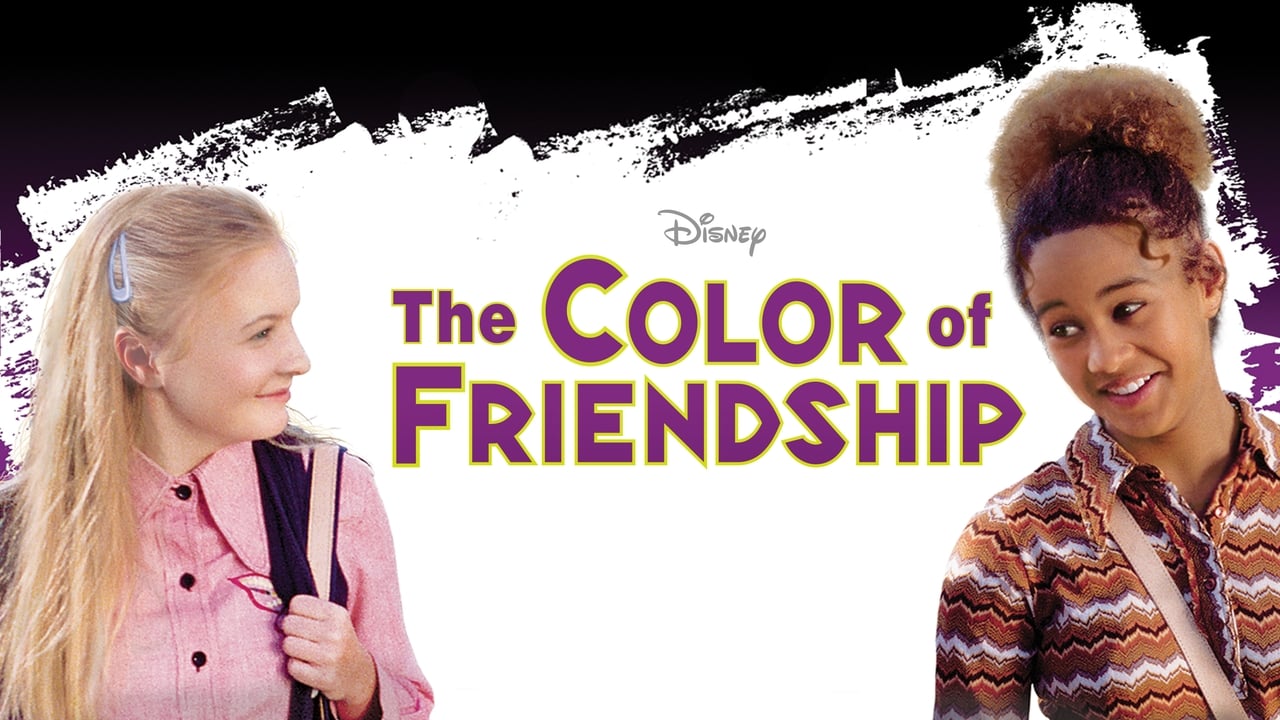
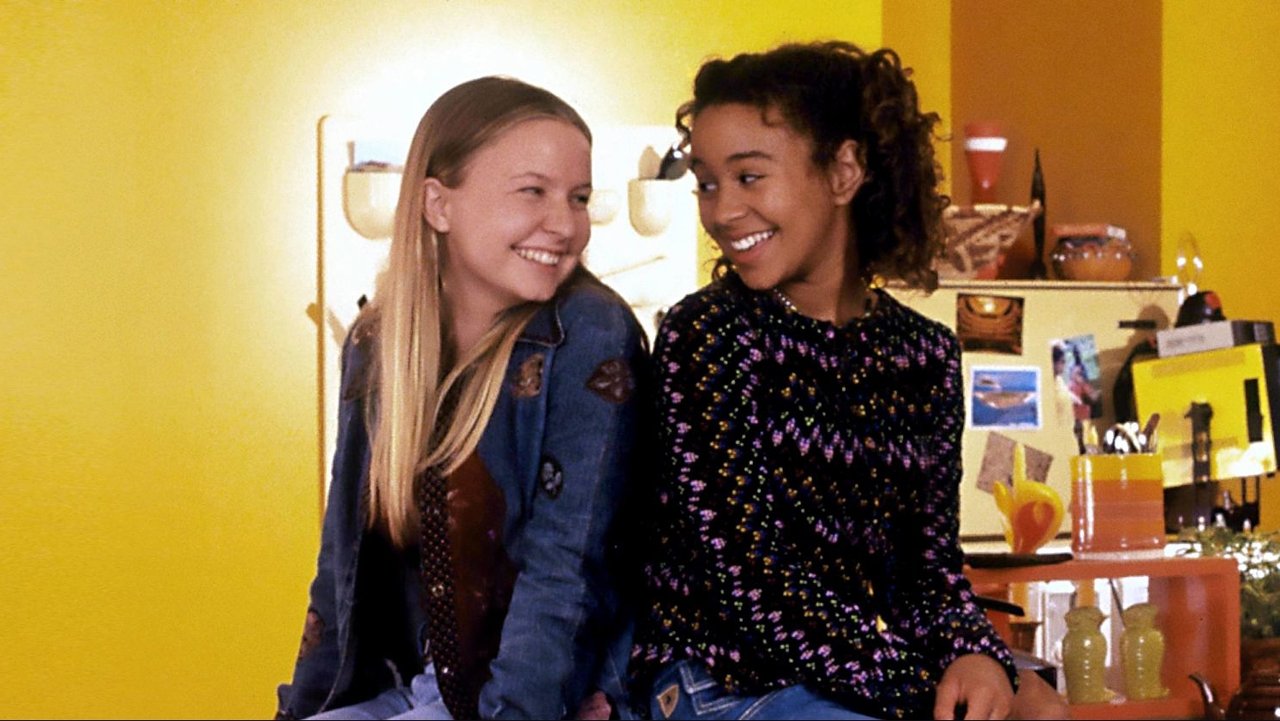
The premise alone holds a quiet power, especially knowing it’s rooted in truth. We're in 1977. Mahree Bok (Lindsey Haun), a white teenager living comfortably within the privileged bubble of apartheid South Africa, eagerly awaits her semester abroad in America. She imagines sunny California, maybe, hosted by a family much like her own. Simultaneously, Piper Dellums (Shadia Simmons), the daughter of Black U.S. Congressman Ron Dellums (Carl Lumbly), an outspoken critic of the South African regime, anticipates welcoming an exchange student, picturing someone who shares her cultural background. The moment these two girls meet at the airport – Mahree expecting a white family, Piper expecting a Black South African – is electric with shock, confusion, and instantly palpable prejudice. It’s a setup drawn directly from the real-life experience of Piper Dellums, whose short story "Simunye" formed the basis for the script penned by Paris Qualles. The film doesn't shy away from that jarring initial impact; it leans into the discomfort, forcing both the characters and the viewers to confront deeply ingrained biases head-on.
Beyond Black and White

What elevates The Color of Friendship beyond a simple "issue movie" are the performances, particularly from its young leads. Lindsey Haun masterfully portrays Mahree's initial ignorance and defensiveness, products of her upbringing in a state built on racial segregation. Her journey isn't instantaneous; it's gradual, marked by moments of resistance, dawning awareness, and painful self-reflection. You see the conditioning warring with her innate sense of decency as she experiences life outside the apartheid system, forced to see the world – and herself – through Piper's eyes. Shadia Simmons is equally compelling as Piper, conveying the hurt and anger of encountering such blatant prejudice, but also a growing empathy and fierce intelligence. Her Piper isn't just a victim of Mahree's ignorance; she's an active participant in bridging the gap, challenging Mahree's views while navigating her own complex feelings. Their evolving dynamic forms the emotional core of the film, making their eventual, hard-won connection feel authentic and deeply earned. The chemistry between Haun and Simmons is undeniable, selling the transformation from suspicion to genuine care.
Handling History with Care
Tackling apartheid in a film intended for a broad family audience is a monumental challenge. Director Kevin Hooks, who often brought a steady hand to television work, navigates this deftly. The film doesn't sanitize the brutality of the regime – Mahree's casual acceptance of systemic injustice is chilling, and news reports detailing the violence, including the Soweto uprising and the death of activist Stephen Biko (whose story Mahree initially dismisses as propaganda), provide stark context. Carl Lumbly, perhaps best known to many genre fans for his voice work as Martian Manhunter in the Justice League animated series or his role in Alias, brings immense gravitas to Congressman Dellums. His quiet determination and unwavering fight against apartheid provide the political backbone of the narrative, grounding the personal story within the larger historical struggle. Seeing his legislative battles juxtaposed with the girls' personal ones adds significant weight. It’s a balancing act, conveying the severity without becoming excessively graphic for its intended audience, and for the most part, it succeeds remarkably well. It treated its viewers, young and old, with a certain respect, trusting them to handle complex realities.
DCOM Depths and Retro Realities
Let's be honest, the term "Disney Channel Original Movie" often evokes images of lighter fare – comedies, musicals, maybe a fantasy adventure. And while The Color of Friendship certainly carries the look and feel of a late-90s/early-2000s TV movie (filmed primarily in Canada, as many were), its thematic ambition set it apart. It felt important in a way few DCOMs did before or since. It snagged a Primetime Emmy Award for Outstanding Children's Program, a testament to its quality and impact. Remembering this movie often involves recalling the surprise – Disney made this? It’s a reminder that powerful stories could emerge from unexpected places, even the family television set on a weekend night. For those of us collecting these films on tape, or simply holding onto the memories, it represents a high-water mark for the DCOM era, proving that entertainment for younger viewers didn't have to mean simplistic. The real Piper Dellums even made a cameo appearance, adding another layer of authenticity.
Does the film feel dated in some ways? Perhaps inevitably, in its production style and certain dialogue choices. But its core message about confronting prejudice, seeking understanding across seemingly insurmountable divides, and the power of individual connection feels depressingly relevant. What does it say about us that the lessons Mahree and Piper learned in 1977 still require constant reinforcement today?
Rating: 8/10
This score reflects the film's genuine emotional power, the strength of its lead performances, and its courageous handling of difficult subject matter within the constraints of a Disney Channel Original Movie. It successfully transcends its format to deliver a moving and thought-provoking story. While perhaps not possessing the cinematic scope of a theatrical release, its impact is undeniable, particularly for those who encountered it during its original run.
The Color of Friendship remains a poignant reminder that empathy isn't passive; it's an active choice, often uncomfortable, but utterly necessary. It’s one of those TV movies that truly stayed with you, long after the VCR clicked off.