There are houses, and then there are witnesses. The unassuming suburban home at the heart of 1996's If These Walls Could Talk isn't just wood and plaster; it's a vessel holding the echoes of intensely private battles fought by women across fifty years, all centered on one life-altering choice. This HBO original film, arriving like a quiet thunderclap on our CRT screens back in the day, wasn't standard movie-of-the-week fare. It was something heavier, something more necessary, using its anthology structure to explore the intensely personal and politically charged landscape of abortion through three distinct eras, all within the same four walls. Watching it again now, that feeling of quiet importance, of bearing witness alongside the house itself, remains potent.
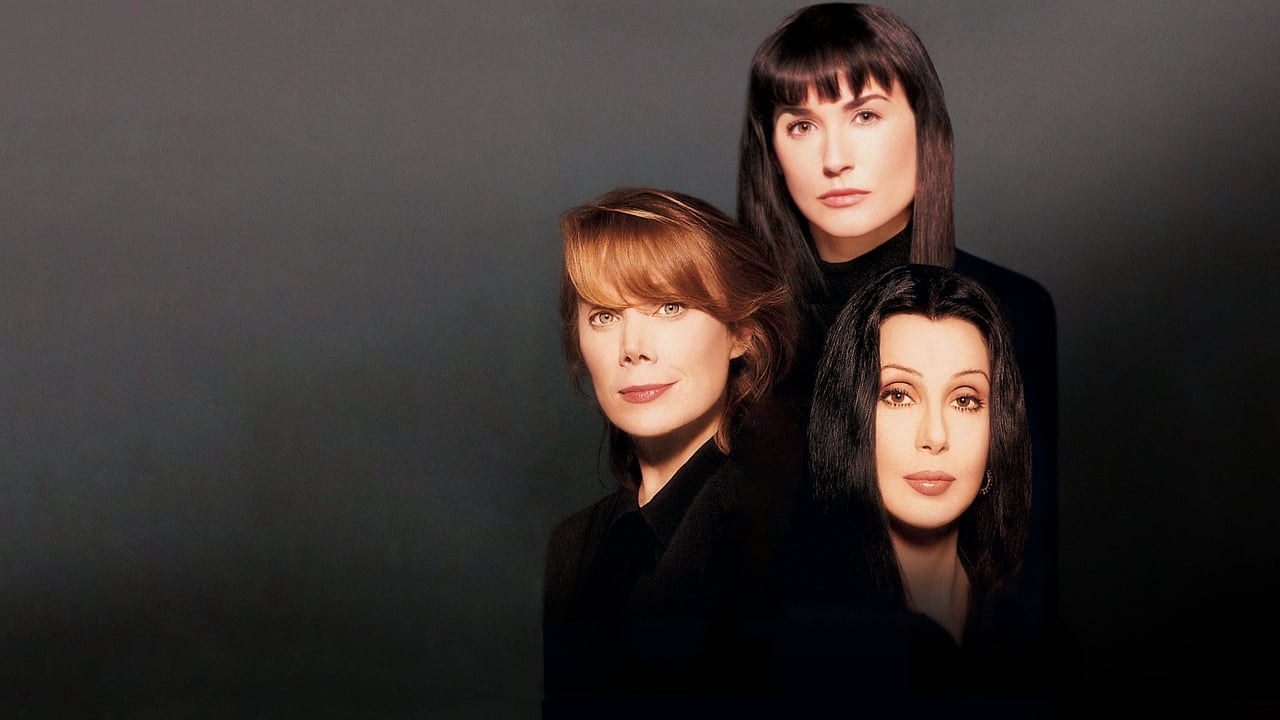
The Silent Witness
The genius of the film lies in its grounding element: the house. While the world outside shifts dramatically – from the hushed desperation of the 50s to the seemingly liberated 70s, and finally to the polarized battle lines of the 90s – the physical space remains largely the same. This contrast is incredibly effective. Directors Nancy Savoca (handling the 1952 and co-directing the 1996 segments) and Cher (directing the 1996 segment solo) use this consistent backdrop, subtly altered by the production design team to reflect each decade, to emphasize that while laws and societal norms may change, the fundamental, deeply personal nature of the decision remains agonizingly constant. It’s a simple framing device, yet profound in its implications. We become intimately familiar with the rooms where life-altering decisions are made, where whispers turn to arguments, where solitary tears are shed.
1952: A World of Whispers
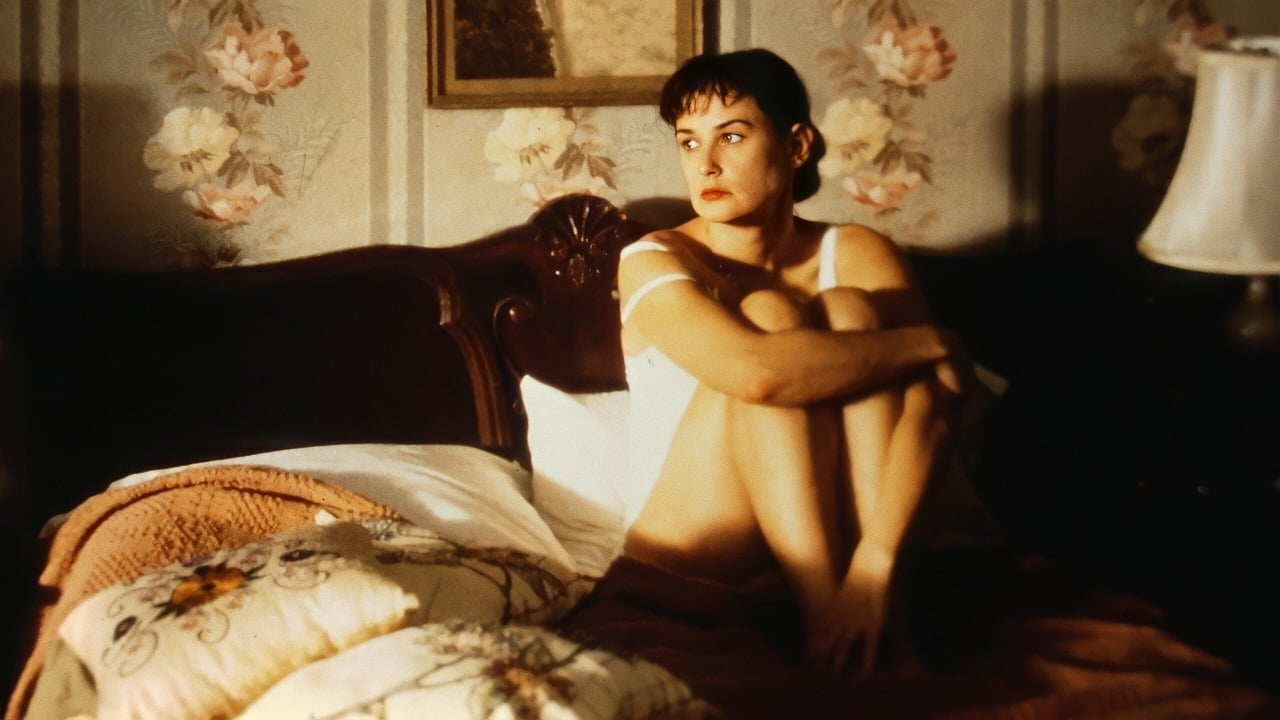
The first segment plunges us into the pre-Roe v. Wade era, a time thick with secrecy and danger. Demi Moore, in a performance stripped of glamour and filled with quiet desperation, plays Claire Donnelly, a recently widowed nurse facing an unwanted pregnancy. Moore, who alongside producer Suzanne Todd was a driving force behind getting this challenging project made after years of effort, perfectly captures the suffocating isolation of the time. There are no easy options, only hushed phone calls, coded language, and the terrifying prospect of a back-alley procedure. Savoca directs this segment with a palpable sense of dread, making the audience feel the weight of Claire's fear and the chilling risks involved. It’s a stark reminder of the world before legal protections, where choices were fraught with peril not just for the woman's future, but for her very life. The remembered tension of watching this segment, even knowing the historical context, hasn't faded.
1974: Choices and Complications
Jumping forward to the 70s, post-Roe v. Wade, the atmosphere shifts, but the emotional complexity deepens. Sissy Spacek, bringing her signature blend of vulnerability and resilience, portrays Barbara Barrows, a loving but overwhelmed mother of four who discovers she's pregnant again. The legal right to choose exists now, but the decision is tangled in family expectations, financial strain, and her own conflicted feelings. Spacek is magnificent, conveying a universe of weariness and maternal conflict in her expressions. This segment, co-written by I. Marlene King (who would later create Pretty Little Liars) and Earl W. Wallace, cleverly avoids easy answers. It asks: does legality erase the personal struggle, the societal judgment, or the internal wrestling match? Barbara's conversations with her curious, feminist-leaning teenage daughter (played by an excellent Hedy Burress) highlight the generational gap and the difficult reality that legal access doesn't equate to simple choices.
1996: The Front Lines
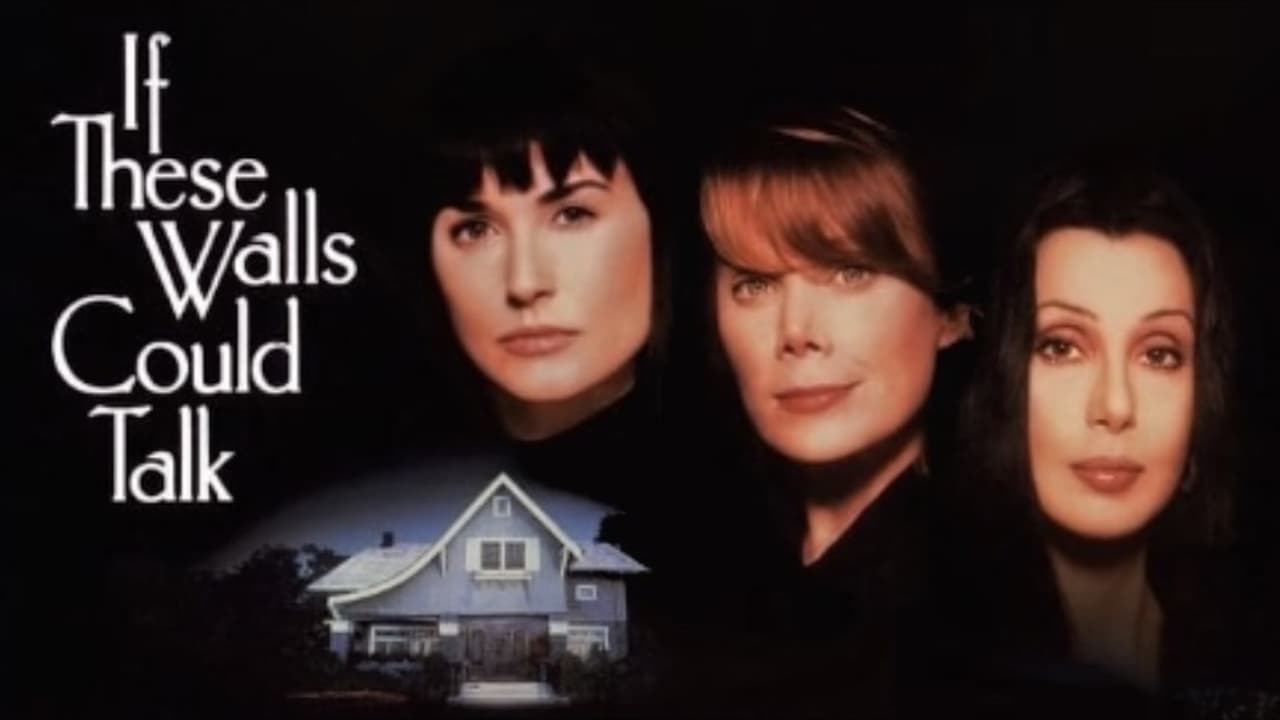
The final segment, directed by and co-starring Cher, brings us to the contemporary moment of the film's release, where the debate has spilled violently into the public square. Cher plays Dr. Beth Thompson, a physician performing abortions at a clinic besieged by protestors. Anne Heche delivers a raw, affecting performance as Christine Cullen, a young college student seeking an abortion, caught between her convictions and the aggressive tactics of the protestors outside. Cher’s directorial hand captures the escalating tension and the hardening of positions, transforming the clinic into a veritable war zone. Her own performance as the weary but resolute doctor adds another layer of gravitas. This segment felt ripped from the headlines back in '96, and tragically, the scenes of clinic harassment and political vitriol resonate perhaps even more strongly today. It culminates in a shocking act that underscores the real-world dangers fueled by extremist rhetoric, leaving a lasting chill. Making a film this direct about abortion was a bold move for HBO in 1996, courting controversy but also earning significant acclaim, including multiple Emmy and Golden Globe nominations.
More Than Just Walls
If These Walls Could Talk transcends being merely an "issue movie." It's a deeply human story, or rather, three deeply human stories woven together by shared space and shared struggle. The power lies in the performances – Moore's desperation, Spacek's weary conflict, Cher's resolve, and Heche's vulnerability are all exceptional. The film doesn’t shy away from the gravity of the subject matter, yet it approaches each story with profound empathy. It forces us to consider the lived experiences behind the political slogans, the individual lives impacted by laws and societal pressures.
While firmly rooted in its time – a landmark piece of 90s television drama that paved the way for more complex storytelling on the small screen – its themes remain painfully relevant. It asks questions about bodily autonomy, societal support (or lack thereof), and the consequences of judging personal medical decisions that we are still grappling with decades later. What does it truly mean to have a choice if exercising it remains fraught with obstacles, judgment, or even danger?
Rating: 9/10
This score reflects the film's exceptional performances across all three segments, its sensitive and nuanced handling of an incredibly difficult subject, and its lasting power as a piece of socially conscious filmmaking. The anthology structure is effective, the direction is assured, and the emotional resonance is undeniable. It avoids easy answers and instead offers a deeply empathetic, humanizing look at the complexities surrounding abortion across different eras. It felt important back then, nestled amongst the action flicks and comedies on the video store shelf, and its significance has only deepened with time.
If These Walls Could Talk remains a powerful, poignant piece of television history, a film that uses its quiet setting to amplify the enduring struggles and choices faced by women. It stays with you, not just as a memory of a significant 90s TV event, but as a timeless reflection on empathy and autonomy. Those walls don't just talk; they bear witness to truths we still need to hear.