You know that feeling when a chance encounter seems almost too perfect? When someone drifts into your life who seems to understand you instantly, offering solutions to problems you barely dared articulate? With a Friend Like Harry... (original title: Harry, un ami qui vous veut du bien) starts with just such a moment, unfolding in the mundane setting of a motorway rest stop bathroom. But director Dominik Moll, in this simmering French thriller from 2000, masterfully twists that serendipity into something deeply unsettling, leaving you questioning the very nature of help and the dark corners of wish fulfillment. It might have arrived at the tail end of the VHS era, perhaps finding its way into your player via an early DVD rental, but its chilling effect feels timeless.
An Uncomfortable Reunion
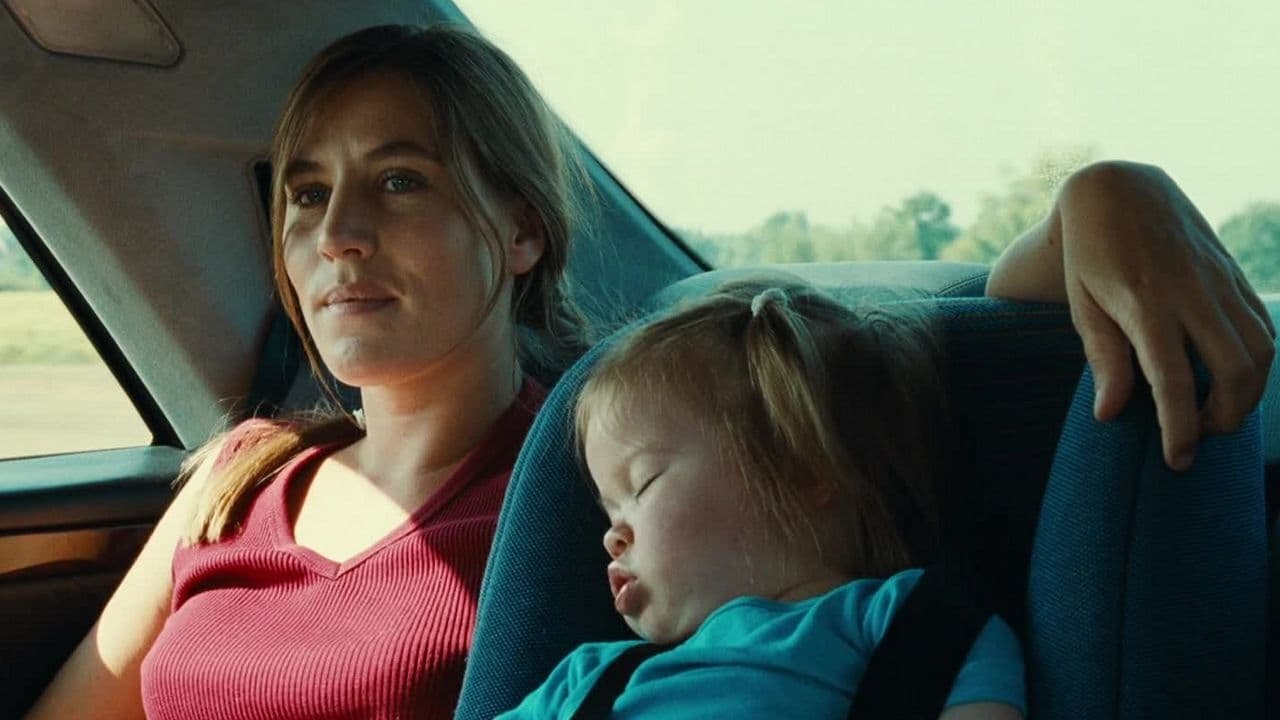
We meet Michel (Laurent Lucas), a man visibly frayed at the edges. He’s navigating a hot, stressful family holiday drive with his wife Claire (Mathilde Seigner) and their three young children. Their car has no air conditioning, the kids are restless, and their dilapidated countryside farmhouse awaits, promising more work than relaxation. It's a picture of everyday overwhelm, instantly recognizable. Then comes Harry (Sergi López), a figure emerging from Michel's distant past – a former schoolmate Michel barely remembers. But Harry remembers Michel. Oh, boy, does he remember. He idolizes Michel's teenage writing aspirations, quoting forgotten poems verbatim, and seems genuinely dismayed that Michel has settled for a life he perceives as stiflingly ordinary.
The Friend Who Wants to Help... Too Much
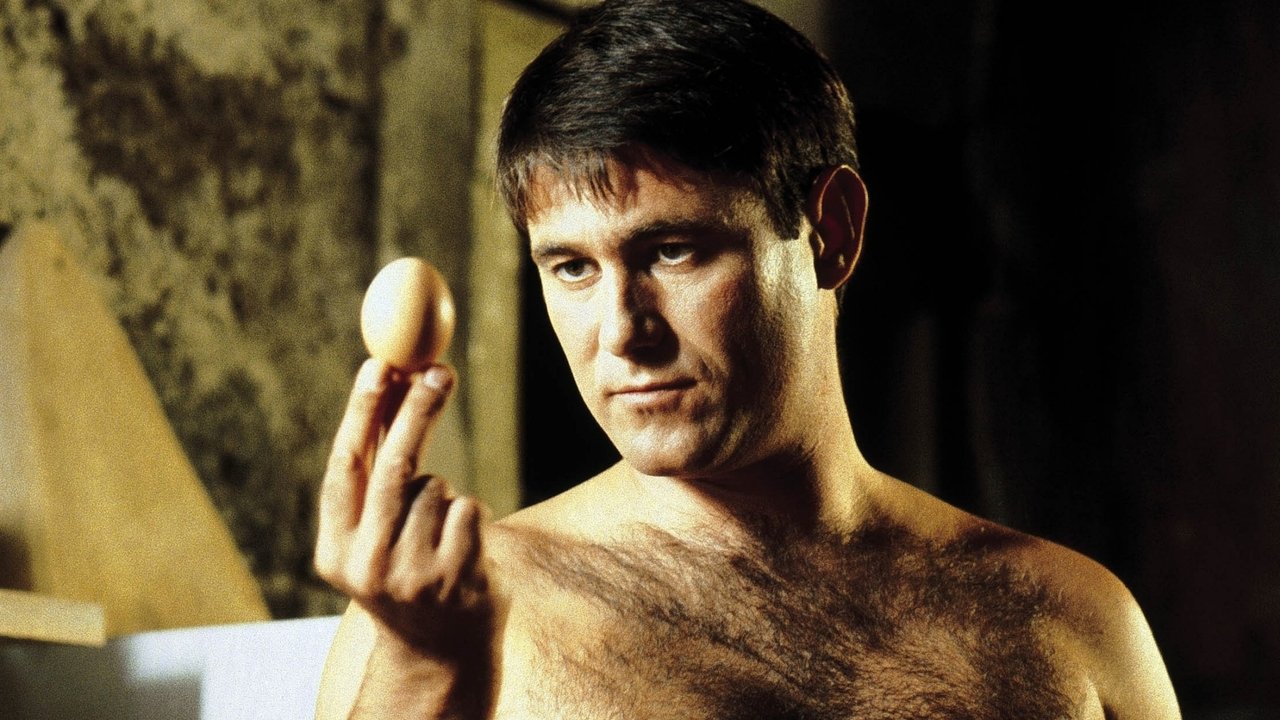
What unfolds isn't a jump-scare horror show, but a masterclass in escalating dread. Harry, wealthy, confident, and unnervingly attentive, inserts himself into Michel's life with his equally enigmatic girlfriend Plum (Sophie Guillemin). His offers of help start small – fixing the car, buying a new vehicle – but they quickly escalate. Harry seems determined to remove every obstacle blocking Michel's path back to his "true" self, the writer he supposedly abandoned. The problem is, Harry's definition of an "obstacle" becomes increasingly broad and terrifyingly literal. Dominik Moll, who also co-wrote the sharp script with Gilles Marchand, uses the idyllic rural French setting not for comfort, but for isolation. The rambling farmhouse becomes less a sanctuary and more a stage for intrusion, where politeness and social convention trap Michel long after his unease should have screamed "danger!"
The Unforgettable Chill of Sergi López
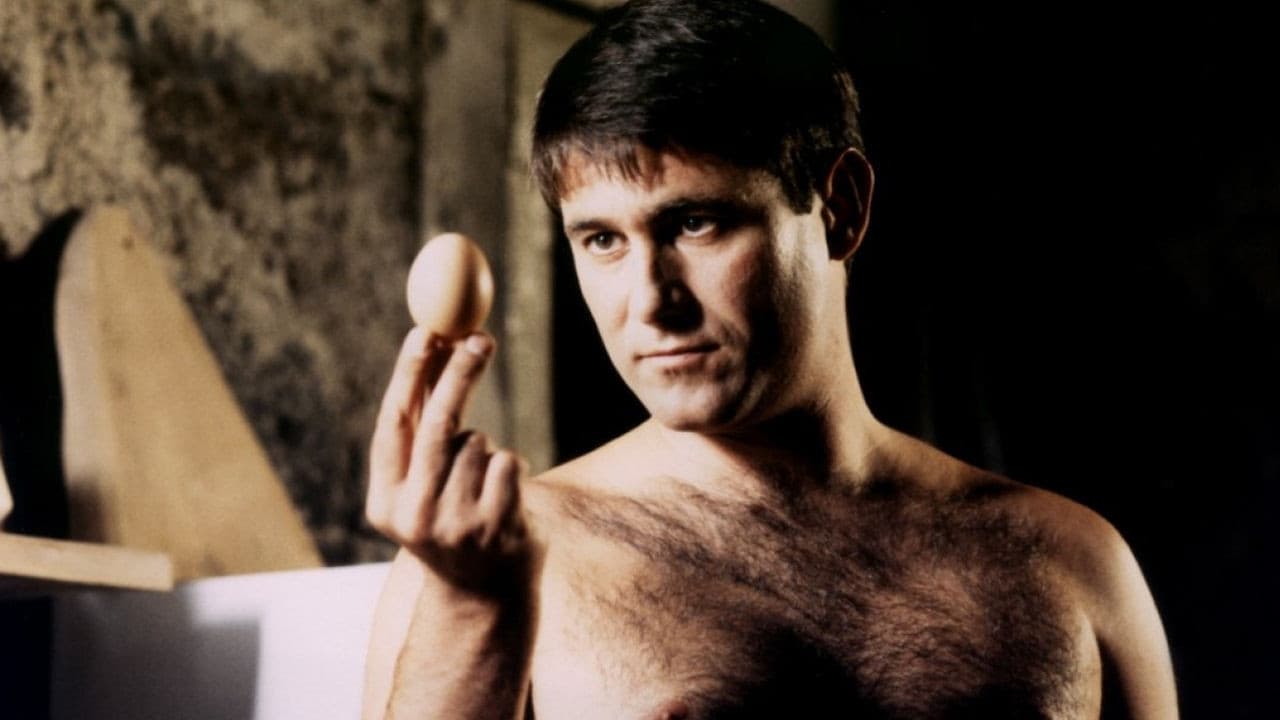
The film absolutely hinges on the performance of Sergi López as Harry, and it's a portrayal that burrows under your skin. López, who deservedly won the César Award (the French equivalent of the Oscar) for Best Actor for this role, embodies a terrifying paradox. He's charming, solicitous, and seemingly generous, yet there's a predatory stillness behind his eyes, an unnerving intensity in his pronouncements. He delivers lines about "eliminating distractions" with the same calm assurance he uses to offer a drink. It’s not overt menace, but a creeping, boundary-dissolving intimacy that’s far more disturbing. Is he simply a sociopath? Or something more symbolic – the physical manifestation of Michel's own darkest, unacknowledged desires to escape his burdens? The film wisely leaves this deliciously ambiguous. I remember seeing this shortly after its release, likely on DVD as VHS was waning, and López’s performance was the thing everyone talked about – that blend of bonhomie and barely concealed threat felt electrifyingly new.
Trapped by Politeness, Tempted by Darkness
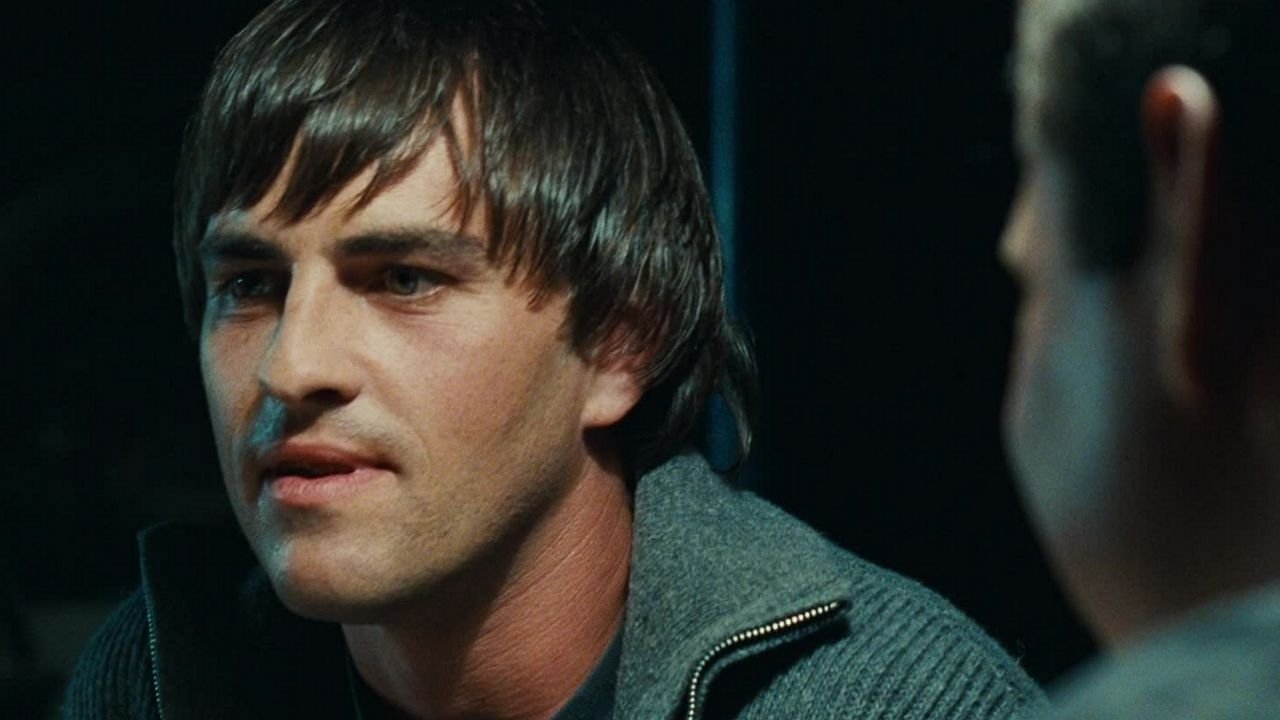
Laurent Lucas is equally brilliant as Michel. He perfectly captures the harried exhaustion of a man drowning in responsibility, initially flattered by Harry's attention before succumbing to a growing sense of dread. Crucially, Lucas shows us Michel's flicker of morbid curiosity, even complicity. Doesn't a part of him want these problems solved, no matter the cost? It’s this internal conflict that elevates the film beyond a simple stalker narrative. Mathilde Seigner provides the grounded counterpoint as Claire, pragmatic and increasingly suspicious of this too-smooth interloper. Her frustration and eventual fear feel utterly authentic, highlighting the life Harry seeks to dismantle.
The film itself was a critical darling upon release, premiering at the 2000 Cannes Film Festival and snagging multiple César Awards beyond López's win, including Best Director for Moll. It demonstrated that nail-biting suspense didn't need overt gore or frantic pacing, but could be wrung from quiet conversations, loaded glances, and the slow erosion of normalcy. It felt like a sophisticated European cousin to the Hitchcockian thrillers many of us grew up renting – think Strangers on a Train but with a distinctly modern, existential chill. It found considerable international success for a French film too, reportedly earning around $10 million worldwide on a budget of roughly €4.5 million – proof that its unsettling power resonated far beyond France.
Why It Lingers
With a Friend Like Harry... doesn't offer easy answers. It forces us to confront uncomfortable questions about our own hidden resentments and the allure of easy solutions. What burdens would we shed if someone else offered to do the dirty work, consequences be damned? Harry’s methods are monstrous, yet the desires he taps into feel uncomfortably familiar. The tension builds not through cheap tricks, but through psychological pressure, making the eventual breaks profoundly shocking.
Rating: 9/10
This score reflects a near-perfect execution of the psychological thriller. The pacing is deliberate and masterful, the atmosphere is thick with impending doom, and the performances, particularly Sergi López's iconic turn, are outstanding. It avoids genre clichés, delivering suspense through character and implication rather than spectacle. The slight ambiguity of Harry's nature and Michel's complicity only adds to its lasting power.
With a Friend Like Harry... is a chilling reminder that sometimes the most dangerous threats don't announce themselves with a roar, but with a deceptively friendly smile and an offer you perhaps shouldn't refuse. It’s a film that stays with you, prompting reflections long after the credits roll – what hidden 'Harrys' lurk within our own desires for a simpler life?