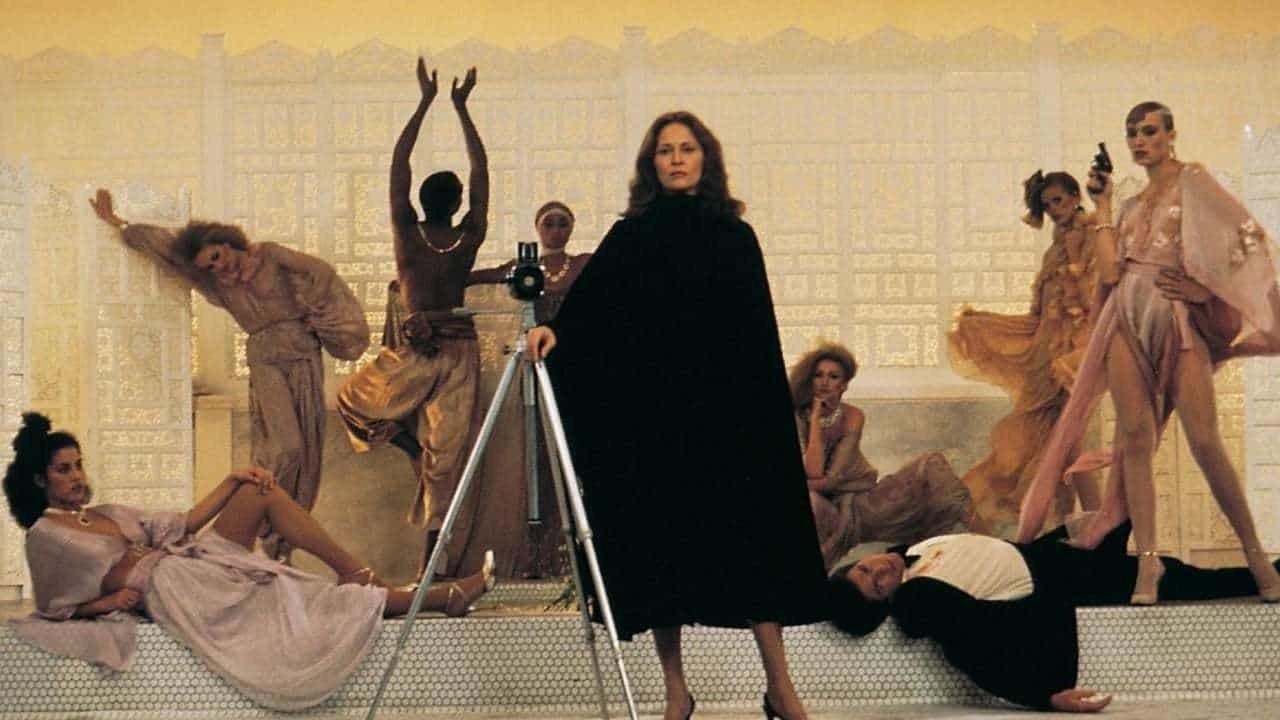
The click of the shutter, the flashbulb's glare freezing a moment of stylized chaos – a burning car, models sprawled like elegant corpses. This wasn't just fashion photography; it was prophecy. Eyes of Laura Mars doesn't creep up on you; it plunges you headfirst into the chic, unsettling world of its protagonist, a woman whose artistic vision bleeds into terrifying reality. Released in 1978, this slick, voyeuristic thriller arrived just before the slasher wave truly crested, offering a different flavour of dread – one steeped in glamour, paranoia, and the disturbing intimacy of seeing through a killer's eyes. I remember the distinct feel of its VHS box, hinting at something more sophisticated, more psychologically unnerving than your average horror flick.
Through a Lens, Darkly
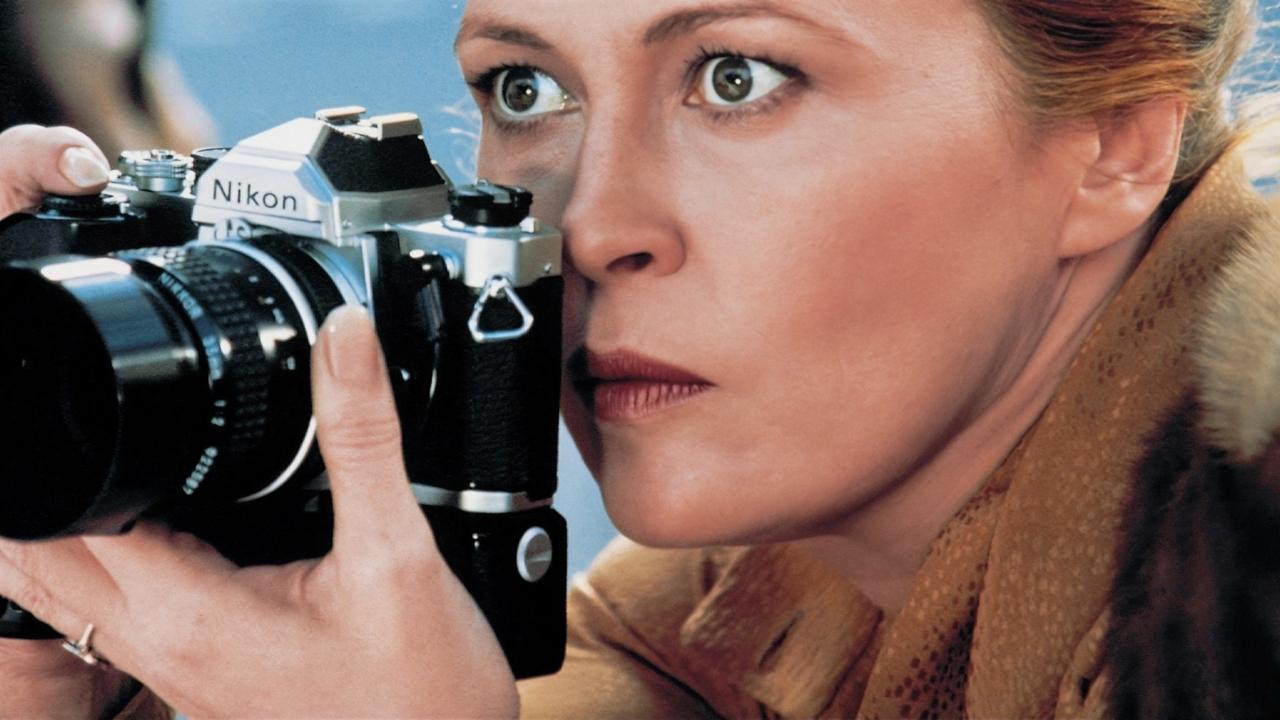
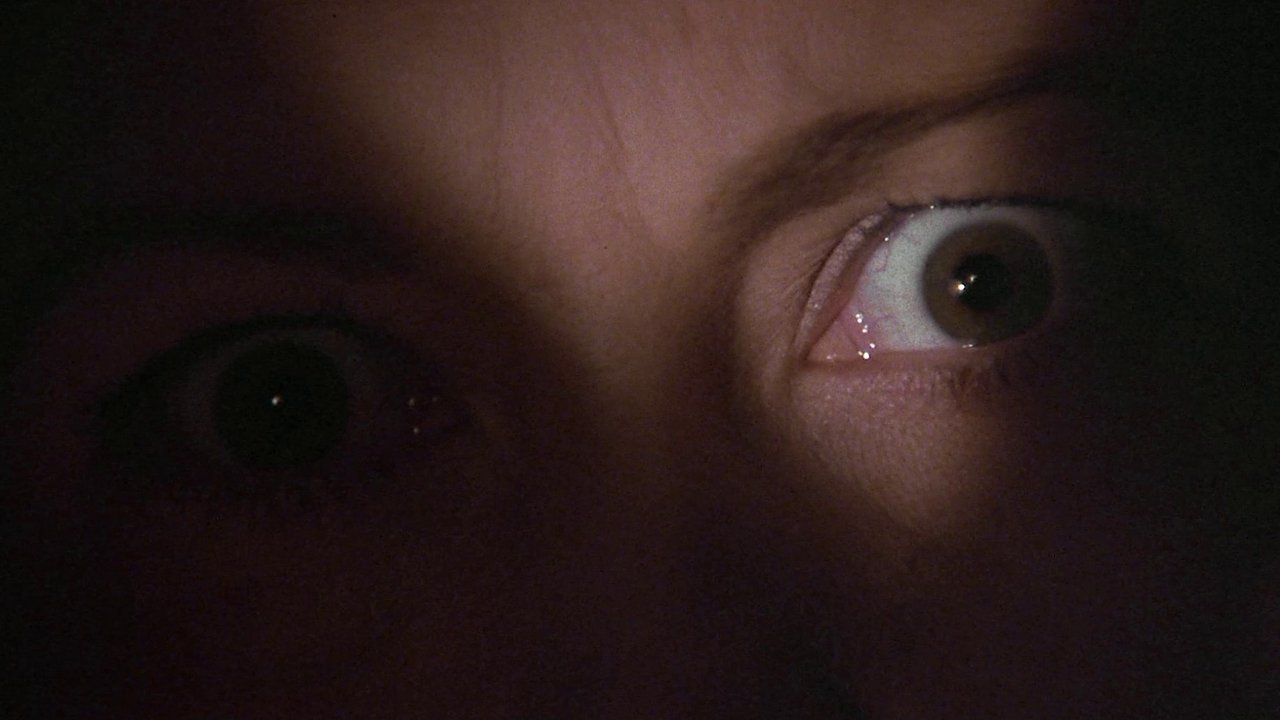
At the heart of the film is Faye Dunaway as Laura Mars, a celebrated fashion photographer whose provocative work courts controversy by depicting violence and death with icy glamour. Dunaway, riding high off acclaimed performances in films like Network (1976) and Chinatown (1974), embodies Laura’s blend of artistic confidence and mounting terror perfectly. Her intensity is palpable, a brittle façade cracking as she begins experiencing terrifying visions – flashes of brutal murders seen directly from the perspective of the unknown assailant. The chilling realization dawns: her controversial photos seem to be blueprints for real-life killings, and she is an unwilling psychic witness. The premise itself, conceived originally by John Carpenter (yes, that John Carpenter of Halloween fame) in a script titled simply Eyes, is a masterstroke of high-concept horror, tapping into primal fears of voyeurism and helplessness. While Carpenter's initial draft was reportedly more supernatural, producer Jon Peters and subsequent writers steered it towards the high-fashion world, a decision that gives the film its unique, glossy sheen, even if it diluted some of Carpenter's original intent. Interestingly, Peters’ then-partner Barbra Streisand was attached to the project early on, potentially even to star, before Dunaway stepped in. Streisand ultimately contributed the haunting theme song, "Prisoner (Love Theme from Eyes of Laura Mars)".
New York Grit, Studio Gloss
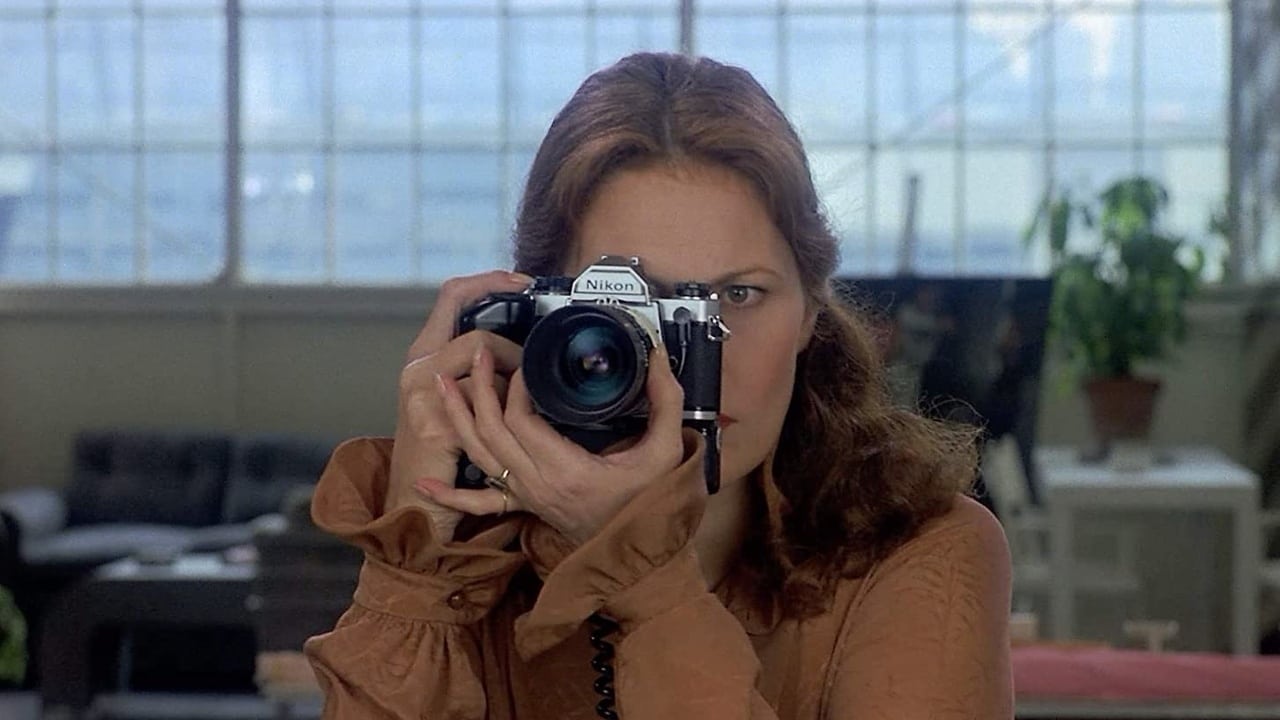
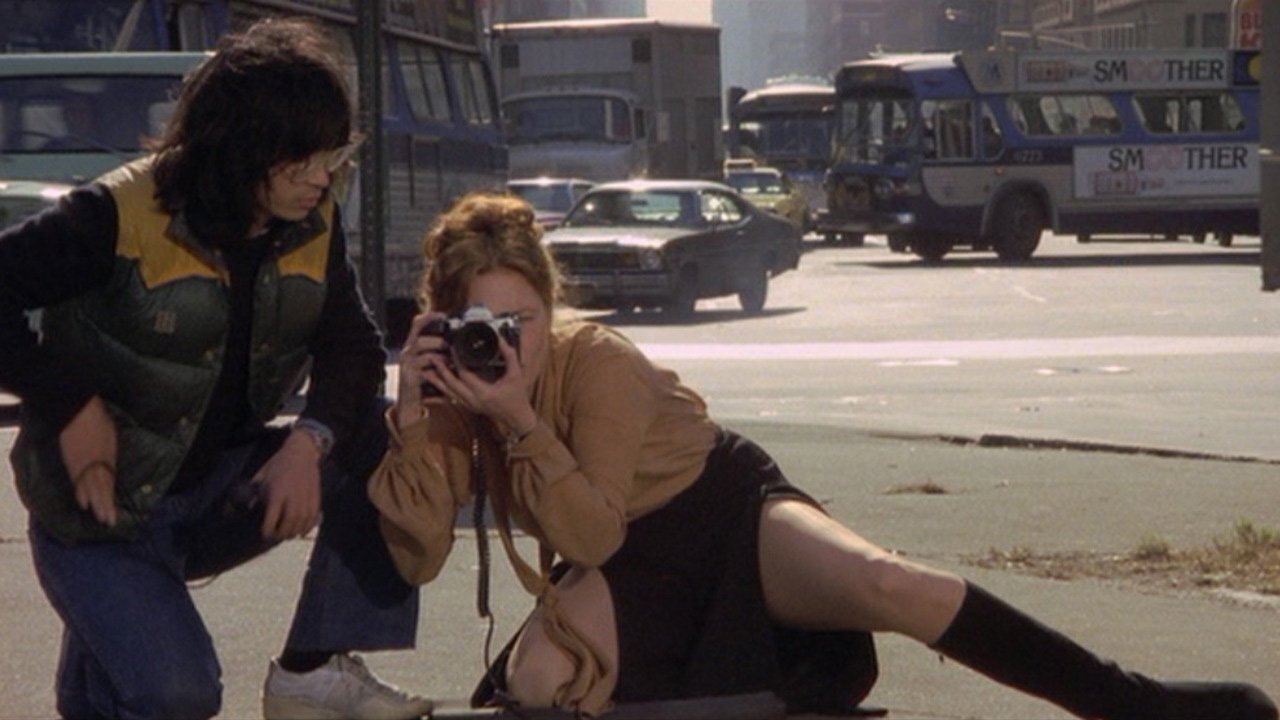
Director Irvin Kershner, who would later helm the monumental The Empire Strikes Back (1980), crafts a vision of late-70s New York that feels both glamorous and menacing. The film juxtaposes the sleek, artificial world of high fashion – the studios, the galleries, the decadent parties – with the gritty reality of the city streets where the killer stalks. The visual style, heavily influenced by the work of real-life controversial fashion photographer Helmut Newton, is striking. Laura’s photo shoots are elaborate, disturbing tableaus that blur the line between art and exploitation, mirroring the film's own thematic concerns. Do you remember how those stylized scenes felt both captivating and repellent? They stick with you, that blend of detachment and sudden, visceral horror when Laura's vision intrudes. Kershner masterfully uses the killer's point-of-view shot, a technique Carpenter would solidify in Halloween the same year, immersing us in those terrifying moments alongside Laura. The production, working with a $7 million budget (around $33 million today), made excellent use of real NYC locations, adding an authentic layer beneath the studio polish.
Suspects and Shadows
Enter Lieutenant John Neville, played by a young, magnetic Tommy Lee Jones. His chemistry with Dunaway is electric, a mix of suspicion, protection, and undeniable attraction. Neville is investigating the murders that uncannily resemble Laura's work, drawing him into her orbit of eccentric assistants, jealous ex-husbands, and intense colleagues – a rogue's gallery of potential suspects. Keep an eye out for memorable supporting turns, including Brad Dourif as Laura’s intense driver, Tommy Ludlow, bringing his signature unsettling energy that always elevates a thriller. The script cleverly plays with ambiguity, making you question the motives of everyone surrounding Laura. Who can she trust when the killer might be someone intimately familiar with her life and work? The tension mounts not just from the threat of violence, but from the psychological claustrophobia of her situation.
A Legacy Through Psychic Eyes
While Eyes of Laura Mars might feel dated in some respects – the disco soundtrack, the specific brand of late-70s fashion – its core concept remains potent. It tapped into anxieties about media violence, artistic responsibility, and the invasive nature of the gaze long before those themes became ubiquitous. The film earned a respectable $20 million at the box office (around $94 million today), proving its blend of horror, mystery, and glamour found an audience. Dunaway's performance is a nerve-shredding anchor, and the film's visual flair leaves a lasting impression. It occupies a fascinating space, influenced by the Italian giallo thrillers with their stylish killers and intricate plots, while also foreshadowing the POV-heavy slashers to come. The twist ending (Spoiler Alert! though honestly, if you haven't seen it by now...) remains divisive for some, but its shocking nature certainly cemented the film in the memories of many who caught it late one night on a flickering CRT screen. Doesn't that final reveal still pack a jolt, even if you see it coming?
Rating: 7/10
Justification: Eyes of Laura Mars earns its score with a killer premise, a powerhouse central performance from Faye Dunaway, striking visuals, and a palpable sense of late-70s atmosphere. It successfully blends glamour and dread, creating a unique psycho-thriller experience. Points are deducted for a plot that occasionally feels convoluted, some dated elements, and a supporting cast that, while intriguing, sometimes feels underdeveloped compared to the leads. However, its influence and stylish execution make it a standout piece of 70s cinema worth revisiting.
It's a film that truly captures a specific moment – the anxieties, the aesthetics, the transition point in genre filmmaking. It remains a fascinating, flawed, but ultimately unforgettable piece of psychological dread, a glossy nightmare reflected in the unblinking eye of the camera lens.