The name Bava echoes through the hallowed, cobwebbed halls of Italian horror. It evokes swirling fog, baroque nightmares, and violence elevated to brutal art. While Mario Bava remains the undisputed maestro, his son Lamberto Bava carved his own niche in the shadows, often trading gothic grandeur for a more contemporary, synthesized dread. 1983's A Blade in the Dark (originally La casa con la scala nel buio), conceived initially for television, feels like a distillation of that 80s Bava sensibility – a tight, claustrophobic exercise in suspense humming with electronic menace.
### The Composer's Cage
Forget sprawling castles; the horror here is confined, intimate. We follow Bruno (Andrea Occhipinti), a composer hired to score a chilling horror film. He sequesters himself in an isolated, modernist villa – all sleek lines and unsettlingly large windows – belonging to the film's director. The previous composer vanished, leaving behind only disturbing tapes and a creeping sense that the villa itself is listening. As Bruno delves deeper into the film's disturbing themes, mirroring the fictional terror he's scoring, people around him start meeting grisly ends. Is the horror leaking from the screen into reality, or is something far more tangible stalking the minimalist corridors?
This setup, a composer alone crafting sounds for terror while actual terror unfolds, is potent. It immediately taps into that late-night isolation familiar to anyone who stayed up watching something forbidden on a flickering CRT. The film-within-a-film element, while not entirely novel, adds a layer of unease. The brief, disturbing clips Bruno watches feel genuinely nasty, hinting at a darkness that the main narrative sometimes struggles to fully embrace, perhaps owing to its TV movie origins (a commission from Italy's RAI network). Reportedly, Lamberto Bava even used footage from one of his father's unfinished projects within these sequences, adding a strange, familial echo to the on-screen dread.
### Synthesized Suspense and Sharp Edges
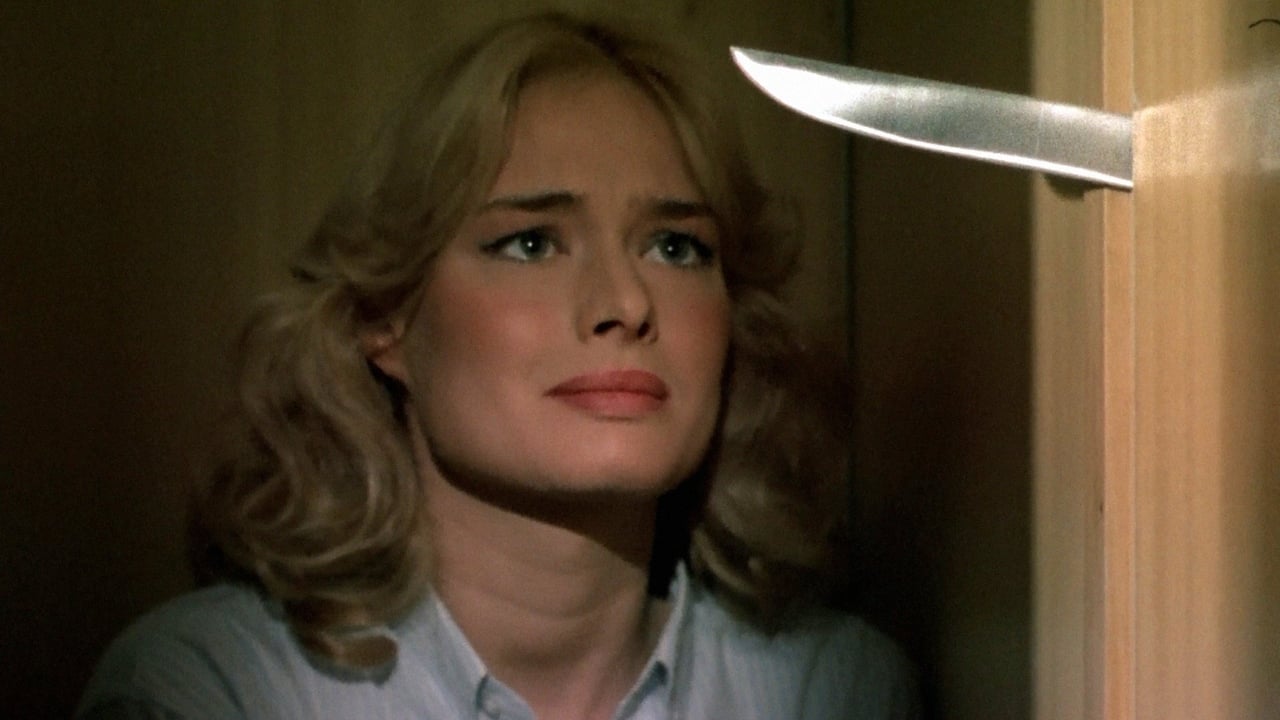
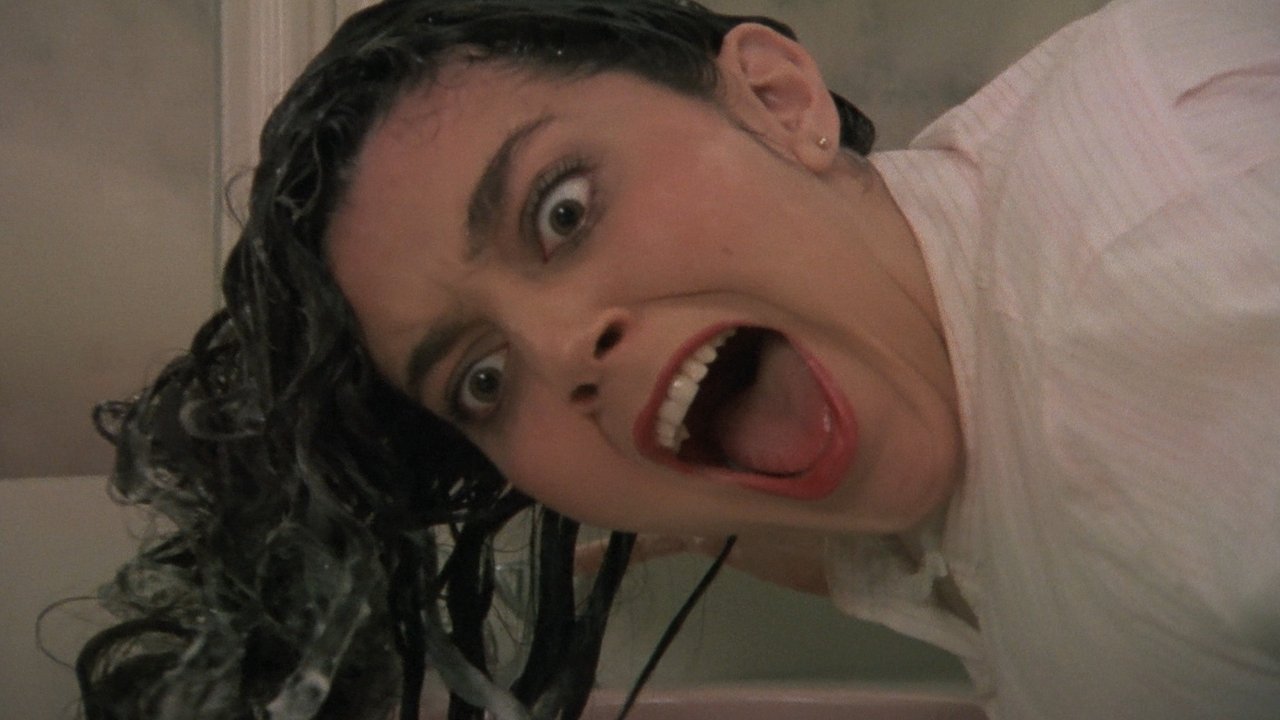
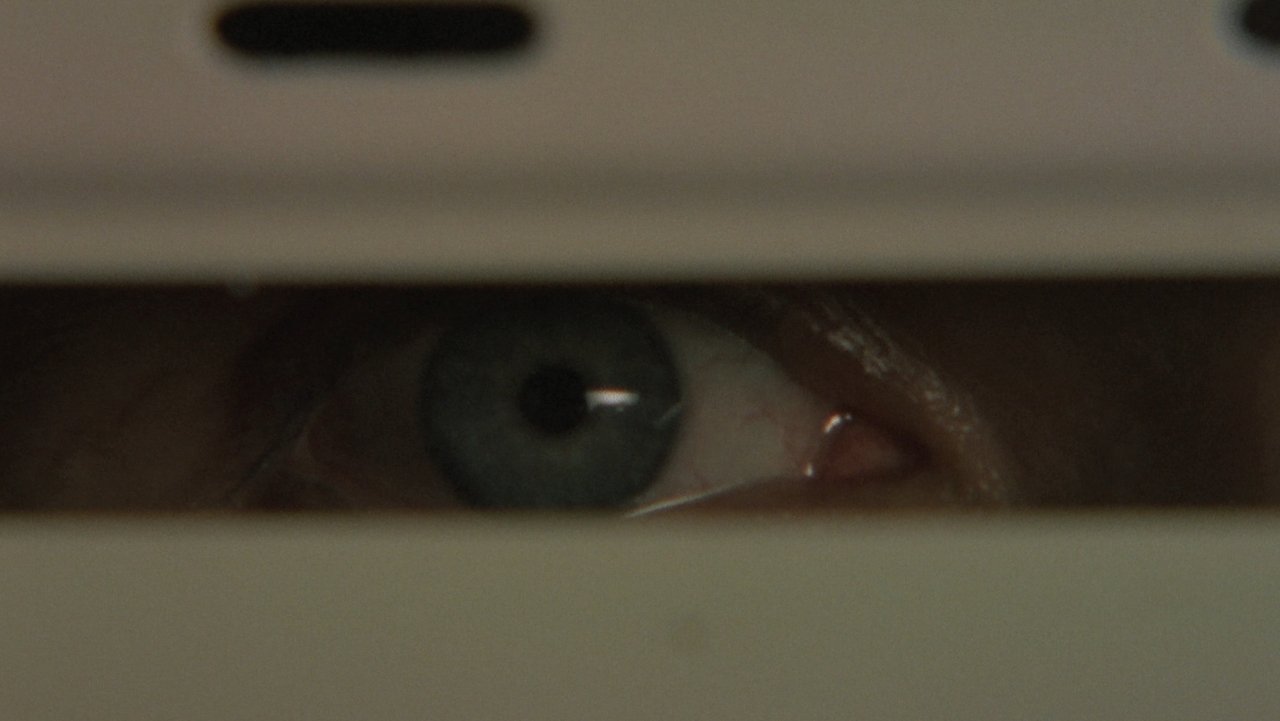
Working alongside genre veterans Dardano Sacchetti (The Beyond, City of the Living Dead) and Elisa Briganti, Lamberto Bava crafts a narrative that leans heavily on Giallo conventions: the black-gloved killer, the subjective POV shots stalking unsuspecting victims, the red herrings scattered like breadcrumbs. While the plot might occasionally stretch credibility thinner than cheap video tape, Bava Jr. demonstrates a solid grasp of building tension. He uses the villa's architecture effectively – long hallways become menacing runways, shadows pool in corners, and every reflective surface potentially hides a threat.
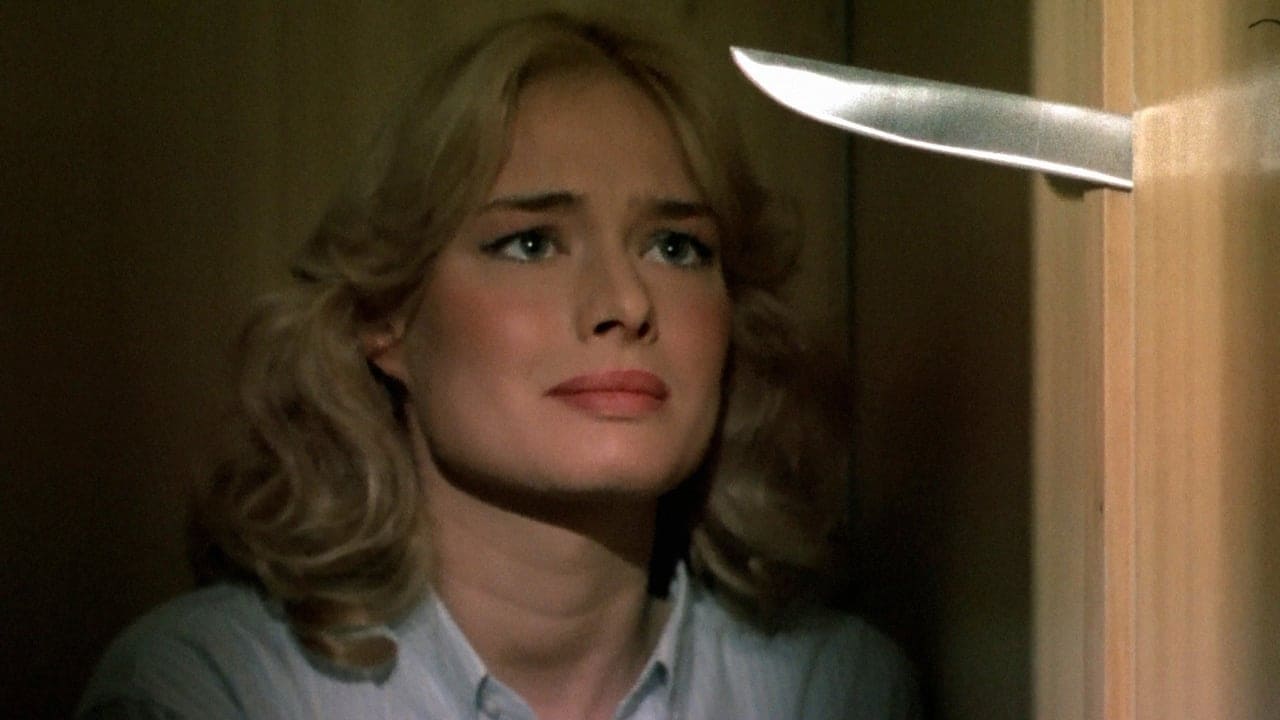
The score, by Guido & Maurizio De Angelis (credited as Oliver Onions), is pure 80s electronic pulse – sometimes repetitive, yes, but undeniably effective at ratcheting up the anxiety. It’s the kind of score that burrows into your skull, the perfect accompaniment to the flashes of sharp, sudden violence. The practical gore effects, when they arrive, are suitably unpleasant for the era. They might not reach the stomach-churning heights of Fulci, but they possess that tactile, physical quality that defined 80s horror – a visceral shock that CGI often lacks. Remember arguing with friends about how real that stabbing looked on your blurry rental copy? This film has moments that spark that exact memory.
### Echoes in the Dark
Andrea Occhipinti makes for a serviceable lead, conveying the mounting paranoia effectively, though like many Giallo protagonists, he sometimes feels more like a conduit for the audience's fear than a fully fleshed-out character. The supporting cast fulfill their roles, often existing primarily to increase the body count or muddy the investigative waters. It's the direction and atmosphere, however, that are the real stars. Lamberto Bava, who had previously assisted his father and other Italian genre titans, proves he understands the mechanics of suspense. He might not possess his father's painterly eye, but he knows how to make you jump, how to make you peer nervously into the darkness beyond the frame.
It's fascinating to consider this film came just two years before Bava unleashed the gooey, high-energy mayhem of Demons (1985). A Blade in the Dark feels more restrained, more focused on psychological dread than outright demonic chaos. It's a Giallo at its core, stripped down and refitted with an 80s electronic heartbeat. Finding this on VHS back in the day often felt like unearthing a secret – a lesser-known Bava work, a solid slice of Italian stalk-and-slash that delivered the goods without necessarily rewriting the rulebook. Did it ever feel like a major discovery? Perhaps not, but it was always a reliable provider of late-night chills.
### Final Cut
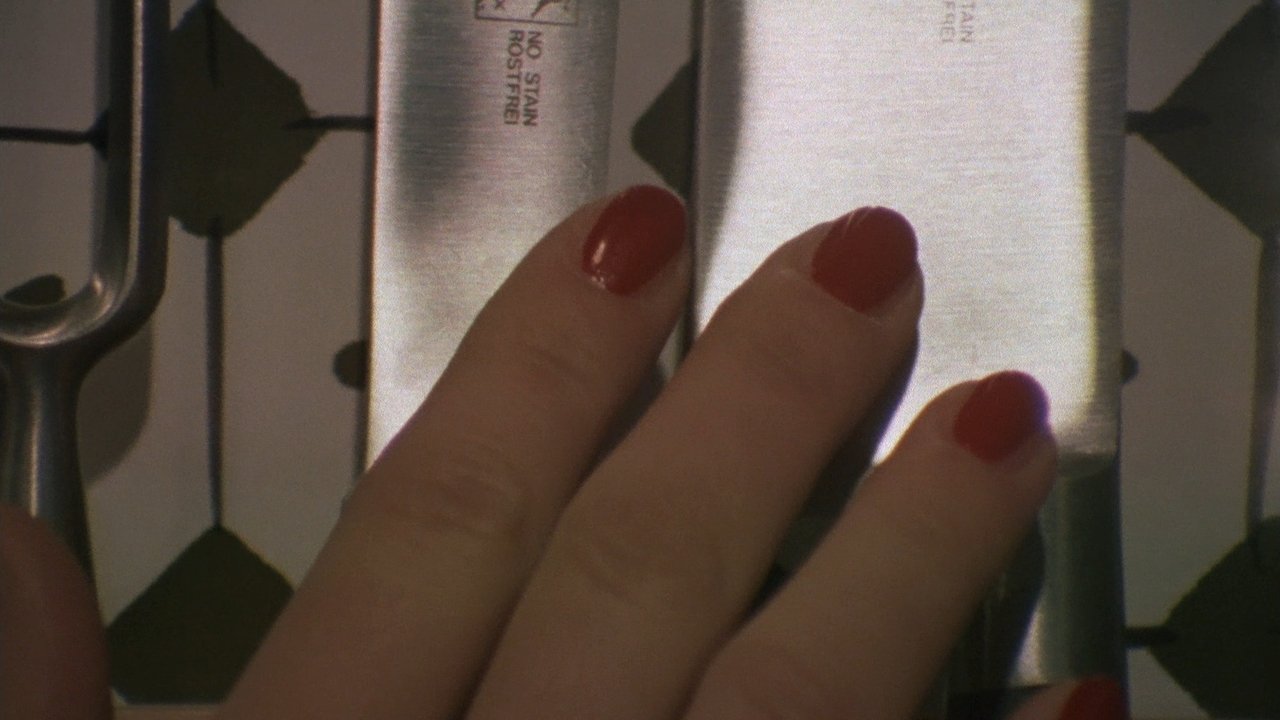
A Blade in the Dark isn't top-tier Giallo, nor is it Lamberto Bava's most famous work. It suffers from some pacing lulls inherent in its TV origins and plot points that feel familiar to genre devotees. However, its claustrophobic atmosphere, effective synth score, handful of genuinely tense sequences, and the pedigree of its director and writers make it a worthy entry in the vast library of 80s Italian horror. It delivers suspense and a few nasty shocks within its contained setting, proving that sometimes, the most terrifying place isn't a haunted castle, but a modern house where the silence is suddenly broken by a scream... and the whisper of steel.
Rating: 6.5/10
Justification: The film excels in atmosphere and builds solid tension, leveraging its isolated setting and Giallo tropes effectively under Lamberto Bava's capable direction. The score is memorable, and the practical effects deliver when needed. However, its TV movie roots occasionally show in pacing, and the plot, while twisty, relies on familiar Giallo conventions without adding significant innovation. Performances are adequate but not standout. It's a solid, enjoyable slice of 80s Italian dread, particularly for fans, but falls short of classic status.
VHS Verdict: A satisfyingly atmospheric Giallo rental that perfectly captures the feel of early 80s Italian horror – a recommended deep cut for Bava enthusiasts and lovers of synthesizer-scored suspense.