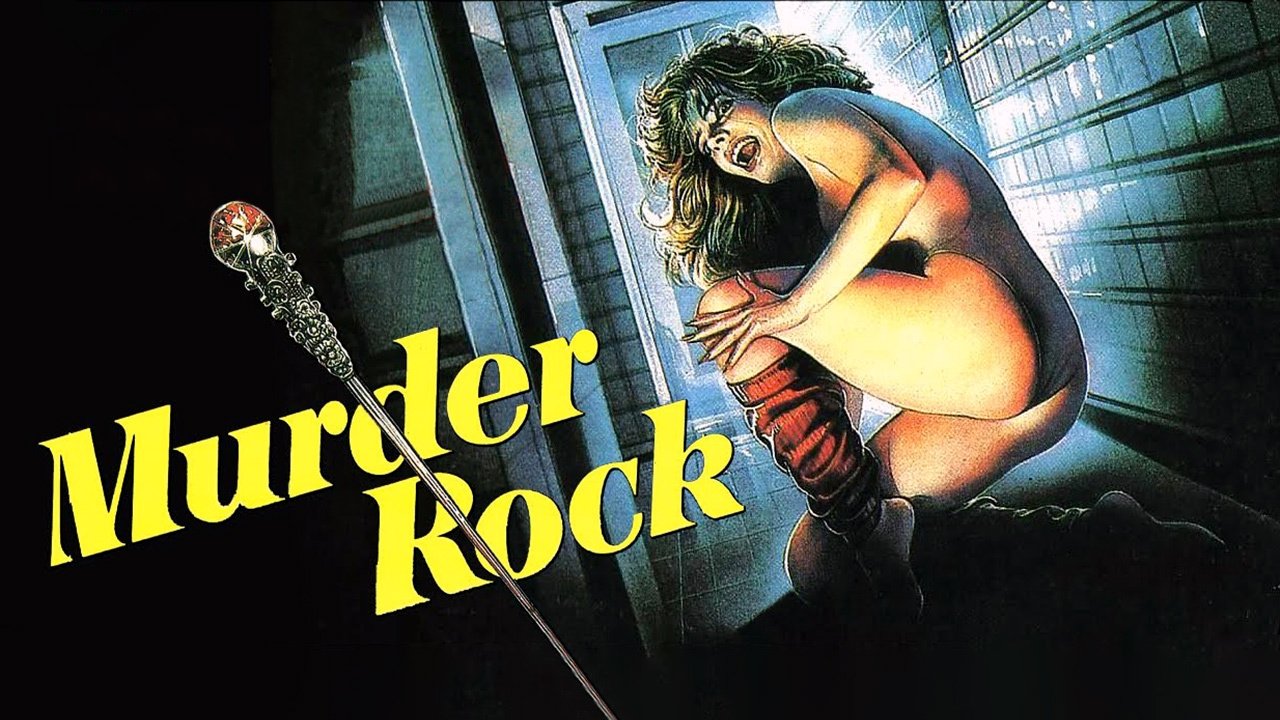
The flickering static clears, and the screen floods with the impossible neon glow of leg warmers and ambition, soundtracked by synthesizers that pulse with an almost desperate energy. But beneath the polished chrome and striving bodies of the Arts for Living Center in New York, something colder waits. This is the strange terrain of Murder Rock (1984), a film where the sweat-drenched world of competitive dance collides head-on with the icy precision of a Giallo killer. It occupies a curious corner in the blood-splattered filmography of the Italian maestro of menace, Lucio Fulci, a director more readily associated with the gut-churning horrors of Zombi 2 (1979) or the surreal nightmare logic of The Beyond (1981).
Neon Dreams, Nightmare Fuel
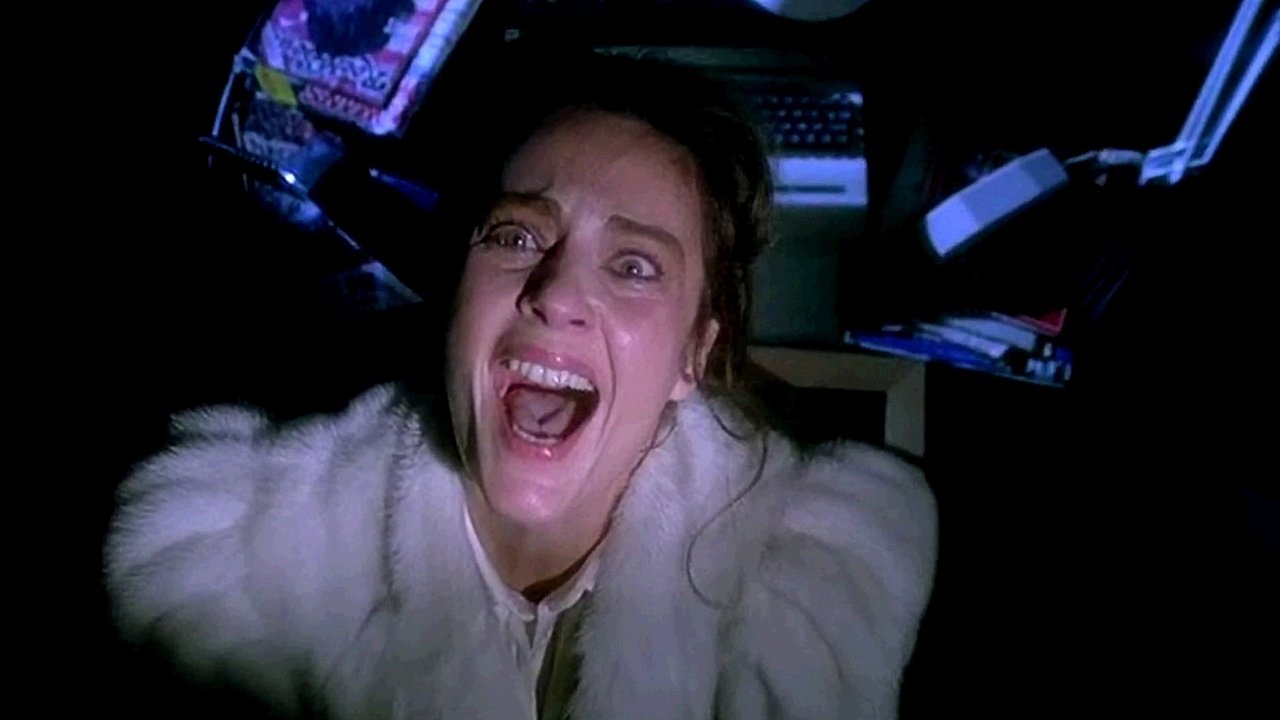
The premise itself feels like a fever dream cooked up in a video store back room: a prestigious dance academy becomes a hunting ground. Ambitious young dancers are being picked off one by one, dispatched by a mysterious assailant wielding a long, slender hatpin – a weapon both elegant and intimate in its cruelty. Candice Norman (Olga Karlatos, forever etched in horror memory for her gruesome encounter with a wood splinter in Fulci's Zombi 2) is the academy's demanding owner and choreographer, pushing her students towards perfection while a deadly threat circles ever closer. The setup screams 80s: the high-stakes competition, the synthesized pop beats, the lingering influence of 1983's Flashdance phenomenon practically steaming off the screen. Fulci, alongside his writing collaborators (Gianfranco Clerici, Roberto Gianviti, Vincenzo Mannino), leans into this aesthetic, perhaps aiming for a more commercially palatable, Americanized thriller after the visceral excesses that defined his earlier work. Indeed, much of the film was shot on location in New York, lending it an air of authenticity often missing from Italian productions trying to fake the Big Apple.
Fulci on Autopilot, or a Change of Pace?
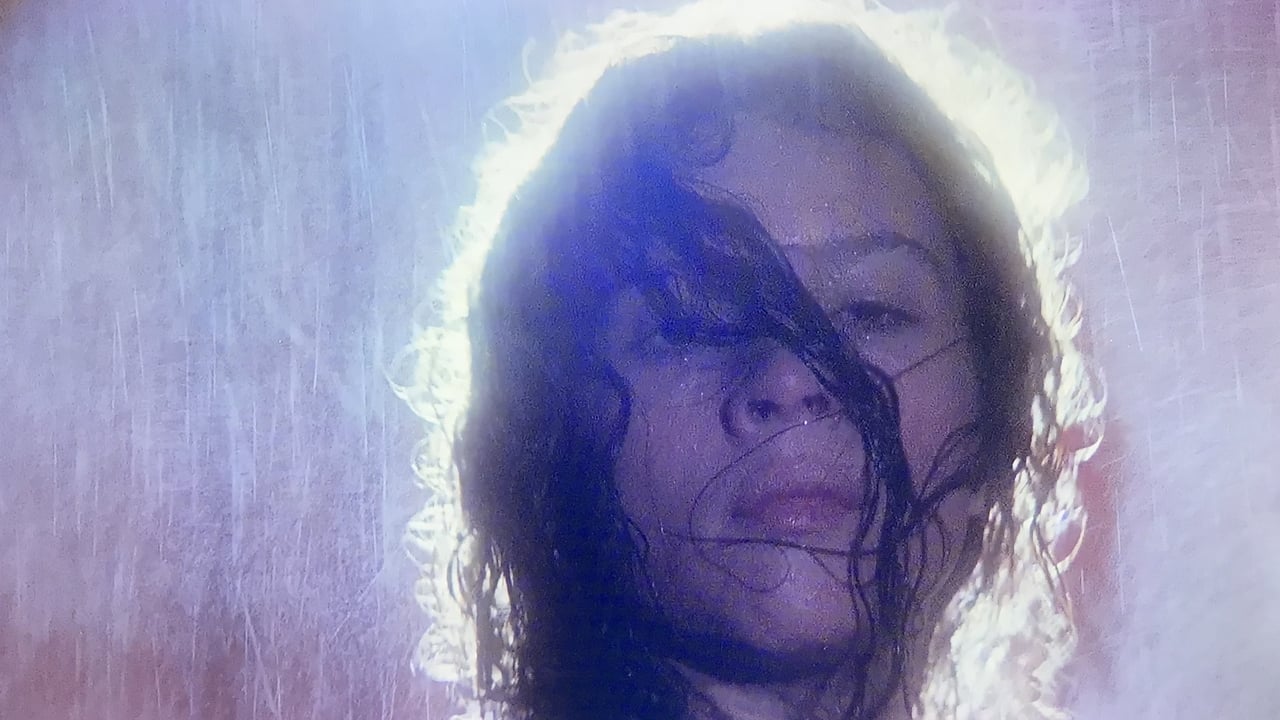
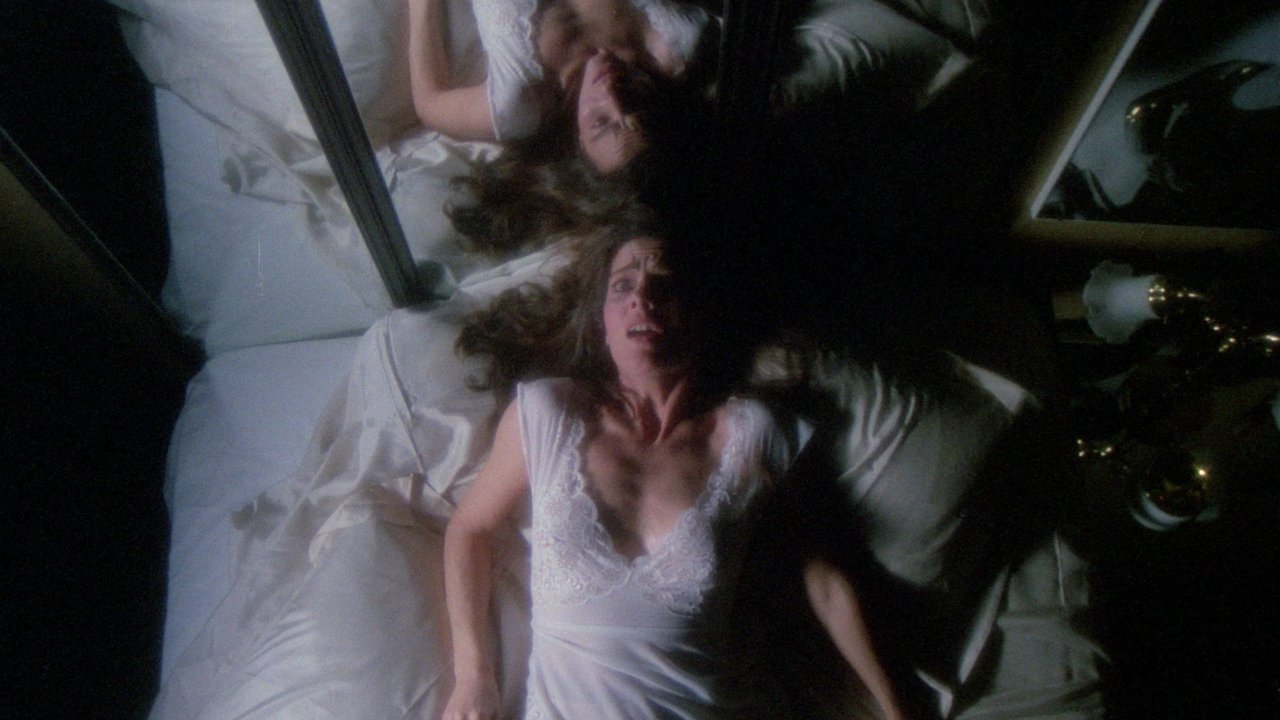
Fans expecting Fulci's signature graphic mayhem might feel a pang of disappointment. Murder Rock is comparatively restrained, favoring suspense and stylized murder sequences over explicit gore. The director's visual flair is still present – there are deliberate compositions, atmospheric lighting choices, and the occasional unsettling POV shot from the killer's perspective. However, there's a sense that Fulci's heart might not be entirely in the Giallo game here. The intricate plotting and red herrings typical of the genre feel somewhat perfunctory, serving more as connective tissue between the extended dance numbers and the bursts of violence. It lacks the raw, almost primal energy of his best work, trading it for a slicker, more polished feel that doesn't always gel. Was this a conscious shift, or perhaps the result of studio pressure for something less likely to incite censorious outrage? The film certainly had a confused identity in the market, sometimes appearing under titles like Slashdance or The Demon Is Loose, trying desperately to find its niche.
The Sound of Suspense (and Synthesizers)
One element that undeniably elevates Murder Rock is its pulsating, instantly recognizable score by prog-rock legend Keith Emerson (of Emerson, Lake & Palmer fame). Emerson, who had previously scored Dario Argento's Inferno (1980), brings a unique energy to the proceedings. His synthesizer themes range from drivingly energetic during the dance routines to genuinely unsettling and atmospheric during moments of suspense. The main theme is an absolute earworm, lodging itself in your brain long after the credits roll. It's a score that perfectly encapsulates the film's bizarre fusion of high energy and creeping dread, arguably doing more heavy lifting for the atmosphere than the direction itself at times. Does it always fit perfectly? Maybe not. But does it make the film infinitely more memorable? Absolutely.
Bodies in Motion, Bodies at Rest
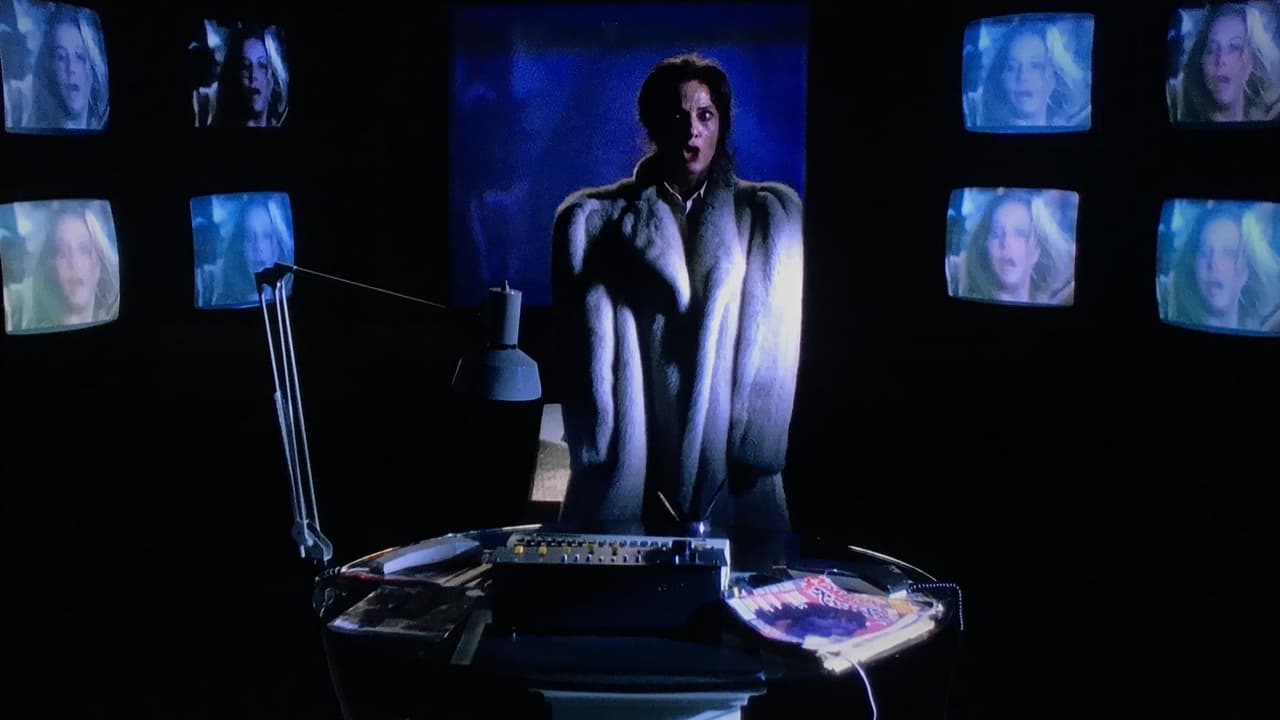
The performances are generally serviceable for the type of film it is. Olga Karlatos brings a certain intensity to Candice, a woman driven by ambition yet haunted by the violence invading her sanctuary. Ray Lovelock, a familiar face from numerous Italian genre films like The Living Dead at Manchester Morgue (1974), appears in a somewhat underdeveloped role, adding a touch of grizzled charm but lacking significant impact on the central mystery. The young dancers fulfill their roles adequately, projecting the required mix of aspiration and eventual terror. However, the real stars here, besides the killer's hatpin, are the endless dance sequences. They are pure, unadulterated 80s – aerobic energy, dramatic posing, and choreography that feels very much of its time. Whether you find them exhilarating or excruciatingly long likely depends on your tolerance for vintage jazzercise aesthetics. I distinctly remember renting this tape, drawn in by Fulci's name, and being utterly bewildered by the sheer volume of dancing – it felt like Fame had taken a very dark turn.
The Giallo Puzzle Box
As a Giallo, Murder Rock hits some of the required beats: the black-gloved killer (though here, the hands are often bare), the distinctive murder weapon, the investigation riddled with potential suspects, and a final reveal that attempts a twist. Does that twist genuinely shock you? Perhaps not as effectively as the genre's finest examples. The motive feels a little thin, and the path to uncovering the killer isn't paved with the most ingenious clues. The murder set pieces themselves are stylishly shot but lack the intricate, almost operatic quality found in Argento's work or even Fulci's own more brutal sequences elsewhere. The hatpin plunging into flesh is certainly wince-inducing, enhanced by Fulci's knack for unsettling sound design, but the suspense often feels secondary to the soundtrack and the dance floor dramatics.
Legacy of the Lycra-Clad Killer
Watching Murder Rock today is a peculiar experience. It’s undeniably dated, a time capsule of early 80s aesthetics clashing awkwardly with Italian thriller conventions. Yet, there's an undeniable charm to its oddity. It’s Fulci attempting something different, even if the execution is uneven. The Keith Emerson score remains a highlight, and the sheer audacity of blending a Flashdance-inspired plot with a Giallo slasher structure makes it a unique footnote in horror history. It’s not top-tier Fulci, nor is it a standout Giallo, but for fans of the era's stranger cinematic offerings, it holds a certain fascination. It’s that weird tape you might have rented on a whim, expecting one thing and getting something… else entirely. Remember that feeling?
Rating: 6/10
The score might be generous, leaning heavily on the killer Keith Emerson soundtrack, the inherent weirdness factor, and a residual affection for Fulci's willingness to even attempt this strange hybrid. The plot is shaky, the Giallo elements underdeveloped, and the dance sequences can test patience. Yet, its unique atmosphere and sheer 80s-ness make it a memorable, if flawed, slice of retro cinema.
Final Thought: Murder Rock remains a fascinating oddity – less a masterpiece of horror, more a bizarre, synthesizer-scored collision of genres that could only have happened in the wonderfully strange landscape of 80s Italian exploitation cinema.