The glossy sheen of perfection, meticulously crafted and captured on film, holds a dark allure. But what happens when the eye behind the lens belongs not to an admirer, but to a predator? When the very beauty celebrated becomes the blueprint for violation? This unsettling premise beats at the heart of Lamberto Bava's 1987 Giallo outing, Delirium (originally, and perhaps more aptly, titled Le Foto di Gioia in its native Italy), a film that drowns the viewer in late-80s excess while simultaneously plunging a knife into its decadent heart.
Glamour and Gore Collide
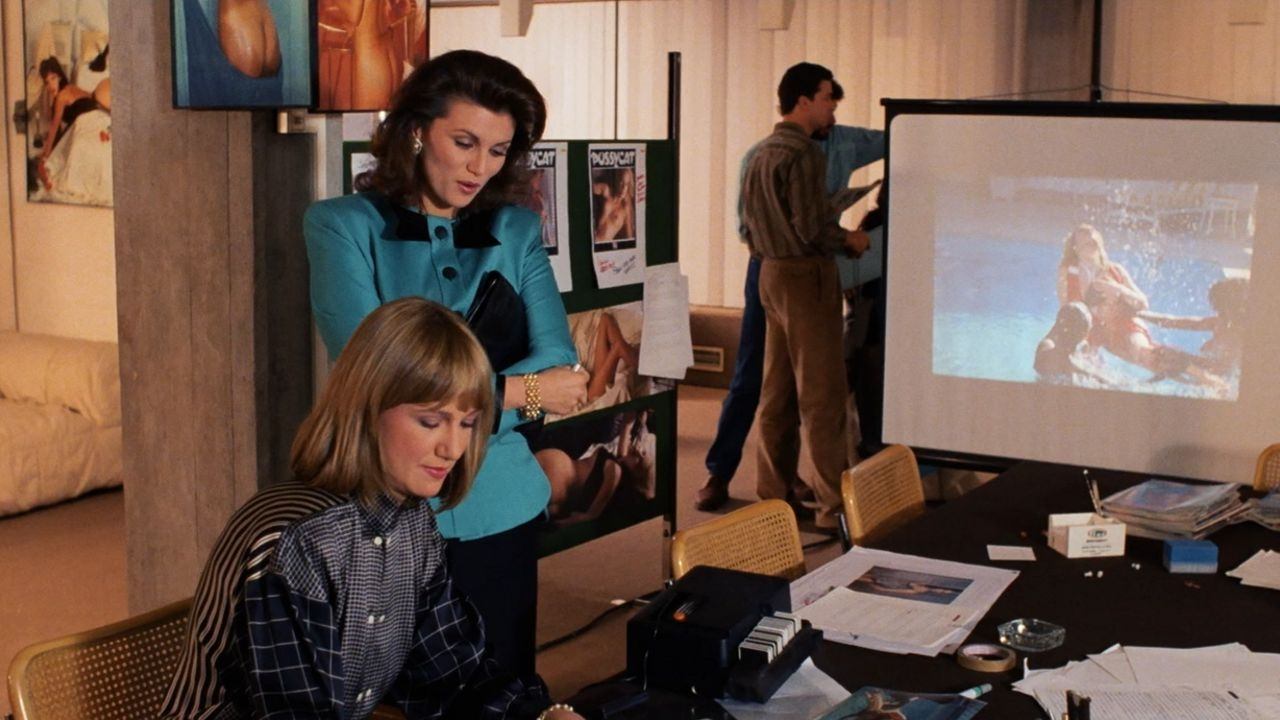
We're pulled into the world of 'Pussycat', a high-end men's magazine run by the impossibly glamorous Gioia, played by Italian screen siren Serena Grandi. Her life is a whirlwind of photoshoots, luxurious apartments, and the casual hedonism that seemed to define a certain strata of 1980s European cinema. But a shadow falls across this sun-drenched existence. A black-gloved killer begins recreating the magazine's provocative photo spreads, substituting models with victims and props with deadly weapons. The killer's calling card? Gouged-out eyes on Gioia's own published photographs, a chilling promise of horrors to come. It’s a setup dripping with classic Giallo potential: the beautiful woman in peril, the stylish backdrop concealing rot, and a killer operating with a perverse artistic logic.
Bava's Neon-Soaked Nightmare
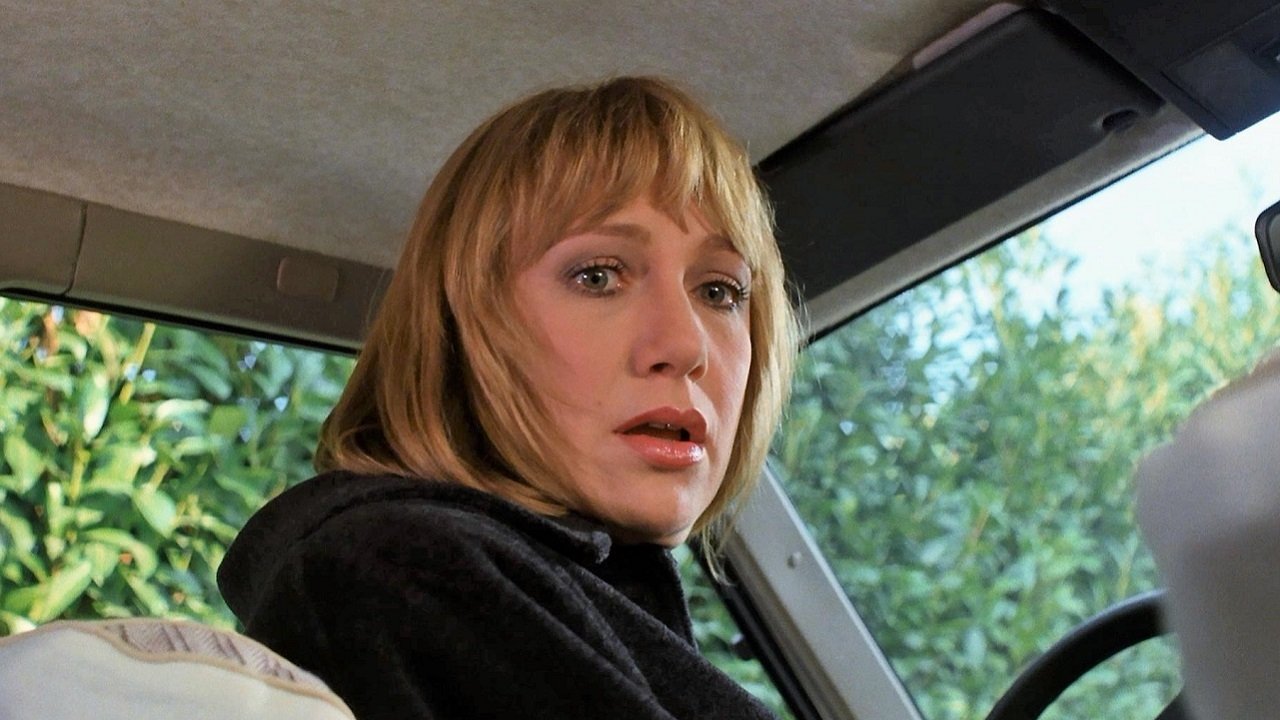
Stepping away momentarily from the demonic chaos of Demons (1985) and Demons 2 (1986), Lamberto Bava, son of the legendary Mario Bava, attempts to inject the fading Giallo genre with a dose of high-octane 80s energy. The result is less a traditional mystery, more a lurid fever dream painted in neon and chrome. The atmosphere is thick with a specific kind of late-decade Italian sleaze – think sharp suits, synthesized scores, and an almost fetishistic focus on surfaces. Bava leans heavily into the visual language of fashion photography and music videos, creating sequences that are undeniably striking, even if narrative cohesion occasionally takes a backseat. The pulsating electronic score by Simon Boswell, who also scored Argento's Phenomena (1985), perfectly complements this hyper-stylized dread.
Creative Cruelty and Censorial Headaches
Let's be honest, for many VHS hounds delving into late-era Giallo, the kills are a major draw, and Delirium doesn't disappoint in the creativity department. This isn't just straightforward stabbing; the killer employs methods directly inspired by Gioia’s photoshoots, leading to some memorably baroque sequences. The infamous scene involving bees is pure nightmare fuel, a testament to the power of practical effects to crawl right under your skin in a way CGI rarely manages. Another set piece involving a pitchfork in a darkened farmhouse feels like a brutal intrusion of the rural gothic into the film's otherwise urban chic. This dedication to inventive, often nasty, violence understandably caused headaches with censors, leading to various cuts floating around the international video market. That international title change, slapping Delirium onto the front, feels like a deliberate marketing ploy to emphasize the shock value for audiences hungry for the next horror hit. It’s whispered that veteran Giallo scribe Dardano Sacchetti (The Beyond, Demons) had a hand in the script, and his touch might be felt in the sheer audacity of some of these deadly scenarios.
Faces in the Frame
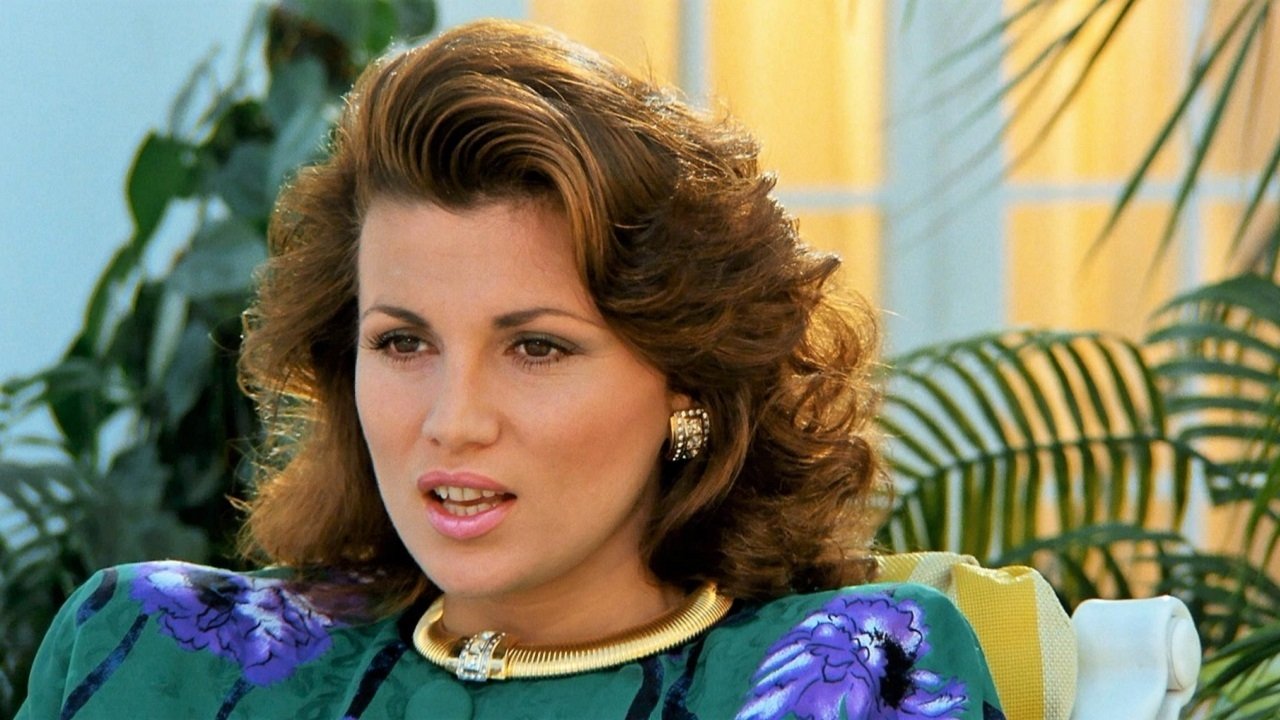
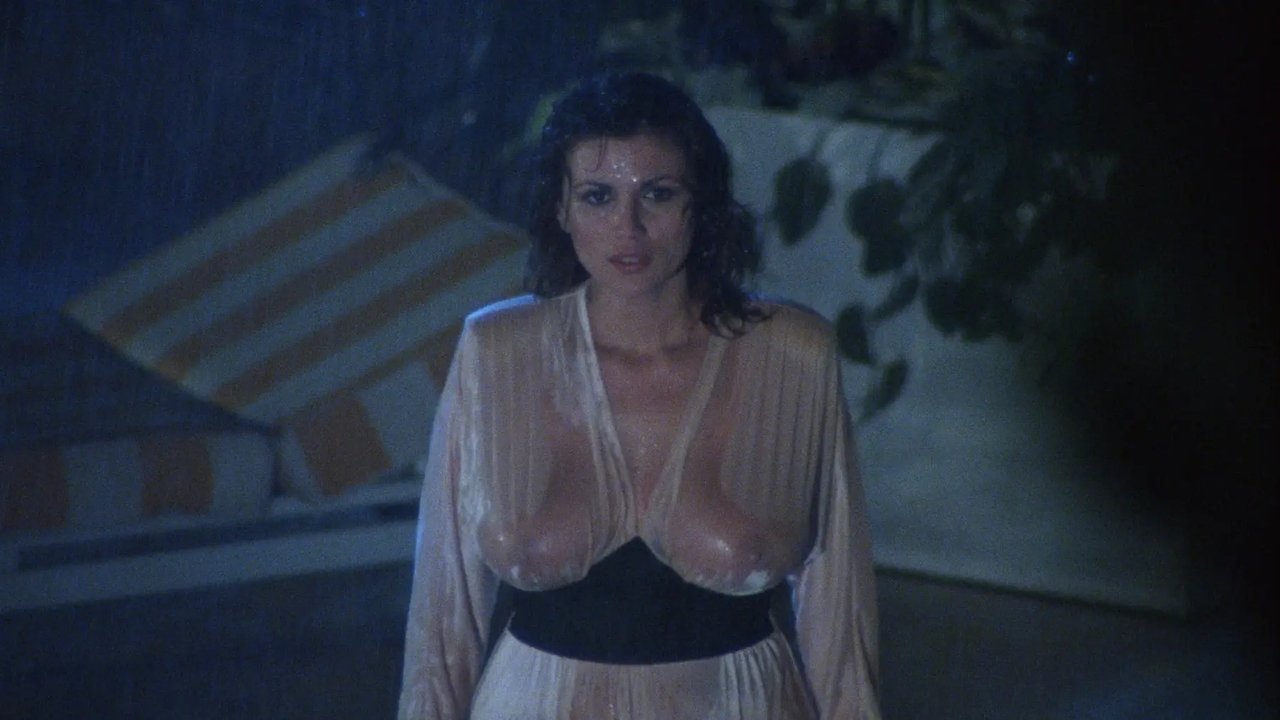
At the centre of it all is Serena Grandi. A major Italian sex symbol at the time, her casting as the head of a men's magazine adds a layer of meta-commentary, blurring the lines between her public persona and the character navigating this dangerous world. She embodies the film's aesthetic – stunning, slightly aloof, caught between power and vulnerability. Lending considerable genre weight is the legendary Daria Nicolodi (Argento's collaborator and muse in classics like Deep Red (1975) and Tenebrae (1982)). Her presence as Gioia's sharp, enigmatic editor, Flora, feels like a deliberate nod to Giallo royalty, adding a touch of class and suspicion. While the plot might meander, the cast, particularly these two leads, keep things anchored.
Style Over Substance? Perhaps.
Delirium often faces criticism for prioritizing its visual flair over a tightly constructed mystery. The plot twists and red herrings feel somewhat perfunctory, the killer's identity perhaps less shocking than the methods employed. Did that final reveal genuinely surprise you back in the day, or was the journey the main event? Yet, to dismiss it solely on narrative grounds misses the point. This film is an experience, a time capsule of a specific moment in Italian horror filmmaking where aesthetics threatened to consume everything else. It’s a Giallo filtered through the lens of MTV, obsessed with surfaces, textures, and the unsettling juxtaposition of high fashion and low death. Watching it now evokes that specific late-night rental feeling – maybe slightly confusing, definitely stylish, and punctuated by moments of startling brutality that stuck with you long after the tape clicked off. I distinctly remember the provocative cover art leaping out from the shelf at the local video store, promising something slick and dangerous.
Final Verdict
Delirium: Photo of Gioia isn't peak Giallo, nor is it Lamberto Bava's most celebrated work. Its narrative threads can feel thin, and the mystery element doesn't quite satisfy in the way the genre's classics do. However, as a slice of excessive, visually arresting, and memorably nasty 80s Italian horror, it holds a unique fascination. It's a film that commits fully to its high-gloss, high-gore aesthetic, delivering unforgettable set pieces and wallowing in a specific brand of stylish dread. For fans of Euro-horror, late-era Gialli, or anyone nostalgic for the days when horror films felt this unapologetically lurid and visually ambitious, Delirium offers a potent, if flawed, cocktail.
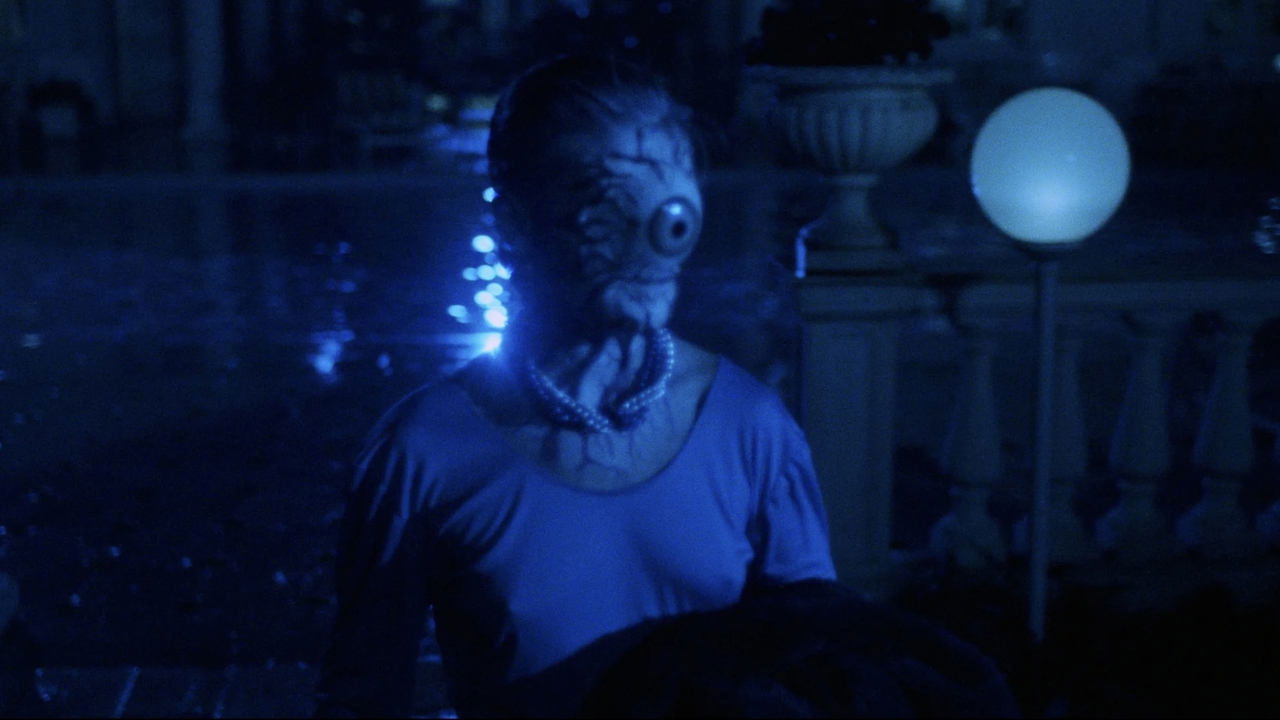
Rating: 6/10
Justification: The score reflects the film's undeniable visual flair, memorable kills, strong atmosphere, and its status as a fascinating, if imperfect, example of late-80s Italian genre filmmaking. Points are deducted for a relatively weak central mystery and sometimes uneven pacing. It's a cult item best appreciated for its specific brand of stylish excess rather than narrative perfection.
Final Thought: While perhaps not reaching the delirious heights its international title suggests, Delirium remains a potent snapshot of Giallo's late, decadent phase – more interested in the beauty of the wound than the solving of the crime.