Alright, settle in, grab your beverage of choice – maybe something in a can with questionable neon graphics – and let’s talk about a flick that was pure gold on the New Releases shelf back in the day. I distinctly remember the cover art for China O’Brien hitting me square between the eyes at the local video haunt. A woman, clearly not taking any guff, poised for action? In 1990, that felt revolutionary, especially headlining her own American action vehicle. This wasn't some damsel needing rescue; this was Cynthia Rothrock, and she was here to crack skulls.

### Big City Cop, Small Town Trouble
The setup is classic, comfortable-slippers stuff: Lori O'Brien, nicknamed "China" (don't ask, the movie barely explains it), is a tough city cop and martial arts instructor who, after a tragic incident involving excessive force (a theme handled with... well, 1990s direct-to-video nuance), hangs up her badge and returns to her small Utah hometown. Of course, Beaver Creek (yes, really) isn't the sleepy haven she remembers. It's now firmly under the thumb of a corrupt local businessman, played with standard-issue sliminess by the bad guy template of the era. Naturally, China’s old flame (Richard Norton) and another enigmatic martial artist (Keith Cooke) get pulled into the mix as she decides the only way to clean up this town is with fists and feet of fury.
The plot isn't exactly reinventing the wheel, let's be honest. It’s a sturdy, reliable chassis for what we all rented this tape for: watching Cynthia Rothrock kick the ever-loving stuffing out of legions of disposable henchmen. And on that front, China O’Brien delivers the goods, straight no chaser.

### The Rothrock Revolution
You have to understand, seeing Cynthia Rothrock headline an American action movie felt significant. Sure, we'd seen glimpses of her kicking serious butt in Hong Kong imports (often alongside Michelle Yeoh in classics like Yes, Madam from 1985), but this was her show, stateside. A five-time World Karate Champion before stepping into film, Rothrock's physical prowess was undeniable. She moved with a speed and precision that few could match, male or female. Her scorpion kick remains a thing of lethal beauty. The film was a passion project for producer and writer Sandra Weintraub, widow of Enter the Dragon producer Fred Weintraub, who specifically wanted to craft a vehicle for a powerful female action lead. You can feel that intention – even if the script sometimes saddles China with clunky dialogue, her actions speak volumes.
### Real Fights, Real Feel
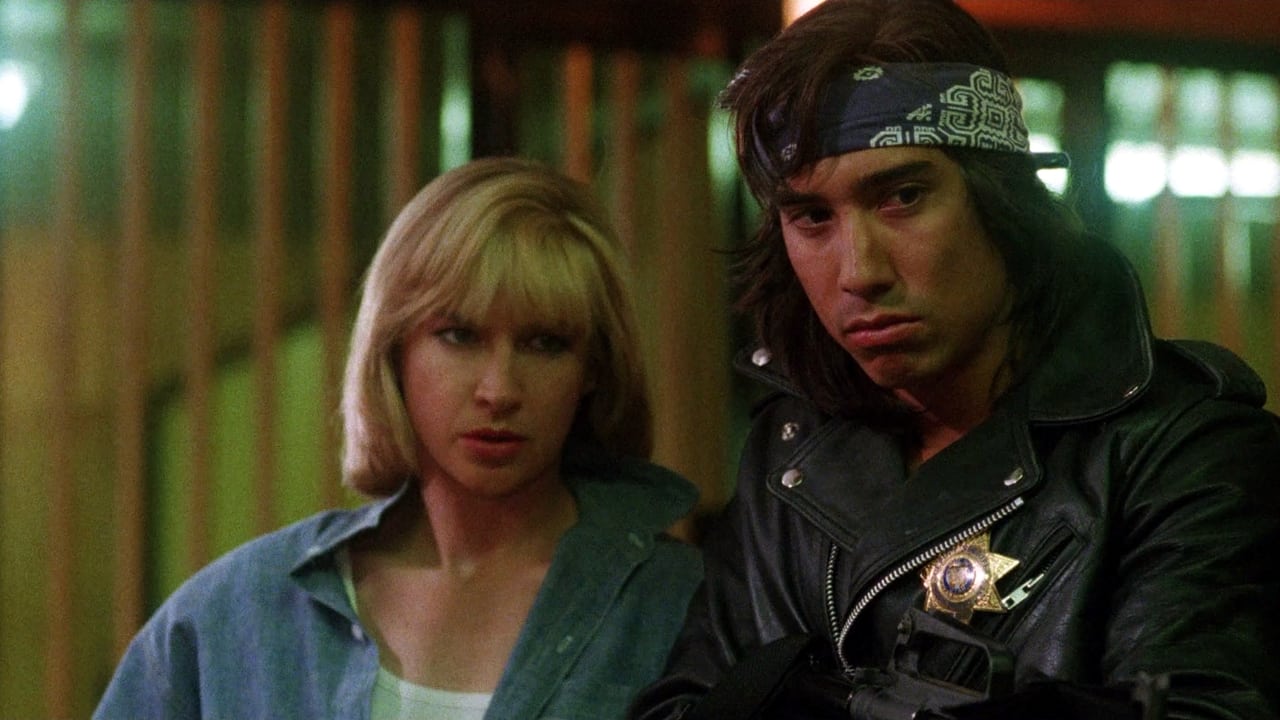

And let's talk about that action. Directed by Robert Clouse, the very man who helmed Bruce Lee's iconic Enter the Dragon (1973), there's a certain old-school legitimacy to the fight choreography. Clouse, who was notably near-deaf and directed action largely through visual instinct, knew how to frame a fight. This isn't the hyper-edited, shaky-cam stuff we often see today. The camera pulls back enough to let you appreciate the performers' skills.
The impacts feel real. Remember how grounded action felt back then? You saw the stunt performers taking the hits, tumbling over furniture, crashing through flimsy walls. There's a satisfying crunch to it all. Richard Norton, another legitimate martial artist and frequent Rothrock co-star, brings his own brand of rugged charisma and solid fighting skills. And Keith Cooke, holy smokes, that guy's kicks were lightning fast! He'd later gain more recognition as Reptile in Mortal Kombat (1995), but here, he’s a whirlwind of aerial maneuvers. There’s a raw energy to these scenes, filmed practically on location in Park City, Utah, that CGI often smooths over today. Sure, some of the punches might visibly miss by a hair, and maybe that breakaway table looks a little too ready to break, but that’s part of the charm, isn't it? It felt tactile, dangerous.
### Peak Video Store Staple
China O’Brien wasn't a box office smash; it was born for the VHS market, produced by Golden Harvest (the studio behind many Jackie Chan hits) specifically for that direct-to-video boom. And it found its audience there, nestled between the bigger budget actioners. Finding this on the shelf felt like uncovering a hidden gem. It was popular enough that they filmed the sequel, China O'Brien II, back-to-back – a common cost-saving measure for these kinds of productions. Did critics rave? Probably not. But for fans craving solid martial arts action with a unique lead, it hit the spot. It solidified Rothrock’s place in the hearts of Western action fans, even if Hollywood never quite figured out how to fully utilize her unparalleled talents afterwards.
The film absolutely screams "1990" – the fashion, the mullets on some of the bad guys, the earnest synth score that swells at just the right moments. It’s a time capsule wrapped in roundhouse kicks. Watching it now evokes that specific feeling of discovery, of finding something cool and maybe a little under-the-radar at the video store on a Friday night.
---

Rating: 7/10
Justification: While the plot is boilerplate and the dialogue occasionally clunky, China O’Brien delivers exactly what it promises: non-stop, well-choreographed martial arts action headlined by the genuinely trailblazing Cynthia Rothrock. The practical stunts and fight scenes, directed by genre veteran Robert Clouse, hold up surprisingly well, offering a satisfyingly crunchy alternative to modern CGI-heavy fare. It's a quintessential piece of direct-to-video action history, carried by the charisma and incredible physical talents of its lead and key supporting players like Richard Norton and Keith Cooke. It earns points for its pioneering female lead and pure, unadulterated early 90s action vibe.
Final Word: Forget nuanced storytelling; China O’Brien is pure, unpretentious VCR fuel, best enjoyed loud with a healthy appreciation for scorpion kicks and the days when action heroes did their own stunts (mostly). Pop it in and remember when fight scenes felt like they could actually leave a bruise.