It begins, not with a bang, but with the muffled thud of an Allied bomb interrupting a wedding kiss. In that single, jarring moment, Rainer Werner Fassbinder encapsulates the fractured reality of post-war Germany, setting the stage for The Marriage of Maria Braun (1979), a film that feels less like a simple story and more like a nation’s fever dream played out through the fierce ambition of one woman. This wasn't the kind of tape you grabbed for a casual Friday night from the video store shelf, nestled perhaps between more brightly colored action or comedy boxes, but finding it felt like uncovering something vital, a potent piece of cinema that lingered long after the VCR clicked off.
A Portrait of Resilience, or Ruthlessness?
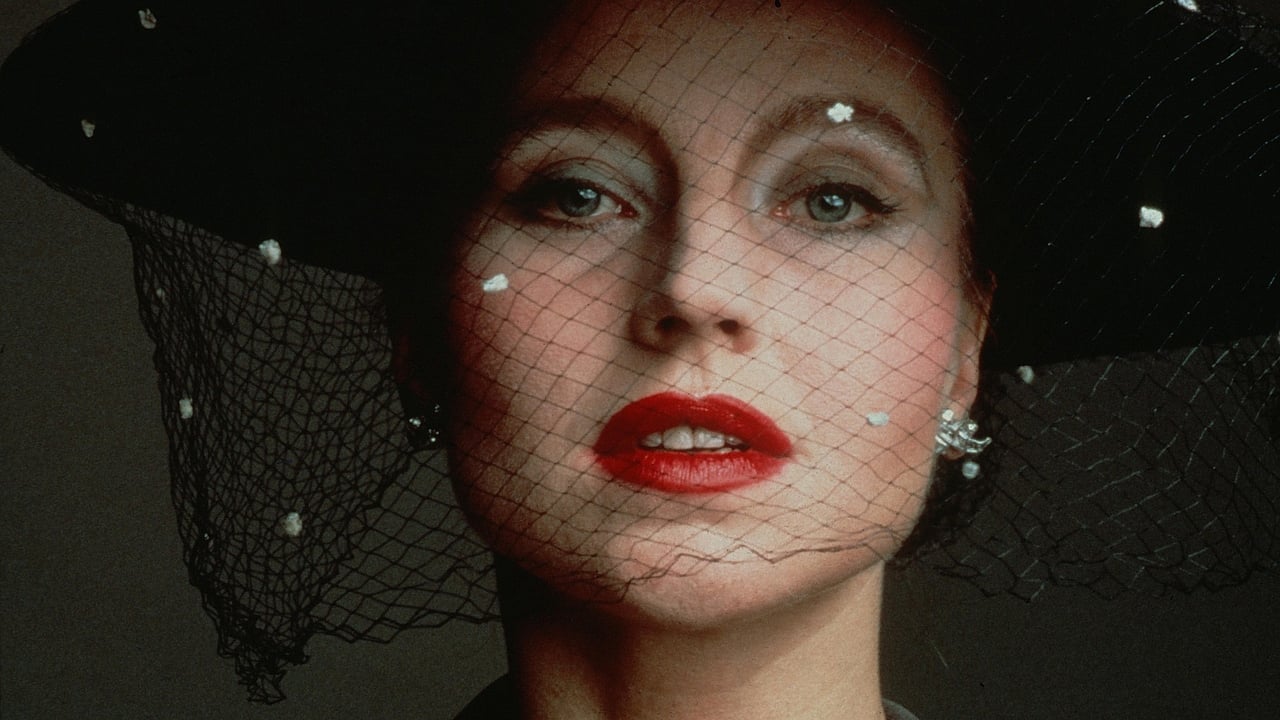
At the heart of it all is Hanna Schygulla's unforgettable Maria Braun. Married for half a day before her husband Hermann (Klaus Löwitsch) returns to the front, Maria embodies the desperate pragmatism required to survive the ruins of 1945. She's not merely waiting; she's adapting, hustling, using her wits and allure to navigate the treacherous landscape of Allied occupation and the burgeoning "economic miracle." Schygulla's performance is a masterclass in controlled intensity. Watch her eyes – they flicker with calculation, vulnerability, and an almost unnerving self-assurance. She builds a life, brick by painful brick, ostensibly for the day Hermann returns, but does that initial purpose become lost in the drive itself? Does the goal become the accumulation, the power, the sheer act of thriving against the odds?
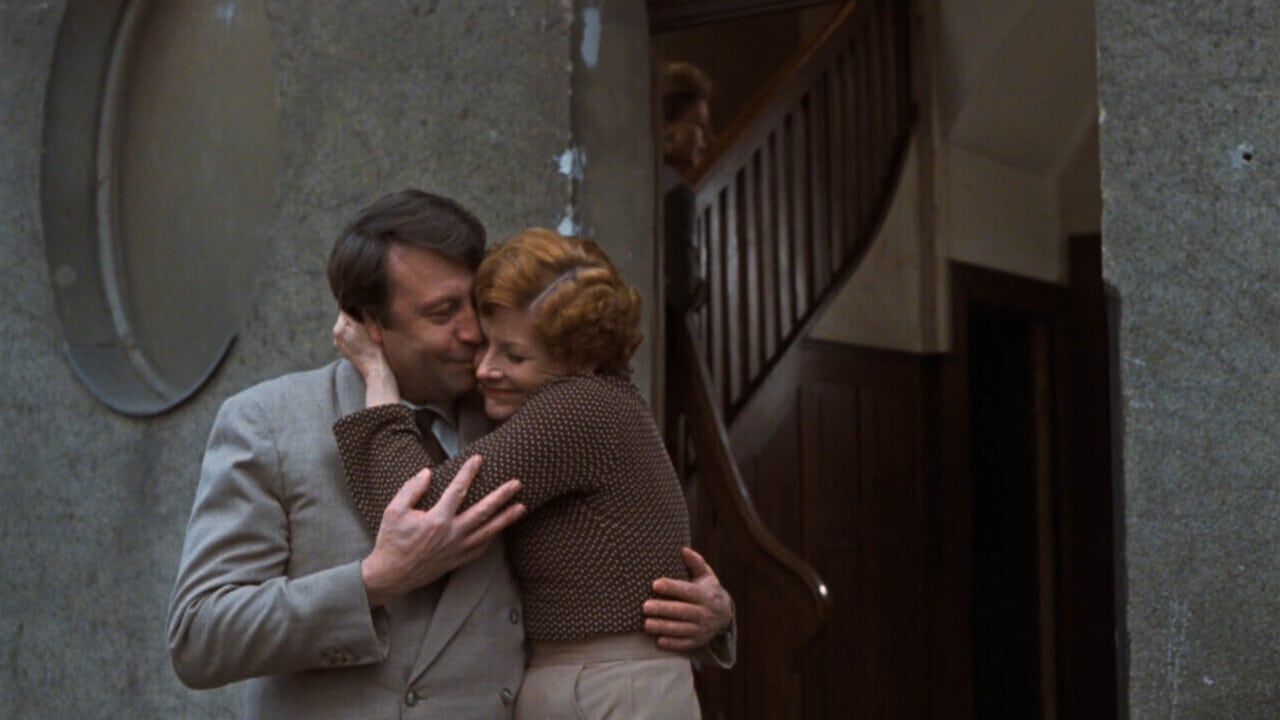
Fassbinder, ever the sharp social critic, uses Maria's journey as a powerful allegory for West Germany's own post-war trajectory. The relentless focus on economic recovery, the willful forgetting of the recent past, the moral compromises made in the name of progress – it’s all mirrored in Maria’s increasingly transactional relationships. Her affair with Bill, a kind-hearted Black American GI, provides temporary solace and security, but ends tragically. Her later entanglement with the wealthy industrialist Karl Oswald (Ivan Desny) secures her financial future, built on a chillingly detached agreement made, unbeknownst to her initially, with her imprisoned husband. It’s a stark commentary on capitalism's allure and potential hollowness, where even love and loyalty seem to have a price tag.
Fassbinder's Touch
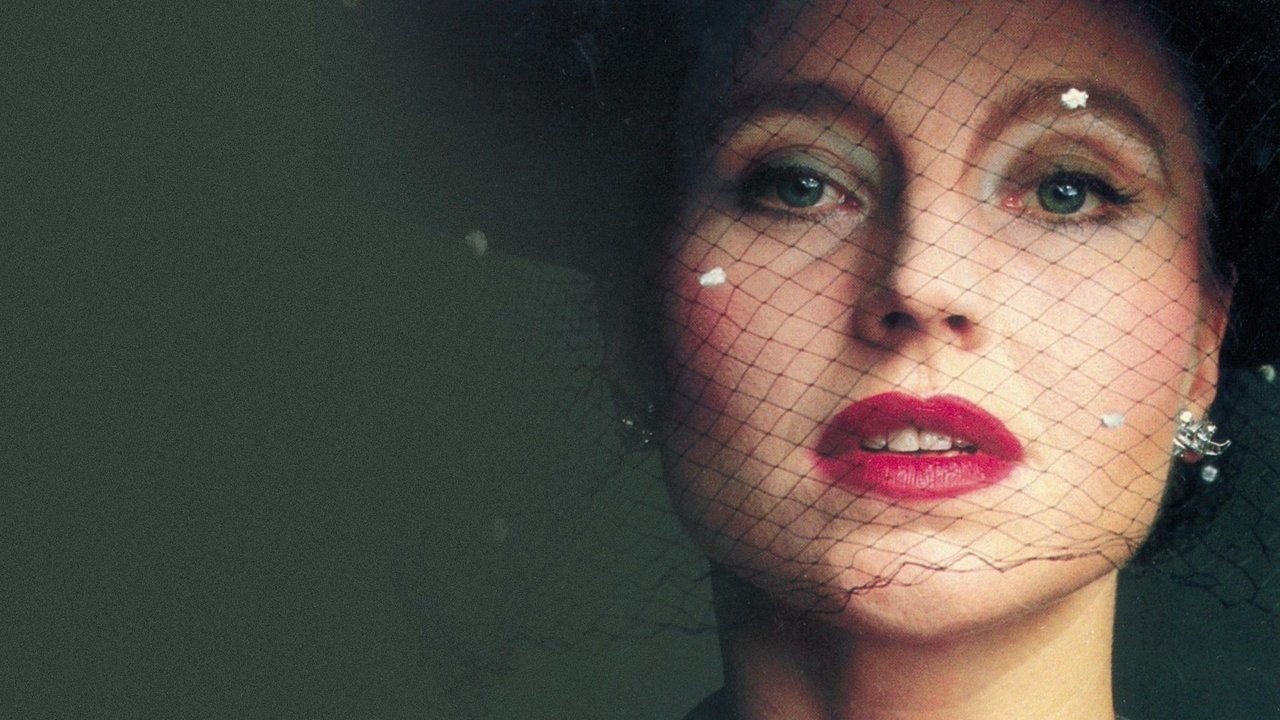
Known for his astonishingly prolific output (he directed over 40 features before his untimely death at 37), Rainer Werner Fassbinder worked with incredible speed and intensity. Maria Braun was reportedly shot relatively quickly, yet it possesses a meticulous, almost suffocating atmosphere. The framing often isolates Maria, even when she's surrounded by people, emphasizing her internal loneliness despite her outward success. Fassbinder masterfully uses sound – the persistent background noise of radio reports charting Germany's economic progress serves as an ironic counterpoint to Maria's personal unraveling. It’s subtle, but it creates this constant hum of history against which the intimate drama plays out.
It's worth remembering that Fassbinder, alongside directors like Wim Wenders and Werner Herzog, was a key figure in the New German Cinema movement, which sought to confront Germany's past and present in ways the mainstream entertainment industry often avoided. The Marriage of Maria Braun became Fassbinder's biggest international success, introducing his challenging, stylized vision to a wider audience. Perhaps you, like me, first encountered Fassbinder through this very film on a rented tape, a stark contrast to the Hollywood gloss we were perhaps more accustomed to, demanding a different kind of attention, a deeper level of engagement. It wasn't always comfortable viewing, but it felt important.

The Weight of Success
What makes Maria so compelling, and perhaps unsettling, is her ambiguity. Is she a feminist icon, taking control in a world trying to define her? Or is she a cautionary tale about sacrificing one's soul for material gain? Schygulla plays her perfectly in this gray area. There's a hardness that grows beneath the charm, a transactional quality that seeps into every interaction. The moments of genuine emotion – her brief joy with Bill, her complex loyalty to Hermann, her strangely affectionate rapport with Oswald – feel potent but increasingly fleeting. She achieves the German dream – wealth, status, independence – but at what cost? The film forces us to ask whether the relentless pursuit of rebuilding, personally and nationally, necessitates a kind of emotional anesthesia.
The production design subtly underscores this theme. As Maria climbs the social ladder, her surroundings become richer, more luxurious, yet colder, more impersonal. The warmth and camaraderie of the immediate post-war scenes give way to opulent but sterile environments. It’s as if the accumulation of things creates more distance, not less.
Enduring Resonance
The final scenes (Spoiler Alert! though the film's power lies less in plot twists and more in its cumulative effect) are devastatingly ironic. Maria finally has everything she seemingly worked for – Hermann's return, financial security – yet a moment of carelessness, or perhaps subconscious self-destruction, brings it all crashing down quite literally. Was it an accident born of distraction, or the inevitable endpoint for a life built on such precarious foundations? Fassbinder leaves it chillingly open, a final question mark hanging over the smoking ruins of Maria’s meticulously constructed life, and perhaps, over the very nature of the "miracle" she represented.
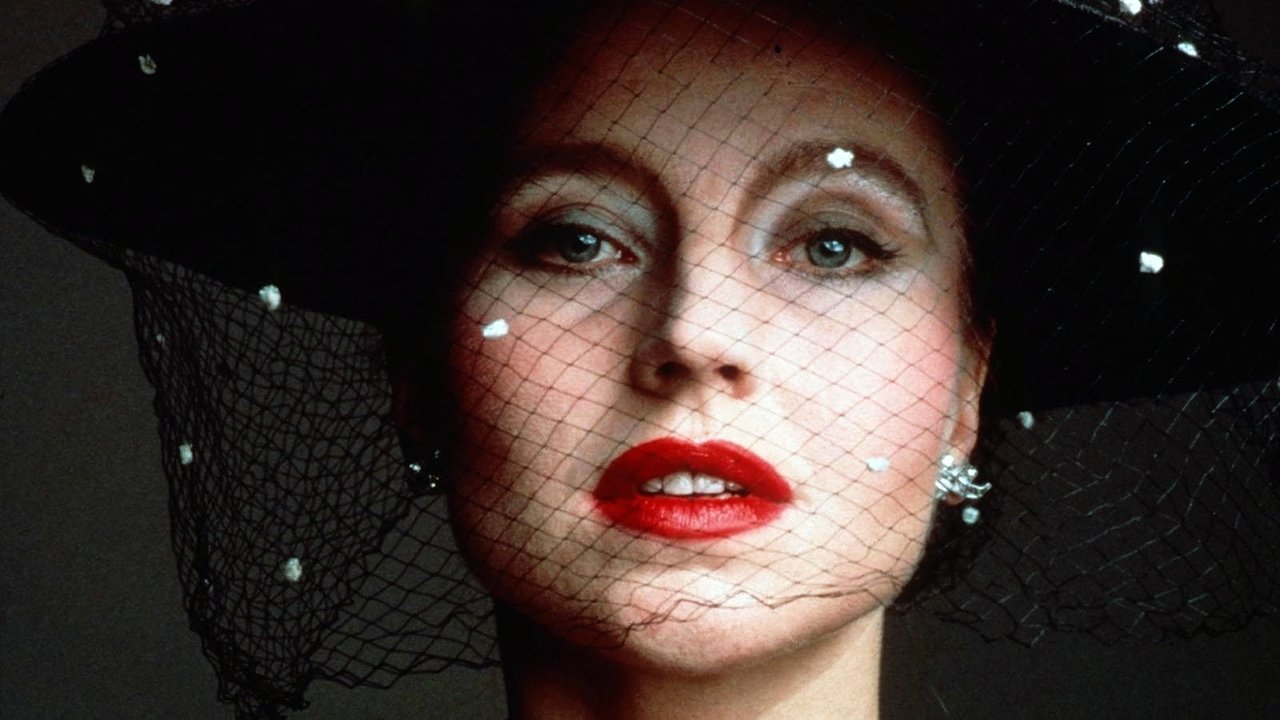
The Marriage of Maria Braun isn't a feel-good movie; it’s a challenging, deeply intelligent, and haunting piece of cinema. It dissects ambition, compromise, and the complex relationship between personal desire and national identity with unflinching honesty. Schygulla's central performance remains one of the greats, a magnetic portrayal of resilience teetering on the edge of self-destruction.
Rating: 9/10
This near-masterpiece earns its high score through Hanna Schygulla's towering performance, Rainer Werner Fassbinder's incisive direction, and its potent, enduring allegory for post-war Germany. It's a film that burrows under your skin, demanding reflection on the true cost of survival and success, making it a crucial piece of cinema history well worth seeking out, whether revisiting a cherished tape or discovering its power for the first time. It remains a stark reminder that sometimes the greatest economic miracles can mask the deepest personal bankruptcies.