It arrives like a clenched hand, doesn't it? F.I.S.T. lands with a weight, a seriousness of purpose that feels almost defiant, especially coming just two years after Sylvester Stallone exploded onto the scene as the underdog boxer we all cheered for. Here was Rocky Balboa, shedding the boxing gloves for the brass knuckles of union politics, aiming for something grander, something sprawling. Watching it again now, that ambition is palpable, stretching across its considerable runtime like the highways its trucker protagonists traverse. It might technically pre-date our usual 80s/90s stomping ground, hitting screens in 1978, but its gritty aesthetic and the weight of its themes feel right at home among the ambitious, character-driven dramas that often shared shelf space with the action flicks at the local video store.
Forged in the Fires of Idealism
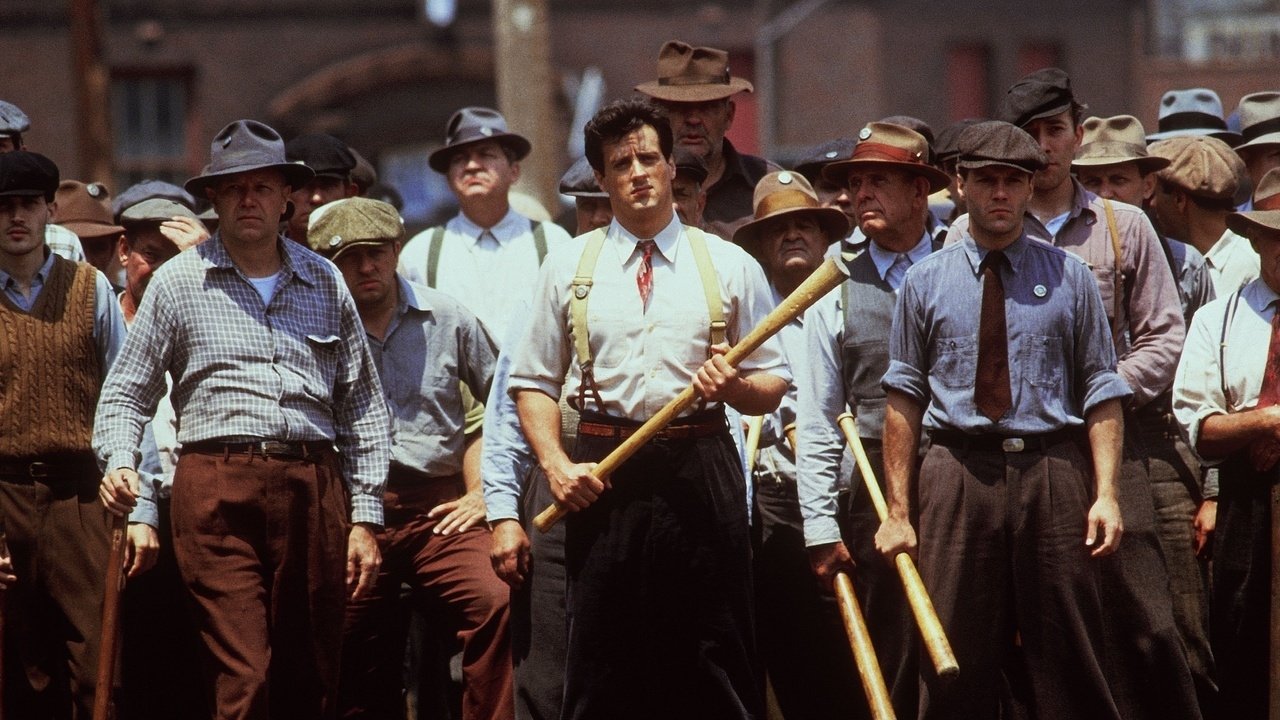
The film charts the rise of Johnny Kovak (Sylvester Stallone), a Cleveland warehouse worker who, witnessing the brutal exploitation of his fellow laborers in the 1930s, becomes a fiery organizer for the fictional Federation of Inter-State Truckers. Director Norman Jewison, a filmmaker never shy of tackling substantial social issues (think In the Heat of the Night (1967)), paints a stark picture of worker oppression and the desperate need for collective bargaining. The early scenes crackle with righteous anger and a sense of burgeoning hope. Kovak’s initial ascent feels earned, fuelled by genuine conviction and Stallone’s raw, physical presence. You believe in his commitment, his willingness to stand up when others won't. It’s a different kind of fight than Rocky’s, but the underdog spirit resonates.
The Weight of Compromise
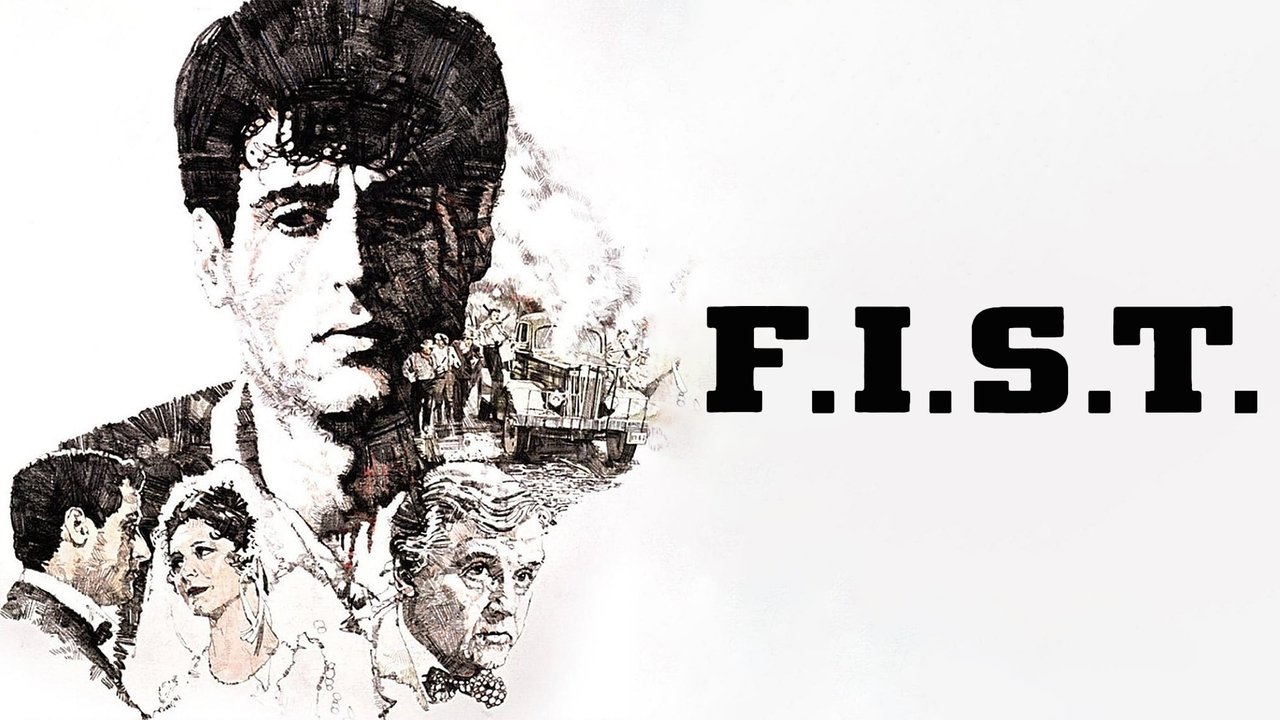
But F.I.S.T. isn't just a heroic tale of union triumph. It’s a slow burn examination of how power corrupts, how the noble fight can become entangled with morally grey alliances. As Kovak climbs the ladder, seeking the muscle needed to truly challenge the entrenched corporate powers, he makes a deal with the devil – organized crime. This central conflict, the compromising of ideals for perceived necessary evils, gives the film its dramatic engine. Stallone, working from a script by Joe Eszterhas (who would later pen starkly different hits like Basic Instinct (1992)) that he reportedly heavily rewrote, carries Kovak's transformation convincingly. You see the initial idealism harden, the spark in his eyes dimming slightly as the compromises mount. Does the end justify the means? The film forces us to wrestle with that question, and Kovak’s journey provides no easy answers. What starts as a fight for the working man slowly morphs into a battle to maintain personal power, a trajectory that feels tragically inevitable.
Titans in Support
While Stallone carries the narrative weight, the film is significantly bolstered by its incredible supporting cast. Rod Steiger, chewing scenery with relish as the politically ambitious Senator Madison, provides a formidable foil. His scenes with Stallone crackle with tension, a clash of different kinds of power and ambition. And then there’s Peter Boyle as Max Graham, Kovak’s close friend and fellow union man, whose loyalty and eventual disillusionment provide some of the film's most quietly powerful moments. Boyle, who we fondly remember from Young Frankenstein (1974) and later Everybody Loves Raymond, brings a grounded weariness that perfectly contrasts with Kovak's increasingly isolated intensity. Their shifting dynamic is heartbreaking.
Retro Fun Facts: Building an Epic
- Hoffa Echoes: While officially denied, the parallels between Kovak's story and the life (and disappearance) of controversial Teamsters boss Jimmy Hoffa are impossible to ignore, adding a layer of real-world resonance. Eszterhas reportedly spent years researching Hoffa before writing the script.
- Stallone's Stamp: Stallone's significant, albeit uncredited, rewrites were a point of contention with Eszterhas. Stallone focused more on Kovak's personal journey and motivations, shaping the character into something distinctly his own, moving away slightly from Eszterhas's more politically focused original draft.
- On Location Grit: Much of the film was shot on location in Dubuque, Iowa, chosen for its preserved period architecture which effectively doubled for 1930s Cleveland. Jewison utilized thousands of locals as extras for the large-scale union rallies and confrontation scenes, lending them an authentic, bustling energy rarely achieved solely through studio magic. The budget, around $11 million, was substantial for the time, reflecting the epic scope Jewison was aiming for.
- The Name Game: F.I.S.T. – The Federation of Inter-State Truckers. Simple, evocative, and setting the tone perfectly. It feels like something real, born from struggle.
An Ambitious Swing
Does F.I.S.T. fully succeed? It’s undeniably long, and its pacing can feel deliberate, demanding patience from the viewer – something perhaps more common in the era before remote controls made channel surfing an art form. Some critics at the time found it sprawling, perhaps even unwieldy. Yet, its ambition is undeniable. Jewison crafts a handsome, often grimly realistic portrait of an era and a struggle. The period detail feels authentic, the scale impressive. It aimed to be an American epic in the vein of The Godfather, tracing the moral compromises inherent in seeking and holding onto power within a specific American institution. While it might not reach those lofty heights, its earnestness and the central performances make it a compelling watch. It remains a fascinating waypoint in Stallone’s career, proving his dramatic range extended beyond the boxing ring long before Cop Land (1997).
***
Rating: 7.5/10
Justification: F.I.S.T. earns its score through sheer ambition, powerful supporting performances from Steiger and Boyle, and Stallone’s committed portrayal of Kovak’s complex arc. Jewison's direction provides a strong sense of time and place, tackling weighty themes with seriousness. It loses a few points for its sometimes slow pacing and considerable length, which might test modern attention spans, and perhaps for not quite reaching the transcendent level of the epics it evokes. However, its thoughtful exploration of power, corruption, and the compromises of leadership remains potent.
Final Thought: More than just a "Stallone movie," F.I.S.T. lingers as a sprawling, somewhat somber reflection on the cost of fighting the good fight, leaving you pondering just how easily idealism can curdle under pressure. A truly heavyweight drama from the cusp of the 80s.