Alright, fellow tape travelers, dim the lights, maybe adjust the tracking just a bit (you know the drill), and let's rewind to a truly weird and wonderful corner of the Hong Kong action explosion. Remember stumbling across those slightly battered VHS boxes in the 'Martial Arts' section, the ones with covers promising otherworldly battles and high-kicking heroes? Sometimes you hit gold, sometimes… well, sometimes you got something like 1978's Spiritual Kung Fu (拳精 / Quán jīng), and honestly? That was often just as memorable. This isn't Jackie Chan at his peak, not by a long shot, but it’s a fascinating, often baffling, and undeniably energetic pitstop on his road to superstardom.
### When Ghosts Teach Groovy Moves
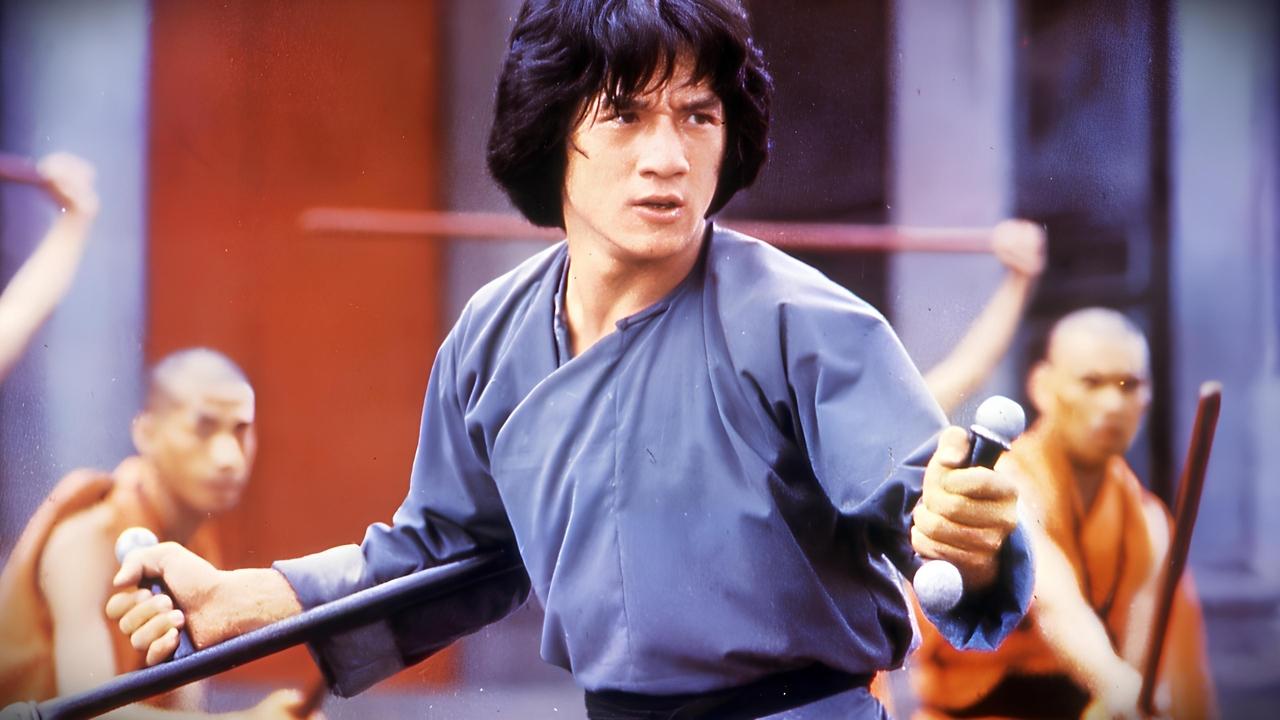
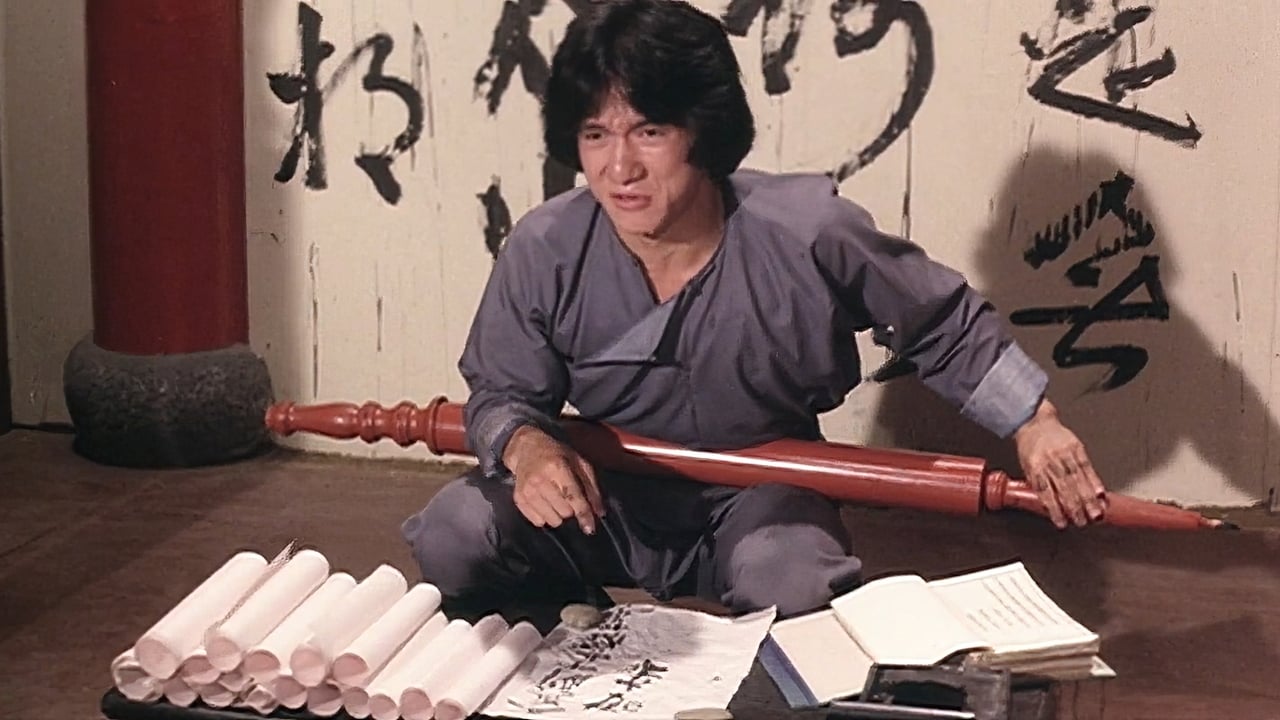
The premise alone is pure 70s Hong Kong fantasy logic: Jackie Chan plays Yi-Lang, a plucky but initially unskilled Shaolin lay student who accidentally stumbles upon the temple's most forbidden text, the "Seven Fist Style" manual. Unfortunately, a nefarious clan leader (played with reliable menace by the great James Tien) wants it too. But wait, there's more! Yi-Lang also encounters five bizarre, otherworldly guardians – spirits representing different emotions or elements, depending on who you ask – who look like they raided the costume department of a community theatre ghost train. These spectral mentors teach him their own unique fighting style, the "Five Style Fists," which basically involves mimicking their ghostly, sometimes goofy, movements.
If it sounds silly, that’s because it absolutely is. Yet, there’s an undeniable charm to the sheer audacity of it. This was Jackie Chan still largely under the directorial thumb of Lo Wei, the veteran director famous for helming Bruce Lee's early hits (The Big Boss, Fist of Fury). Lo Wei desperately wanted Jackie to be the next Bruce Lee – serious, intense, brooding. You can almost feel Chan straining against that mold here, injecting moments of physical comedy and vulnerability whenever he can sneak them past the boss. In fact, Spiritual Kung Fu was actually filmed before the movies that truly launched Jackie’s comedic kung fu persona, Snake in the Eagle's Shadow and Drunken Master (both also 1978). Feeling it didn't fit the serious mould he wanted, Lo Wei shelved Spiritual Kung Fu, only rushing it into release after those other films became massive hits, hoping to cash in on Chan's newfound fame. That context explains a lot about the film’s slightly uneven tone.
### Spectral Shenanigans and Practical Punch-Ups
Let's talk about those ghosts. Oh, those ghosts. Rendered through pure practical effects – makeup that looks like it was applied with a trowel, flowing robes, maybe some basic wire work for floating – they are the definition of "charmingly dated." On a crisp Blu-ray, they probably look ridiculous. But back on a slightly fuzzy VHS tape viewed on a buzzing CRT? There was something genuinely weird and slightly unnerving about them, mixed with pure silliness. Their individual fighting styles, mimicked by Chan, lead to some truly strange choreography. Is it peak martial arts? No. Is it weirdly hypnotic in its rhythmic oddity? Absolutely.
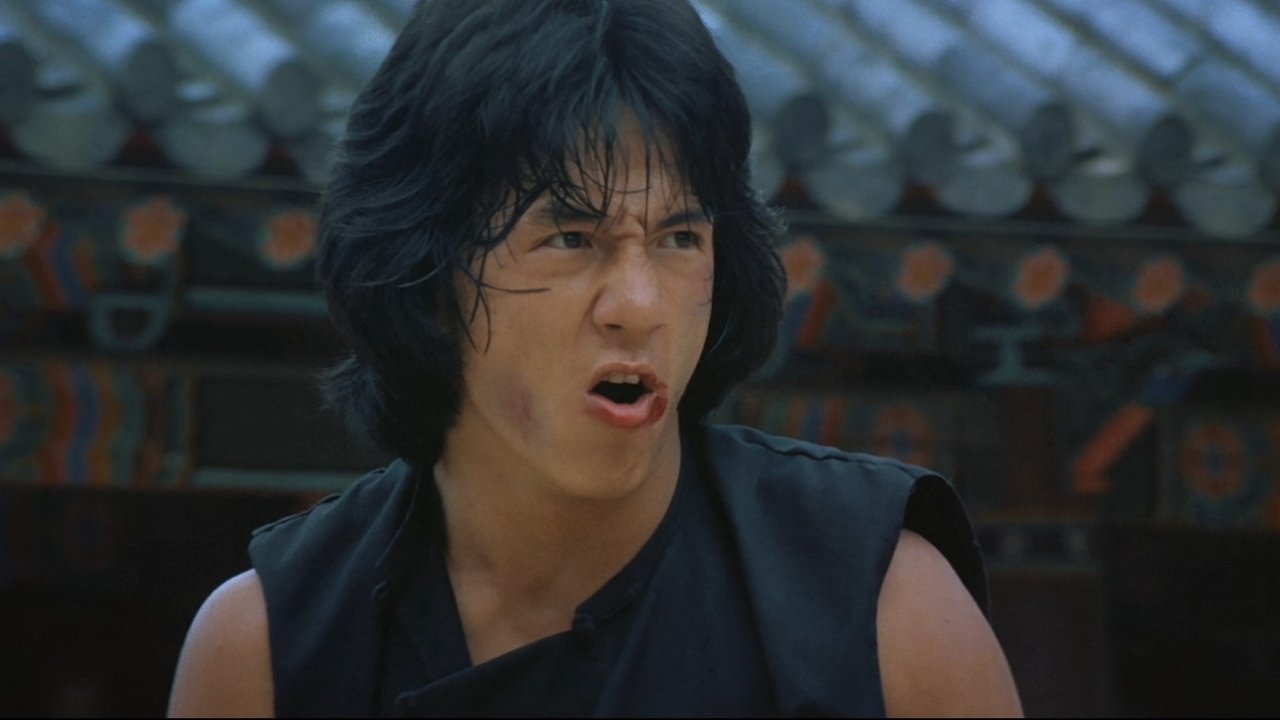
The actual fight scenes showcase Chan's incredible athleticism, even this early on. The punches connect with that satisfying thwack, the kicks are lightning fast, and the stunt work feels raw and dangerous because, well, it was. No CGI safety nets here, just performers putting their bodies on the line. You see Chan taking real falls, moving with a speed and precision that hints at the genius to come. Remember how visceral those old-school Hong Kong fights felt? The lack of slick editing or digital augmentation gave them a weight and impact that modern action sometimes smooths over. However, the choreography here, likely reflecting Lo Wei's more traditional approach, can feel a bit repetitive compared to the hyper-inventive sequences Chan would later craft with collaborators like Sammo Hung and Yuen Biao. Frequent collaborator James Tien makes for a solid, if standard, villain, providing a good anchor for Chan's burgeoning skills.
### A Kung Fu Curiosity Cabinet
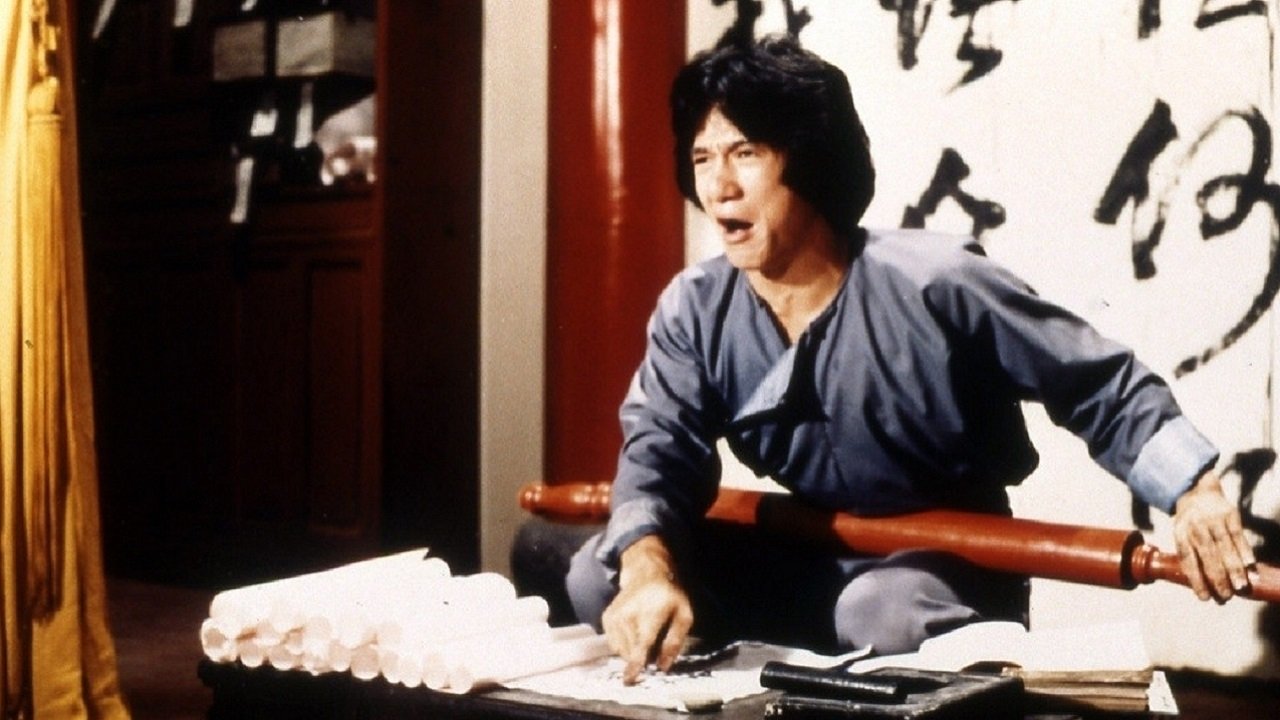
The film throws slapstick (hello, Dean Shek and his signature over-the-top mugging!), ghostly encounters, traditional training sequences, and brutal kung fu battles into a blender, and the resulting concoction doesn't always blend smoothly. One minute Yi-Lang is pulling faces and getting into trouble, the next he’s facing down deadly serious killers. It’s a tonal rollercoaster that feels very much like a product of its time and the pressures Jackie Chan was under. Lo Wei, while a hugely significant figure in Hong Kong cinema, perhaps wasn’t the right fit for harnessing Chan’s unique comedic and acrobatic talents, leading to this slightly disjointed, yet captivating, experiment. It reportedly cost around HK$1 million to make - a decent budget for the time, showing Lo Wei was investing in Chan, even if their visions clashed.
Watching Spiritual Kung Fu today feels like unearthing a time capsule. It’s not polished, it’s often goofy, and the plot is paper-thin. But it pulses with the raw energy of 70s Hong Kong filmmaking and offers a crucial glimpse of Jackie Chan finding his feet, fighting not just martial arts masters, but the expectations placed upon him. It’s the kind of film you’d excitedly tell your friends about after finding it buried deep in the video store aisles – maybe not a masterpiece, but definitely a conversation starter.
VHS Heaven Rating: 6/10
Justification: While hampered by an uneven tone, repetitive moments, and Lo Wei's attempts to force Jackie Chan into a serious mould, Spiritual Kung Fu gets points for its sheer weirdness, Chan's undeniable physical talent shining through, the raw practical stunt work, and its historical value as a key stepping stone in Chan's evolution. The ghost gimmick is memorably bizarre, making it a unique entry in the kung fu canon.
Final Thought: Before he was the master of prop-fu and death-defying stunts we know and love, Jackie Chan was learning spectral slapstick from opera-faced apparitions. Spiritual Kung Fu is pure, uncut 70s chop-socky oddity – a flawed but fascinating ghost in the Hong Kong action machine.