Okay, fellow tapeheads, let's rewind to a curious corner of the video store shelves, a place where sometimes you found gold, and sometimes... well, you found Half a Loaf of Kung Fu. Released in 1978 (though filmed earlier), this isn't the polished Jackie Chan most remember from his 80s blockbusters. Instead, it’s a fascinating, often bizarre, and undeniably energetic early attempt by the man himself to forge the action-comedy path that would make him a global superstar. Finding this one felt like unearthing a slightly battered, unofficial bootleg – rough, a bit weird, but definitely alive.
### Before the Formula Clicked
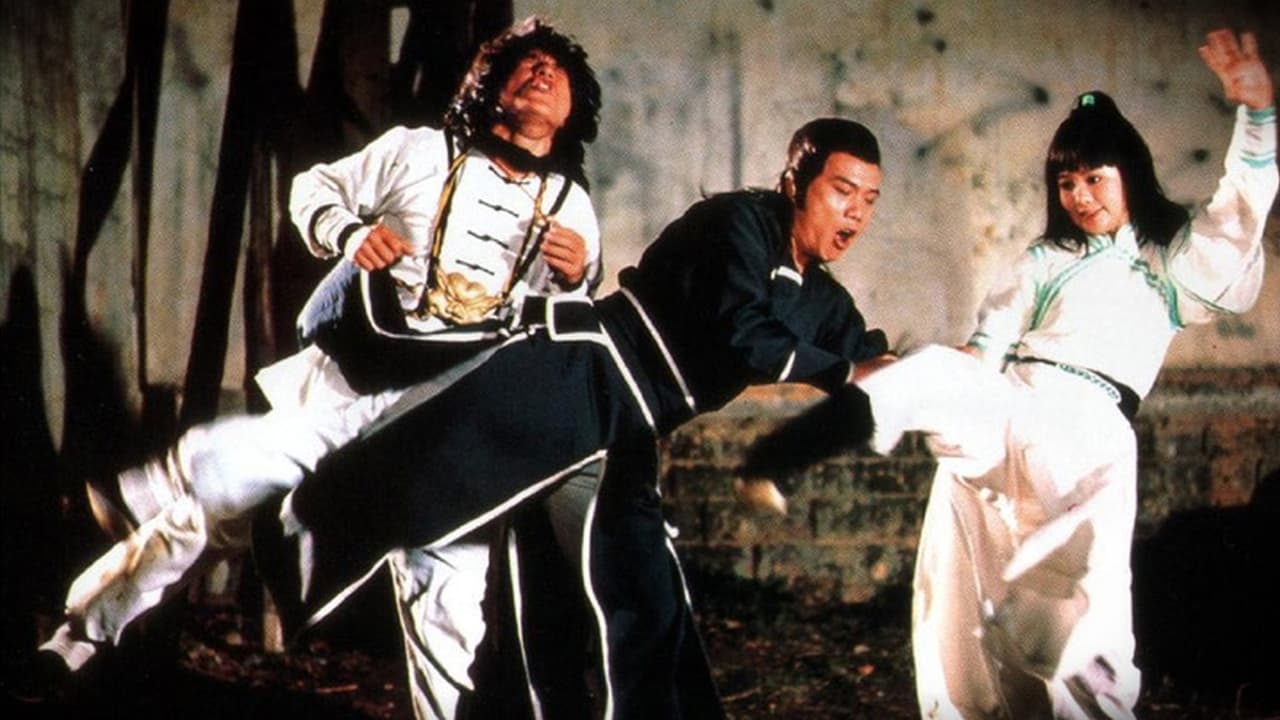
The story follows Jiang, played by a young, hyperactive Jackie Chan, a clumsy wannabe martial artist dreaming of kung fu glory but mostly just getting into trouble. He tries to join various clans, works odd jobs (including a stint as a gigolo!), and generally bumbles his way through a series of comedic set pieces punctuated by bursts of inventive, if sometimes scrappy, fight choreography. There's a loose plot involving protecting a precious cargo and tangling with villains, but honestly, the narrative often feels secondary to Jackie's relentless stream of physical gags and experimental action ideas.
This film is significant because it represents Jackie Chan actively trying to break away from the stoic Bruce Lee clones producer Lo Wei wanted him to be. In fact, Jackie Chan co-wrote this one, pouring his comedic sensibilities into the script. Retro Fun Fact: Lo Wei reportedly hated the comedic direction Jackie took here and shelved the film for a couple of years. It only saw the light of day after Jackie had already struck gold with Snake in the Eagle's Shadow and Drunken Master, films that successfully refined the kung fu comedy blend hinted at here. Watching Half a Loaf feels like witnessing the messy, sometimes awkward birth of a genre revolution.
### Goofy Energy and Physical Mayhem
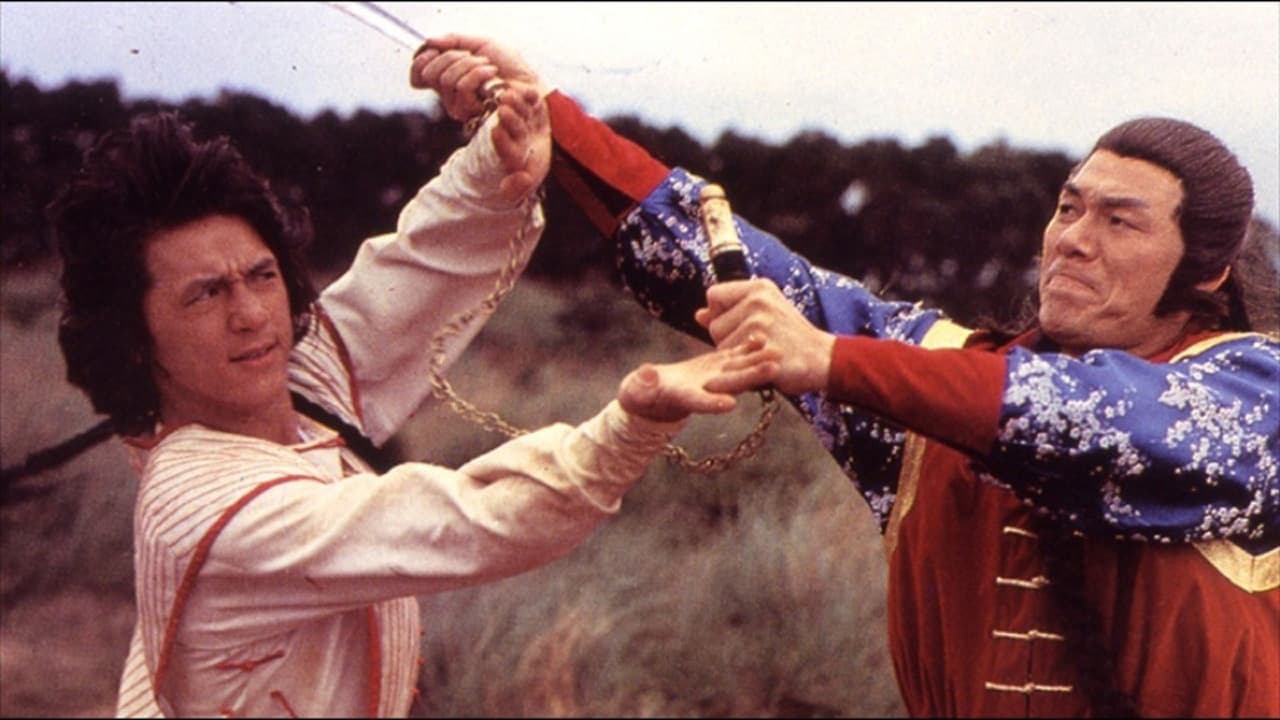
Let’s be clear: the comedy here is broad. Very broad. Think slapstick, silly disguises, exaggerated reactions, and a general air of barely controlled chaos. Much of this energy comes from the legendary Hong Kong character actor Dean Shek, playing a con artist who crosses paths with Jiang. His unique brand of hyperactive, almost rubber-faced comedy is an acquired taste, but undeniably memorable. Alongside familiar faces like James Tien (a stalwart of both Bruce Lee's and Jackie's early films), the cast throws themselves into the absurdity with gusto.
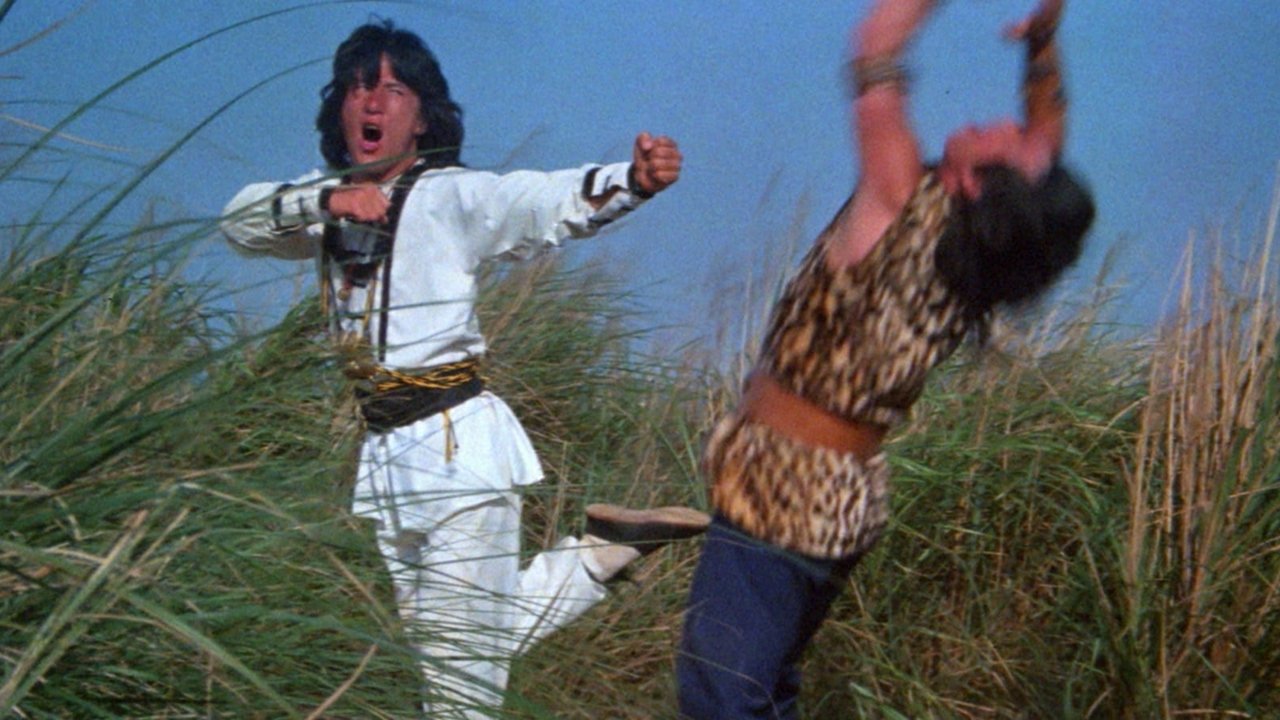
But what about the action? It’s pure, unadulterated Jackie Chan experimentation. Forget the seamless, perfectly timed sequences of his later work. Here, the fights feel rawer, more spontaneous. You can see him trying things out – incorporating props in unexpected ways, blending acrobatic tumbles with genuine martial arts strikes, and emphasizing the painful impact of hits. Remember how real those thuds and crashes sounded on a fuzzy CRT screen late at night? That’s the vibe here. The practical stunts, performed by Jackie and the stunt team without safety nets or digital trickery, carry that inherent danger that defined old-school Hong Kong action. It might lack polish, but the sheer physical effort is undeniable.

### A Stepping Stone, Not a Masterpiece
Directed by Chi-Hwa Chen (sometimes credited as Chen Chi Hwa), who worked on other Lo Wei productions, the film has a somewhat disjointed feel, likely exacerbated by its troubled production history and delayed release. It doesn't quite hang together as smoothly as Drunken Master. Some jokes fall flat, and the pacing can be erratic. It’s easy to see why Lo Wei might have been perplexed; it wasn't traditional kung fu, nor was it the perfectly calibrated comedy Jackie would later perfect.
Yet, there’s an undeniable charm to its ramshackle nature. It captures a specific moment in time – Jackie Chan, brimming with ideas, pushing against expectations. It’s a Half a Loaf of Kung Fu VHS gem precisely because it’s not perfect. It’s a glimpse behind the curtain, showing the trial-and-error process of a master finding his voice. It feels authentic to that era of Hong Kong filmmaking – fast, energetic, maybe a little rough, but made with undeniable passion. Was it a box office smash? Not particularly, especially compared to the films that quickly followed, but its later availability on home video gave it a second life among hardcore fans eager to see Jackie's formative work.
---
VHS Heaven Rating: 6/10
Justification: The score reflects the film's historical importance as a key stepping stone in Jackie Chan's development of the kung fu comedy genre and his raw, infectious energy. However, it's docked points for its undeniably messy structure, hit-or-miss comedy, and lack of the polish found in his true breakout hits. It’s more of a fascinating curio than a fully satisfying film on its own merits.
Final Word: Rough, weird, and essential viewing for Jackie Chan historians – Half a Loaf of Kung Fu is a charmingly imperfect time capsule, proving that even legends had to bake a few strange loaves before perfecting the recipe. A definite "grab it if you see it" for the dedicated retro collector.