## Shifting Shadows: Marlowe in London Fog in 'The Big Sleep' (1978)
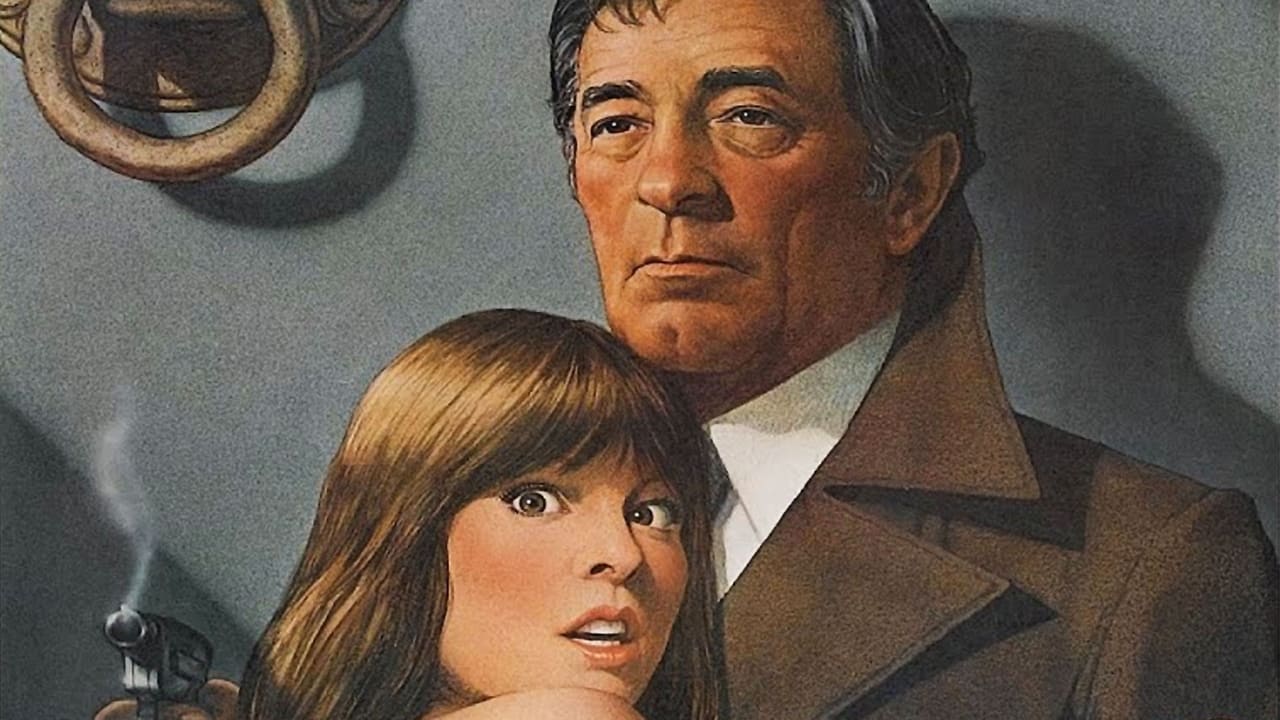
There's a certain kind of cinematic dissonance that sticks with you, a feeling like hearing a familiar melody played in an unexpected key. Watching Michael Winner’s 1978 adaptation of The Big Sleep evokes exactly that. We know Philip Marlowe. We know Raymond Chandler's rain-slicked, morally ambiguous Los Angeles. But here, Marlowe stalks the surprisingly sunny, yet somehow still grimy, streets of late-70s London and the surrounding English countryside. It's a relocation that immediately forces a question: can Chandler's quintessential American PI truly exist outside his native habitat?
A Familiar Face in a Foreign Land
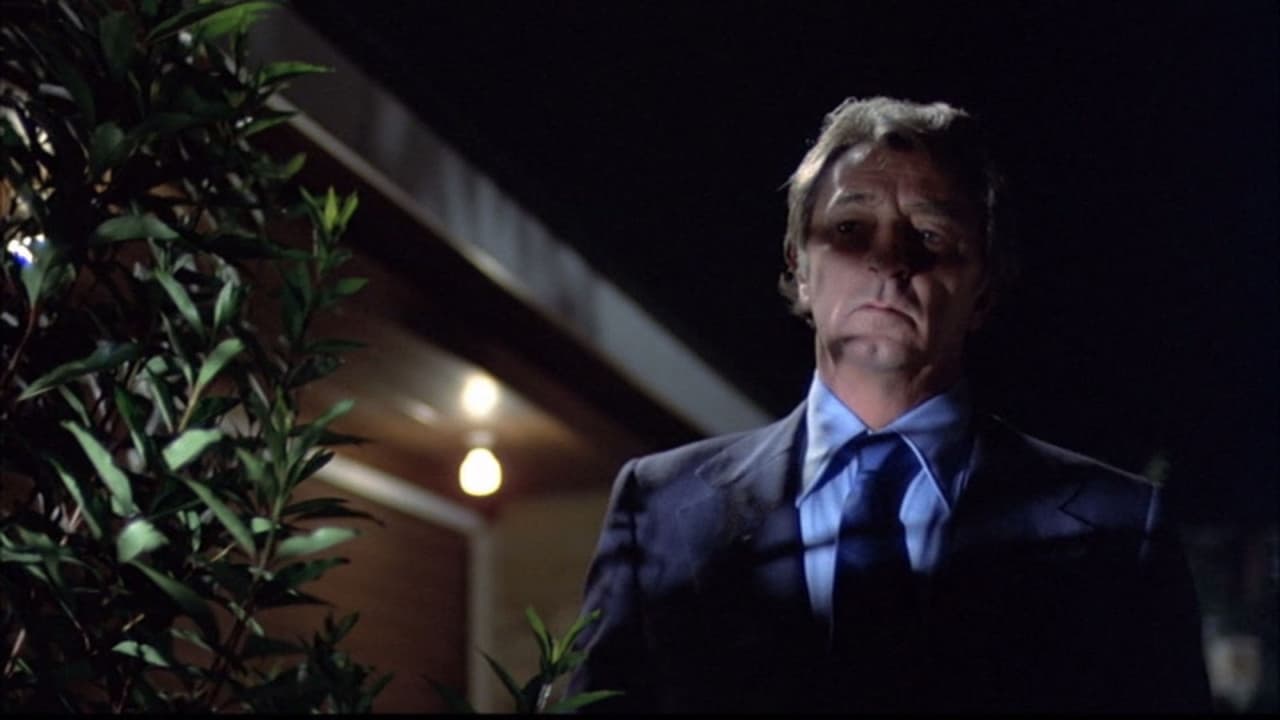
The immediate draw, of course, is Robert Mitchum. Reprising his role as Marlowe just three years after his excellent turn in Farewell, My Lovely (1975), Mitchum is the weary heart of this film. By '78, he possessed an even deeper gravitas, a bone-deep tiredness that perfectly suits the aging detective navigating a world that feels increasingly alien and corrupt. His Marlowe isn't the sharp, cynical knight of the '46 classic; he’s slower, heavier, perhaps more vulnerable beneath the stoicism. Mitchum doesn't play Marlowe so much as he inhabits him, his sheer screen presence anchoring the film even when the setting feels adrift. Watching him navigate the labyrinthine plot, delivering lines with that signature laconic drawl, is always compelling. You believe this Marlowe has seen it all, twice, and is profoundly unimpressed.
London Calling, But is Chandler Answering?
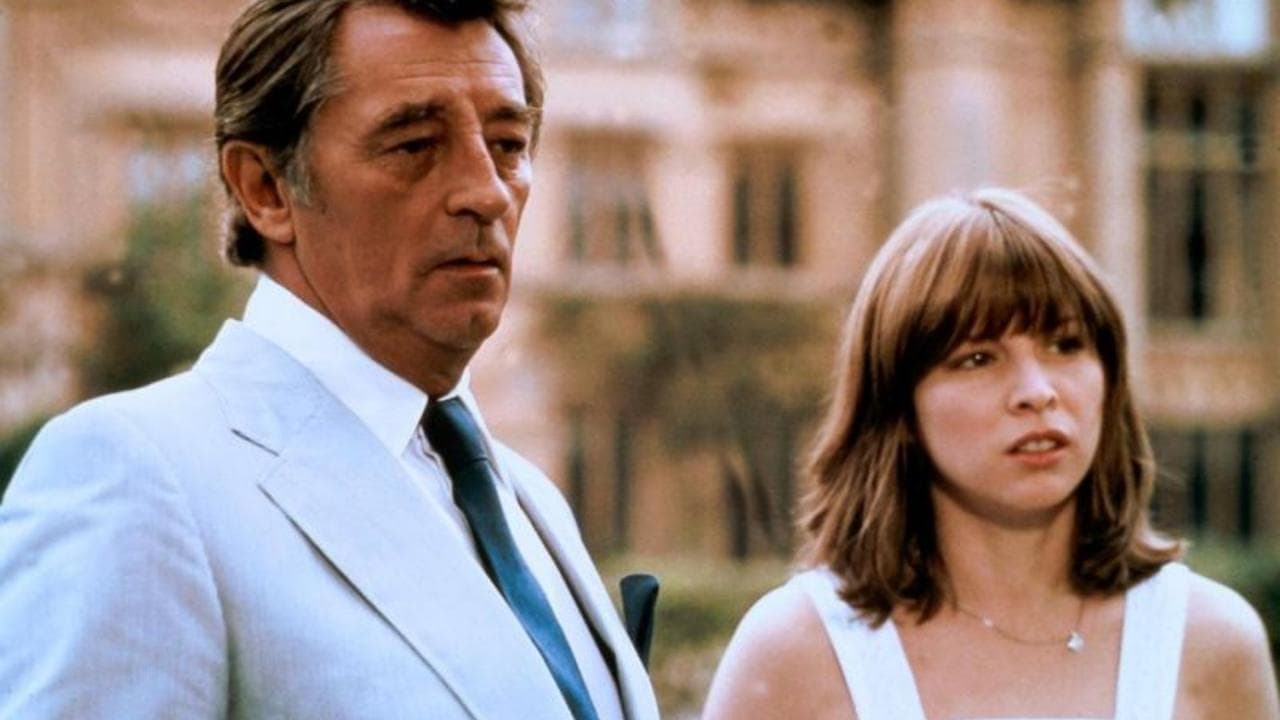
The decision to transplant the story from California to England, reportedly driven by leveraging UK film funding schemes like the Eady Levy, is the film’s most defining – and most debated – choice. Director Michael Winner, fresh off the success of gritty urban thrillers like Death Wish (1974), brings a certain harshness to the proceedings. London in the late 70s is captured with a distinct lack of glamour – all brown corduroy, menacing Jags, and slightly faded grandeur. It creates an atmosphere, certainly, but is it Chandler's? The sun-drenched decay of LA, the specific flavour of its corruption, feels intrinsic to the original novel. Here, the gloom feels more typically British, less uniquely Marlowe. While some sequences work – a tense encounter in a murky bookshop, the rain-swept country estates – the shift often feels less like a bold reinterpretation and more like a geographical convenience that dilutes the source material's potent sense of place.
Interestingly, Leigh Brackett, who co-wrote the iconic 1946 Humphrey Bogart version, also receives a screenplay credit here alongside Winner. One wonders how much of her original adaptation remains, filtered through Winner's sensibilities and the demands of the new setting. The plot, famously convoluted even in its original form, remains a tangled web of blackmail, pornography, gambling debts, and murder involving the wealthy, decaying Sternwood family. While Winner arguably makes the narrative slightly more linear than the Hawks version, clarity isn't necessarily the main objective in noir. It’s the mood, the characters, the feeling of inexorable doom, that truly matters.

A Cast of Heavyweights
Beyond Mitchum, Winner assembled a frankly astonishing cast of British and American talent. Sarah Miles steps into the Lauren Bacall role as the enigmatic Charlotte Sternwood Regan, bringing a brittle, neurotic energy. Richard Boone is suitably menacing as Lash Canino, and familiar faces like Candy Clark, Joan Collins, and Edward Fox populate the periphery. Perhaps most notable, and poignant, is the appearance of Hollywood legend James Stewart in one of his final film roles as General Sternwood. Frail but radiating a quiet dignity, Stewart’s scenes with Mitchum have a fascinating, almost elegiac quality – two titans of a bygone Hollywood era sharing the screen, embodying the decay at the heart of the story. It’s a brief role, but his presence lends the film a touch of class and melancholy it might otherwise lack. Finding this on VHS back in the day, perhaps tucked away in the 'Thriller' section, seeing Stewart's name on the box alongside Mitchum's offered its own kind of retro thrill.
Retro Fun Facts & The Verdict
While perhaps not remembered as fondly as Farewell, My Lovely, this Big Sleep wasn't a complete flop, though its critical reception was decidedly mixed. Winner, never one for subtlety, ramps up the violence and seediness compared to the '46 version, reflecting the grittier cinematic trends of the 70s. Some find his approach heavy-handed for noir, missing the suggestive shadows of the original for more explicit unpleasantness. Yet, there's an undeniable curiosity factor here. Watching Mitchum navigate this strange, Anglo-American noir landscape, surrounded by such a diverse and talented cast, makes it a fascinating artefact of its time.
Remember finding those slightly 'off' remakes or adaptations in the video store? The ones that made you tilt your head and wonder, "They made that?" This version of The Big Sleep definitely falls into that category. It’s a film that prompts discussion, even if that discussion often centres on its perceived flaws or the wisdom of its core conceit. Does it surpass the Bogart/Bacall original? Absolutely not. Does it stand beside Mitchum’s own Farewell, My Lovely? Perhaps not quite. But does it offer a compelling, world-weary performance from one of cinema's coolest icons and a unique, if not entirely successful, twist on a classic? Undeniably.
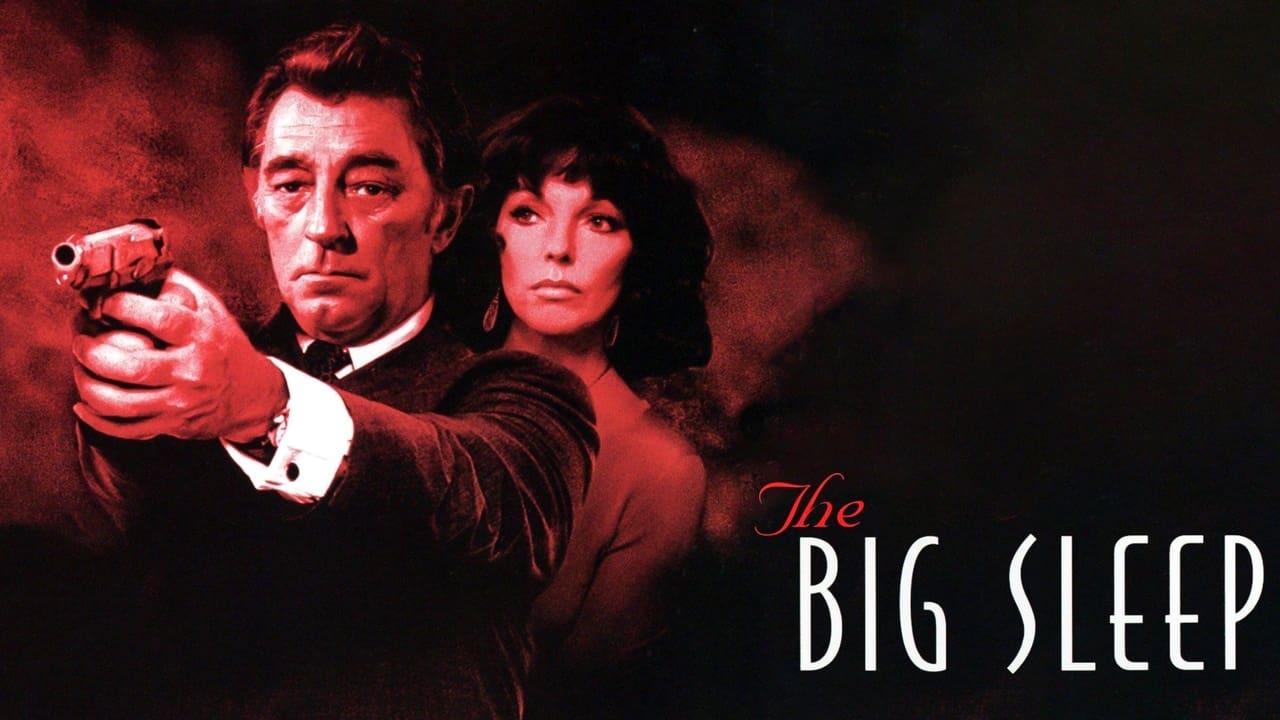
Rating: 6/10
This rating reflects the film's undeniable strengths – primarily Robert Mitchum's magnetic performance and the curiosity value of the high-profile cast and unusual setting – balanced against the awkwardness of the London transposition that never fully convinces, and a directorial style that sometimes feels at odds with the noir source material. It's a fascinating, flawed experiment rather than a wholly satisfying adaptation.
For the dedicated Mitchum fan or the curious noir aficionado browsing the dusty shelves of memory, Winner's The Big Sleep remains a noteworthy, if slightly strange, dream. It leaves you pondering not just the tangled plot, but the very nature of adaptation and whether some characters, like Marlowe, are truly bound to their time and place.