There are some tapes you pull off the rental shelf expecting a familiar thrill – the explosive actioner, the creature feature jump scares, the comforting beats of a teen comedy. And then there are the tapes that seem to whisper a different promise, something darker, more complex. Shōhei Imamura's Vengeance Is Mine (1979), often found tucked away in the 'World Cinema' or 'Drama' sections of discerning video stores back in the day, was decidedly one of the latter. It wasn't an easy watch then, and it remains a profoundly unsettling experience now, a film that burrows under your skin and refuses to offer simple comforts or explanations.
An Ordinary Monster, An Extraordinary Film
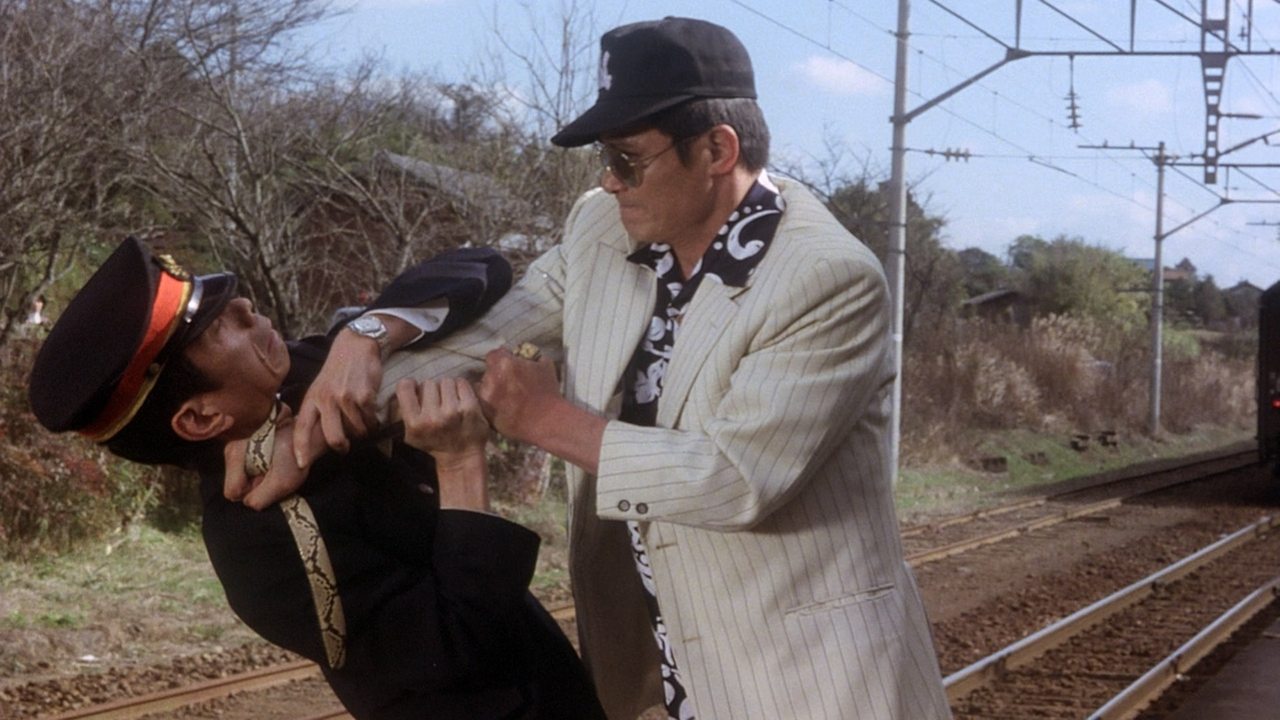
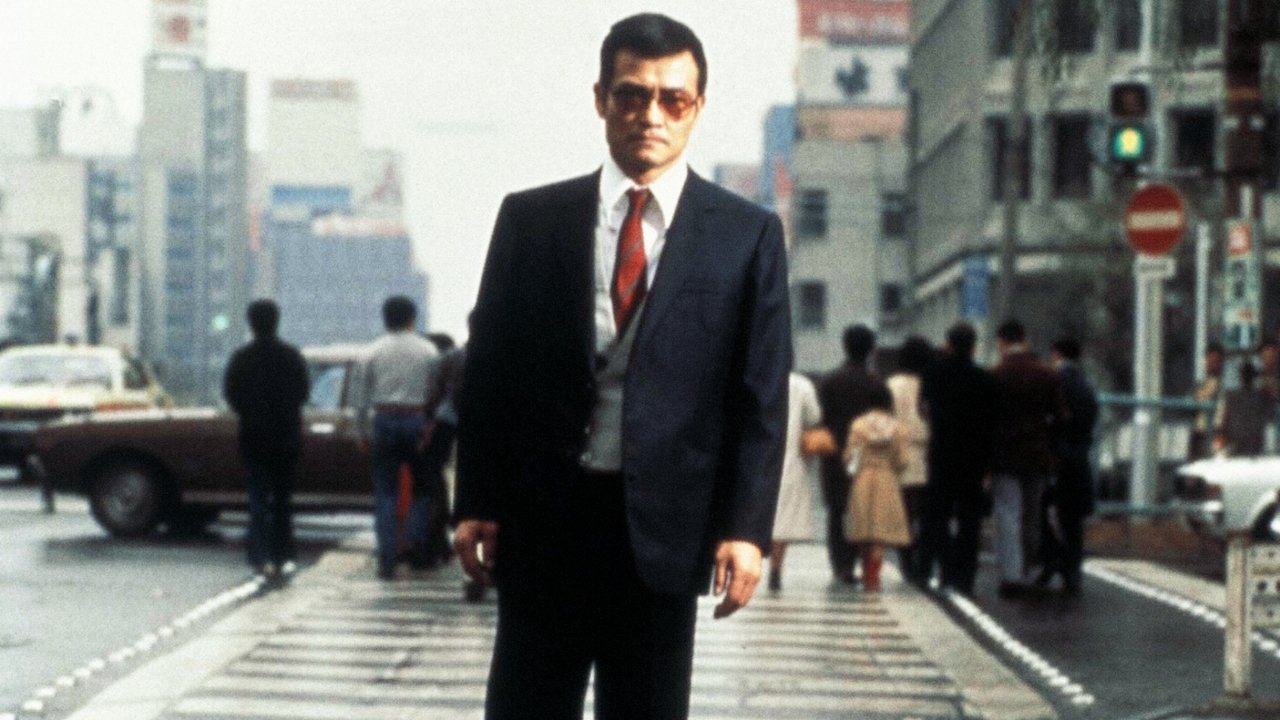
What strikes you immediately, and lingers long after the credits roll, is the sheer ordinariness of its central figure, Iwao Enokizu, brought to chilling life by the phenomenal Ken Ogata. This isn't the hyper-stylized villain of Hollywood nightmares. Enokizu, a real-life serial killer whose 78-day spree across Japan forms the basis of the film (adapted from Ryuzo Saki's meticulously researched novel), often appears unassuming, even polite. He blends in. He chats, he smiles, he helps an old woman with her bags moments before committing another atrocity. It's this terrifying normality, this casual slippage between mundane interaction and shocking violence, that Imamura, a director always fascinated by the fringes and primal urges of Japanese society (think The Insect Woman or Pigs and Battleships), captures with such brutal honesty.
The film unfolds non-linearly, mirroring the nationwide manhunt and the fractured memories surrounding Enokizu's life. We jump between his present-day deceptions as he stays one step ahead of the law, flashbacks to his troubled youth, his complex relationship with his rigidly Catholic father (Rentaro Mikuni, delivering a performance of simmering, conflicted intensity), and the chillingly dispassionate interviews conducted after his inevitable capture. This structure denies us a straightforward narrative arc, forcing us instead to piece together the fragments, much like the detectives hunting him, never quite forming a complete picture of why.
The Unknowable Heart of Darkness
And that’s the genius, and perhaps the terror, of Ogata's portrayal and Imamura's approach. Vengeance Is Mine offers no easy psychological roadmap. There are hints – childhood trauma, resentment towards his father, perhaps a sociopathic disconnect – but the film steadfastly resists the urge to diagnose or explain Enokizu. Ogata plays him not as a monster performing evil, but as a man for whom violence seems an almost mundane impulse, a transaction like any other. Watch his eyes: sometimes calculating, sometimes strangely vacant, sometimes flickering with a predatory charm he uses to manipulate those around him, particularly the women who tragically cross his path, like the vulnerable innkeeper Haru (Mayumi Ogawa). There's an authenticity here that’s deeply disturbing because it feels frighteningly human, even in its inhumanity. It forces us to confront the uncomfortable possibility that some actions simply defy rational explanation.
Imamura's Unflinching Craft
Imamura’s directorial hand is masterful in its restraint and sudden ferocity. Much of the film employs a detached, almost documentary-like style, observing Enokizu's movements and interactions with a chilling lack of judgment. The camera often feels observational, sometimes handheld, immersing us in the humid, cluttered environments of cheap inns and working-class homes. Yet, when violence erupts, it can be sudden, brutal, and matter-of-fact, often cutting away just before the most graphic details, leaving the horror to fester in the viewer's imagination. This wasn't the stylized gore common in some 80s horror VHS staples; this felt grounded, ugly, and distressingly real. It's a testament to Imamura's skill that a film dealing with such horrific acts avoids gratuitous sensationalism, focusing instead on the bleak atmosphere and the psychological void at its center.
Finding Darkness on the Shelf
Discovering Vengeance Is Mine on VHS felt different from grabbing the latest Stallone or Schwarzenegger flick. It was often housed in a less assuming box, maybe with stark artwork hinting at its serious nature. For those of us exploring beyond the blockbusters, finding films like this – perhaps alongside Kurosawa or Ozu tapes – was part of the magic of the video store era. It represented a deeper dive, a willingness to be challenged rather than just entertained. Vengeance Is Mine wasn't just a rental; it was an experience. It swept the Japan Academy Prizes upon release, a testament to its power within its home country, but its journey to Western audiences via niche distributors and home video solidified its status as a formidable, unforgettable piece of world cinema for those adventurous enough to seek it out. The film's famously ambiguous final shot – a potent symbol of lingering, inexplicable evil – is the kind of image that sticks with you long after the tape spools to its end.
Rating and Final Reflection
Vengeance Is Mine is a challenging masterpiece, anchored by one of cinema's most chillingly authentic portrayals of a killer. Ken Ogata's performance is magnetic and terrifying, while Shōhei Imamura's direction is unflinching, intelligent, and deeply unsettling. It avoids easy answers, forcing introspection on the nature of violence and the unknowable aspects of the human psyche. It’s not a comfortable watch, but its power is undeniable.
Rating: 9.5/10
This isn't a film you 'enjoy' in the conventional sense, but its artistry, its performances, and the profound questions it raises make it essential viewing. It remains a stark reminder, unearthed from the VHS era, that some of the most powerful stories are the ones that leave us grappling with darkness long after the screen goes dark. What does it say about us, that we can be both horrified and morbidly fascinated by a figure like Enokizu?