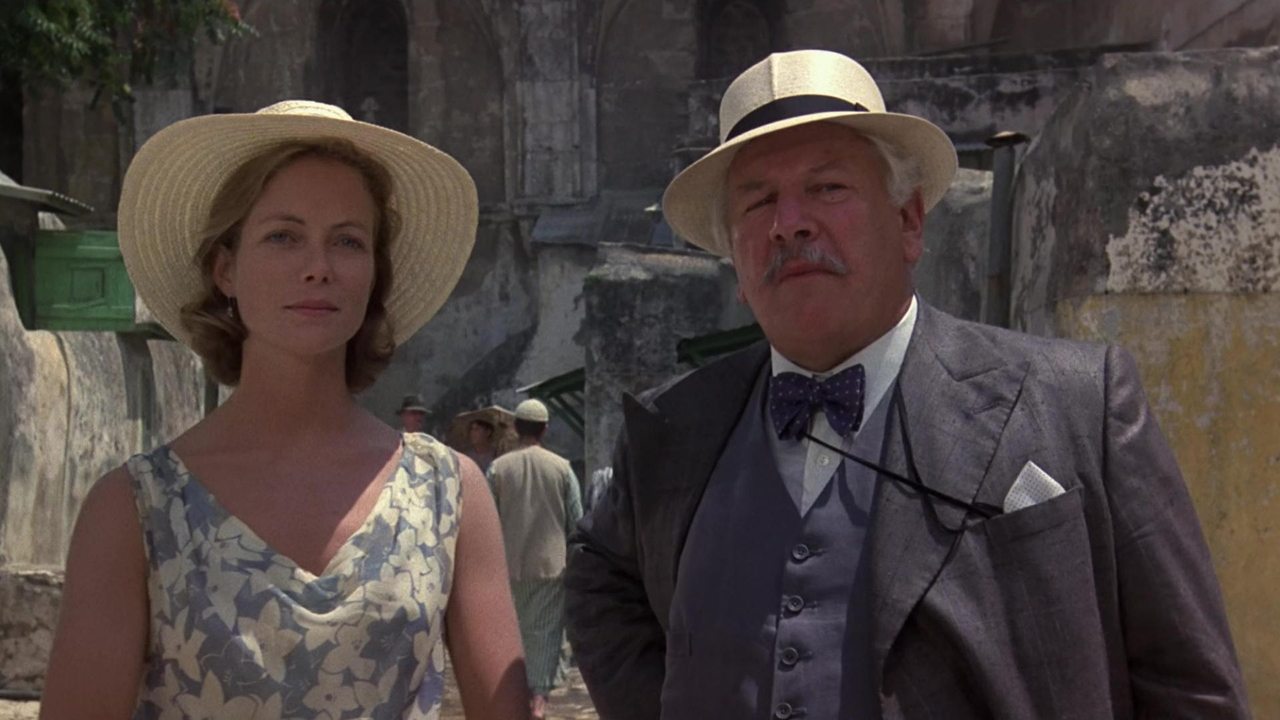
There’s a peculiar heat shimmer that hangs over Appointment with Death, a feeling distinct not only from the arid Israeli landscapes where it unfolds but also from the plusher, more traditionally elegant Agatha Christie adaptations that preceded it in the 70s and early 80s. Released in 1988, it catches Hercule Poirot, and indeed the grand cinematic whodunit, in a slightly different light – dustier, perhaps a bit more sun-bleached, and carrying the unmistakable imprint of its production house, the B-movie maestros at Cannon Films. What happens when the meticulous world of Christie collides with the often brasher sensibilities of Golan-Globus and director Michael Winner?
Sun, Sand, and Simmering Resentment
The setup is classic Christie: a disparate group thrown together in an exotic locale, simmering tensions beneath polite surfaces, and the inevitable murder demanding the attention of the world’s greatest detective. Here, the setting is Palestine under the British Mandate (via 1980s Israel), and the victim-to-be is the truly monstrous Emily Boynton (Lauren Bacall), a former prison warden who now rules her stepchildren and daughter-in-law with an iron fist and control over the family fortune. She’s dragged her miserable brood – including a neurotic Carrie Fisher, a skittish Hayley Mills, and a resentful Piper Laurie – on a tour of the Holy Land. Also along for the ride are the family lawyer (John Gielgud), a visiting American politician (David Soul), a bright young doctor (Jenny Seagrove), and, conveniently overhearing damning conversations, Peter Ustinov’s Hercule Poirot. When Mrs. Boynton turns up dead at an archaeological dig near the Dead Sea, Poirot finds himself with a timetable, a list of suspects who all wished her dead, and a very public crime scene.
A Different Flavour of Poirot
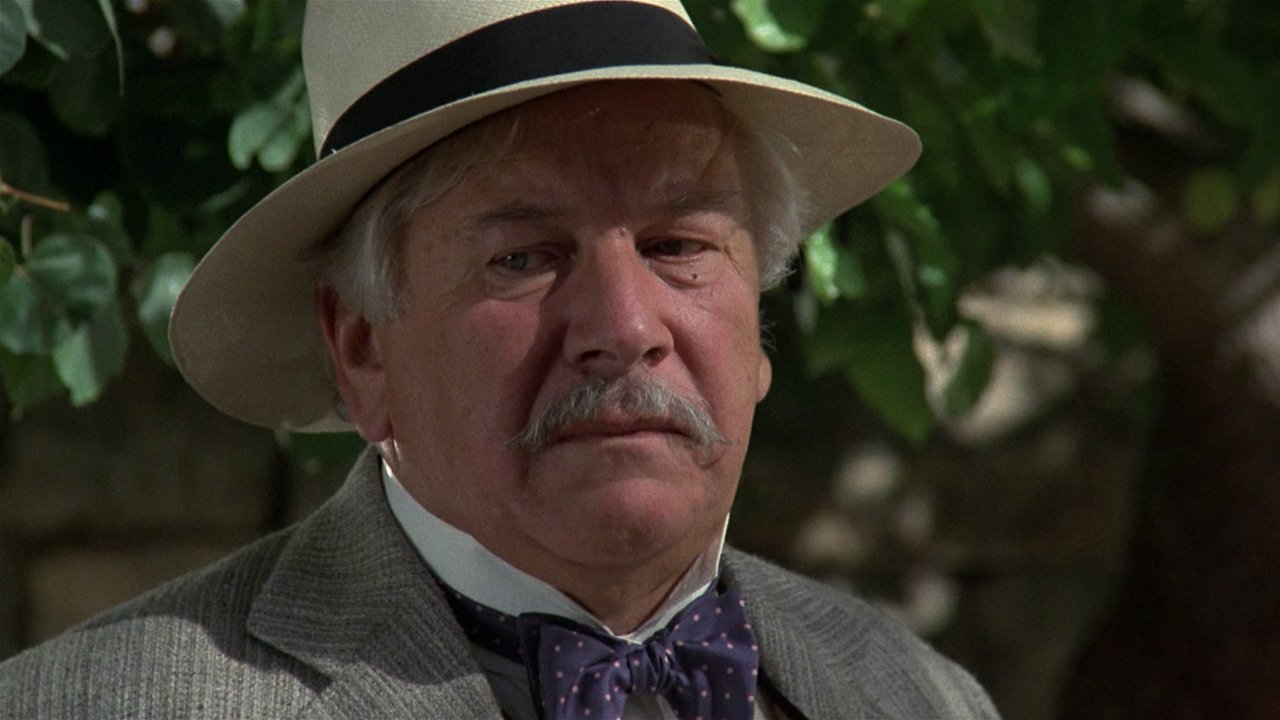
This was Peter Ustinov’s third theatrical outing as Poirot, following the sparkling successes of Death on the Nile (1978) and Evil Under the Sun (1982). Yet, something feels different here. Ustinov remains a delight, his Poirot less the precise, almost alien intellect of Christie’s page, and more a genial, twinkly-eyed observer who happens to possess formidable deductive powers. He delivers his lines with that familiar witty flourish, but there’s perhaps a touch less buoyancy than before. Maybe it’s the direction, or maybe it’s the script by Anthony Shaffer (who penned the previous two Ustinov hits, here adapting with Michael Winner and Peter Buckman) which significantly alters Christie’s novel, streamlining characters and crucially changing the solution. These changes, particularly the ending, tend to divide Christie purists; they make for a perhaps pacier film but arguably a less complex mystery.
It’s fascinating to consider Michael Winner at the helm. Fresh off years directing Charles Bronson in the Death Wish sequels, his transition to a dialogue-heavy Christie mystery seems, on paper, incongruous. While he doesn't inject car chases or shootouts, there's a certain bluntness to the proceedings. The film feels less lush than its predecessors, the pacing occasionally brisk where Christie often benefits from a slower burn. This isn't necessarily a flaw, just… different. It’s Christie filtered through the lens of Cannon Films, who snapped up the rights and aimed for a more budget-conscious production (reportedly budgeted around $6 million, it sadly failed to recoup even $1 million at the US box office, marking the end of the big-screen Ustinov Poirots).
An Oasis of Talent
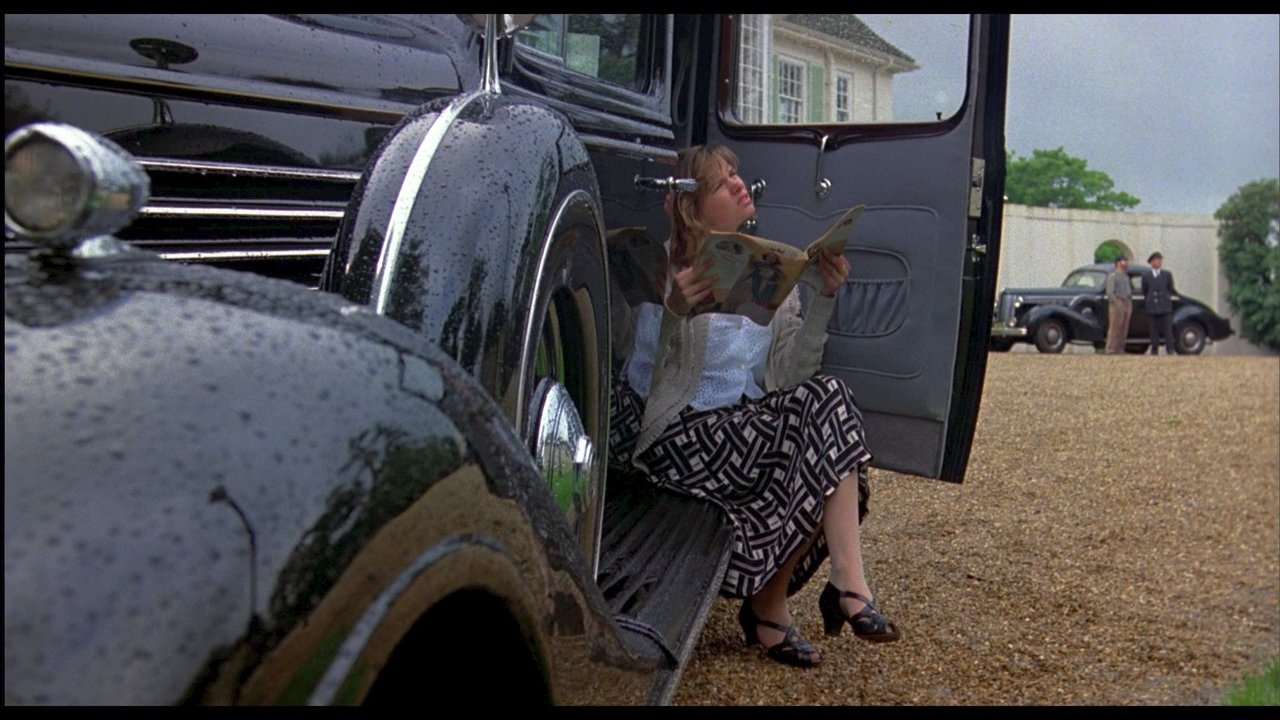
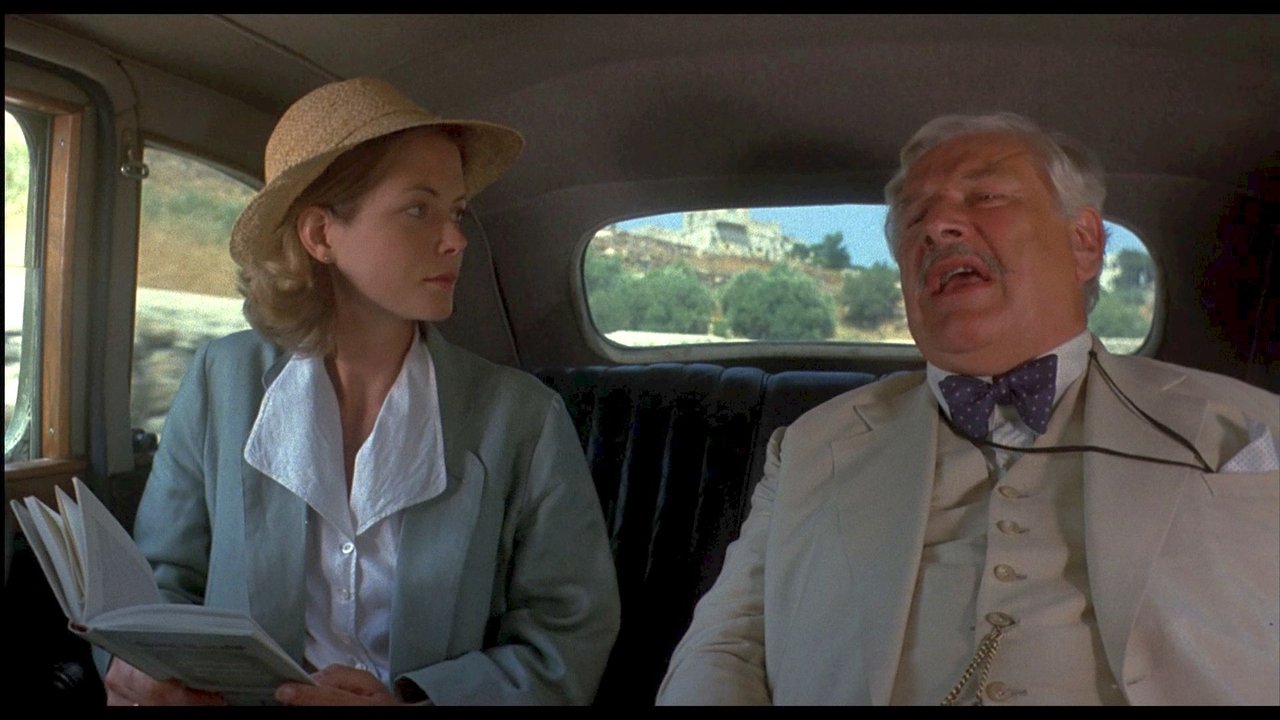
Despite any directorial or script quibbles, the cast is, as expected for these affairs, quite something. Lauren Bacall is imperiously vile as Mrs. Boynton, radiating smug cruelty and making you understand exactly why someone would want her dead. It’s a commanding performance that anchors the first act. Piper Laurie brings a wounded intensity to her role as the alcoholic Nadine, while Carrie Fisher, just a few years post-Leia, effectively conveys the frayed nerves of Lennox Boynton’s wife. Seeing John Gielgud lend his distinguished presence, even in a smaller role, always adds a touch of class. And who could forget David Soul, Hutch himself, playing the slightly bluff American, Cope? It's a gallery of familiar faces, many of whom likely enjoyed the location shoot in Israel, which provides a genuinely striking backdrop – the ancient sites of Jerusalem and the stark beauty of the Dead Sea offer a visual texture distinct from Nile cruisers or Mediterranean islands.
Digging for Details
The production itself offers some interesting tidbits for the retro fan. Filming entirely on location in Israel certainly gives Appointment with Death a unique visual signature, replacing soundstage polish with real-world grit. One can only imagine the logistical challenges Winner, more accustomed to urban grime, faced wrangling an international cast amidst ancient ruins. The score by Pino Donaggio, a frequent collaborator with Brian De Palma on films like Carrie (1976) and Dressed to Kill (1980), adds another layer of intrigue, bringing a slightly more modern, suspenseful edge than the traditional orchestral scores of earlier Christie films. And for fans who tracked these things on the back of VHS boxes, knowing this was Peter Ustinov's final theatrical appearance as the Belgian detective (he would reprise the role in several TV movies later) gives it a certain end-of-an-era feel.
Does the Case Hold Up?
As a mystery, Appointment with Death is perhaps less satisfying than Christie’s best. The altered solution feels a little convenient, and the focus shifts somewhat from meticulous clue-gathering to family melodrama. Yet, there's still enjoyment to be had. Watching Ustinov piece things together, the interplay between the suspects, Bacall’s magnificent awfulness – these elements still work. It might not be the champagne cocktail of Death on the Nile, maybe more like a serviceable gin and tonic found at a slightly dusty desert hotel bar. It gets the job done, even if the presentation isn't five-star.
For those of us who haunted video stores, this tape often sat alongside its more celebrated brethren. Perhaps you rented it expecting the same glossy thrills and found something… else. Not bad, necessarily, but different. It feels very much like an 80s interpretation of a classic formula – a bit more direct, slightly less refined, but with a certain nostalgic charm clinging to it like desert dust. Doesn't that unique flavour, that slight deviation from the expected, make it interesting in its own right?

Rating: 6/10
The rating reflects a film that's enjoyable primarily for Peter Ustinov’s enduring charm as Poirot and a strong supporting cast led by a formidable Lauren Bacall. However, it's hampered by Michael Winner’s somewhat ill-fitting direction for the genre and script changes that dilute the original mystery's power. The Israeli locations add visual interest, but the overall production feels less polished than its predecessors. It remains a watchable, intriguing curio for Christie completists and fans of 80s ensemble mysteries, perfectly capturing that specific moment when Cannon Films tried their hand at genteel murder.
It may not be the crown jewel of Christie adaptations, but pulling this tape off the shelf still feels like uncovering a slightly faded photograph from a memorable, if peculiar, vacation.