Three bodies, frozen solid in the snow of Moscow's famous park, faces and fingerprints methodically erased. It’s an image that chills to the bone, not just from the simulated Russian winter, but from the immediate sense of calculated cruelty and pervasive dread it establishes. This is the stark opening of Michael Apted's 1983 thriller Gorky Park, a film that arrived on VHS shelves like a shard of ice amidst the often warmer, more explosive fare of the era. Watching it again now, decades later, it still feels remarkably potent, a complex and refreshingly cynical antidote to the jingoism that sometimes colored Cold War narratives on screen.

Moscow Noir, Helsinki Streets
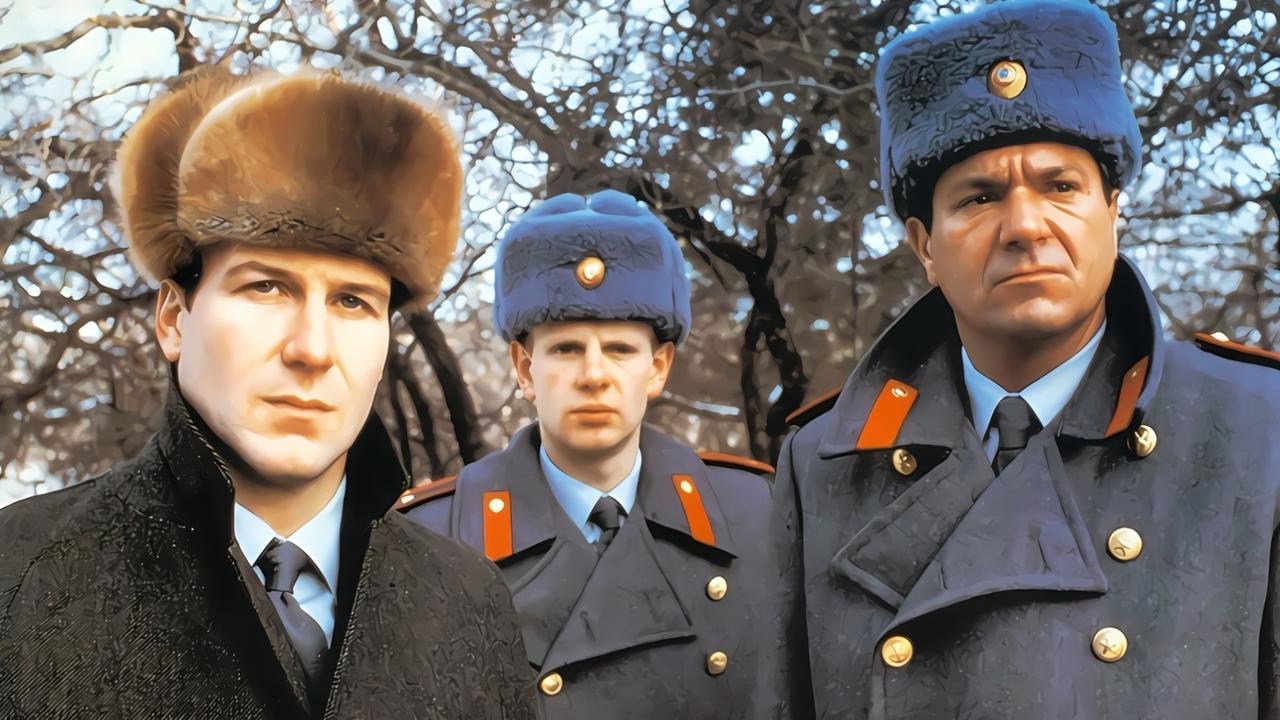
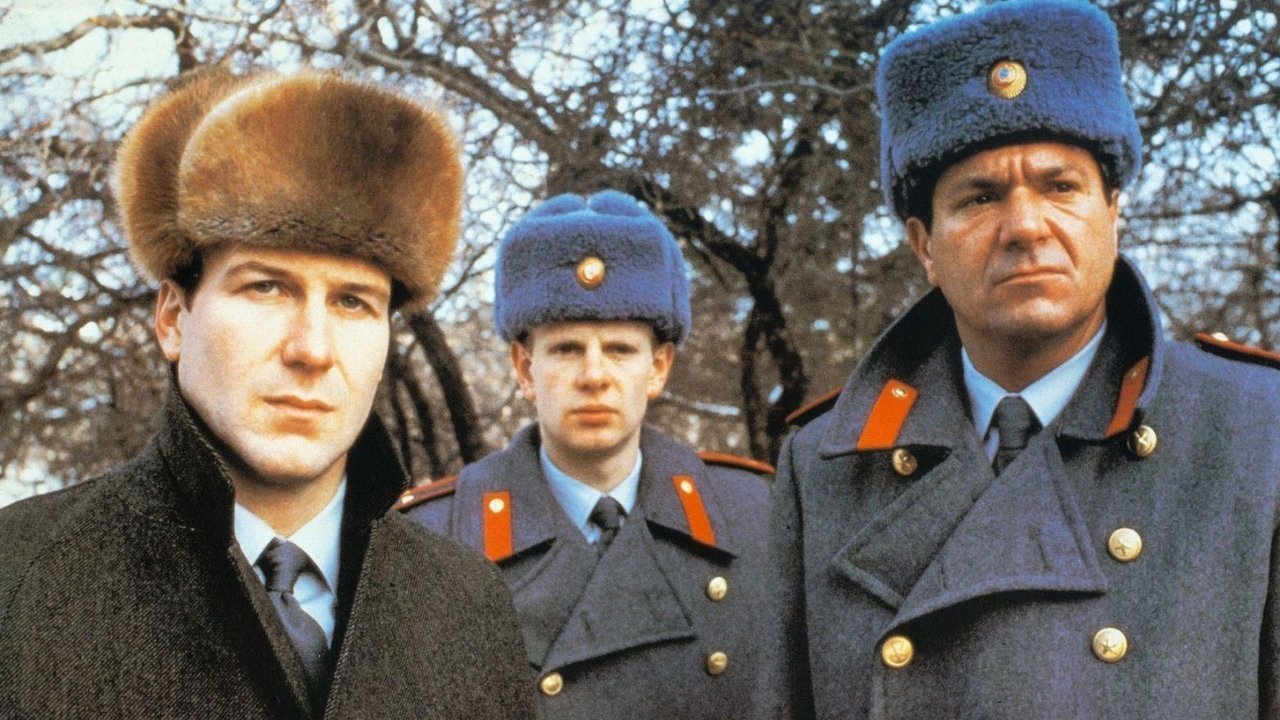
The task of unraveling this gruesome puzzle falls to Chief Investigator Arkady Renko, played with a pitch-perfect weariness by William Hurt. Hurt, who was becoming a defining actor of the 80s with roles in films like Body Heat (1981) and The Big Chill (1983), embodies Renko not as a hard-boiled cynic, but as an intelligent, fundamentally decent man slowly being suffocated by the pervasive corruption and paranoia of the Soviet system. His investigation immediately hits walls – bureaucratic indifference, KGB interference (personified by a surprisingly effective Brian Dennehy as Major Pribluda), and the chilling sense that the truth is something powerful forces actively want buried deeper than the victims.
What truly sets Gorky Park apart is its atmosphere. Director Michael Apted, perhaps bringing sensibilities from his renowned documentary work like the Up series, crafts a Moscow that feels authentically oppressive and lived-in, even though budgetary constraints and political realities meant filming primarily took place in Helsinki and Stockholm. This geographical sleight-of-hand rarely feels false; the grey skies, the imposing architecture, the palpable sense of being watched – it all coalesces into a convincing portrait of a city holding its breath. I remember watching this on a slightly fuzzy rental tape back in the day, the inherent graininess of VHS almost enhancing that feeling of peering through a gloomy, uncertain window into another world. The reported $15 million budget, quite respectable for the time, was clearly well-spent on achieving this detailed, atmospheric backdrop.
A Labyrinth of Motives
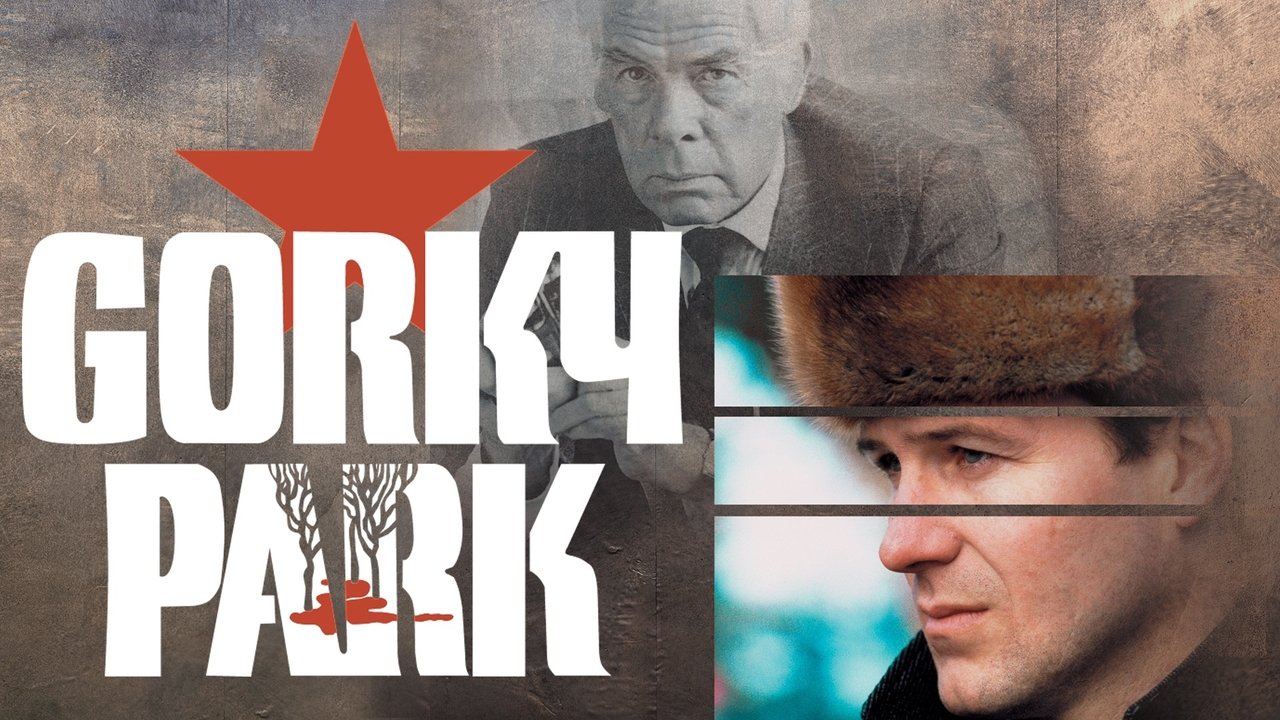
Based on the intricate bestseller by Martin Cruz Smith and adapted by the brilliant, often provocative British playwright Dennis Potter (known for Pennies from Heaven and later The Singing Detective), the plot is a dense, rewarding tangle. Renko’s methodical police work gradually uncovers links to an elusive American businessman, the sable-obsessed Jack Osborne. Enter Lee Marvin, in one of his final significant screen roles, radiating a casual menace that’s utterly captivating. Osborne is charming, wealthy, and utterly ruthless – a shark gliding through murky waters. The scenes between Hurt’s increasingly desperate Renko and Marvin’s coolly manipulative Osborne are electric, a masterclass in understated tension. You feel the weight of Marvin's screen history (The Dirty Dozen, Point Blank) in every measured line delivery; he doesn't need to raise his voice to command the screen.
The investigation also pulls in Irina Asanova (Joanna Pacuła, in a Golden Globe-nominated performance), a beautiful film costume assistant connected to the victims. Her relationship with Renko adds a layer of fragile humanity and romantic fatalism to the grim proceedings, though some might find her character slightly underwritten compared to the novel's depth. Still, Pacuła brings a compelling vulnerability that makes Irina's plight resonate. And then there's Brian Dennehy as Pribluda. Casting an American actor known for playing tough American cops (like in First Blood (1982)) as a high-ranking KGB officer was an interesting choice, but Dennehy pulls it off, creating a character who is more complex than a simple antagonist – a cynical observer within the system, forming an uneasy, almost grudging respect with Renko. His performance even earned him a BAFTA Award for Best Supporting Actor, a testament to its effectiveness.
Truth in a Cold Climate
Gorky Park isn't an action film in the typical 80s sense. There are tense moments and bursts of violence, particularly in the climax, but its power lies in the slow-burn investigation and the exploration of moral compromise. It asks difficult questions: How does one maintain integrity within a corrupt system? What is the human cost of seeking truth when lies are the currency of power? These aren't easy themes, and the film doesn't offer simplistic answers. Apted’s direction keeps the focus tight on Renko's internal struggle, making his journey feel personal and deeply felt.
Interestingly, while critically well-regarded, the film wasn't a huge box office smash, earning around $21 million in the US. Perhaps its bleak tone and intricate plot were a tougher sell than more straightforward thrillers of the time. Yet, its reputation has endured. It stands as a sophisticated, adult thriller that treated the Cold War not just as a backdrop for spy games, but as a profoundly human drama about survival, conscience, and the search for connection in a divided world.
Watching it today, the film feels less like a specific political statement and more like a timeless exploration of power dynamics and the individual's struggle against oppressive forces. The details – the painstaking forensic work (like reconstructing faces from skulls), the murky dealings in the sable trade, the ever-present fear of informants – contribute to a rich, textured narrative that rewards attention. It’s a film that trusts its audience's intelligence.
Rating: 8/10
Gorky Park earns a strong 8 out of 10. Its deliberate pacing and intricate plot demand patience, but the reward is a deeply atmospheric, intelligent thriller anchored by superb performances, particularly from William Hurt and Lee Marvin. The direction is assured, capturing a convincing sense of place and mood despite the filming challenges, and the adaptation successfully translates the core complexities of the novel. It might lack the pyrotechnics of some contemporary films, but its chilling portrayal of systemic rot and individual conscience feels remarkably resonant.
It’s one of those VHS rentals that sticks with you – not for the explosions, but for the quiet intensity in William Hurt's eyes and the unsettling feeling that sometimes, digging for the truth means unearthing something far colder than the Russian snow.