There’s a certain kind of heat that settles over Los Angeles in Carl Franklin's Devil in a Blue Dress (1995), and it’s more than just the California sun. It’s the simmering heat of post-war ambition, racial tension, and the desperate sweat of a man trying to keep his head above water. Watching it again, decades after its initial release, the film feels less like a simple neo-noir exercise and more like slipping into a specific, tangible moment in time – 1948 Watts, vibrant and precarious, seen through the eyes of someone just trying to make his way.
A Reluctant Detective in a Shifting World
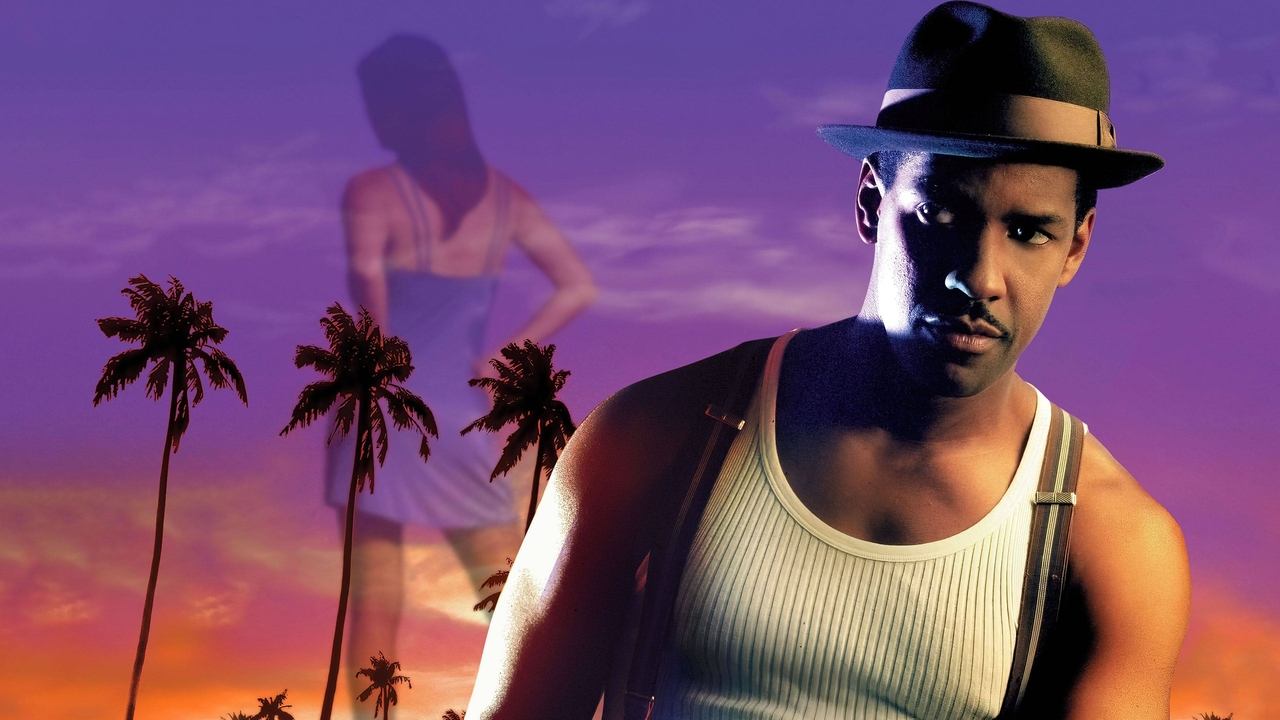
Based on the superb novel by Walter Mosley, the story introduces us to Ezekiel "Easy" Rawlins, played with understated brilliance by Denzel Washington. Easy isn't a private eye by trade; he's a World War II veteran, recently laid off from his aircraft plant job, facing foreclosure on the small house that represents his piece of the American dream. When the shady DeWitt Albright (Tom Sizemore, oozing menace) offers him cash to find a missing white woman named Daphne Monet (Jennifer Beals), who frequents Black jazz clubs, Easy steps reluctantly into a world of shadows, political corruption, and secrets far more dangerous than he anticipates. It’s a classic noir setup, but Franklin, who also adapted the screenplay, uses it to explore something deeper about the Black experience in mid-century America.
Washington's Quiet Power, Cheadle's Explosive Arrival
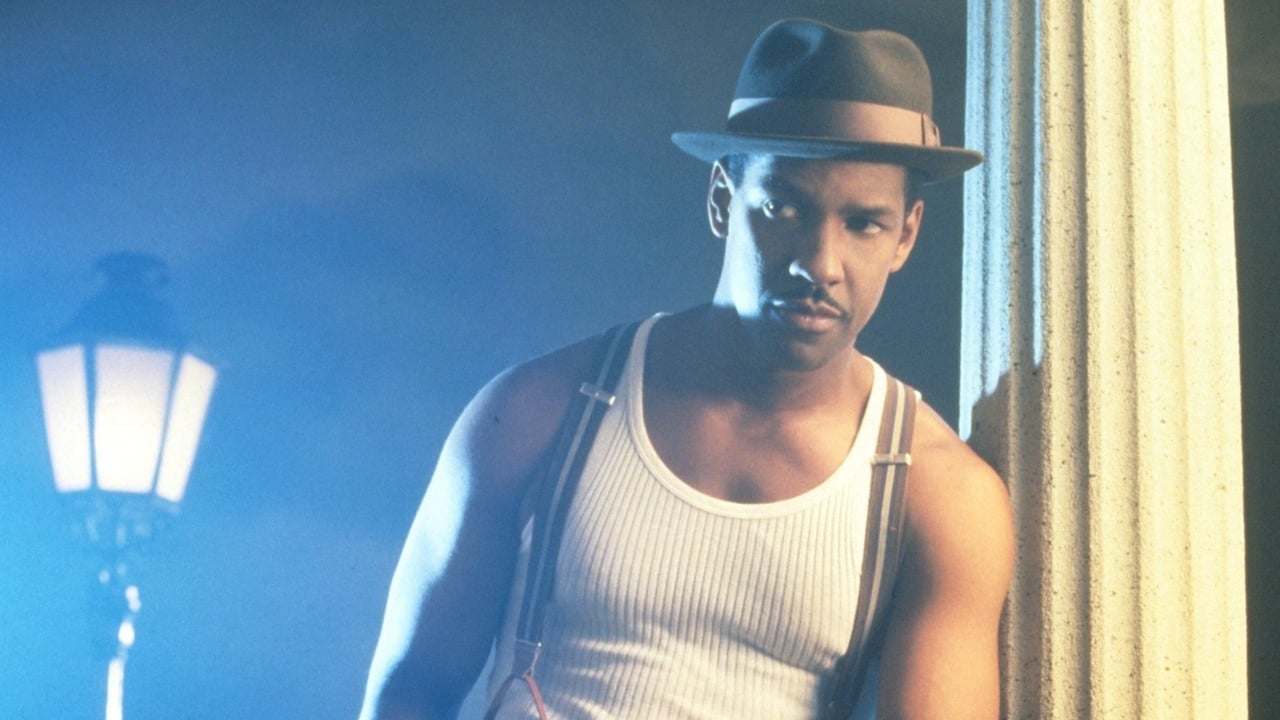
Denzel Washington is the soul of this film. His Easy is intelligent, observant, and carries the weariness of a man who understands the precarious lines he must constantly navigate. He’s polite when he needs to be, tough when forced, but always watchful. There's a quiet dignity in his portrayal, a sense of a man holding onto his integrity in a world determined to strip it away. Washington conveys so much with subtle shifts in expression – the guardedness when dealing with white authority figures, the flicker of fear when violence erupts, the deep loyalty to his community. It’s a performance that anchors the film in lived reality.
And then there’s Mouse. Has there ever been a more electrifying screen entrance than Don Cheadle's arrival as Easy’s trigger-happy, gold-toothed friend from Houston? Cheadle doesn't just steal scenes; he hijacks them with a terrifying charisma. Mouse is unpredictable, loyal to Easy in his own deadly way, and represents the violent capability Easy himself tries to suppress. Their dynamic is fascinating – two sides of a coin navigating survival in entirely different ways. The supporting cast, including a mysterious Jennifer Beals and the reliably unsettling Tom Sizemore, fills out this world perfectly, but it's the Washington-Cheadle pairing that truly crackles.
Atmosphere You Can Taste

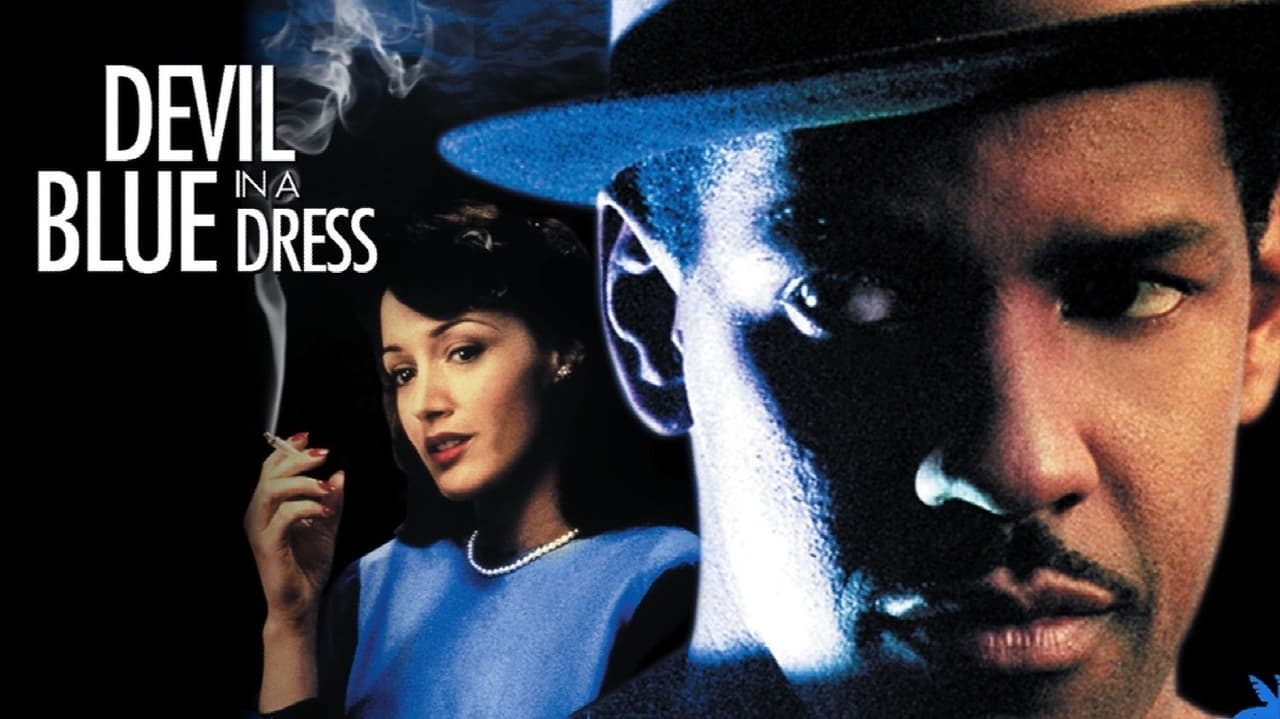
Director Carl Franklin, who had previously impressed with the gritty thriller One False Move (1992), demonstrates a masterful control of tone here. Working with cinematographer Tak Fujimoto (whose lens captured the unsettling worlds of The Silence of the Lambs and Something Wild), Franklin crafts a Los Angeles that feels both seductive and dangerous. The smoky jazz clubs, the sun-drenched streets of Watts, the opulent mansions of the white elite – each location pulses with its own distinct energy and peril. The period detail is immaculate, transporting you directly to 1948 without ever feeling like a museum piece. It’s a lived-in world, thanks to meticulous production design. Elmer Bernstein's score adds another layer, blending sultry jazz with classic noir tension.
More Than Just a Mystery
While the plot involving Daphne Monet's disappearance drives the narrative, Devil in a Blue Dress resonates most powerfully through its exploration of race and class. Easy’s journey takes him across the segregated lines of Los Angeles, from the relative safety of his own community into the treacherous territory of powerful white figures who see him as disposable. The casual racism he encounters, the constant threat of violence, the systemic barriers – these aren't just background details; they are woven into the fabric of the mystery itself. What does it mean to search for a white woman rumored to prefer Black company in a city rigidly divided by color? The film forces us to confront the layers of hypocrisy and danger inherent in that search.
A Gem That Deserved More
It remains one of cinema's quiet injustices that Devil in a Blue Dress didn't find a wider audience upon release. With a budget around $27 million, its box office return of roughly $16 million was a disappointment, particularly given the critical acclaim and Washington's star power. Thankfully, like so many great films of the era, it found a dedicated following on VHS and DVD – those hefty rental tapes allowing it to be discovered and appreciated over time. There was talk, hope even, of sequels based on Mosley's other Easy Rawlins novels, creating a franchise that sadly never materialized. Imagine a series of these beautifully crafted period noirs with Washington returning as Easy... it's a tantalizing "what if." Perhaps its thoughtful pacing and focus on character and atmosphere, rather than explosive action, made it a harder sell in the mid-90s blockbuster landscape?
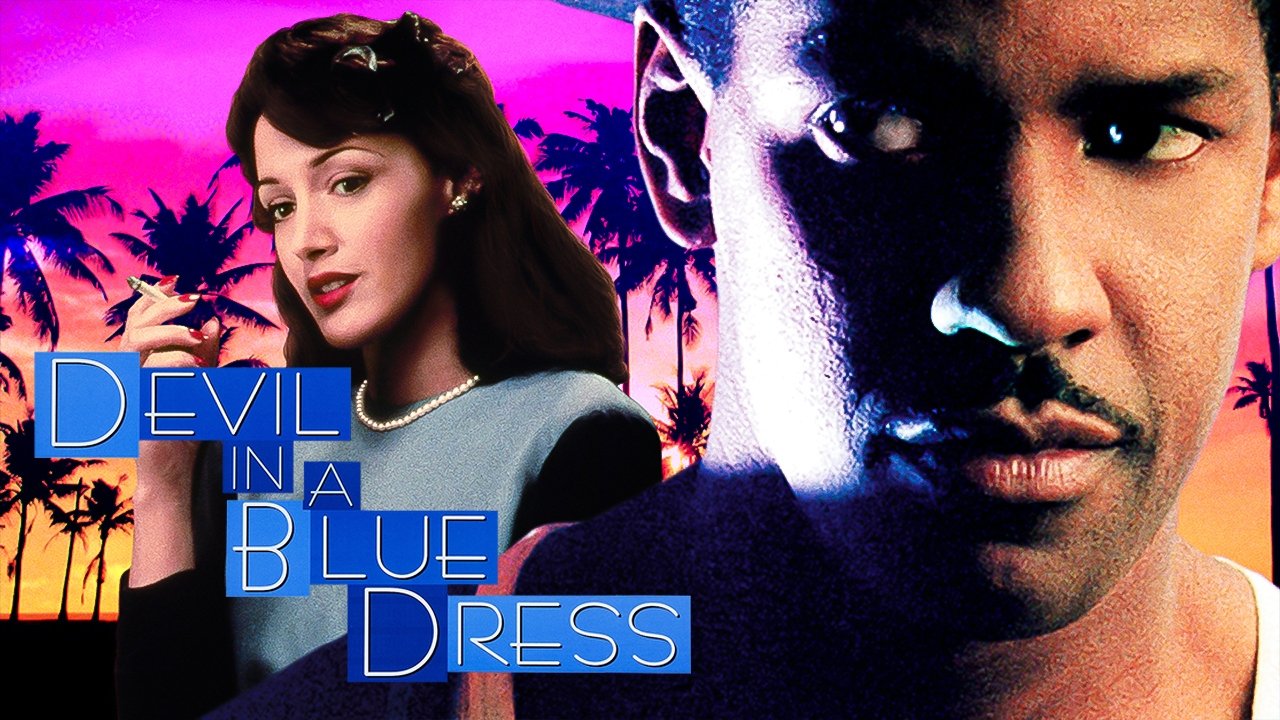
This film felt different on the rental shelf, heavier, more significant. Popping that tape into the VCR offered an immersion into a world rarely depicted with such nuance and style on screen. It felt like uncovering a secret history hidden within a familiar genre.
Rating: 9/10
Devil in a Blue Dress is a masterful piece of filmmaking – atmospheric, intelligent, and deeply resonant. Denzel Washington delivers one of his finest, most textured performances, and Don Cheadle’s supporting turn is unforgettable. Carl Franklin directs with confidence and style, using the noir framework to explore vital themes of race, identity, and survival in post-war America with a depth that few thrillers achieve. Its initial commercial failure feels almost irrelevant now; this is a film that has endured, a rich, rewarding classic that feels just as potent and relevant today. It’s more than just a great mystery; it's a vital snapshot of American history, wrapped in a beautifully tailored blue dress.