Sometimes, a film arrives not with the fanfare of a blockbuster premiere, but with the quiet intensity of a broadcast event, etching itself onto the collective memory of those huddled around their CRT screens. Such was the case with the 1979 television adaptation of All Quiet on the Western Front. It wasn’t a tape rented on a whim; for many, it was an appointment, a shared experience that brought Erich Maria Remarque’s devastating portrait of World War I into living rooms with unflinching clarity. Watching it again, decades later, the film retains a power that transcends its television origins, forcing us to confront the shattering dissonance between the naive dreams of youth and the brutal, dehumanizing reality of industrialized warfare.
### The Lost Generation, Televised
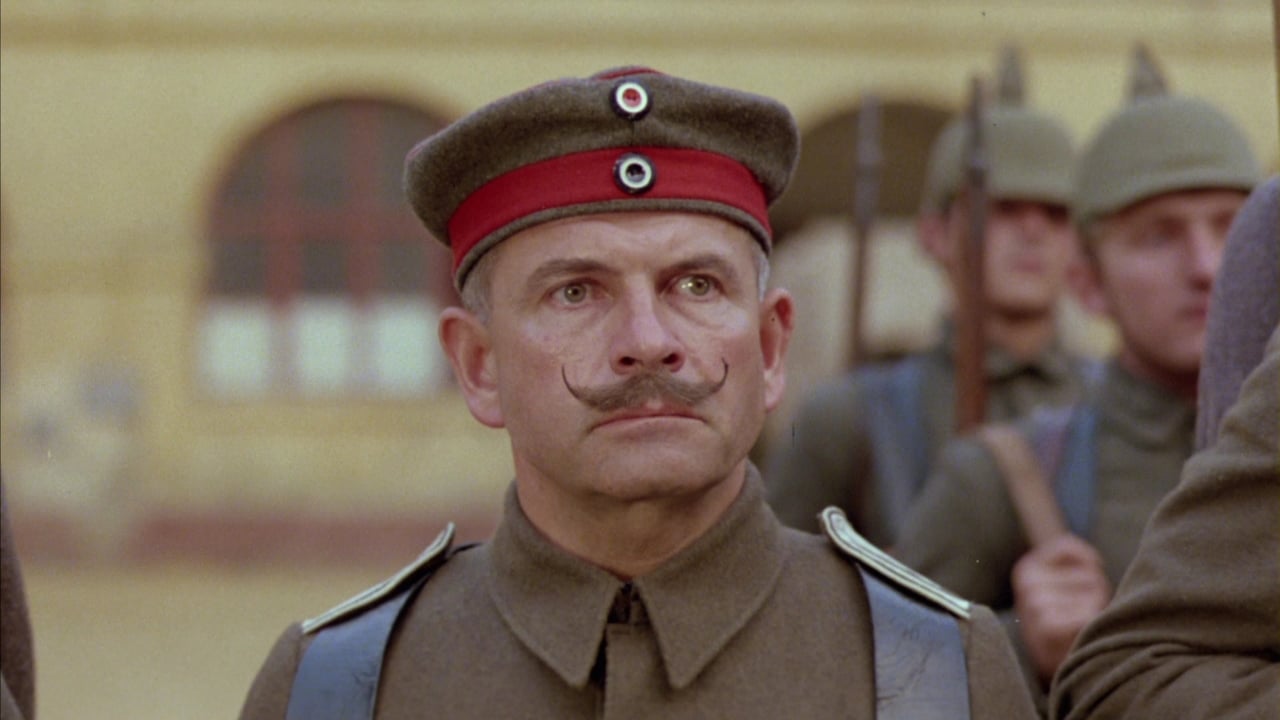
The story, familiar to many through Remarque's seminal 1929 novel or the legendary 1930 film adaptation, follows Paul Bäumer and his German classmates. Whipped into patriotic fervor by their schoolmaster Kantorek (Donald Pleasence, radiating chilling conviction in his brief scenes), they eagerly enlist, imagining heroic charges and glorious victories. What they find instead is the hellscape of the Western Front: trenches thick with mud and rats, the constant thunder of artillery, and the omnipresent specter of death. Director Delbert Mann, who had already won an Oscar for navigating poignant human drama in Marty, brings a grounded, almost claustrophobic intimacy to the proceedings. This isn't a sweeping epic in the traditional sense; it’s a personal descent into the abyss.
### The Face of Disillusionment
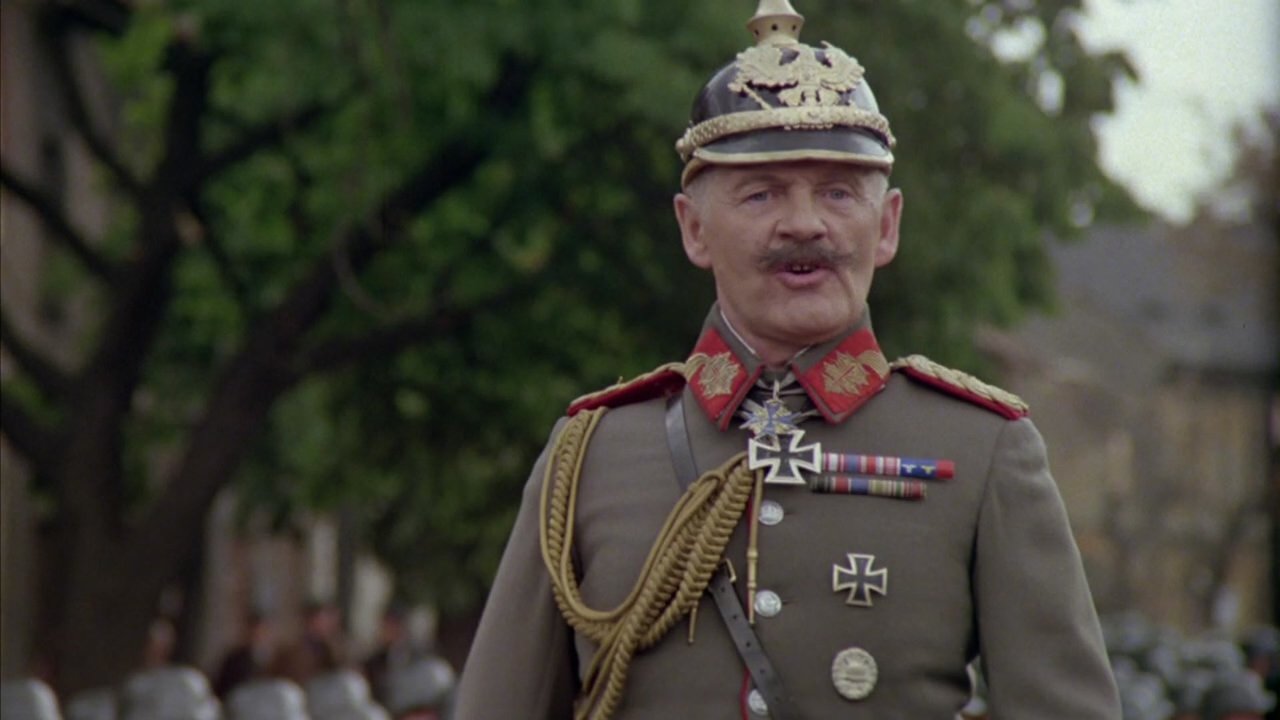
At the heart of the film is Richard Thomas as Paul Bäumer. Fresh off his defining role as the wholesome John-Boy Walton, his casting was a masterstroke. Seeing that familiar face, embodying youthful idealism and sensitivity, gradually harden under the relentless trauma of war is profoundly affecting. Thomas delivers a performance of remarkable depth, charting Paul’s journey from eager recruit to hollowed-out survivor with aching authenticity. There’s no melodrama; just the slow, agonizing erosion of a soul. It was a brave departure for Thomas, proving his range extended far beyond Walton's Mountain, and it anchors the film's emotional weight. He reportedly pursued the role specifically to break away from his typecasting, a gamble that paid off handsomely in terms of critical respect.
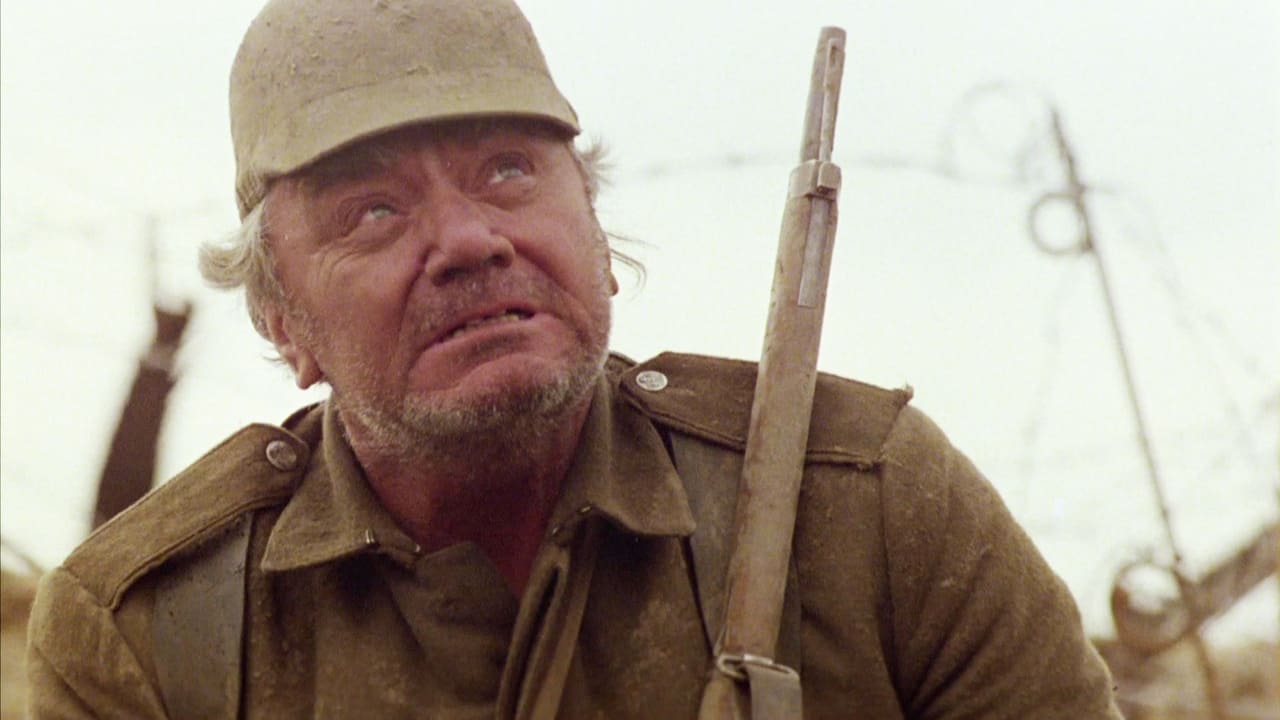
He’s surrounded by a superb veteran cast. Ernest Borgnine, reuniting with director Mann decades after their Marty triumph, embodies Stanislaus "Kat" Katczinsky, the shrewd, pragmatic older soldier who becomes a mentor and father figure to the young recruits. Borgnine brings a weary warmth to Kat, a man who understands the mechanics of survival in this meat grinder but hasn't entirely lost his humanity. His chemistry with Thomas forms the film’s emotional core, making their shared moments of quiet desperation and fleeting camaraderie all the more poignant. And Ian Holm is perfectly cast as the petty, power-tripping Corporal Himmelstoss, whose initial barrack-room tyranny seems almost quaint compared to the horrors that await at the front.
### Crafting Horror on a TV Budget
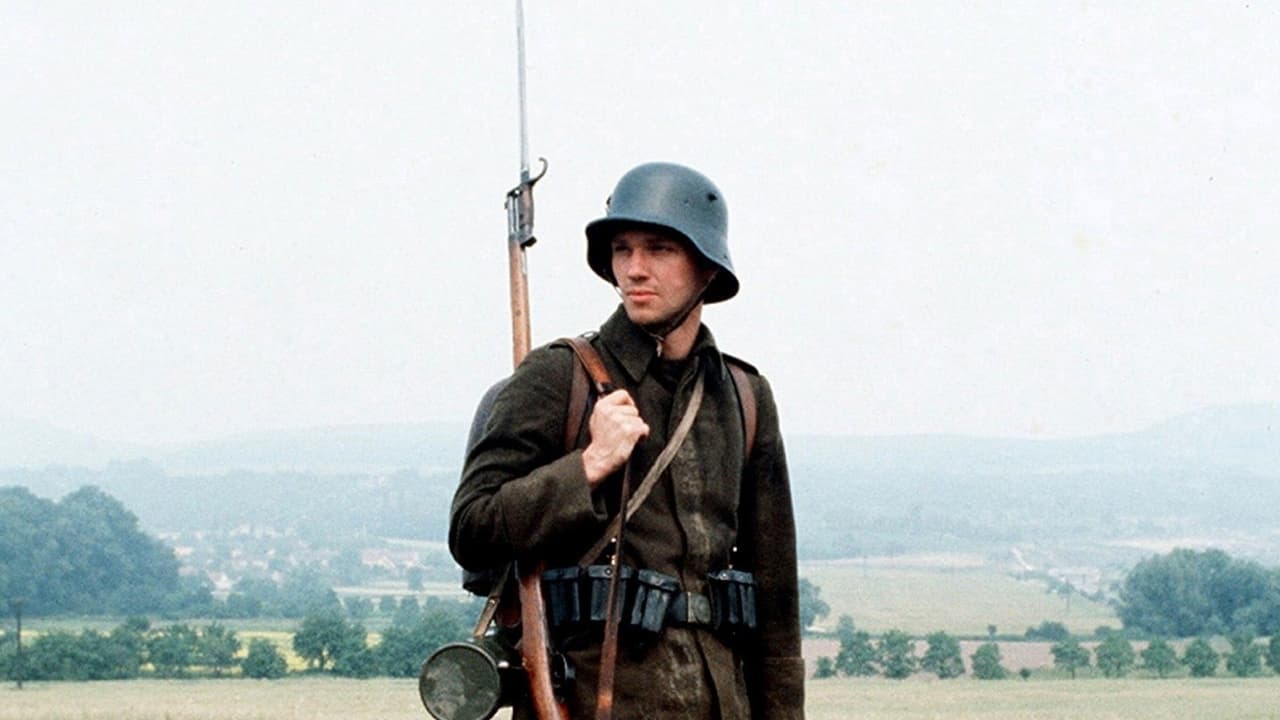
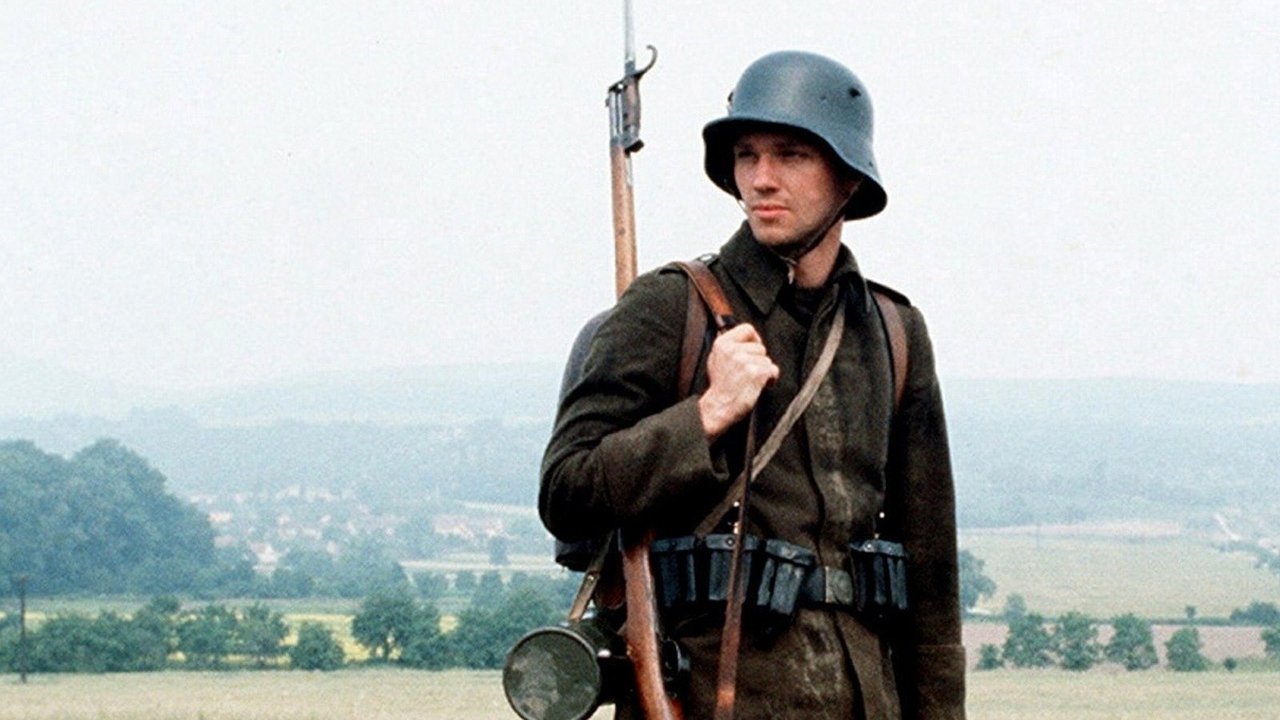
Made for television by Norman Rosemont Productions and ITC Entertainment for the Hallmark Hall of Fame, All Quiet on the Western Front carried a substantial budget for its time – around $6 million (roughly equivalent to $25 million today). Filmed on location in Czechoslovakia, the production leveraged the stark European landscapes to create an atmosphere of bleak authenticity that belied its small-screen origins. While it couldn't replicate the sheer scale of the 1930 Lewis Milestone classic, Mann focuses instead on the visceral, close-up horrors of trench warfare. The battle sequences, achieved with practical effects – squibs, explosions, and harrowing stunt work – possess a raw, terrifying immediacy. Watching these scenes on a flickering VHS tape back in the day felt disturbingly real, a far cry from the often sanitized depictions of war elsewhere. The film's effectiveness was recognized, notably winning an Emmy Award for Outstanding Film Editing, a testament to how skillfully the chaos and tension were assembled.
One fascinating tidbit is how the production navigated recreating WWI Germany and France in Soviet-controlled Czechoslovakia during the Cold War. It speaks volumes about the universal anti-war message of Remarque's story that such a production could bridge political divides, even if just for filming logistics. The dedication to authenticity extended to the details, creating a tangible sense of place and time that pulls the viewer directly into the trenches alongside Paul and Kat.
### An Enduring Quiet
What resonates most deeply, perhaps, is the film’s unwavering commitment to Remarque’s central theme: the utter futility and waste of war. There are no heroes here, only survivors and victims. The patriotic speeches ring hollow against the backdrop of constant shelling and senseless death. The film doesn't shy away from the physical or psychological toll, forcing viewers to witness the dehumanizing effects of prolonged conflict. Paul’s brief leave home, where he finds himself utterly alienated from a civilian world that cannot comprehend his experiences, is particularly heartbreaking. It raises timeless questions: How does one return from such horrors? Can the profound gulf between soldier and civilian ever truly be bridged? The quiet that lingers after the final, iconic scene isn't one of peace, but of profound, echoing loss.
### Final Verdict
All Quiet on the Western Front (1979) stands as a powerful and deeply moving adaptation, a high watermark for television filmmaking of its era. Anchored by outstanding performances, particularly from Richard Thomas and Ernest Borgnine, and directed with sensitivity and unflinching honesty by Delbert Mann, it successfully translates the novel’s devastating anti-war message for a new generation. While constrained somewhat by its television format compared to its cinematic predecessor, its intimate focus and gritty realism create a uniquely harrowing and personal experience. It avoids sentimentality, delivering a stark and necessary reminder of the human cost of conflict.
Rating: 9/10 - The compelling performances that capture the profound psychological toll of war, the skillful direction that crafts intense realism within TV constraints, and its faithful, devastating portrayal of Remarque's timeless anti-war message solidify this as a classic adaptation, easily earning this high mark.
It’s a film that stays with you, a somber reflection captured on magnetic tape, reminding us that the echoes of the Great War, and the questions it raised about humanity, remain disturbingly relevant even now.