The crushing weight of the ocean feels almost palpable, doesn't it? Long before CGI could conjure digital depths, Wolfgang Petersen's Das Boot (1981) plunged viewers into the cold, cramped, and terrifying reality of a German U-boat crew during World War II. It’s a film that doesn't just depict claustrophobia; it inflicts it, wrapping around you like the steel hull of U-96 itself, leaving you breathless and profoundly aware of the fragility of life beneath the waves. Even now, recalling that initial viewing – likely on a rented VHS tape that felt almost as heavy and significant as the film itself – brings back that same sense of submerged tension.
Beneath the Surface, Beyond the Battle Lines
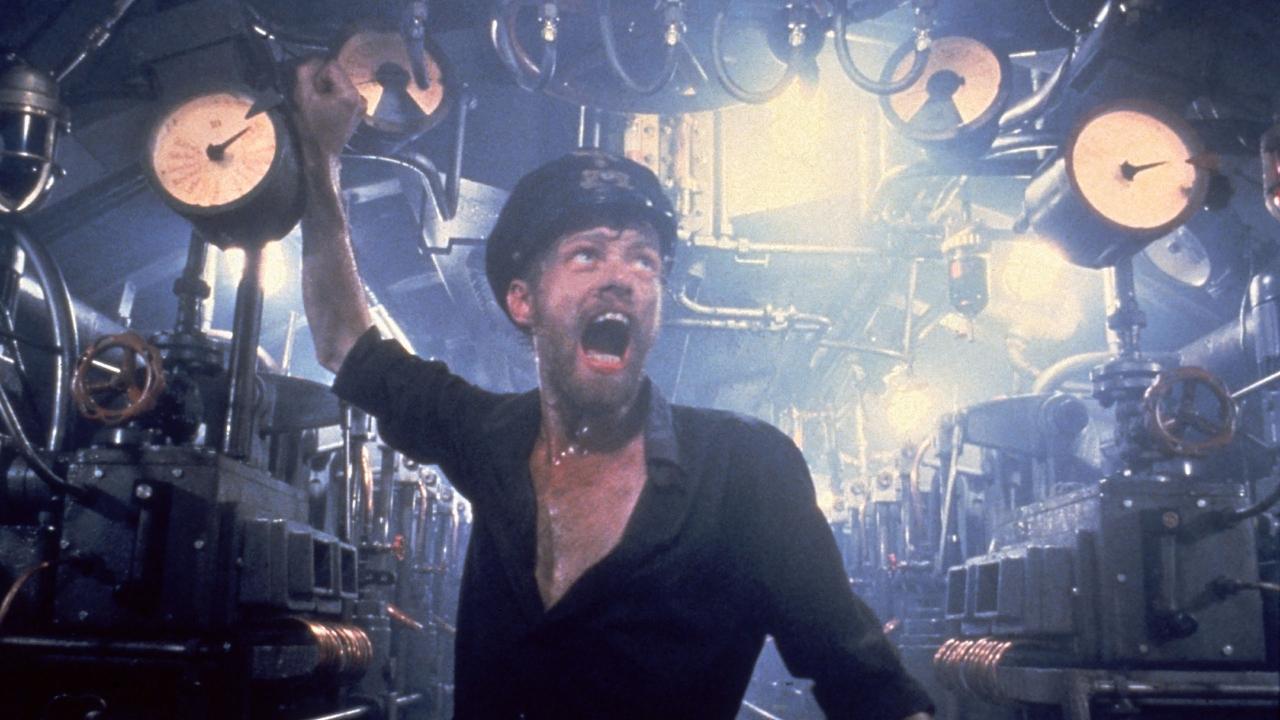
Das Boot immediately distinguishes itself by its perspective. Based on the semi-autobiographical 1973 novel by Lothar G. Buchheim, who served as a war correspondent aboard U-96, the film offers a humanizing, yet unsparing, look at the German sailors. These aren't the cackling villains of Allied propaganda; they are young men, some barely out of boyhood, caught in the gears of a horrific war machine. There's boredom, crude humour, fear, and flashes of desperate bravery, but politics feels distant, almost irrelevant, compared to the immediate struggle for survival. The film masterfully portrays the stark contrast between the drunken, almost manic revelry of their last night ashore and the grim, monotonous, oil-slicked reality that awaits them at sea.
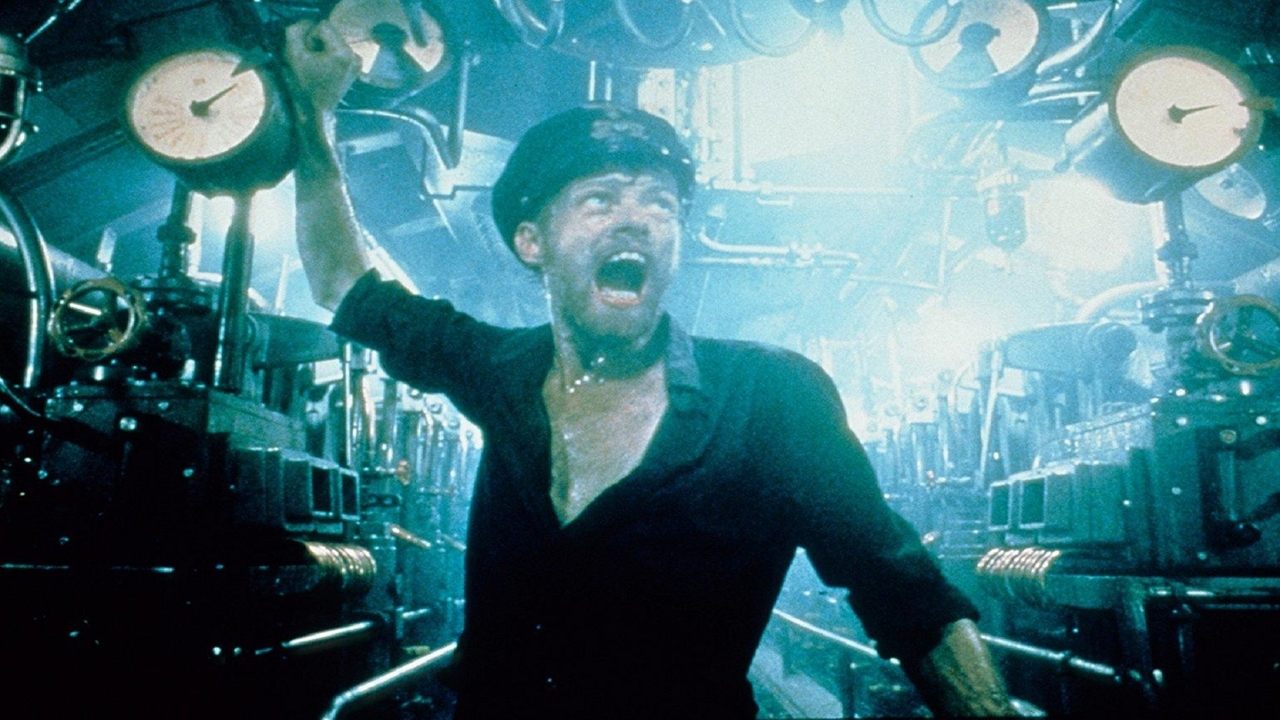
The atmosphere Petersen crafts is extraordinary. The U-boat isn't just a setting; it's a living, groaning character. The relentless sound design – the ping of the sonar, the ominous creaks and groans of the hull under pressure, the terrifying explosions of depth charges – becomes almost unbearable. Coupled with Jost Vacano's incredibly mobile cinematography (that Steadicam working overtime in impossibly tight spaces!), it creates an immersive experience that few war films have ever matched. You feel the damp chill, smell the stale air and sweat, share the crew's jolts of panic as rivets pop and water sprays.
Forged Under Pressure: Production and Performance
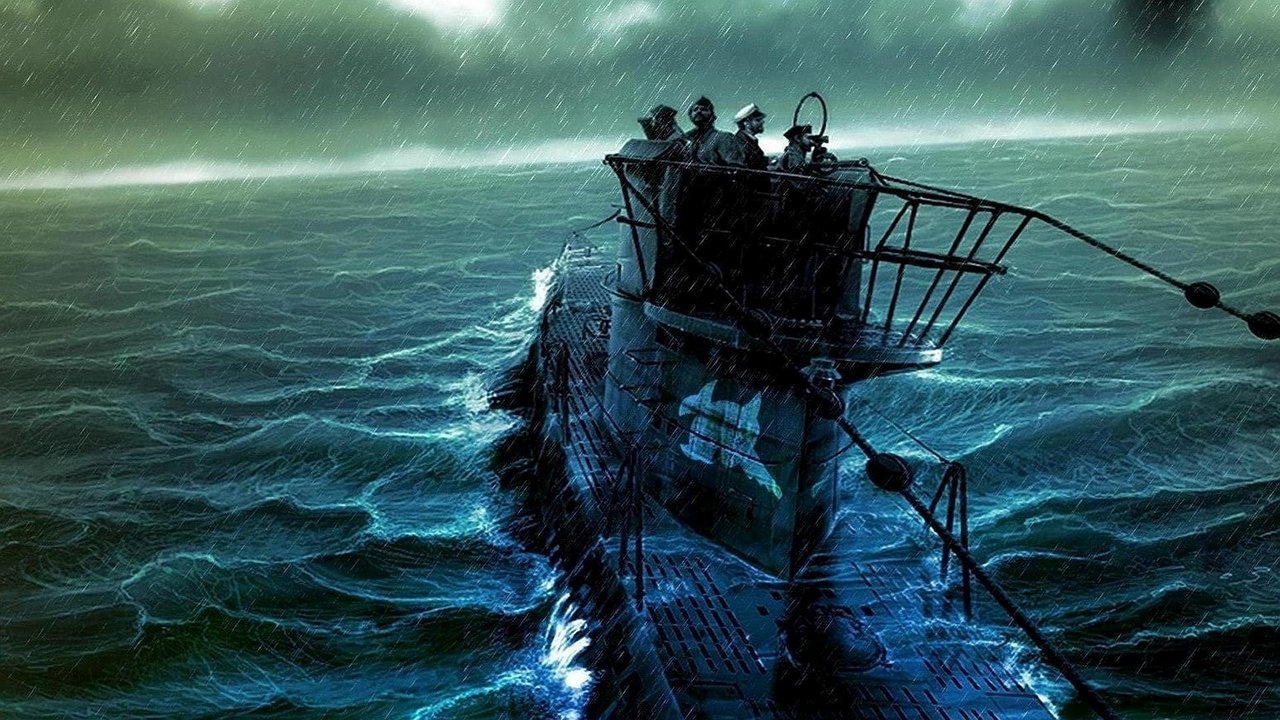
The film's legendary authenticity wasn't achieved easily. Petersen insisted on a level of realism that pushed the cast and crew. Filming proceeded chronologically over nearly a year, allowing the actors' beards to grow naturally and their pallor and exhaustion to become visibly genuine. They were confined within meticulous reconstructions of a Type VIIC U-boat – reportedly, several different full-scale models were built, including one mounted on a hydraulic gimbal to simulate the violent rocking during storm sequences and depth charge attacks. It's a testament to the director's vision that this German production, budgeted at a then-staggering sum equivalent to roughly $18.5 million, felt so viscerally real. For many of us who first encountered it via the Director's Cut or the even longer TV miniseries version (originally broadcast in 1985), the extended runtime only deepened the immersion, making the eventual return to the surface feel earned, almost liberating.
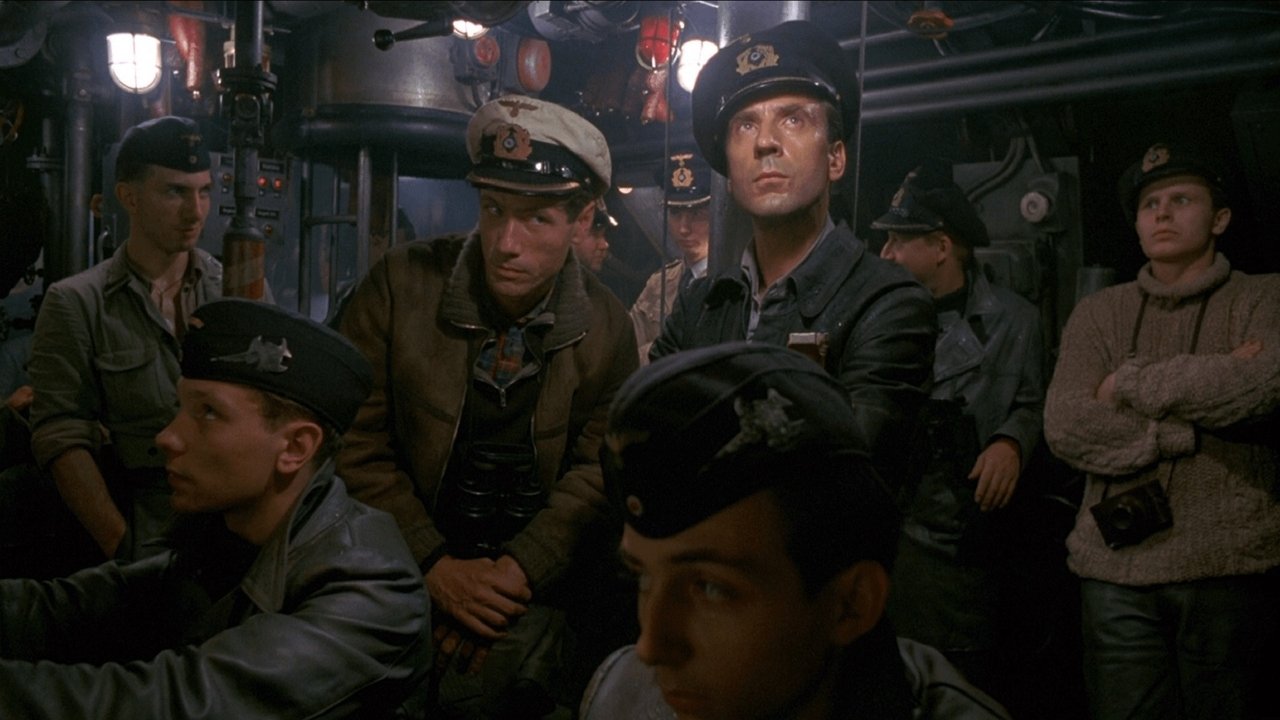
The performances are uniformly excellent, stripped of any theatricality. Jürgen Prochnow is unforgettable as the Captain-Lieutenant (referred to as 'Kaleun' - Kapitänleutnant). His weary eyes, cynical detachment, and iron-willed command anchor the film. He embodies the burden of leadership, the professional masking the profound disillusionment with the war's folly. We see the war through the eyes of Lt. Werner (Herbert Grönemeyer, who later became a massive music star in Germany), the naive war correspondent initially seeking heroic propaganda but finding only brutal, unglamorous survival. And Klaus Wennemann as the Chief Engineer ('LI' - Leitender Ingenieur) is the stoic heart of the machine, the man whose skill holds life and death in his hands. Their faces, etched with grime and fatigue, tell stories words cannot.
The Echoes of the Deep
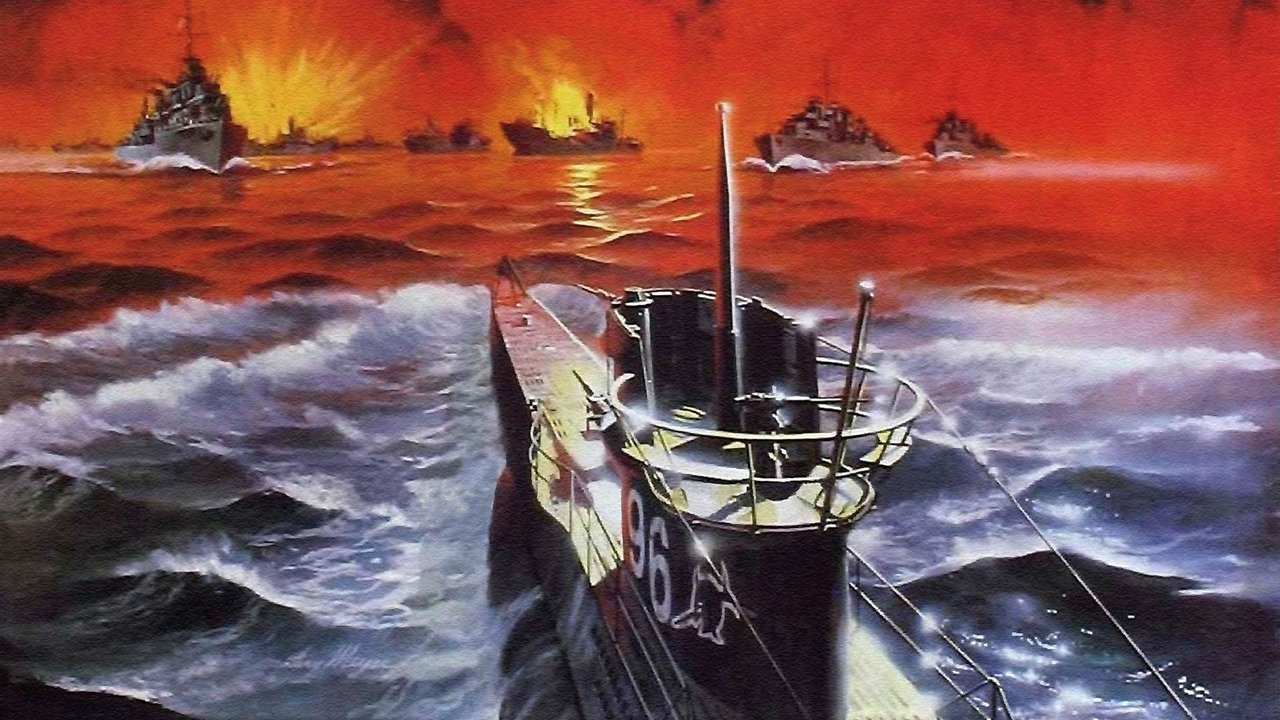
What makes Das Boot resonate so powerfully, even decades later? It transcends the specifics of WWII to become a story about endurance under extreme duress. It asks profound questions about duty, futility, and the human spirit pushed to its absolute limit. There's no glorification here, only the grim calculus of survival. The film famously received six Academy Award nominations, including Best Director and Best Adapted Screenplay for Petersen – a remarkable achievement for a foreign-language film at the time – launching his successful Hollywood career, which would later give us films like The NeverEnding Story (1984) and Air Force One (1997).
Its influence on the submarine thriller genre is undeniable, setting a benchmark for realism and psychological tension that few have dared to emulate, let alone surpass. It avoids easy answers or comfortable resolutions, forcing us to confront the harrowing, often unheroic, face of war.
Rating: 10/10
This rating feels almost inevitable. Das Boot isn't just a great war film; it's a monumental piece of cinema. Its unparalleled realism, masterful direction, powerhouse performances, and relentless tension create an experience that is both exhausting and unforgettable. It achieves a level of immersion that grabs hold and refuses to let go, justifying its place not just as a classic of the 80s, but as one of the greatest films ever made about the human cost of conflict.
What truly lingers after the credits roll isn't the action, but the silence – the crushing silence of the deep, and the haunted silence in the eyes of the men who survived it... for a time.