There's a certain raw, unfiltered energy that pulses through The Boys in Company C, a feeling less polished, perhaps, than the Vietnam War epics that would follow in its wake. Watching it again now, decades after first sliding that well-worn cassette into the VCR, it strikes me not as a precursor overshadowed by giants like Platoon or Full Metal Jacket, but as its own distinct, often jarring, portrayal of disillusionment hitting young men like a physical blow. It arrived in 1978, a time when America was still processing the conflict, and the film feels like a nerve exposed, twitching with unresolved anger and confusion.
From Green Recruits to Hardened Survivors
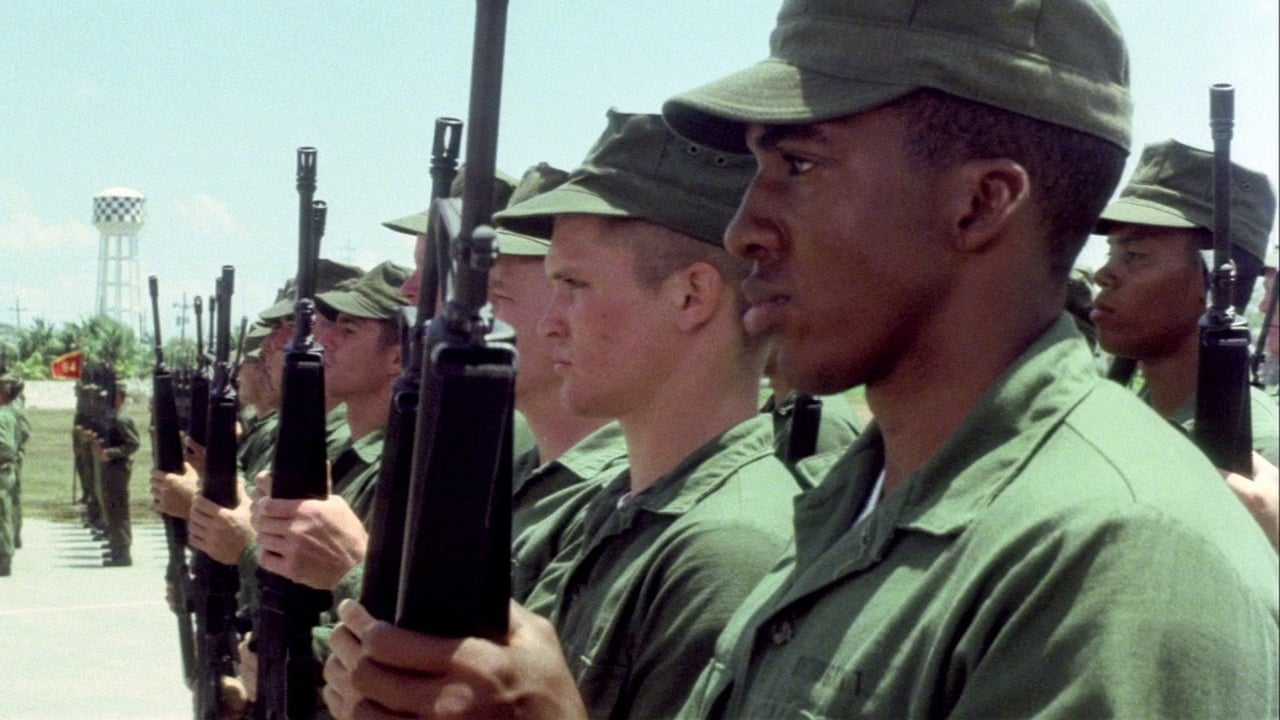
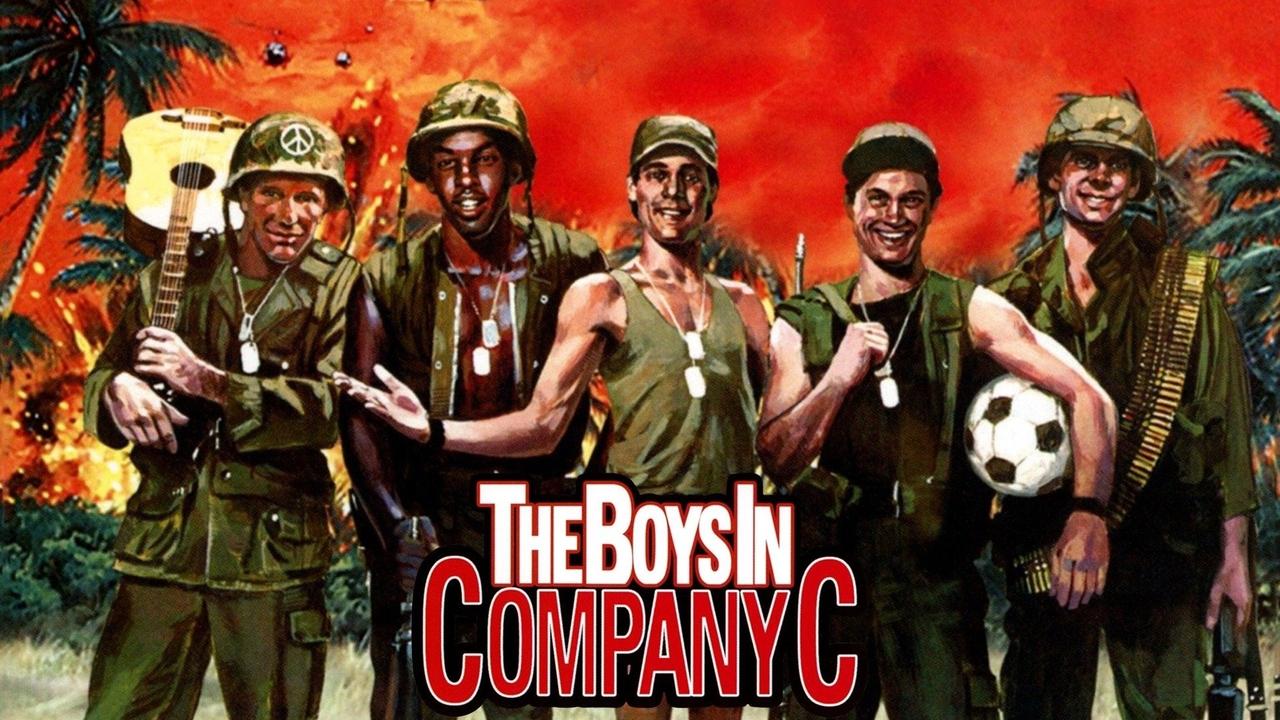
The film wastes little time establishing its rhythm, plunging us straight into the crucible of Marine boot camp in 1967. This first act is arguably the most famous, and for good reason. It's brutal, relentless, and darkly funny in a way that feels disturbingly authentic. We meet our core group – the street-smart Tyrone Washington (Stan Shaw), the privileged aspiring writer Billy Ray Pike (Craig Wasson), the reluctant draftee Alvin Foster (Andrew Stevens), the naive Vinnie Fazio (Michael Lembeck), and the gung-ho Dave Bisbee (James Canning) – as they are systematically stripped of their identities. The drill instructor, Sergeant Loyce, is a force of nature, a profane symphony of intimidation. And yes, for those keeping score at home, that is R. Lee Ermey in one of his earliest screen roles, serving as a technical advisor and delivering a performance here that undoubtedly laid the groundwork for his iconic turn in Kubrick's film nearly a decade later. Seeing him here feels like discovering an early demo tape from a rock god – the power is undeniable, even if the final mix isn't quite as legendary.
Director Sidney J. Furie, known for a diverse career ranging from the stylish spy thriller The Ipcress File to the musical drama Lady Sings the Blues, adopts a straightforward, almost documentary-like feel for these early scenes. There's little cinematic flourish, just the grim reality of breaking men down to rebuild them as soldiers. The performances from the young ensemble cast are key; they capture that potent mix of fear, defiance, and burgeoning camaraderie forged under intense pressure. Stan Shaw, in particular, radiates a natural authority and simmering resentment that makes Washington the group's anchor.
A Different Kind of War
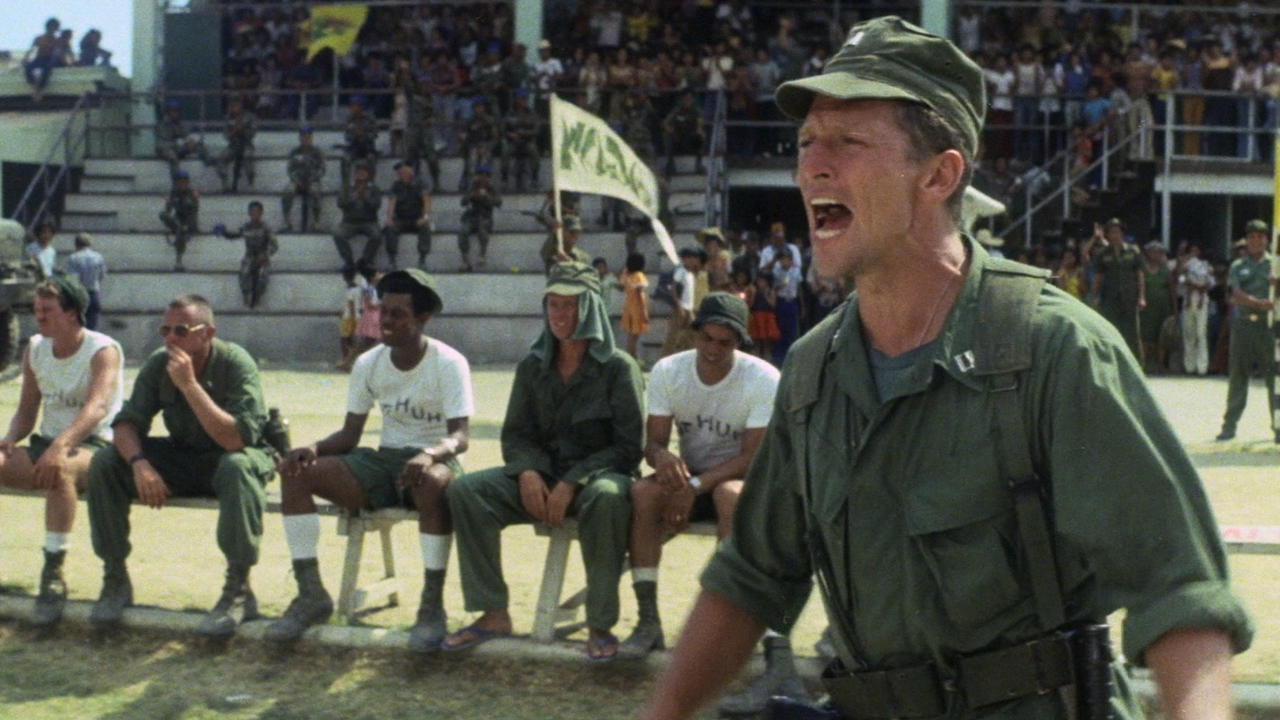
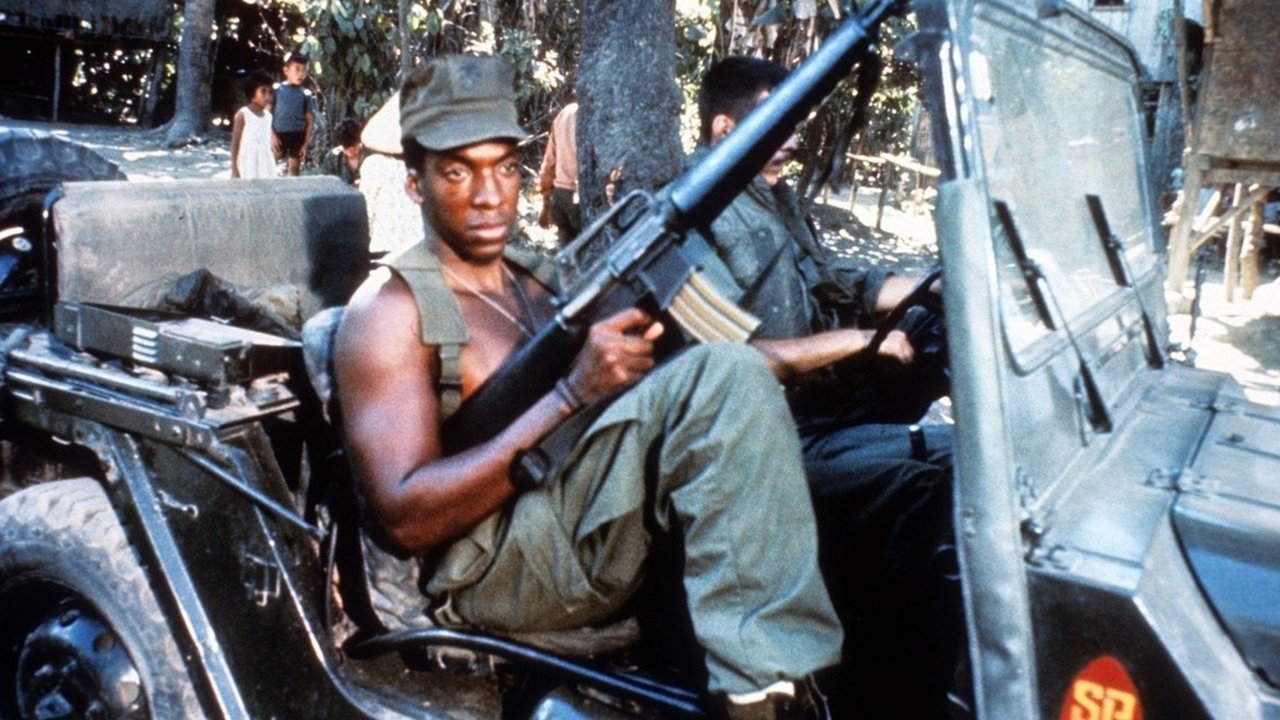
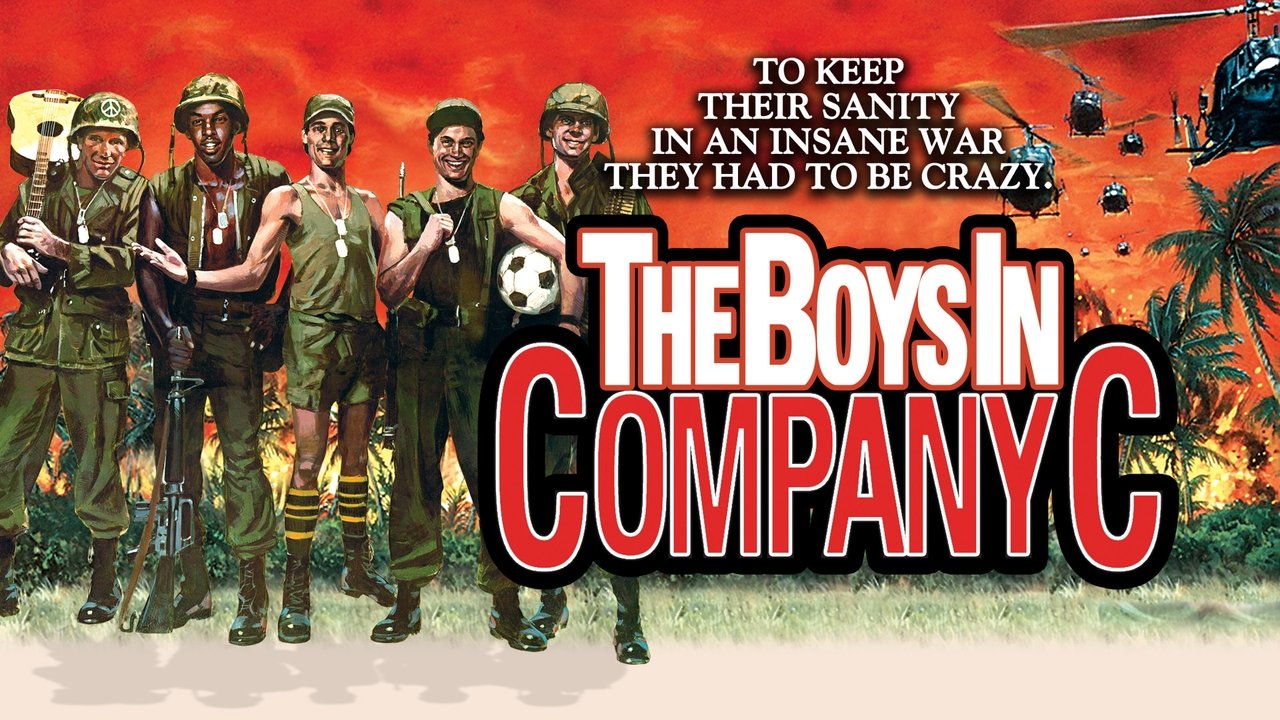
When Company C finally ships out to Vietnam in 1968, the film shifts gears, but the sense of disillusionment only deepens. The anticipated heroism dissolves into a chaotic landscape of pointless patrols, cynical commanders more interested in body counts and black market deals than strategy, and the pervasive feeling that survival is the only meaningful objective. Furie depicts the absurdity of the situation not through surreal imagery, but through grounded, often bleakly ironic scenarios. The infamous soccer match sequence – where the company is ordered to throw a game against a South Vietnamese team for PR purposes, only for the match to end in predictable violence – perfectly encapsulates the film's central theme: the utter disconnect between the orders from on high and the reality on the ground.
This isn't the operatic hellscape of Apocalypse Now or the tightly wound psychological tension of The Deer Hunter. The Boys in Company C feels grittier, messier, focused on the day-to-day grind and the corrosive effect it has on morale and morality. There are moments of action, certainly, handled with a workmanlike efficiency, but the film is more interested in the moments between firefights – the bartering, the boredom, the simmering racial tensions, the dawning realization that they are pawns in a game they don't understand.
Truth in the Trenches
What stands out decades later is the film's unvarnished portrayal of the soldiers themselves. They aren't saints or supermen; they're flawed, scared young men trying to navigate an impossible situation. Andrew Stevens conveys Foster's journey from hesitant participant to pragmatic survivor effectively, while Craig Wasson embodies the loss of idealism that many felt during the conflict. The script, co-written by Furie and Rick Natkin (based on Natkin's own experiences), doesn't shy away from the uglier aspects of war, including fragging threats and the casual disregard for civilian life fostered by the conflict's dehumanizing nature.
It’s true the film lacks the budget and visual grandeur of later Vietnam pictures. Some of the dialogue feels distinctly of its time, and the pacing can occasionally feel episodic rather than driven by a single strong narrative thread. Yet, these perceived flaws almost contribute to its authenticity. It feels like a film made closer to the event, capturing a rawer, less mythologized perspective. Finding this on VHS back in the day, perhaps nestled between bigger-budget rentals, felt like uncovering something potent and slightly dangerous, a dispatch from a war still casting a long shadow.
Rating: 7/10
The Boys in Company C earns a solid 7. While it might lack the polish and epic scope of the films that followed, its raw energy, strong ensemble performances (particularly Stan Shaw), and unflinching early look at the disillusionment and absurdity of the Vietnam War give it significant historical and dramatic weight. The boot camp sequences remain powerful, and the film's cynical critique of military leadership feels sharp even today. It might be rough around the edges, but its honesty resonates.
It remains a vital piece of the cinematic puzzle of Vietnam, perhaps less celebrated but no less potent in its depiction of young lives caught in the machinery of a conflict they were struggling to comprehend, let alone survive. What endures most isn't heroism, but the weary question hanging in the humid air: What exactly was it all for?