It begins, perhaps, not with the thunder of war, but with the roar of the steel mill furnaces and the ringing clang of camaraderie in Clairton, Pennsylvania. There's a weight to the air even before the choppers arrive, a sense of lives lived on the edge of something vast and consuming. Watching Michael Cimino’s sprawling, devastating The Deer Hunter again, decades after first sliding that worn rental tape into the VCR, the feeling isn’t nostalgia in the cozy sense. It’s the recollection of being profoundly shaken, of encountering a film that felt impossibly large, raw, and deeply, tragically human.
### The Last Dance Before the Fall
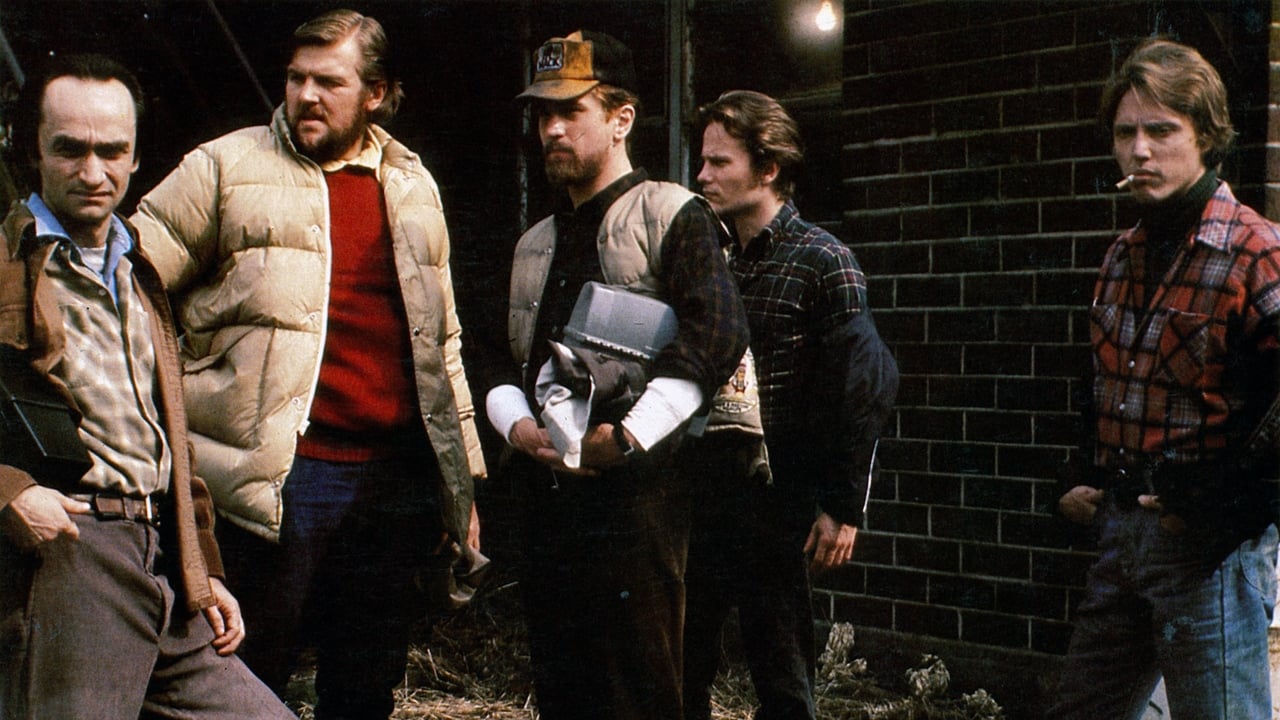
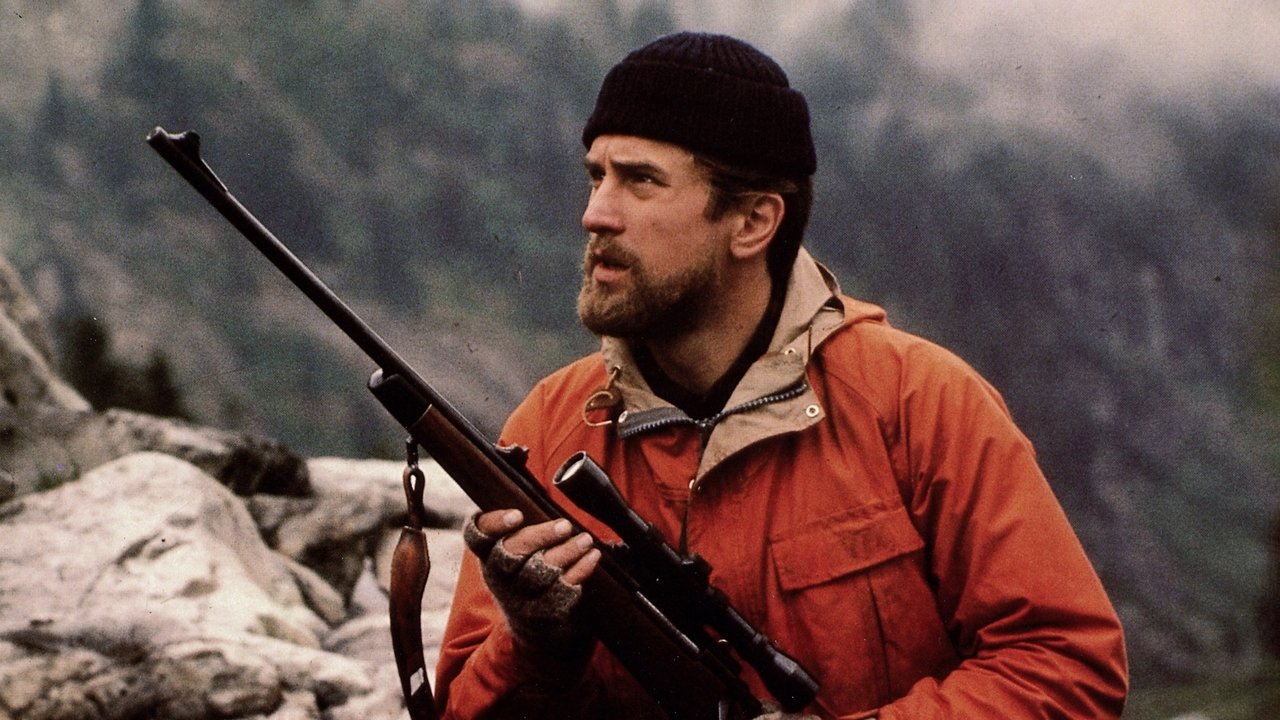
The opening act, often noted for its deliberate length, isn't filler; it's the foundation upon which the tragedy is built. We're immersed in the lives of Mike (Robert De Niro), Nick (Christopher Walken), Steven (John Savage), Stan (John Cazale, in his heartbreaking final role), Axel (Chuck Aspegren, a real-life steelworker foreman whose casting adds a layer of authenticity), and Linda (Meryl Streep). The boisterous Russian Orthodox wedding, the drunken revelry, the shared rituals – Cimino paints a portrait of a tight-knit community bound by work, loyalty, and a specific, perhaps fragile, American dream. The titular deer hunt itself, steeped in Mike’s philosophy of "one shot," becomes a potent symbol – of precision, control, and perhaps the innocence that is about to be irrevocably lost. De Niro, even here, displays that magnetic stillness, a coiled intensity suggesting depths beneath the surface bravado. Walken is ethereal, almost fragile, foreshadowing the unbearable sensitivity that will later define his fate.
### Through the Looking Glass
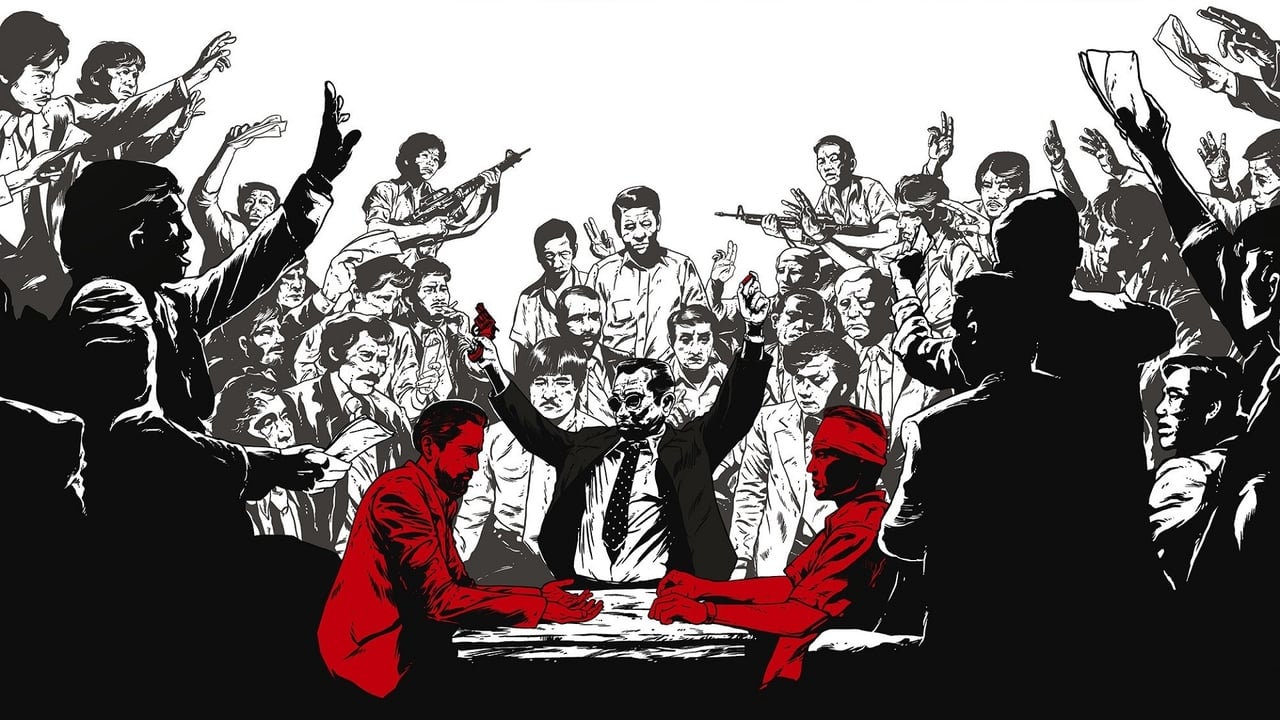
And then, Vietnam. The transition is jarring, brutal. Cimino doesn't dwell on large-scale battles in the way many Vietnam War movies do. Instead, he plunges us into a hellish, almost surreal nightmare, most notoriously encapsulated by the Russian Roulette sequences. Are they historically accurate? The debate raged then and continues now, but their symbolic power is undeniable. It’s a horrifying metaphor for the randomness of death, the dehumanizing cruelty of captivity, and the psychological destruction inflicted by the conflict. These scenes are almost unbearable to watch, etched into cinematic memory. The sheer terror and desperation conveyed by De Niro, Walken, and Savage feel terrifyingly real, performances stripped bare of any artifice. One senses the immense pressure and commitment involved; stories of Cimino's demanding methods on set, while sometimes controversial, arguably contributed to this raw, unfiltered intensity we see on screen. It wasn't just acting; it felt like survival.
### The Unspeakable Return
The film's power, for me, truly cements itself in the third act: the return home. War transforms, but The Deer Hunter explores the chilling reality that some transformations are irreparable fractures. Steven's physical wounds are devastating, but it's Nick's psychological disintegration, his ghost-like existence in the Saigon gambling dens, that haunts the longest. Walken's Oscar-winning performance here is mesmerizing – vacant eyes holding unimaginable horrors, detached from the world he once knew. Mike returns, seemingly intact but forever changed, carrying the weight of his friends' fates. His attempts to reconnect, to pull Nick back from the abyss, are fraught with a quiet desperation. De Niro masterfully portrays this internal struggle, the stoicism barely concealing the profound trauma beneath. And Streep's Linda, waiting, hoping, embodies the collateral damage back home, her grief palpable in every subtle glance and gesture.
### A Troubled Epic
Is The Deer Hunter a perfect film? Few epics are. Its portrayal of the Vietnamese has drawn significant criticism, often seen as simplistic or even racist. The pacing, particularly in the first hour, tests patience. Yet, its artistic achievements are undeniable. Vilmos Zsigmond's cinematography captures both the grimy grandeur of industrial Pennsylvania and the nightmarish landscapes of Vietnam with equal skill. The film feels vast, ambitious, grappling with enormous themes: friendship, loyalty, patriotism, disillusionment, the psychological scars of war, and the very definition of home. It doesn't offer easy answers; it leaves you grappling with the profound cost of conflict long after the credits roll. Remember sliding that hefty double-VHS set out of its sleeve? It felt like undertaking something significant, a commitment rewarded with an experience that burrowed deep.

---
Rating: 9/10
The Deer Hunter remains a monumental, if flawed, piece of American cinema. Its emotional power is overwhelming, anchored by unforgettable performances, particularly from De Niro, Walken, and Streep. While its length and controversial elements demand consideration, the film's unflinching look at the psychological devastation of war and its impact on the human spirit feels as potent and necessary today as it did upon its release. It’s not an easy watch, never was, but its place in film history, and likely on the shelf of many a serious VHS collector, is undisputed. What lingers most, perhaps, is the haunting rendition of "God Bless America" – a moment layered with irony, sorrow, and a fragile, uncertain hope.