Okay, settle in. Dim the lights, maybe pour yourself something strong. Tonight, we’re drifting into the fog-drenched, blood-splattered dreamscape of Jean Rollin’s Fascination (1979). This isn't your standard gothic chiller; it's something altogether stranger, a film that wraps you in velvet and lace before revealing the cold steel beneath. Finding a copy of this back in the day felt like uncovering a forbidden text, tucked away in the corner of the video store, its faded cover hinting at elegant decay and unspeakable secrets. It promised something European, something... different. And it delivered.
### Invitation to a Decaying Manor
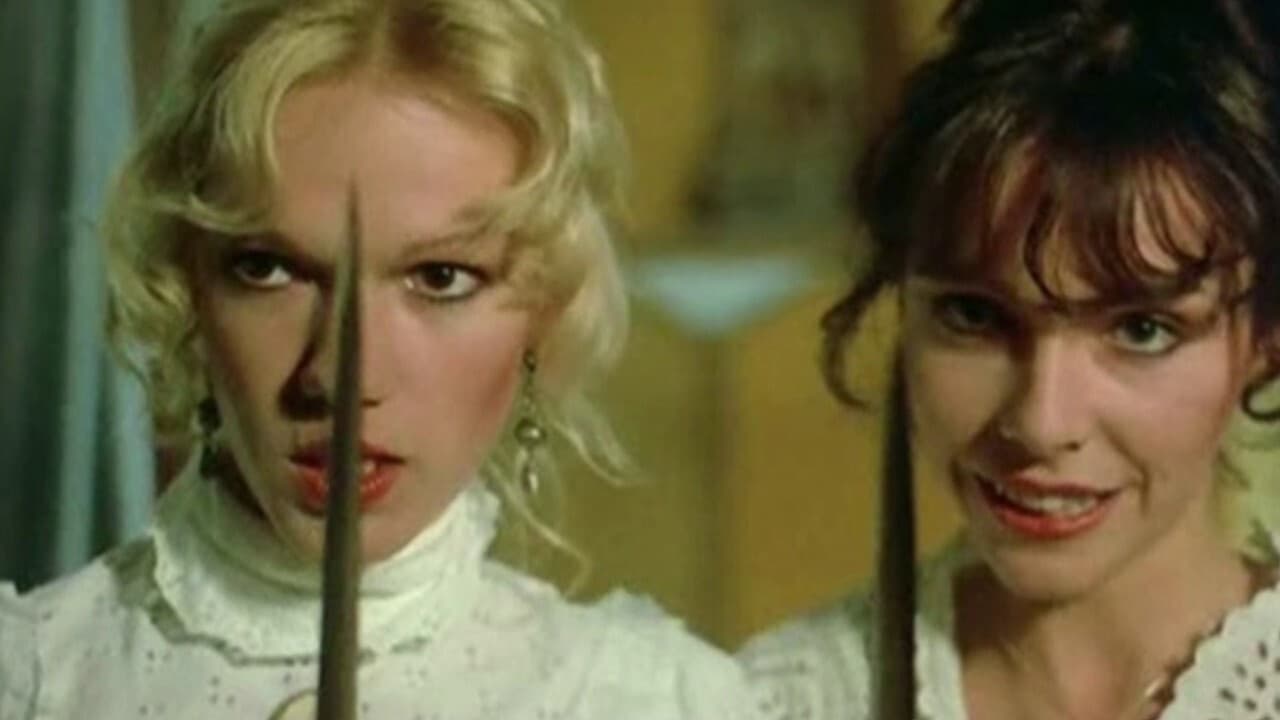
The setup feels almost like a dark fairytale gone wrong. Marc (Jean-Marie Lemaire), a sharp-suited thief on the run with a bag full of gold, stumbles upon an isolated, seemingly abandoned château. Inside, he finds two ethereal, enigmatic women, Eva (Brigitte Lahaie) and Elisabeth (Franca Maï), apparently waiting for aristocratic guests who never seem to arrive. They’re beautiful, unnerving, and possess an unsettling calm that immediately puts Marc – and the viewer – on edge. What begins as a tense standoff slowly morphs into a languid, erotically charged game of cat and mouse, all unfolding within the crumbling grandeur of the Château de Falicon, a real location near Nice that Rollin used to maximum atmospheric effect, its faded opulence mirroring the characters' decadent ennui.
Rollin, a true auteur of French fantastique cinema, wasn't interested in conventional narratives. He painted with mood, symbolism, and startling imagery. Fascination is less about plot mechanics and more about immersing you in a specific feeling – a blend of decadent longing, predatory desire, and impending doom. The pacing is deliberate, almost hypnotic, letting the silence and the creaks of the old house build a palpable sense of isolation before the strange rituals begin.
### Blood and Lace
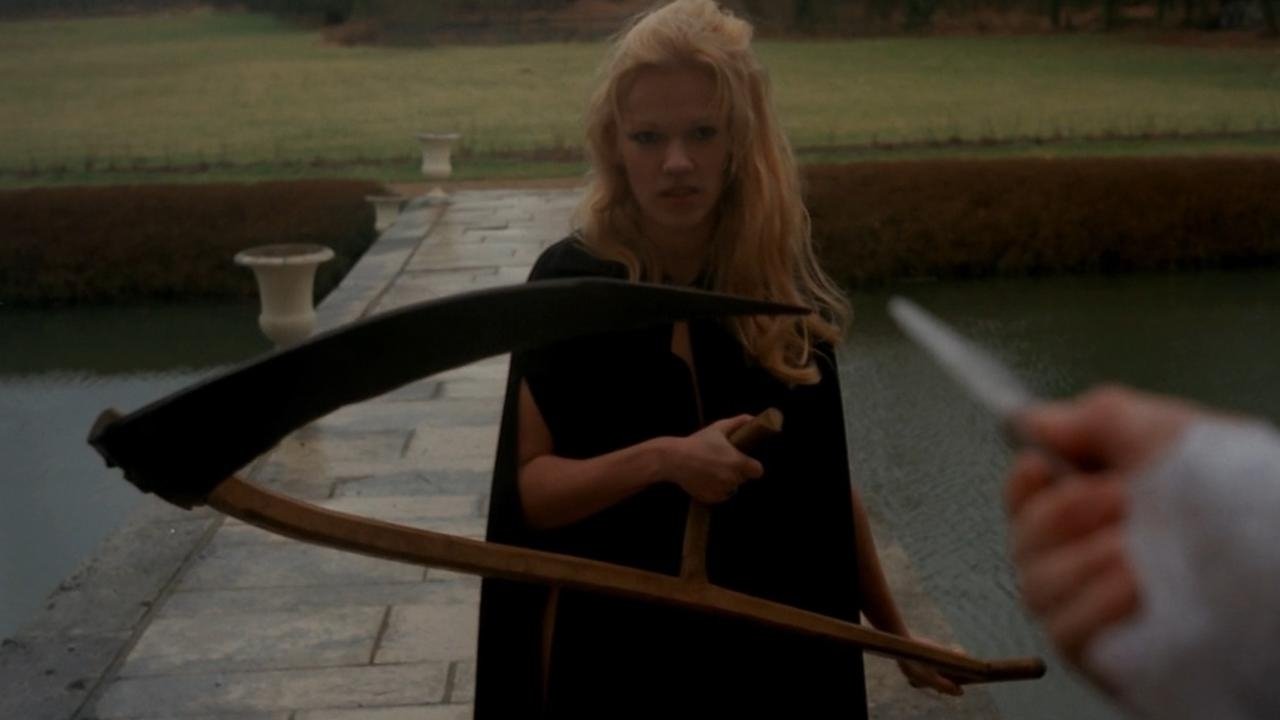
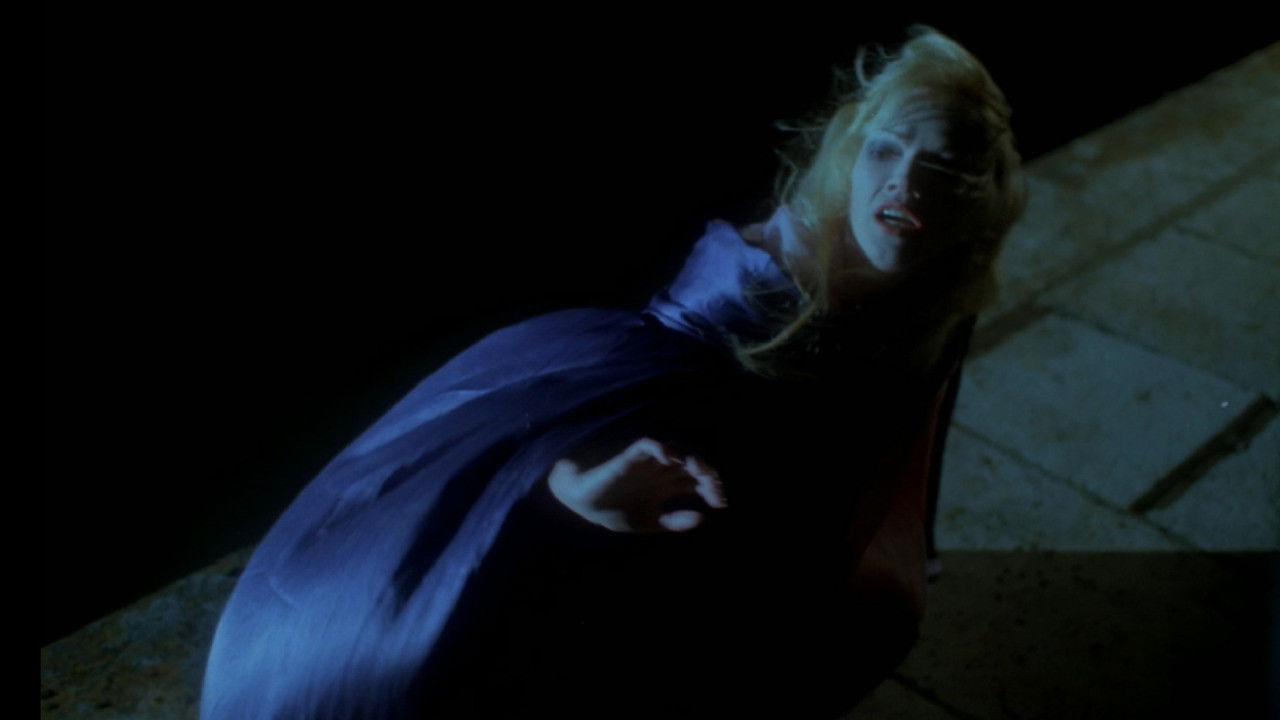
What truly sets Fascination apart is its unique cocktail of gothic horror, explicit sensuality, and surreal, almost painterly violence. Jean Rollin often worked on shoestring budgets, a constraint that paradoxically fueled his distinct visual style. He couldn’t afford elaborate effects, so he focused on composition, lighting, and creating iconic images – women in flowing white gowns against decaying architecture, the stark crimson of blood against pale skin. The practical blood effects here, while perhaps not anatomically precise by today's standards, have a visceral, almost symbolic quality. They stain the pristine white dresses and porcelain skin, signifying the intrusion of violence into this strange, secluded world.
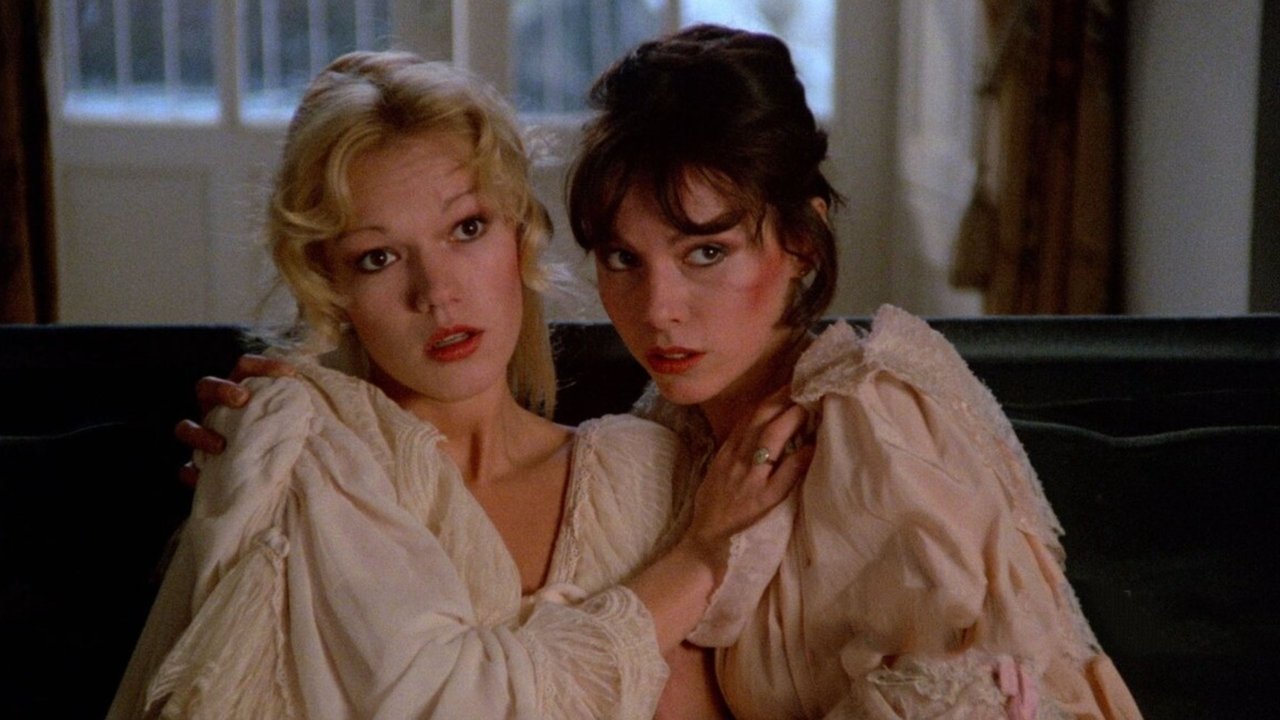
The performances are key to the film's unsettling power. Franca Maï as Elisabeth is captivating, embodying a fragile, almost doll-like beauty tinged with melancholy. Brigitte Lahaie, who famously transitioned from adult films to genre cinema, brings a commanding, dangerous presence as Eva. Her gaze is intense, her movements deliberate, hinting at the predatory nature lurking beneath the surface. Reportedly, Rollin specifically sought Lahaie for her unique screen presence, feeling she embodied the film's blend of sensuality and threat. Jean-Marie Lemaire, as the outsider Marc, serves as the audience surrogate, initially confident but increasingly bewildered and ultimately ensnared by the château's strange allure and the deadly secrets held by its inhabitants.
### Retro Fun Facts & Rollin's Vision
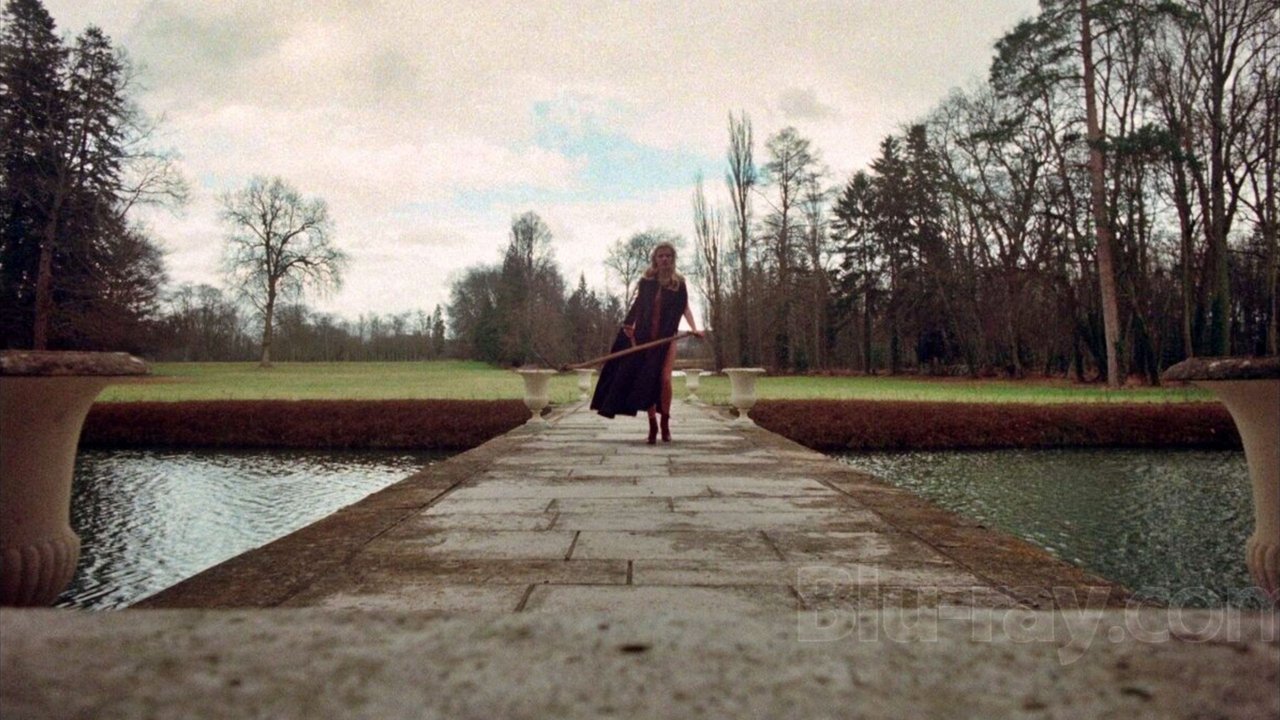
- Location, Location, Location: The Château de Falicon wasn't just a set; its genuine atmosphere permeates the film. Rollin often sought out such evocative, often dilapidated locations to lend his films an authentic sense of history and decay.
- Symbolic Colours: Pay attention to the use of colour, particularly white (purity, death shrouds) and red (blood, passion, danger). It’s a visual language Rollin employed consistently.
- The Scythe: The climactic sequence involving scythes is one of Rollin's most iconic and visually striking moments, blending pastoral imagery with shocking brutality. The starkness of these scenes, bathed in cold daylight, is particularly chilling.
- Cult Following: Like much of Rollin's work, Fascination wasn't a mainstream hit but quickly developed a devoted cult following, particularly among fans of European horror and arthouse cinema who appreciated its unique aesthetic and thematic concerns. Finding it on VHS was often a badge of honour for serious genre explorers.
- Recurring Themes: The film explores classic Rollin themes: vampirism (though not explicitly traditional), female power dynamics, the allure of death, and the interplay between eroticism and horror.
### An Acquired, Intoxicating Taste
Fascination isn't a film that relies on jump scares. Its horror is deeper, more insidious, burrowing under your skin through atmosphere and suggestion. It’s the kind of unease that lingers – the way the women watch Marc, the loaded pauses in their conversation, the feeling that something ancient and hungry resides within those walls. The score, often minimalist and haunting, enhances the dreamlike, almost suffocating mood. It perfectly captures that late-night, slightly unreal feeling you get when watching something truly strange unfold on a flickering CRT screen.
Did the film's languid pace ever test your patience back then, or did it just pull you deeper into its spell? For me, it was always the latter. It felt like being privy to a secret, decadent ritual, one where beauty and terror were inextricably linked. It’s a prime example of 70s Euro-horror, operating on a different wavelength than its American or British counterparts, favoring mood and visual poetry over relentless action.
### Final Verdict & Rating
Fascination is undeniably a Jean Rollin masterpiece, a beautiful, hypnotic, and deeply unsettling piece of gothic horror infused with potent eroticism. It’s slow, deliberate, and demands patience, rewarding viewers with unforgettable imagery and a pervasive sense of dreamlike dread. The performances, particularly from Lahaie and Maï, are perfectly attuned to the film’s strange frequency. While its narrative might feel thin to some, its power lies in its atmosphere, its bold visual style, and its unflinching exploration of desire and death. It's a film that truly feels like it belongs to another time, best discovered late at night on a flickering screen.
Rating: 8/10
Justification: This score reflects the film's exceptional atmosphere, unique visual style, and its status as a standout work within Rollin's distinctive filmography and the wider Euro-horror canon. It achieves exactly what it sets out to do, creating a hypnotic and unsettling experience. The deduction of points acknowledges that its unconventional pacing and narrative minimalism might not appeal to all viewers, even within the genre Ranks.
For lovers of atmospheric horror, European cult cinema, or anyone who remembers the thrill of discovering something truly unique in the video store's dusty corners, Fascination remains an essential, intoxicating experience. It's a film that doesn't just show you horror; it makes you feel it, draped in velvet and stained with blood.