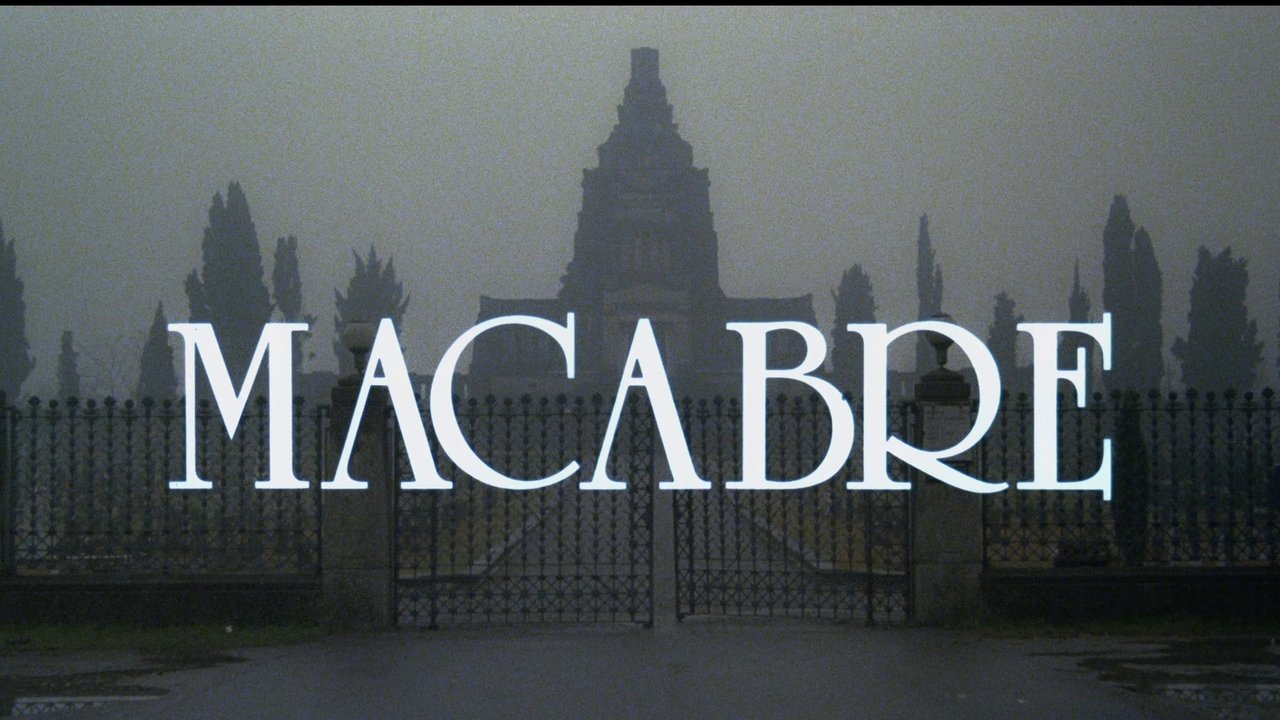
The silence in Jane Baker's apartment is thick enough to choke on, broken only by the murmur of forbidden affection. Love can curdle into something monstrous, something kept alive long after the heart stops beating. Lamberto Bava's 1980 solo directorial debut, Macabre (also known as Macabro or Frozen Terror), understands this awful alchemy of grief and obsession perhaps too well, plunging the viewer into a domestic nightmare spun from loss and profound transgression. This isn't a film that startles with jump scares; it creeps under your skin, leaving a clammy residue of unease that lingers like stale perfume.
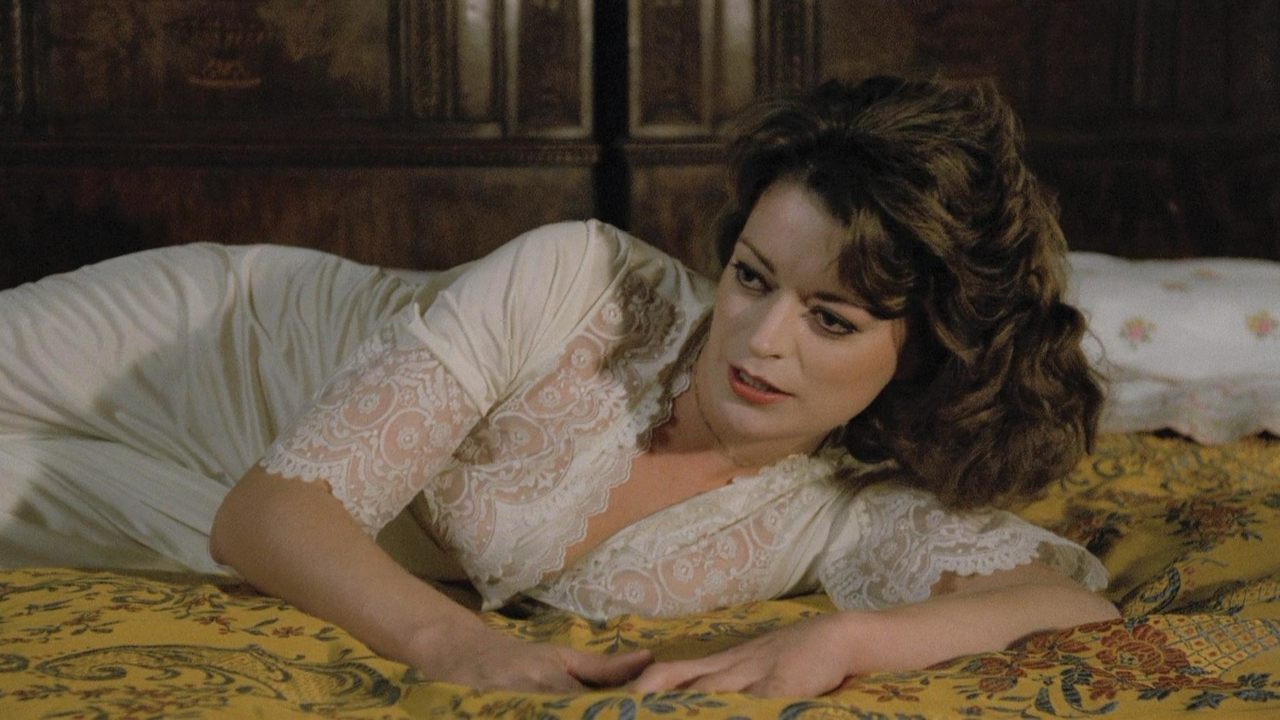
A Love That Will Not Die
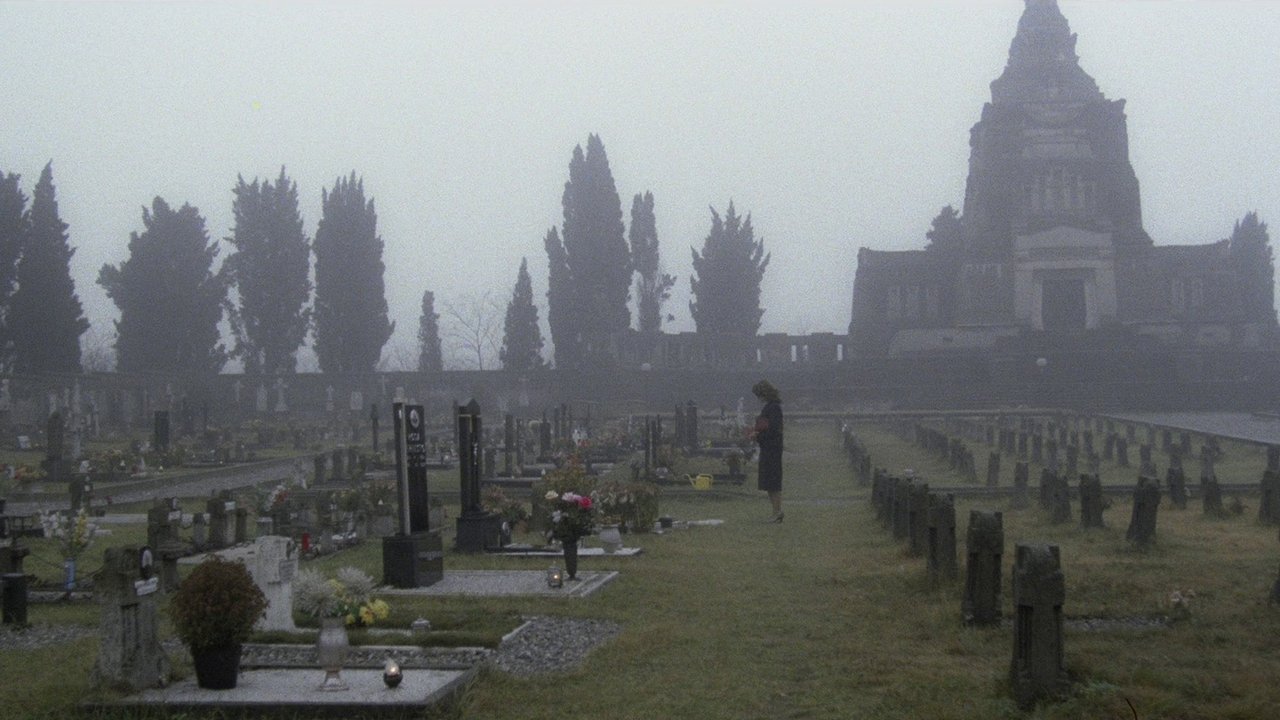
The setup is brutally efficient. In a rain-slicked New Orleans (though sharp eyes might notice the distinctly European architecture betraying its Italian filming locations, primarily Rome and the hauntingly preserved industrial village of Crespi d'Adda), Bernice Baker (Bernice Stegers) carries on a torrid affair while her children wait at home. Tragedy strikes – a horrific accident claims her lover, Fred, and inadvertently, her young son. A year later, seemingly recovered but brittle, Jane moves into a boarding house run by the blind Robert Duval (Stanko Molnar). But Jane hasn't moved on. Not entirely. Her grief has metastasized into a shocking, secret devotion: she keeps her lover's severed head preserved in the fridge, treating it as a living partner.
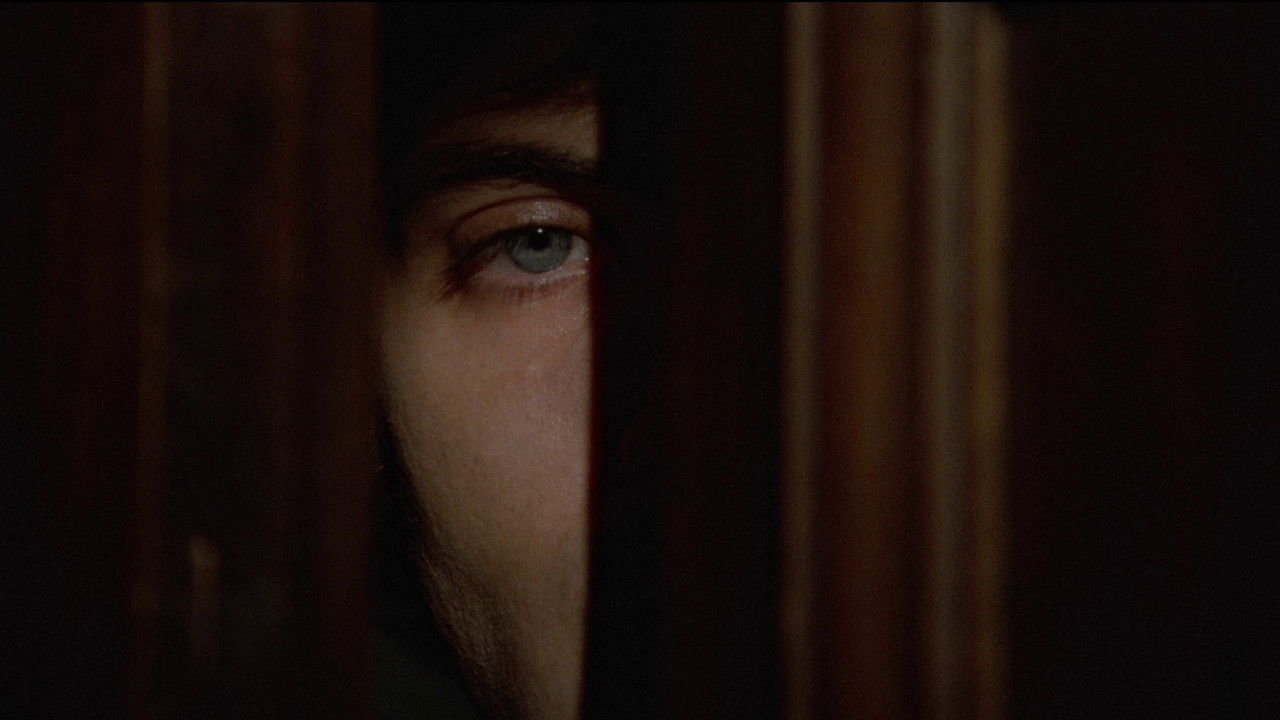
Macabre unfolds with a deliberate, almost suffocating pace. Bava, son of the legendary Mario Bava and here stepping firmly out of his father’s shadow (though he’d honed his craft assisting on films like Shock (1977)), prioritizes atmosphere over outright shocks for much of the runtime. He crafts a world of shadows and whispers, focusing on the claustrophobia of Jane's rented room and the decaying grandeur of the boarding house. The tension primarily builds through suggestion and the mounting dread felt by Robert, whose blindness ironically makes him acutely aware of the wrongness pervading the house, sensing Jane's unnatural secret through sound and intuition.
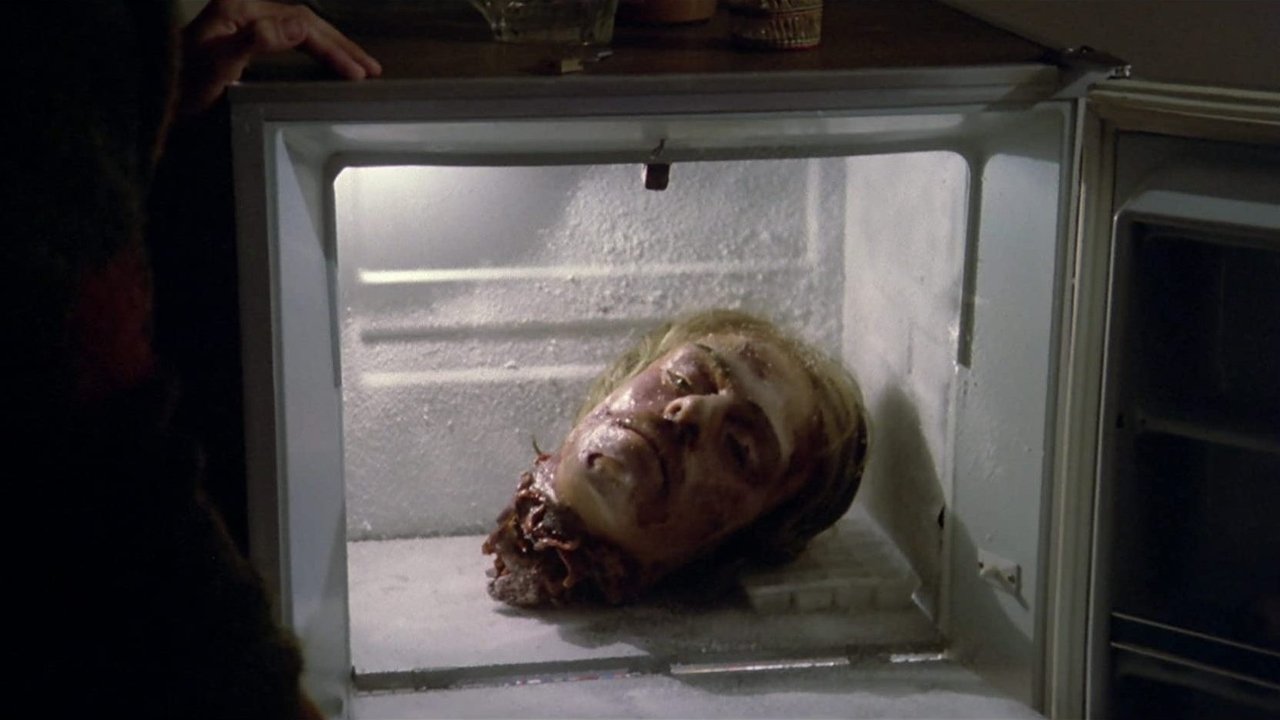
The Unsettling Heart of Obsession
At the core of the film's chilling power is Bernice Stegers' remarkable performance. She portrays Jane not as a raving lunatic, but as a woman locked in a terrifyingly convincing delusion. There's a fragility beneath the obsession, moments where you almost pity her desperate attempts to maintain a grotesque normality. Yet, her interactions with the 'head' – tender, intimate, utterly ghastly – are profoundly disturbing. Stegers commits fully, making Jane's warped reality feel chillingly plausible within the film's grim logic. It's a performance that avoids easy caricature, opting for a quieter, more insidious form of madness. Does her chillingly calm demeanor make the premise even more disturbing?
The script, co-written by Bava with Roberto Gandus and influential Italian horror figures Pupi Avati and Antonio Avati (Pupi Avati directed the unsettling classic The House with Laughing Windows (1976)), allegedly drew inspiration from a real-life news report. Whether true or not, this "based on reality" whisper adds another layer of discomfort. This wasn't just conjured horror; it felt like something ripped, however loosely, from the darkest corners of human behavior. This grounding, combined with Bava's patient direction, prevents Macabre from becoming merely sensationalistic. It aims for psychological horror, exploring the abyss of grief and the monstrous shapes denial can take.
That Infamous Ending
Of course, for those who rented this gem back in the day, often drawn by lurid VHS cover art hinting at the taboo subject matter, the film is perhaps most remembered for its truly audacious final moments. Spoiler Alert! The climactic reveal, when Jane's daughter Lucy discovers the secret and the subsequent, shocking sequence involving the head... well, it's the kind of ending that burned itself onto your retinas. While the practical effect might look dated now, back then, viewed on a flickering CRT, it felt viscerally real and utterly transgressive. It’s a sudden explosion of gore and madness after the slow-burn tension, ensuring Macabre left an indelible, queasy mark. Reportedly, the effect was achieved with unsettling realism, causing quite a stir upon release.
Lingering Dread
Macabre isn't perfect. The pacing can feel glacial at times, demanding patience from viewers accustomed to more frantic horror offerings. The supporting characters, including Jane's daughter and the blind landlord, occasionally feel more like plot devices than fully fleshed-out individuals. Yet, its strengths lie in its unwavering commitment to its disturbing premise, Stegers' hypnotic performance, and Bava's masterful control of atmosphere. It taps into primal fears surrounding death, decay, and the terrifying extremes of love turned pathological.
Rating: 7/10
Justification: Macabre earns a solid 7 for its potent atmosphere, Bernice Stegers' unforgettable central performance, and its sheer audacity in exploring taboo themes with chilling seriousness. Lamberto Bava establishes his own distinct voice here, crafting a genuinely unsettling piece of psychological horror. While the slow pace might deter some, and certain elements feel a bit underdeveloped, the film's core concept and shocking finale deliver a uniquely disturbing experience that exemplifies the darker, more challenging side of Italian horror filmmaking found on those treasured VHS shelves.
Final Thought: More than just a shocker, Macabre is a haunting meditation on how grief can rot the soul from within, leaving behind something truly… well, macabre. It's a film that stays with you, whispering its morbid secrets long after the tape stops rolling.