The air hangs thick and still, carrying the faint scent of decay and something else… something ancient and unholy stirring beneath the earth. That’s the feeling that washes over you from the opening frames of Lucio Fulci’s 1980 nightmare vision, City of the Living Dead (also known, perhaps more poetically, as Paura nella città dei morti viventi). Forget jump scares; this is a film that aims to seep under your skin, a slow-burn descent into a world where the veil between life and death has been torn violently asunder. The suicide of a priest in the cursed town of Dunwich doesn't just trigger grief; it rips open one of the seven gates of Hell itself.
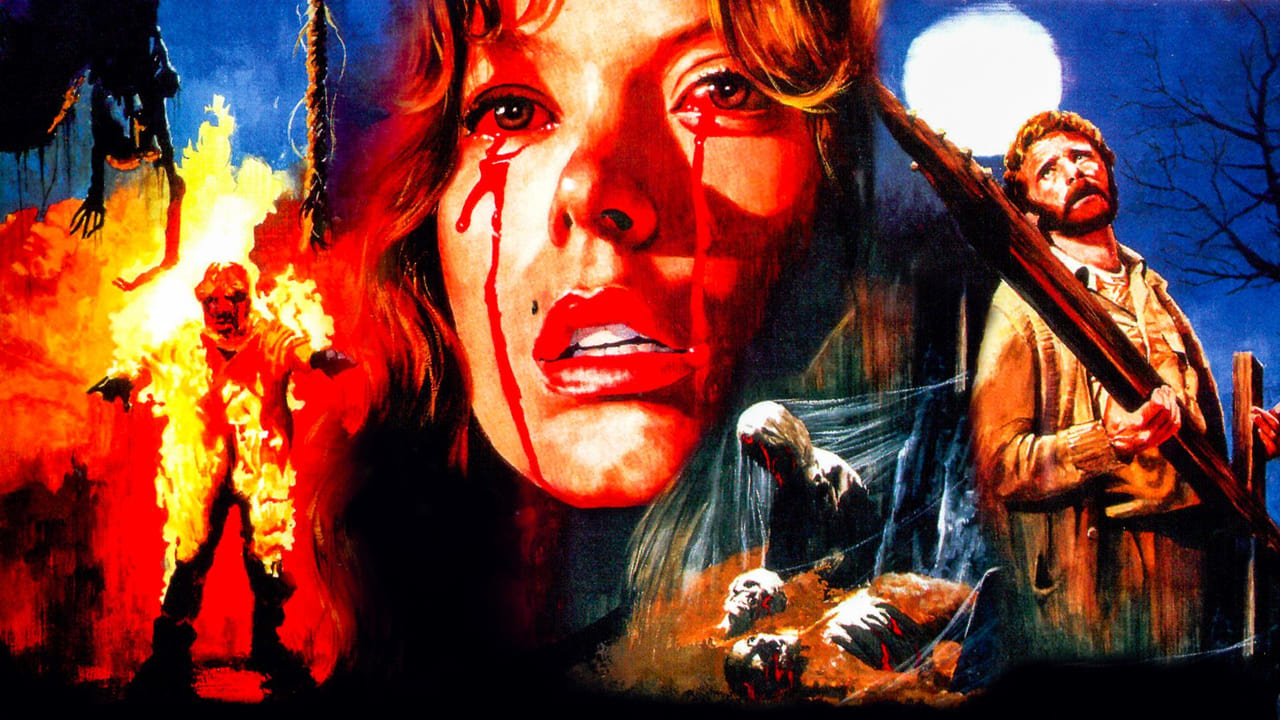
Welcome to Dunwich, Please Keep Your Insides Inside
What follows isn't so much a plot as a series of increasingly grotesque and surreal vignettes, loosely tied together by psychic Mary Woodhouse (Catriona MacColl, a familiar face for Fulci aficionados from The Beyond and House by the Cemetery) and grizzled reporter Peter Bell (Christopher George, bringing a certain rugged weariness from films like Grizzly). They race against time – All Saints' Day – to close the gate before the dead irrevocably inherit the Earth. But honestly, the narrative often feels secondary to the suffocating atmosphere Fulci conjures. Dunwich is less a town and more a tangible manifestation of dread, shrouded in perpetual fog, populated by wary locals, and seemingly built atop cursed ground. You can almost smell the damp earth and grave dirt through the screen. It’s a feeling amplified immeasurably if you first encountered this on a grainy VHS tape, late at night, the static hiss merging with the film's unsettling soundscape.
The Maestro of Mayhem Conducts
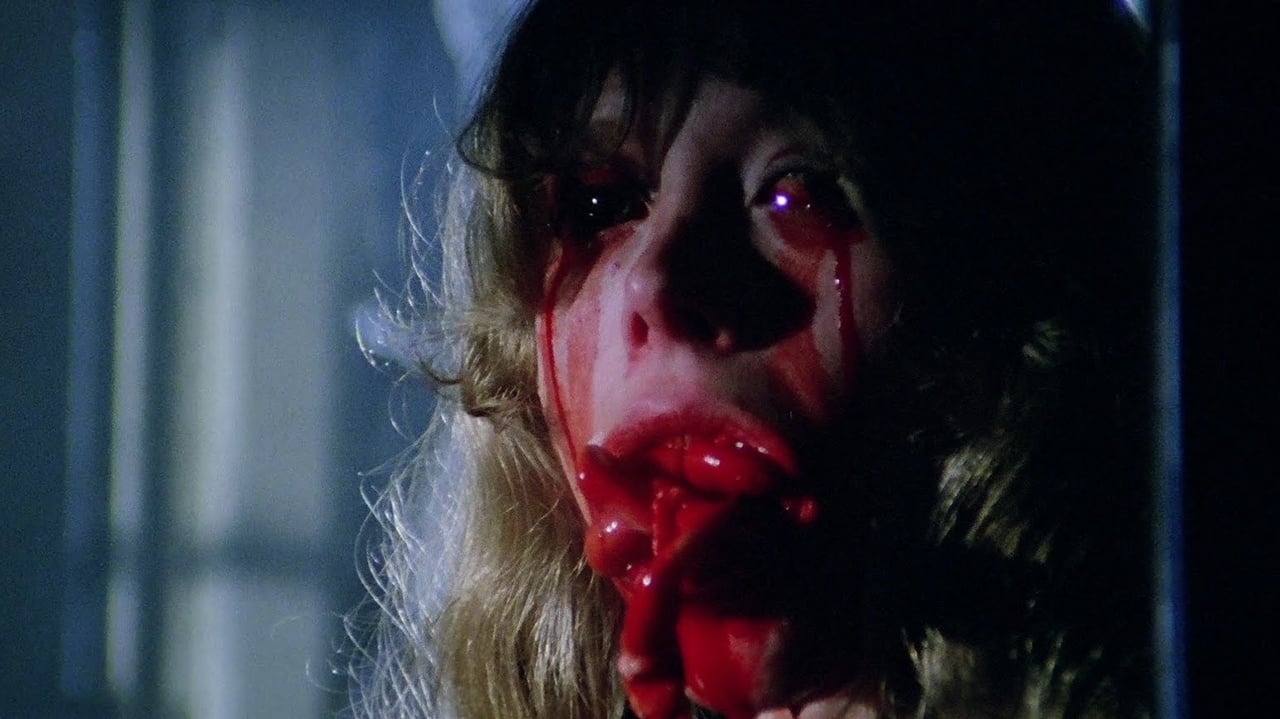
Let's be blunt: people come to Fulci for the gore, and City of the Living Dead delivers with an almost operatic intensity. These aren't quick cuts; Fulci forces you to watch. The infamous drill-through-the-head sequence is agonizingly slow, rendered with stomach-churning practical effects by Gino De Rossi and his team. Then there’s the scene where a woman vomits… well, everything. It’s excessive, repulsive, and utterly unforgettable. Rumor has it that sheep intestines were employed for that particular gag, a testament to the gruesome ingenuity of the era's effects artists. These moments weren't just shocking; they felt transgressive back then, pushing boundaries in a way few mainstream films dared. Does that drill scene still hold up? Maybe not technically, but the sheer audacity is timeless.
It wasn't all smooth sailing achieving this level of viscera. The sequence where Catriona MacColl's character is accidentally buried alive remains chillingly effective, reportedly made even more tense by the fact that real dirt was used, posing a genuine risk to the actress if the timing wasn't perfect. It speaks volumes about Fulci's commitment to visceral impact, sometimes blurring the line between cinematic horror and real-world discomfort for his cast.
An Auditory Assault
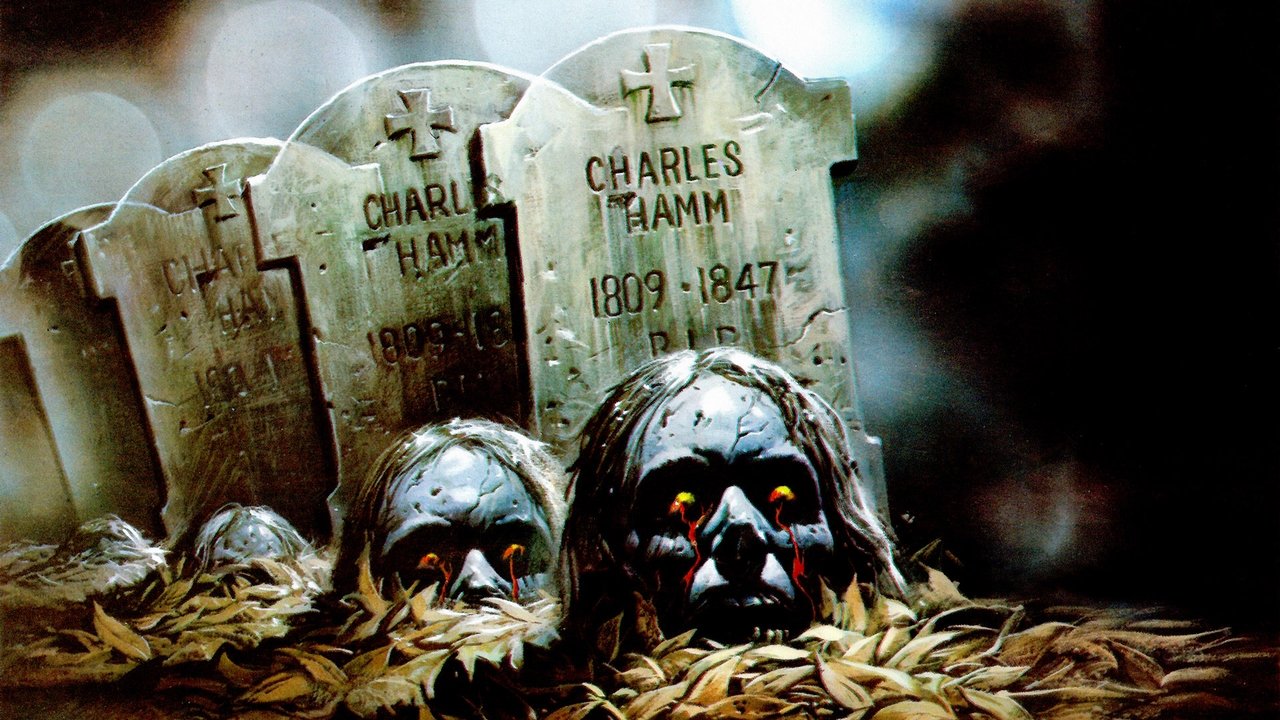

Complementing the visual horror is a score that deserves its own cult following. Fabio Frizzi, a frequent Fulci collaborator, crafts an electronic soundscape that’s both hypnotic and deeply unnerving. The main theme, with its driving bassline and eerie synth melodies, perfectly encapsulates the film's blend of supernatural dread and impending doom. It doesn't just accompany the horror; it actively generates it, burrowing into your subconscious long after the credits roll. The sound design itself is often just as potent – the wet squelch of gore, the guttural moans of the resurrected, the oppressive silence punctuated by sudden terror.
Beyond the Bloodshed
While the narrative logic can sometimes feel… porous (a hallmark of Fulci's dreamlike style), the film taps into a primal, Lovecraftian fear of ancient evils and cosmic indifference. Dunwich feels genuinely cursed, a place where reality itself is fraying at the edges. The performances serve the atmosphere well; MacColl conveys palpable terror, and George grounds the absurdity with his cynical determination. Carlo De Mejo as Gerry, the local psychiatrist, also provides a necessary point of relative normalcy amidst the escalating chaos.
This film, the first in Fulci's unofficial "Gates of Hell" trilogy (followed by The Beyond and House by the Cemetery), cemented his reputation as the "Godfather of Gore." Its unflinching brutality saw it become a prime target during the UK's "Video Nasty" panic in the early 80s, banned outright for years. Filmed largely in Savannah, Georgia, which stood in surprisingly well for the fictional New England town, the production itself navigated the challenges of bringing such extreme visions to life on a modest Italian horror budget.
### Legacy of the Living Dead
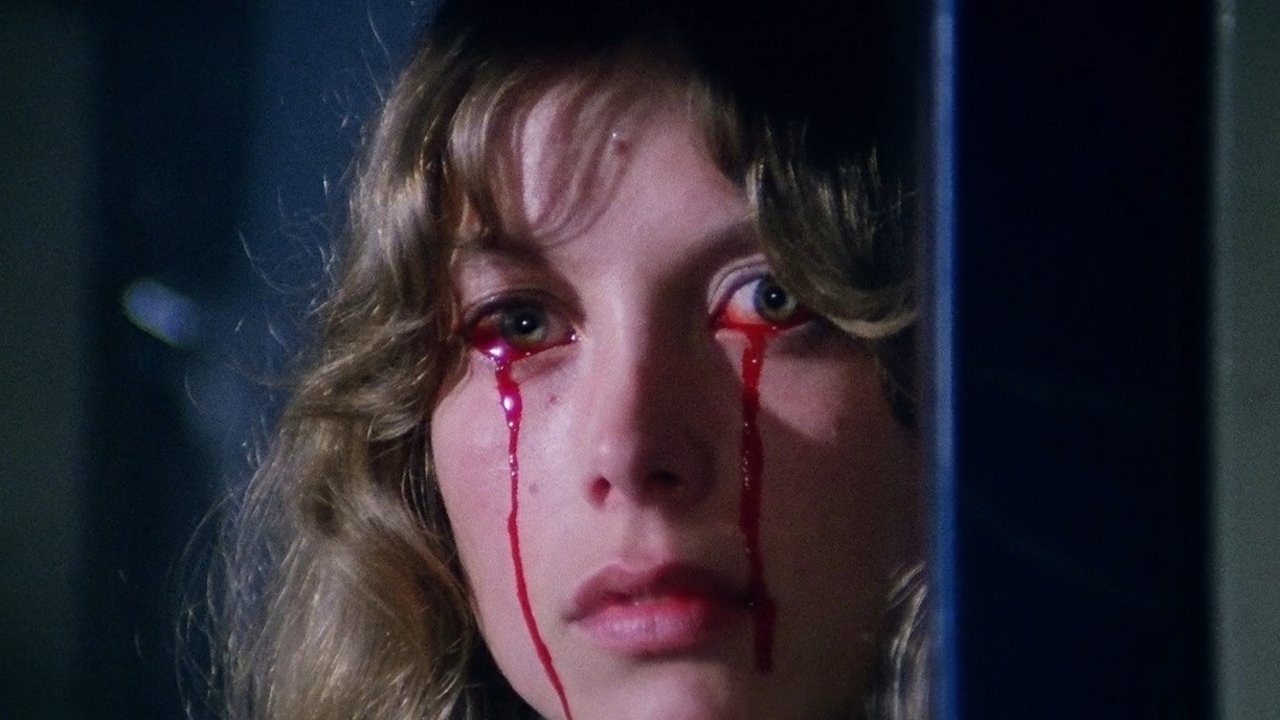
City of the Living Dead isn't a film for the faint of heart, nor is it a masterpiece of coherent storytelling. Its power lies in its raw, visceral impact, its masterful creation of atmosphere, and its unapologetic dive into graphic horror. It’s a film that feels dredged up from a collective nightmare, full of haunting imagery (those bleeding eyes!) and moments of pure, unadulterated terror that stick with you. It embodies the spirit of late-night VHS discoveries – shocking, strange, and undeniably potent.
Rating: 7.5/10
Justification: The score reflects the film's undeniable strengths in atmosphere, iconic gore sequences, and Frizzi's killer score, making it a cornerstone of Italian horror. Its cult status is well-earned. However, the often dreamlike (read: sometimes illogical) plot progression and variable pacing keep it from achieving perfection, though these are arguably part of its bizarre charm for fans.
Final Thought: For those who appreciate horror that prioritizes suffocating dread and stomach-churning spectacle over narrative neatness, City of the Living Dead remains a potent, grimy classic – a true gateway to Hell, captured on videotape.