A sickly sweet odour seems to rise from the very soil in Jean Rollin’s harrowing vintage, The Grapes of Death (1978, originally Les Raisins de la Mort). Forget gothic castles and ethereal vampires for a moment; here, the acclaimed French fantasist trades moonlit ruins for sun-drenched vineyards, swapping enigmatic bloodsuckers for something far more grounded, and perhaps more terrifying: humanity dissolving from the inside out, poisoned by the very land that sustains it. It’s a film that leaves a peculiar, acrid aftertaste, much like spoiled wine.
### A Bitter Harvest
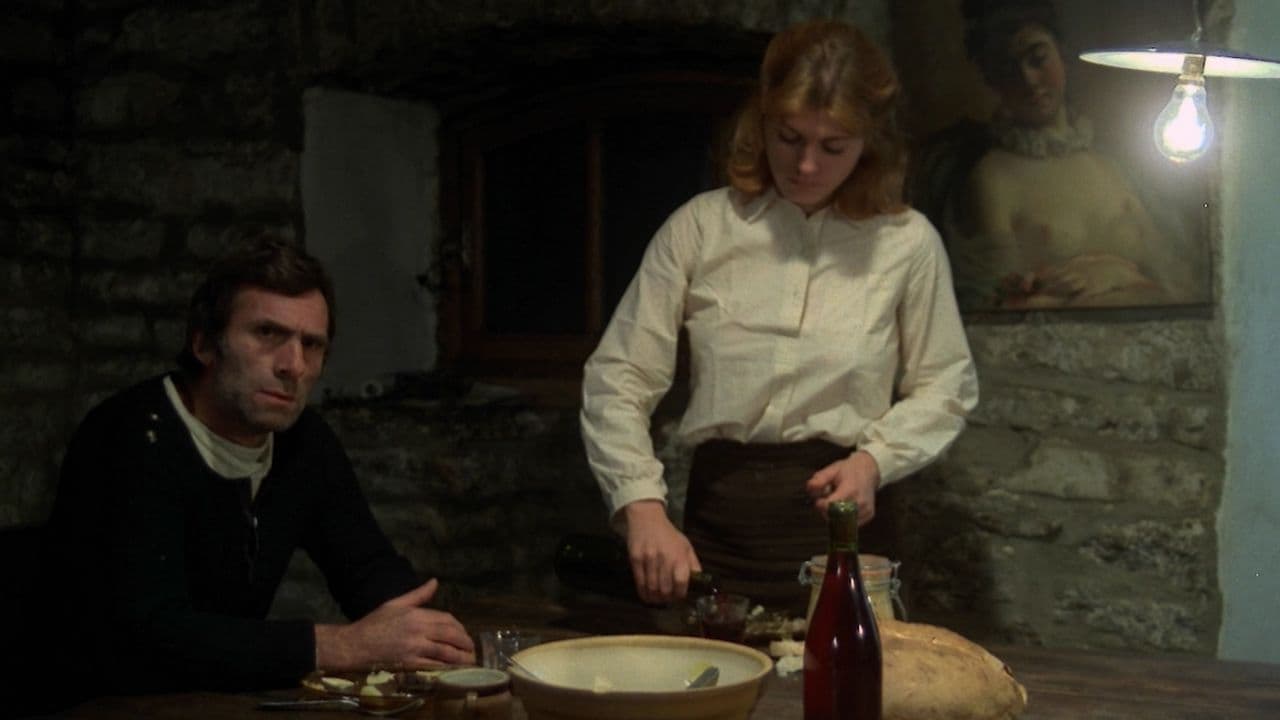
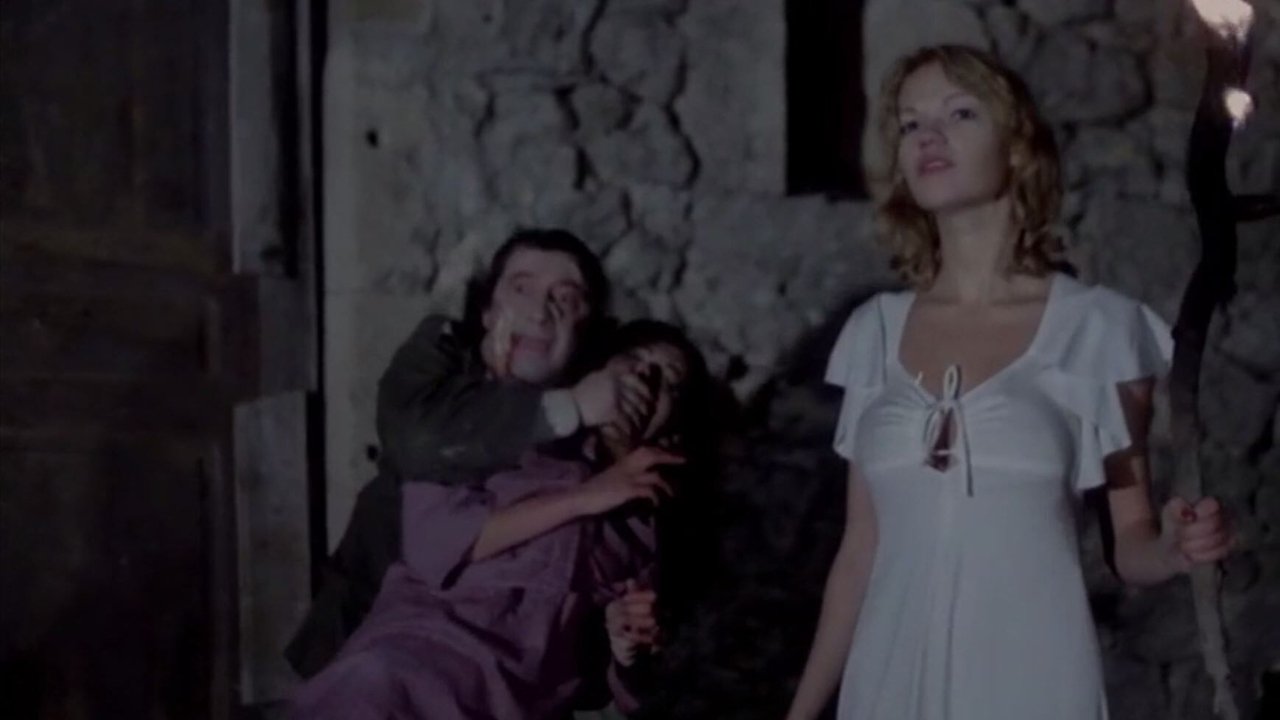
The setup is deceptively simple, almost bucolic. Élisabeth (Marie-Georges Pascal) is travelling by train to visit her fiancé Michel (Serge Marquand), a winemaker living in the remote village of Roublès. Her journey is abruptly, horrifically interrupted when a fellow passenger, clearly ravaged by some unknown affliction, attacks. Fleeing into the picturesque countryside, she discovers the contagion isn't isolated. The local villagers, contaminated by an experimental pesticide sprayed on the vineyards, are transforming into homicidal, pustule-ridden monstrosities, their flesh literally melting away. What follows is a desperate flight through a landscape where pastoral beauty violently clashes with grotesque body horror. This wasn’t your typical zombie fare, even then; there’s a lingering, almost ecological dread underpinning the carnage.
### Rollin Uncorked
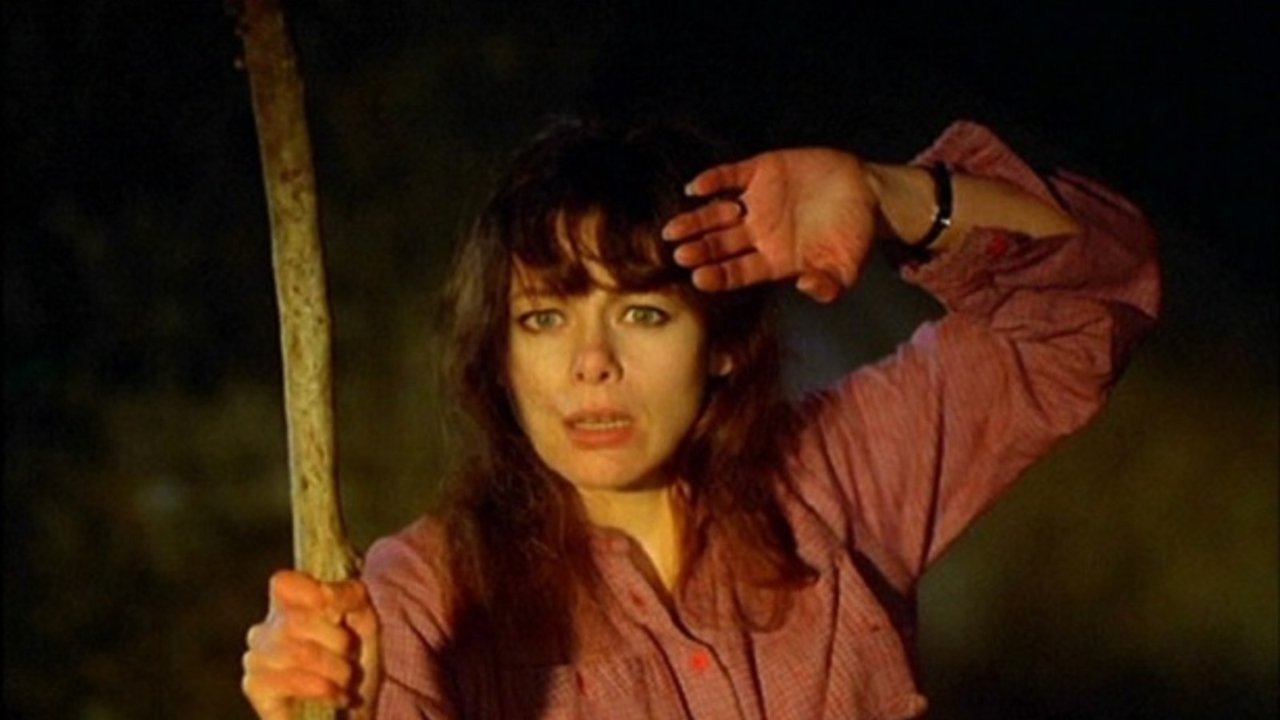
For fans familiar with Rollin's dreamlike, often languidly paced vampire sagas like The Shiver of the Vampires or Lips of Blood, The Grapes of Death feels like a deliberate, sharp turn. Released the same year George A. Romero's Dawn of the Dead hit Italian screens (though Rollin's film actually predates Dawn's wider international impact), Grapes taps into a different, perhaps distinctly European, vein of apocalyptic horror. While lacking Romero’s overt consumerist satire, Rollin, alongside co-writer Jean-Pierre Bouyxou, crafts a potent nightmare rooted in agricultural science gone wrong. The contamination isn't supernatural; it’s chemical, man-made. The horror feels disturbingly plausible, echoing nascent anxieties about environmental toxins that were starting to bubble up in the late 70s.
The practical effects, though certainly products of their time and low budget, possess a truly unsettling quality. Watching this on a flickering CRT back in the day, the images of faces liquefying, of skin bubbling and sloughing off, had a visceral impact that CGI often struggles to replicate. There’s a tangible, slimy reality to the decay. Rumour has it that the makeup effects, particularly the advanced stages of decomposition, were challenging to maintain under the hot sun during the location shooting in the French wine country, adding another layer of difficulty to the already ambitious production for its modest means. The budget was reportedly tight, forcing Rollin and his team to be inventive, and that resourcefulness arguably adds to the film's gritty charm.
### Terroir of Terror
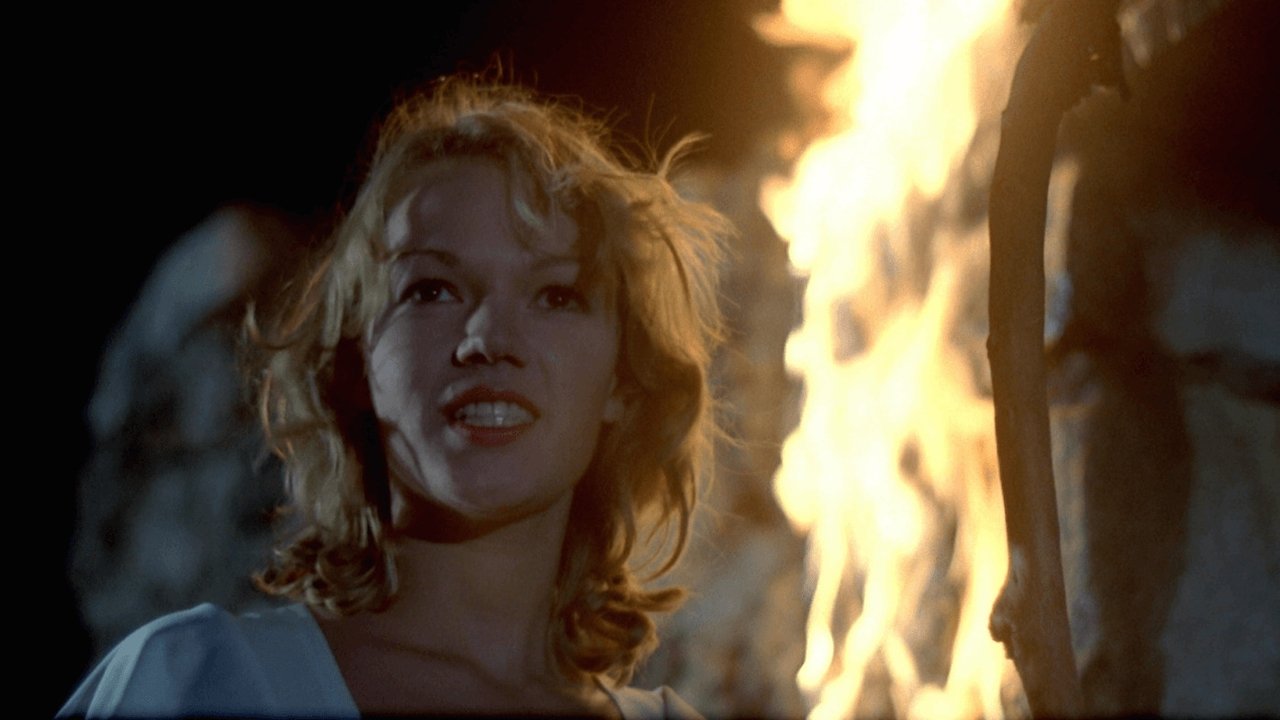
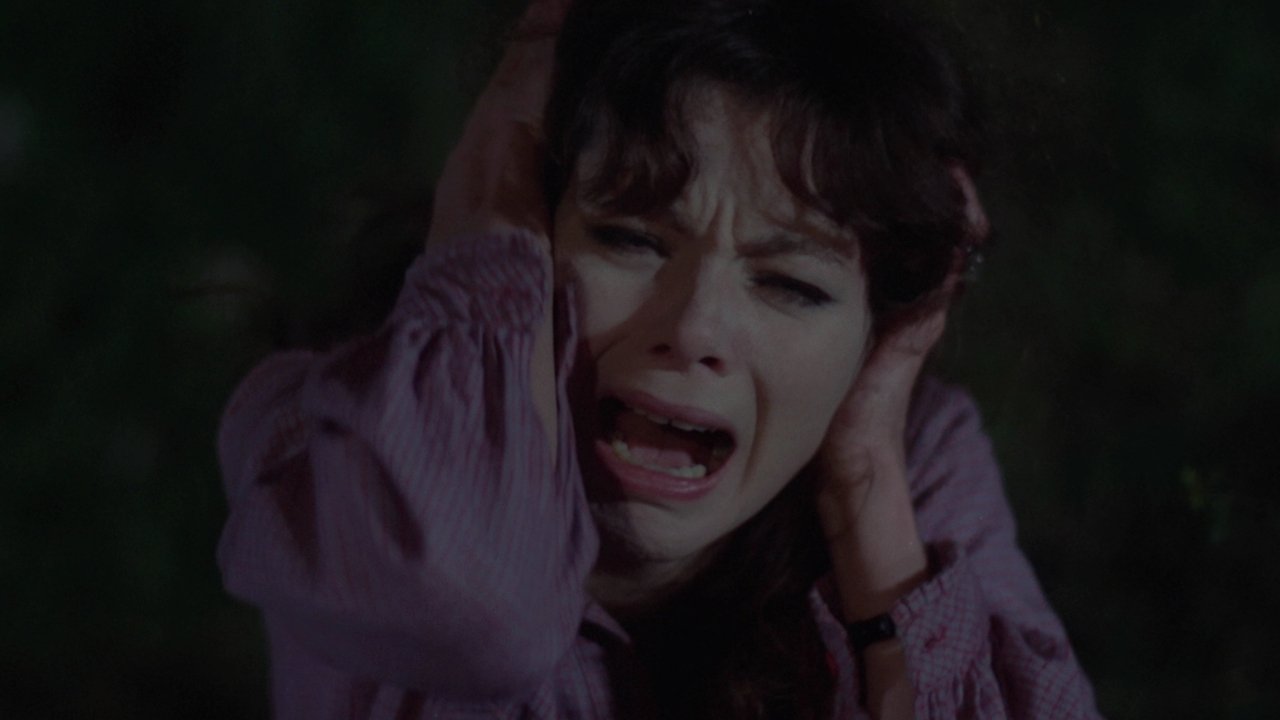
What truly elevates The Grapes of Death beyond mere gore – though it certainly delivers on that front – is Rollin’s signature atmospheric direction. He contrasts the sun-dappled beauty of the French countryside with moments of shocking violence and decay. The quiet village, the rolling hills, the rows of vines – they become stages for unspeakable acts. There's a chilling sequence involving a blind character, Lucie (played with unsettling fragility by Brigitte Lahaie, a frequent Rollin collaborator often seen in his more erotic works), trapped in a house with the infected, relying only on her hearing. It’s a masterclass in slow-burn tension. The score, often sparse and unnerving, further enhances the feeling of isolation and encroaching doom.
Finding a copy of this on VHS felt like unearthing forbidden fruit. Tucked away in the horror section, often with lurid cover art promising pure exploitation, the film itself offered something stranger, more artful, yet undeniably gruesome. It wasn’t slick like American horror often aimed to be; it felt raw, almost documentary-like in its depiction of the afflicted villagers, juxtaposed with Rollin's poetic, sometimes surreal, visual sensibility. Did anyone else rent this expecting one thing and get this uniquely unsettling blend of art-house dread and splatter?
### Lasting Stain
The Grapes of Death isn't perfect. Its pacing can sometimes meander in typical Rollin fashion, and some performances lean towards the theatrical. Yet, its power lies in its unique flavour. It’s a potent cocktail of environmental horror, visceral gore, and haunting atmosphere, anchored by Marie-Georges Pascal's sympathetic performance as the terrified but resourceful Élisabeth. It stands as a fascinating outlier in Rollin's filmography, proving his capability beyond the gothic niche he’s most famous for, and remains one of the standout French horror films of its era. It didn't spawn sequels or a franchise, remaining a standalone statement of ecological terror.
Rating: 7/10
Justification: The score reflects the film's undeniable atmospheric strengths, its influential and genuinely disturbing practical gore effects (for its time), and its unique position within both Rollin's career and the Euro-horror landscape. While the pacing might test some viewers and its low budget shows, its unsettling blend of pastoral beauty and visceral horror makes it a compelling and memorable watch, especially for connoisseurs of 70s exploitation and art-horror.
It’s a film that lingers, like the stain of spilled wine – a grim reminder that sometimes the most terrifying threats blossom under the prettiest skies. A strange, potent vintage well worth uncorking for fans of the unusual and the unnerving.