## The Lingering Echo of a Half-Remembered Dream
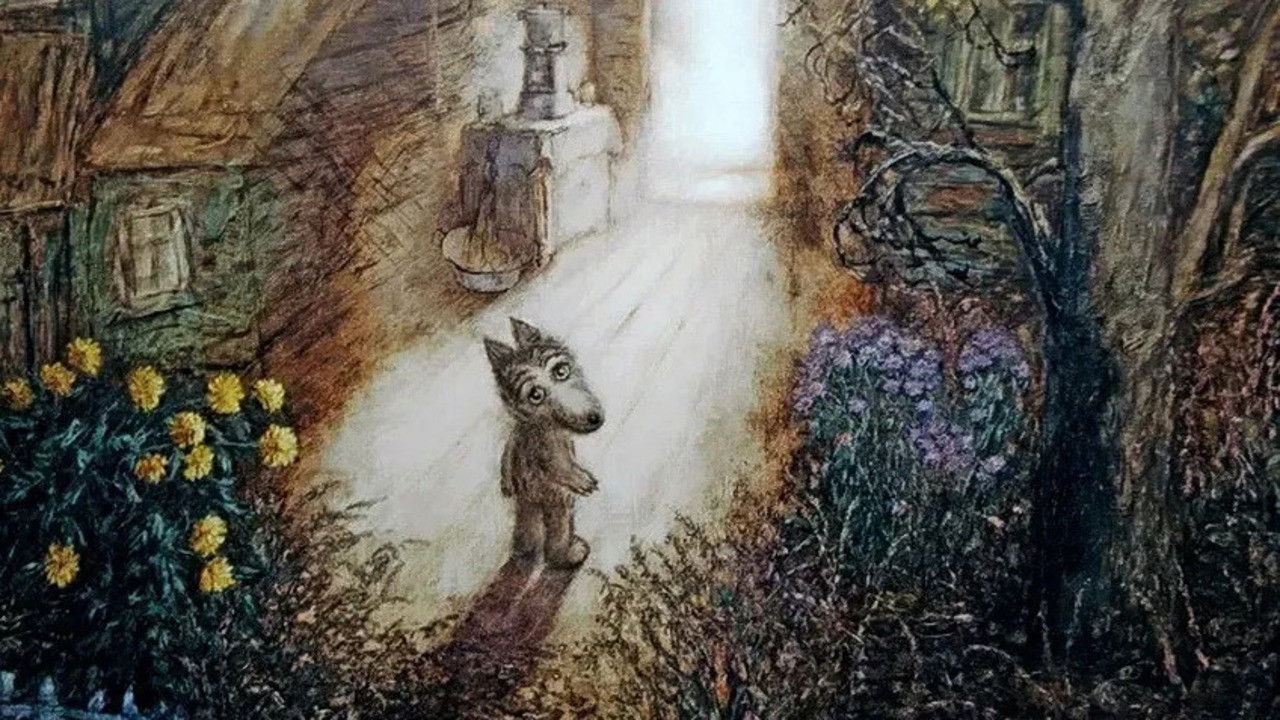
Some films arrive like a thunderclap, all explosive spectacle and immediate impact. Others drift into your consciousness like fragments of a forgotten dream, haunting and beautiful, piecing themselves together long after the screen fades to black. Yuri Norstein's 1979 masterpiece, Tale of Tales (Skazka skazok), belongs firmly in the latter category. While it predates our usual 80s/90s stomping grounds here at VHS Heaven, its timeless artistry and the almost mythical status it holds among animation lovers make it feel like exactly the kind of treasured, perhaps slightly worn, tape one might have discovered tucked away on a shelf, promising something utterly unique. This isn't a blockbuster; it's a whisper from another time, a deeply personal yet universally resonant exploration of memory, war, loss, and the quiet poetry of everyday life.
A Mosaic of Memory
Trying to describe the "plot" of Tale of Tales is like trying to capture mist in your hands. It doesn’t follow a conventional narrative. Instead, Norstein, working with his wife and collaborator Francesca Yarbusova and writer Lyudmila Petrushevskaya, crafts a non-linear tapestry woven from recurring images, vignettes, and associative leaps. At its core is the little grey wolf, Yulenka, from the Russian lullaby "Bayu Bayushki Bayu," who peers into the lives unfolding within a solitary house. We see moments of idyllic childhood – summer days, playing ball, the simple joy of existence. These scenes are intercut with the poignant departures of men going off to war, represented by the mournful notes of the tango "Utomlyonnoye solntse" ("Weary Sun"), and the tangible sense of loss that lingers in their absence. Apples turn from symbols of life and bounty to rolling reminders of mortality. A poet struggles for inspiration, his anxieties mirroring the broader sense of unease.
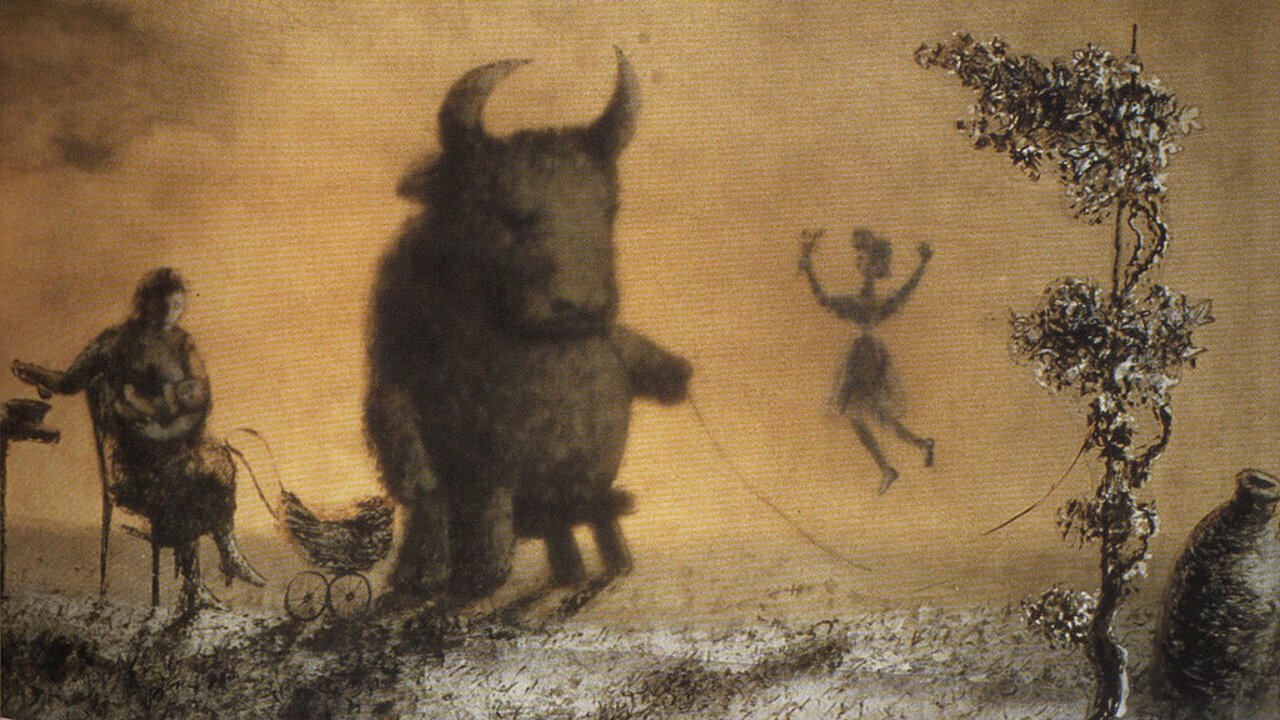
It sounds fragmented, perhaps even confusing, but the genius of Norstein lies in how these disparate elements coalesce emotionally. It mimics the very way memory works – not as a straight line, but as a collection of sense-impressions, powerful images, and recurring feelings that surface and recede. Watching Tale of Tales feels less like following a story and more like accessing a collective subconscious, filled with archetypal moments of joy, sorrow, and the enduring rhythm of life and death.
Animation as Pure Artistry
What elevates Tale of Tales beyond mere storytelling is the breathtaking artistry of its animation. Forget the slick cell animation dominating much of the West at the time. Norstein employed a painstaking multi-plane camera technique, using layers of cut-out animation on stacked glass plates. This allowed for incredible depth, subtle shifts in focus, and an ethereal, almost painterly quality to the visuals. The textures feel tangible – the rough bark of trees, the shimmering water, the soft fall of snow. Light and shadow are used with masterful effect, creating moods that range from nostalgic warmth to profound melancholy. The animation is the performance here; every subtle movement of Yulenka, every flicker of light in a window, conveys more emotion than pages of dialogue ever could.
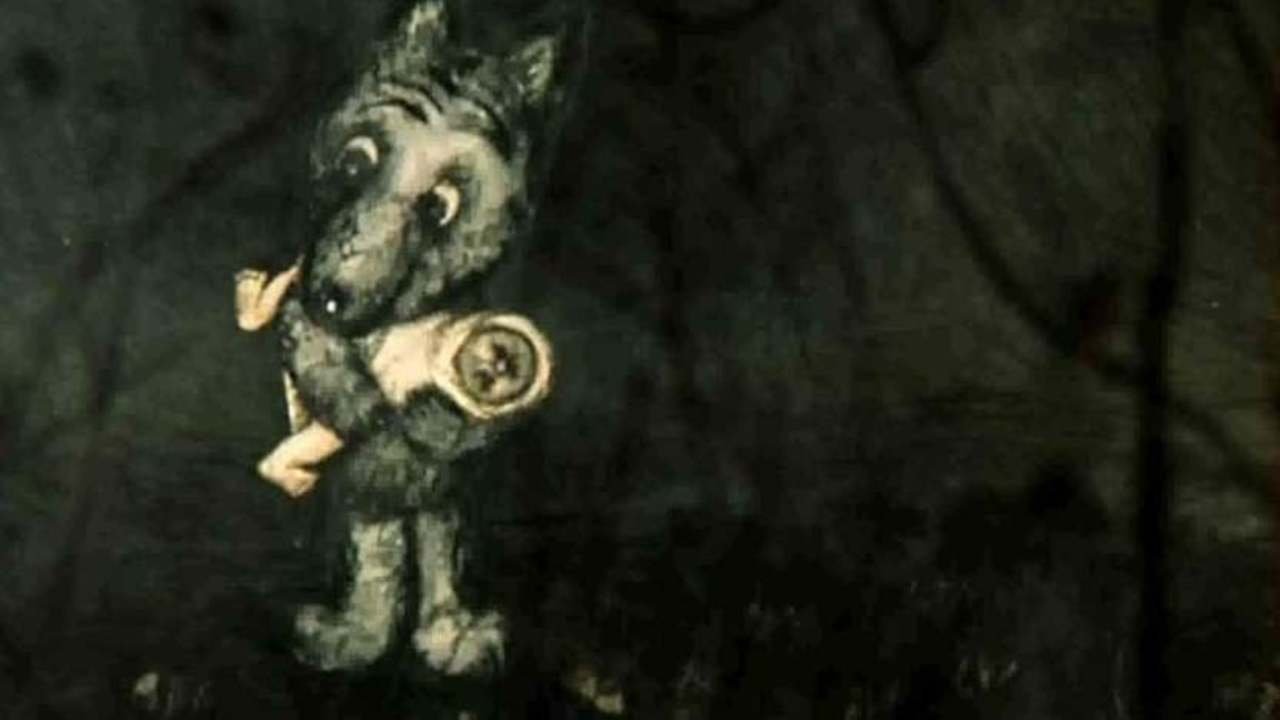
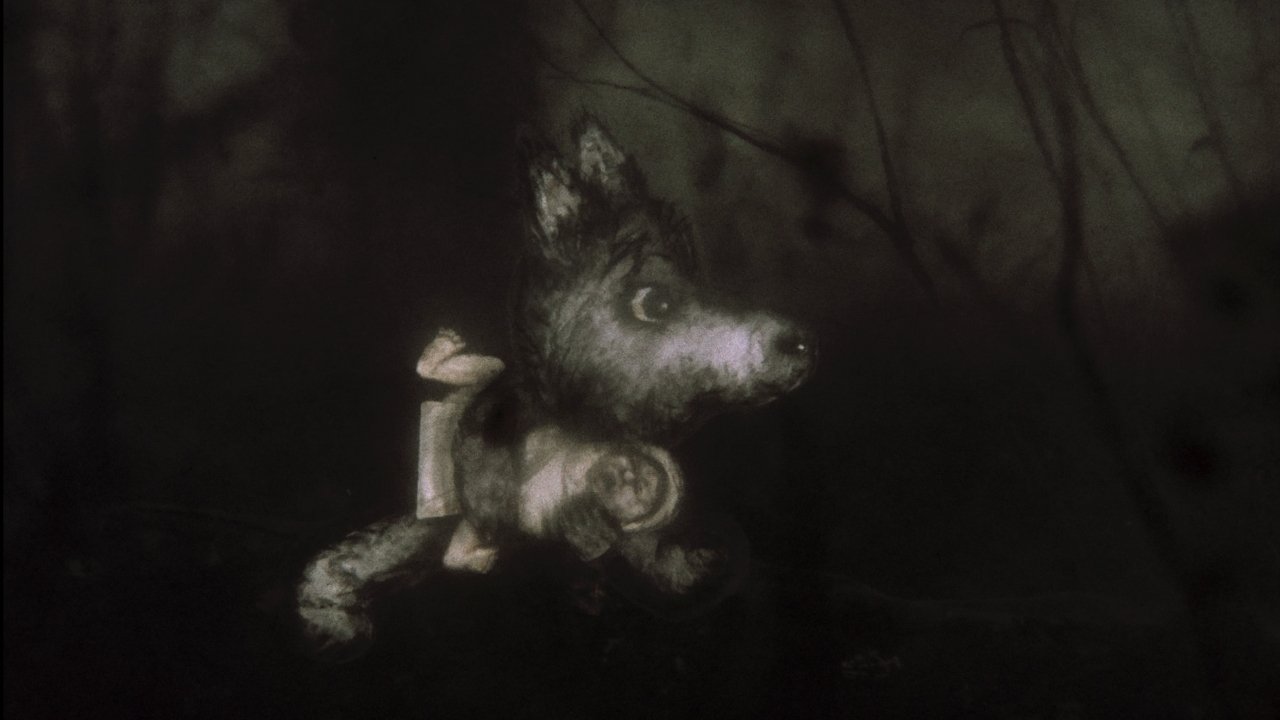
It’s a testament to Norstein's dedication that the film reportedly took years to complete, working under the constraints of the Soviet animation studio Soyuzmultfilm. This wasn't animation churned out for mass consumption; it was, and remains, a deeply personal work of art. You can feel the obsessive care in every frame. It’s the kind of film that makes you appreciate animation not just as entertainment, but as a profound medium for artistic expression, right alongside painting or poetry. It's no wonder that Tale of Tales frequently tops polls as one of the greatest animated films ever made – its influence on animators seeking depth and texture is undeniable.
Why It Still Resonates
Watching Tale of Tales today, perhaps far removed from the specific context of its Soviet origins, its power remains undiminished. Why? Because its themes are timeless. The ache of loss, the bittersweet nature of memory, the shadow of conflict looming over peaceful lives, the search for meaning in small moments – these are universal human experiences. The film doesn't offer easy answers or neat resolutions. Instead, it invites contemplation. It asks us to consider the layers of our own memories, the moments that define us, the ghosts of the past that shape our present. Doesn't the gentle melancholy of those departing soldiers echo through generations affected by conflict? Isn't the fleeting beauty of childhood something we all grasp at in recollection?
It’s a quiet film, demanding patience and attention. There are no car chases, no explosions, no witty banter. Its power lies in its subtlety, its evocative imagery, and its profound emotional honesty. It’s the kind of film that might have initially baffled a casual viewer popping a tape in on a Friday night, expecting something conventional. But for those willing to surrender to its unique rhythm and atmosphere, the rewards are immense. It lingers, like the haunting melody of its tango, long after the credits roll.
A Masterpiece Unearthed
Tale of Tales is more than just an animated short; it's a moving painting, a visual poem, a meditation on the human condition captured in just under 30 minutes. It proves that animation can achieve staggering depths of artistry and emotional resonance. Discovering it feels like uncovering a hidden treasure.
Rating: 10/10
This isn't a rating based on conventional entertainment value, but on sheer artistic achievement, innovation, and emotional depth. The painstaking craft, the unique narrative structure mirroring memory itself, and the profound, lingering feeling it evokes make it a flawless masterpiece of the animated form. It's a film that rewards repeated viewings, revealing new layers and nuances each time.
Tale of Tales reminds us that sometimes the most powerful stories aren't shouted, but whispered, carried on the wind like the strains of a half-forgotten song.