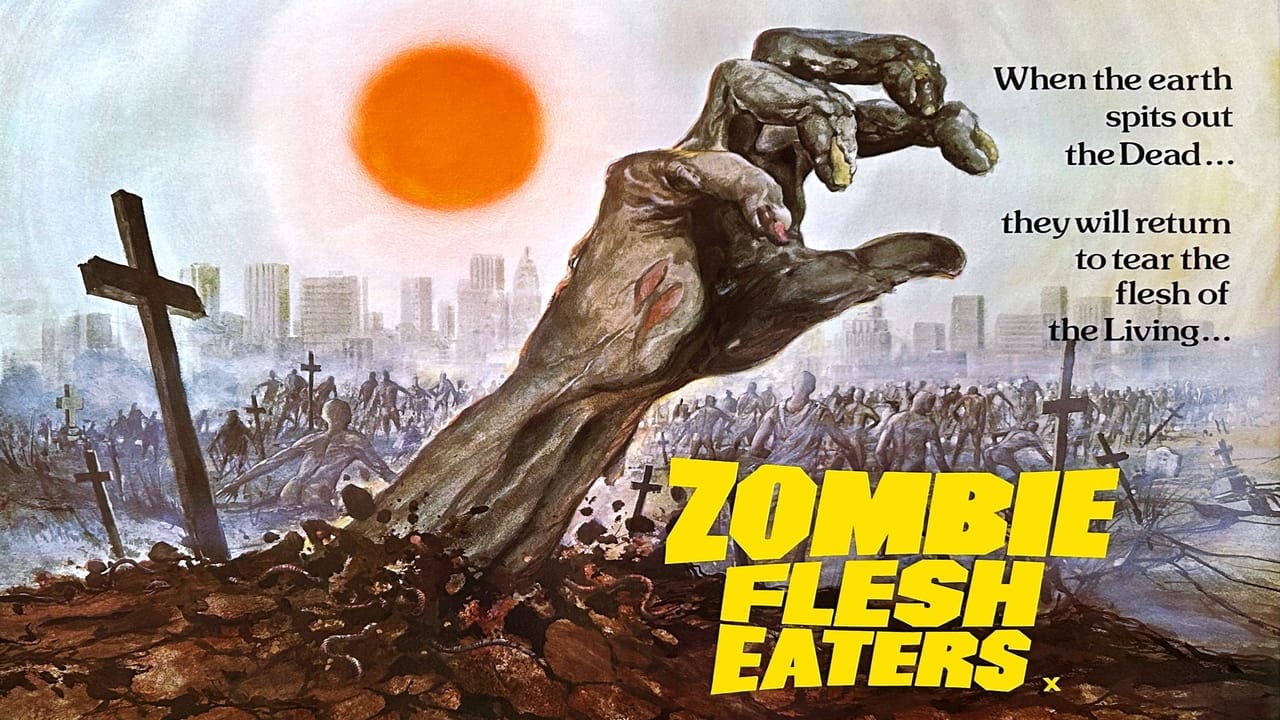
The hiss of the tape, the tracking lines flickering across the CRT screen… some images burn themselves onto your brainstem, especially when viewed under the illicit cover of darkness. Few films from the era managed that feat with the same raw, visceral punch as Lucio Fulci's infamous 1979 gut-muncher, Zombie Flesh Eaters (or Zombi 2, as our Italian friends know it). This wasn't just another zombie flick; this felt dangerous. It felt wrong. And decades later, that grimy, sweat-soaked dread still clings to it like tropical rot.
An Unholy Arrival
Forget slow burns. Fulci throws you straight into the deep end, or rather, drifts you into New York Harbor aboard a seemingly abandoned yacht. The discovery of something monstrously undead below decks sets a tone of immediate, brutal violence. It’s a stark promise of what’s to come: this film isn't playing by the rules, aiming less for suspense and more for sheer, stomach-churning impact. From there, Anne Bowles (Tisa Farrow, sister of Mia, bringing a haunted fragility to the role) and journalist Peter West (Ian McCulloch) follow the trail to the cursed Caribbean island of Matul, a place where the dead refuse to stay buried.
Fulci's Theatre of Cruelty
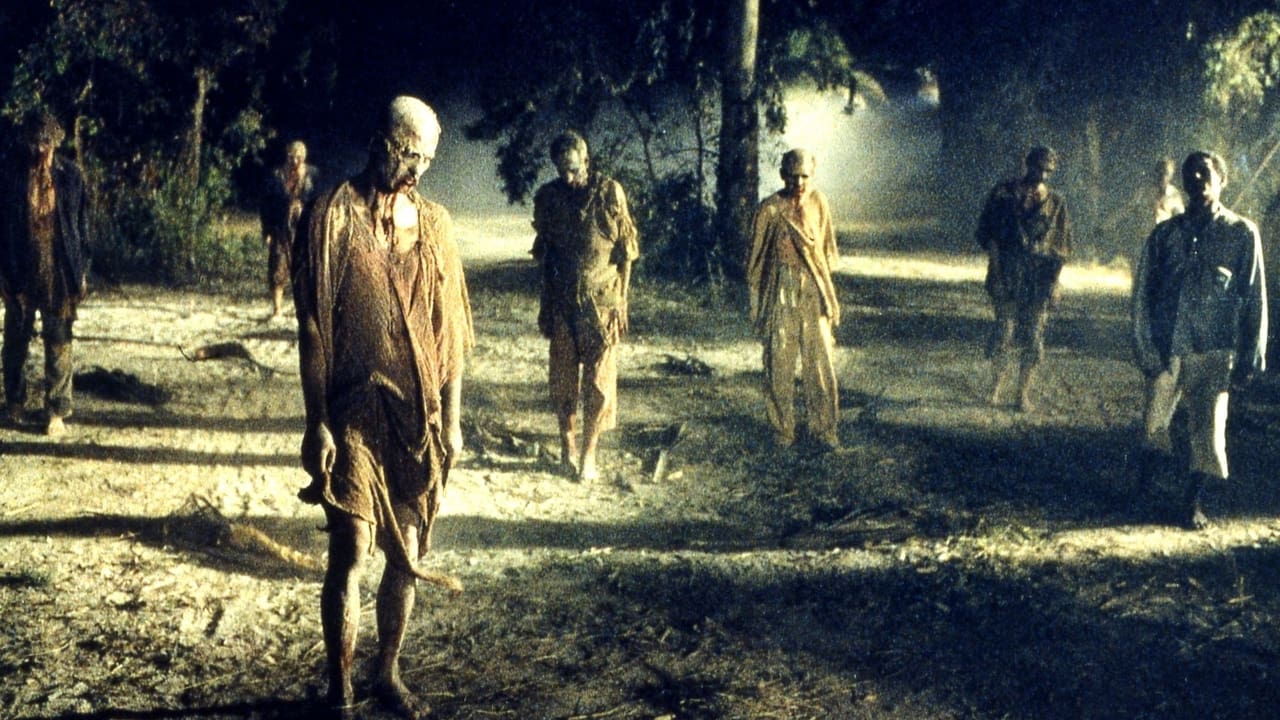
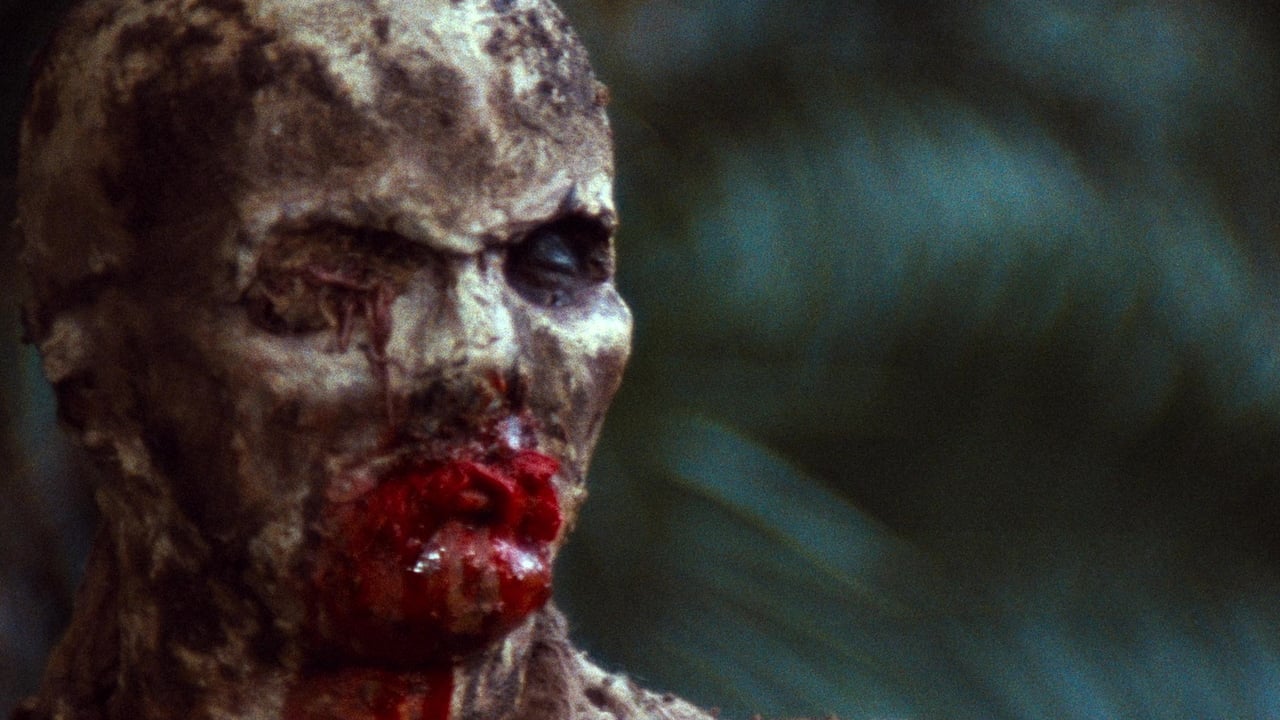
Let’s be blunt: you don't watch a Lucio Fulci film for intricate plotting or nuanced character arcs. You watch it for the spectacle of decay, the unflinching gaze into the abyss of the human body turned inside out. Zombie Flesh Eaters is perhaps his most potent statement in this regard. The practical effects, while obviously dated by today's CGI standards, possess a tactile, sickening reality that often feels more disturbing. The zombies aren't just reanimated corpses; they are pustulent, worm-ridden, shambling horrors that look genuinely diseased. Fulci forces you to confront the grotesque, lingering on wounds and decay with an almost surgical fascination. The infamous eye-gouging scene – you know the one – remains a benchmark in cinematic shock, a moment so brutal it allegedly caused walkouts and cemented the film's notorious reputation, landing it squarely on the UK's infamous "Video Nasty" list. Fulci wasn't just making a horror film; he was conducting an assault on the senses.
Sweat, Sand, and Supernatural Dread
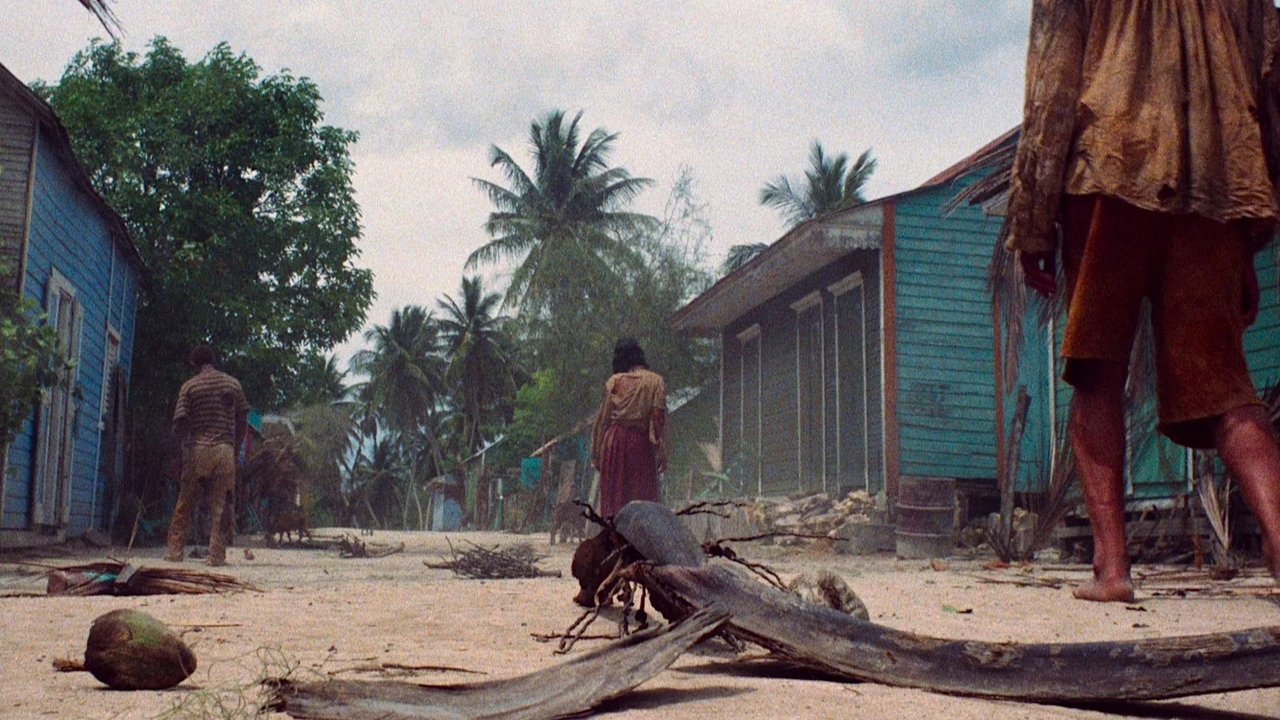
The Matul setting is crucial to the film's suffocating atmosphere. You can almost feel the humid heat radiating off the screen, the oppressive stillness broken only by the buzzing of flies and the moans of the undead. Fulci uses the location brilliantly, trapping his characters in a paradise turned charnel house. There's a genuine sense of isolation and hopelessness. Adding immeasurably to this is Fabio Frizzi's legendary score – a hypnotic blend of tribal rhythms, eerie synth melodies, and that iconic, mournful theme that perfectly captures the film's unique brand of tropical terror. It’s a score that burrows under your skin as effectively as any maggot. And who could forget the sudden, jarring appearance of centuries-old Conquistador zombies rising from their graves? It’s pure nightmare logic, adding a layer of historical horror to the immediate Voodoo curse narrative offered by Dr. Menard (Richard Johnson).
Shark vs. Zombie: An All-Timer
No discussion of Zombie Flesh Eaters is complete without mentioning that sequence. The underwater battle between a zombie and a very real tiger shark is the stuff of B-movie legend. The sheer audacity of staging such a scene is mind-boggling. Hearing stories about how they filmed it – reportedly involving a heavily sedated shark and a very brave (or crazy) stuntman/trainer playing the zombie – only adds to the mystique. It’s utterly ridiculous, technically impressive for its time and budget, and somehow perfectly encapsulates the film's go-for-broke, anything-goes mentality. Did it make any logical sense? Absolutely not. Was it unforgettable? You bet your severed limb it was.
A Legacy Forged in Gore
Released internationally as a pseudo-sequel to cash in on George A. Romero's Dawn of the Dead (hence the Italian Zombi 2 title), Fulci's film carved out its own distinct identity. Where Romero often used zombies for social commentary, Fulci seemed more interested in their purely horrific potential – the physical manifestation of death and decay. It’s raw, unrelenting, and arguably paved the way for the more extreme gore that would follow in the 80s. While the acting is serviceable rather than stellar (though McCulloch brings a certain cynical charm and Farrow convinces as the traumatized lead), the real star is Fulci's unwavering commitment to graphic horror and the oppressive, dreamlike atmosphere he conjures. Watching it again now, it takes me right back to those late nights, swapping grainy VHS tapes with friends, daring each other to watch that scene through parted fingers.

VHS Heaven Rating: 8/10
Justification: Zombie Flesh Eaters isn't high art, and its narrative threads are often flimsy. However, as a masterclass in atmospheric dread and groundbreaking practical gore effects within the Italian horror canon, it's almost unparalleled. Fulci's direction is visceral and unflinching, Frizzi's score is iconic, and certain sequences remain burned into horror history. The 8 out of 10 reflects its massive impact, its effectiveness in achieving its gruesome goals, and its enduring status as a cult classic that defined extreme horror for a generation of VHS hounds, even if hampered by pacing issues and thin characterization.
Final Thought: Decades later, the grime feels just as thick, the gore just as potent, and the feeling that you've witnessed something truly transgressive lingers. It’s not just a zombie movie; it’s a Fulci experience – dirty, disturbing, and utterly unforgettable.