Halloween III: Season of the Witch
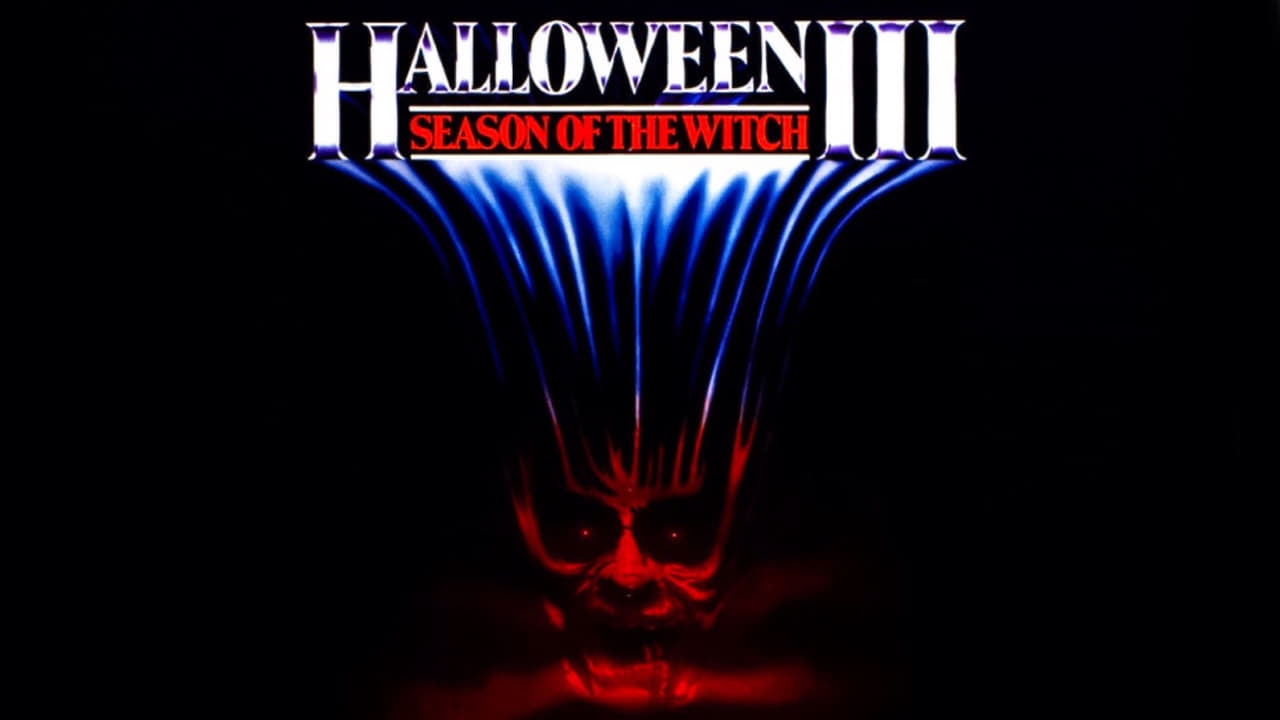
It starts not with a Shape breathing heavily, but with a jingle. An insidious, earworm melody burrowed deep into the nation's consciousness via relentless television spots. "Eight more days 'til Halloween, Halloween, Halloween..." That seemingly innocent tune, echoing from grainy CRT screens late at night, became the harbinger of something far stranger, and perhaps more unsettling, than another masked stalker roaming Haddonfield. Halloween III: Season of the Witch arrived in 1982 like a broadcast interruption, a bizarre changeling left on the doorstep of a franchise people thought they knew. And oh, the confusion it caused.
A Trick Instead of a Treat
Let's be honest, the initial reaction for many piling into cinemas or grabbing that distinctive VHS box (often mistakenly placed right next to its predecessors) was likely bewilderment, quickly followed by anger. Where was Michael Myers? This bold, perhaps commercially suicidal, decision by producers John Carpenter and Debra Hill to pivot the Halloween name into an anthology series, with each new film telling a different spooky tale set around the holiday, was met with outright hostility by a large portion of the audience. They wanted the familiar slasher, not this odd techno-horror conspiracy thriller. Yet, time, as it often does, has been strangely kind to this black sheep of the family. What felt like a betrayal then now feels like a fascinating, creepy detour.
Welcome to Santa Mira
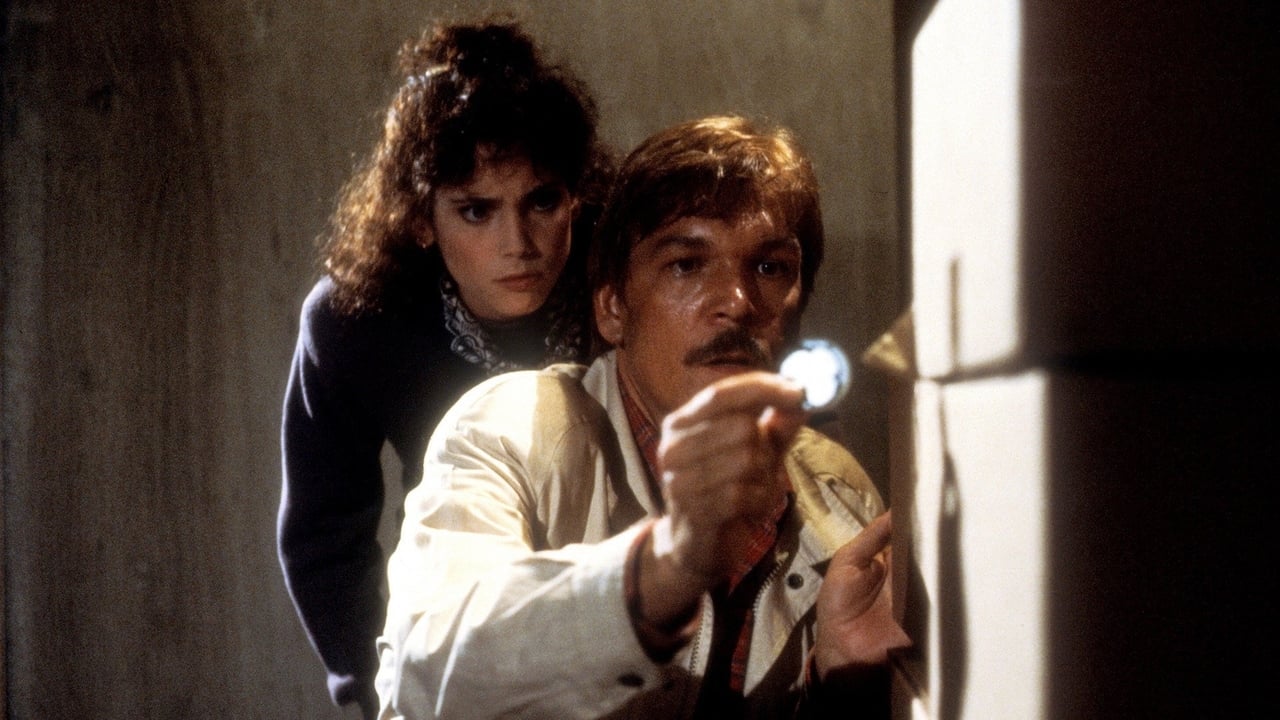
The film, directed by Tommy Lee Wallace (who masterfully edited the original Halloween and production designed Dark Star), trades suburban terror for a chilling, almost Lovecraftian sense of corporate dread centered around the isolated town of Santa Mira, California. It's the home of Silver Shamrock Novelties, run by the deceptively avuncular Conal Cochran, played with unsettling charm by the great Dan O'Herlihy (forever etched in genre memory from RoboCop). When a dying man clutches a Silver Shamrock mask and whispers warnings before being brutally silenced in a hospital, Dr. Dan Challis (Tom Atkins, the epitome of the weary, hard-drinking 80s hero, familiar from The Fog and Night of the Creeps) teams up with the victim's daughter, Ellie (Stacey Nelkin), to investigate. What they uncover is a plot far more ancient and audacious than mere murder. Wallace himself penned the script, drawing inspiration from paranoid classics like Invasion of the Body Snatchers, and the sense of inescapable, small-town conspiracy is palpable. Reportedly, the original concept pitched by writer Nigel Kneale (of Quatermass fame) was even darker, focusing more on psychological horror, but conflicts led to Wallace taking over writing duties.
Atmosphere Over Ax
What Halloween III lacks in Myers, it makes up for in thick, palpable atmosphere. The cinematography by Gary Kibbe captures the sterile menace of the Silver Shamrock factory and the encroaching dread of Santa Mira perfectly. But it's the score, again conjured by John Carpenter in collaboration with Alan Howarth, that truly elevates the unease. Those pulsing synthesizers, that minimalist, chilling rhythm – it's instantly recognizable Carpenter, yet perfectly tuned to this film's specific brand of technological and pagan horror. It seeps under your skin just as effectively as the main Halloween theme, but with a colder, more alien quality. Remember the unnerving feeling of watching those blank-faced androids patrol the town? The score is their unnerving heartbeat.
The Horrors of Mass Production
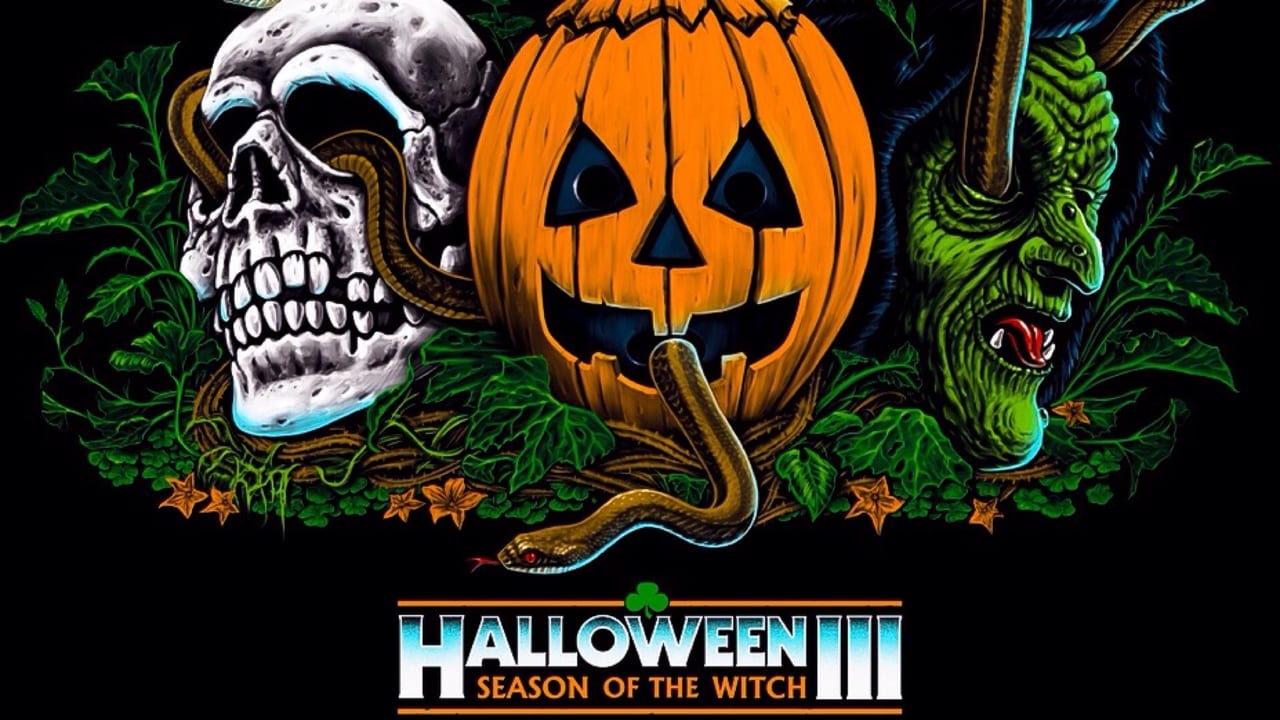
And then there are the masks. The grinning pumpkin, the leering witch, the vacant skull. Simple, iconic, and utterly central to Cochran's apocalyptic plan. The film taps into a primal fear linked to ancient rituals (Samhain's dark origins are explicitly invoked) but twists it through the lens of modern consumerism. Cochran isn't just a madman; he's a twisted CEO weaponizing popular culture. This corporate angle feels startlingly relevant even today. The film’s masterstroke, of course, is linking these masks to that jingle, turning a catchy tune into a countdown to unimaginable horror. The infamous scene involving the unfortunate Kupfer child and the pumpkin mask remains genuinely disturbing, a blast of visceral practical effects gore that likely traumatized a generation of young viewers who snuck downstairs to watch it late at night. Those practical effects, courtesy of Tom Burman, felt shockingly real on grainy VHS, a grotesque payoff that still packs a punch. It's a grim irony that the masks used in the film were actually designed and supplied by Don Post Studios, a legendary real-life mask manufacturer famous for its own line of popular Halloween masks, adding a layer of meta-commentary to the proceedings.
A Legacy Reconsidered
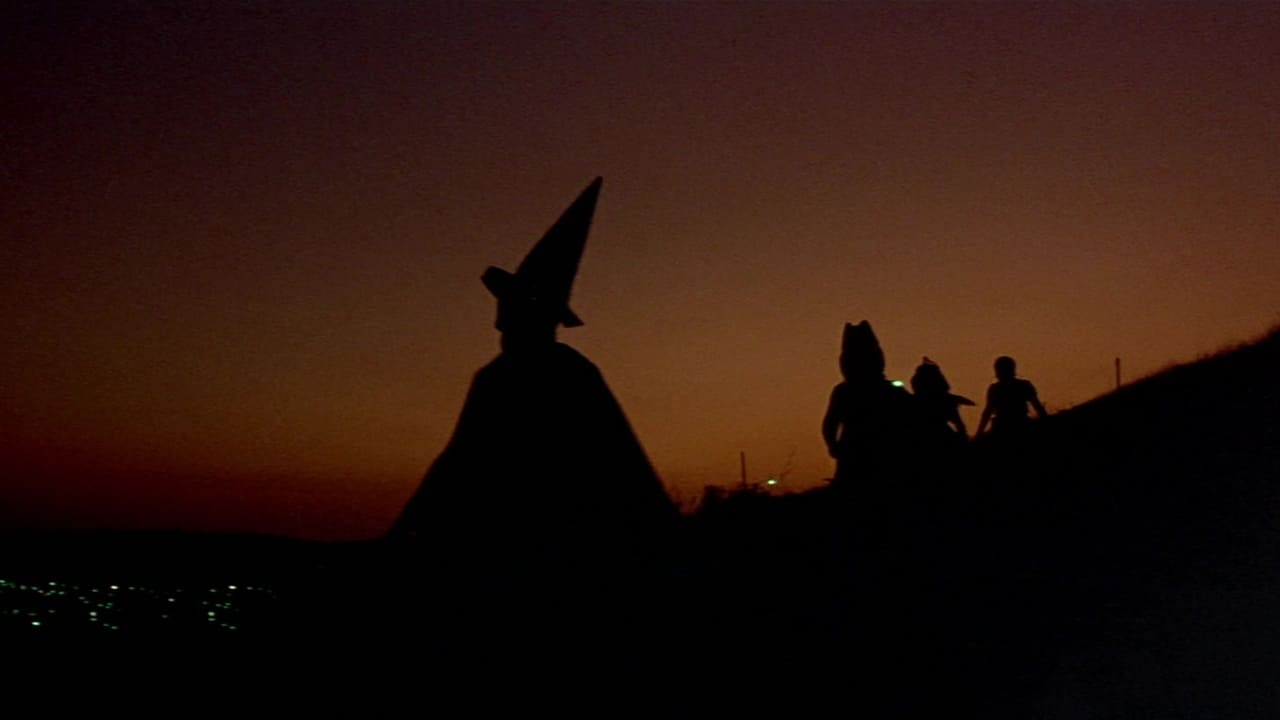
Shot on a modest budget of $2.5 million in the sleepy northern California town of Loleta (which perfectly stood in for the fictional Santa Mira), Halloween III pulled in $14.4 million at the box office. While profitable, it was a significant drop from Halloween II's earnings, sealing the fate of the anthology idea and prompting the return of Michael Myers in the next installment. For years, Season of the Witch was treated as the embarrassing relative, the one nobody talked about. But a funny thing happened. Removed from the expectation of being a direct sequel, the film started finding its audience. People began appreciating it on its own terms: a weird, downbeat, and genuinely creepy slice of early 80s paranoia. Its ending is particularly bleak, leaving the audience hanging with a desperate Tom Atkins screaming into the void – a far cry from the usual slasher film resolution. Did that final, chilling ambiguity stick with you long after the credits rolled?
VHS Heaven Rating: 7/10
Halloween III: Season of the Witch earns its 7 out of 10 precisely because of its bold departure and enduring strangeness. While its pacing occasionally drags and Tom Atkins's doctor feels perhaps a bit too much like a stock character at times, the film succeeds brilliantly in creating a unique and genuinely unsettling atmosphere. Dan O'Herlihy delivers an all-time great horror villain performance, the practical effects are memorably gruesome, and the core concept is chillingly inventive corporate/folk horror. It failed initially because it wasn't Halloween II, but its growing cult status proves that its weird magic, much like that damned jingle, was potent all along. It stands today not as a failed sequel, but as a truly bizarre and memorable standalone horror film that dared to offer a trick instead of the expected treat – and that, in itself, is worth celebrating. Happy Halloween, indeed.