The low hum of the VCR engaging, the soft clunk as the tape seats itself... sometimes, that sound wasn't a prelude to comfort viewing. Sometimes, it was the creak of a door opening onto something genuinely unsettling, something that crawled out of the subconscious static of late-night Japanese television and lodged itself permanently in the brain's dark corners. Few films embody that feeling quite like Shozin Fukui's 1991 cyberpunk nightmare, 964 Pinocchio. Forget Disney; this is a fairy tale filtered through industrial decay, body horror, and pure psychic distress.

The screen flickers to life, not with warmth, but with a cold, clinical dread. We meet Pinocchio 964 (Haji Suzuki), a memory-wiped sex cyborg, rendered functionally lobotomized and deemed defective by his unseen corporate masters. Cast out onto the indifferent streets of Tokyo, he’s a blank slate wrapped in scarred, synthetic flesh, his face often hidden behind a hauntingly crude mask. This isn't the setup for a quest for humanity; it's the beginning of a descent into absolute chaos. He knows nothing, not even how to speak, until he crosses paths with Himiko (Onn-chan), a homeless girl suffering from her own profound amnesia, living map-obsessed in a derelict structure. Their connection isn't one of tender discovery, but of shared oblivion, a brief pause before the inevitable implosion.
A Sensory Assault Weapon
Forget conventional narrative structure. Fukui, who cut his teeth working on the crew of Shinya Tsukamoto’s equally groundbreaking Tetsuo: The Iron Man (1989), takes the frenetic energy of that film and injects it with pure, uncut delirium. 964 Pinocchio isn't so much watched as endured. The camera rarely sits still, lurching and careening through grimy back alleys and oppressive urban landscapes. The editing is deliberately jarring, creating a sense of perpetual disorientation. Coupled with a relentless industrial noise score that scrapes and grinds against the nerves, the effect is physically taxing – a deliberate attempt to immerse the viewer in the characters' fractured mental states. You feel the city's grime, the oppressive weight of concrete and steel, the sheer sensory overload of urban existence pushed to its breaking point. This wasn't slick Hollywood cyberpunk; it was raw, visceral, and felt dangerously real, born from the Tokyo underground scene on what was clearly a shoestring budget. That lack of polish only amplifies its power.
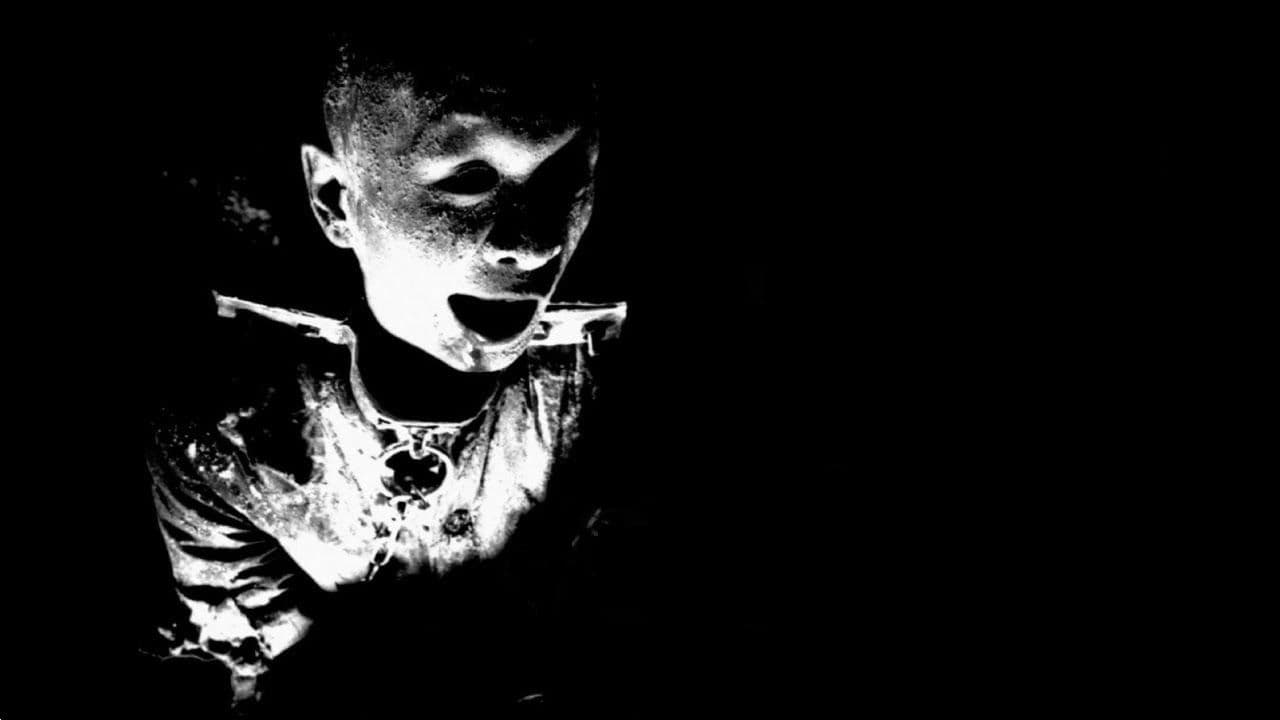
The Body in Revolt
While Pinocchio initially seems passive, his connection with Himiko unlocks something dormant and monstrous. The film's infamous centerpiece involves his transformation – a grotesque, protracted explosion of bodily fluids, Cronenbergian mutation, and raw, agonizing pain. Haji Suzuki's performance is astonishingly physical; he throws himself into the role with a terrifying commitment, embodying the cyborg's complete loss of control. The practical effects are stomach-churning, favouring viscid liquids, pulsating latex, and raw meat textures over sleek metallic designs. It’s messy, chaotic, and feels less like a special effect and more like witnessing a genuine biological catastrophe. Remember how effective those low-fi, gooey effects felt on a flickering CRT, somehow more tangible and disturbing than today's clean CGI? Onn-chan as Himiko is equally unhinged, her own breakdown mirroring Pinocchio's physical decay, culminating in a performance that pushes far beyond societal norms or acting conventions.
Beyond Comprehension, Towards Experience
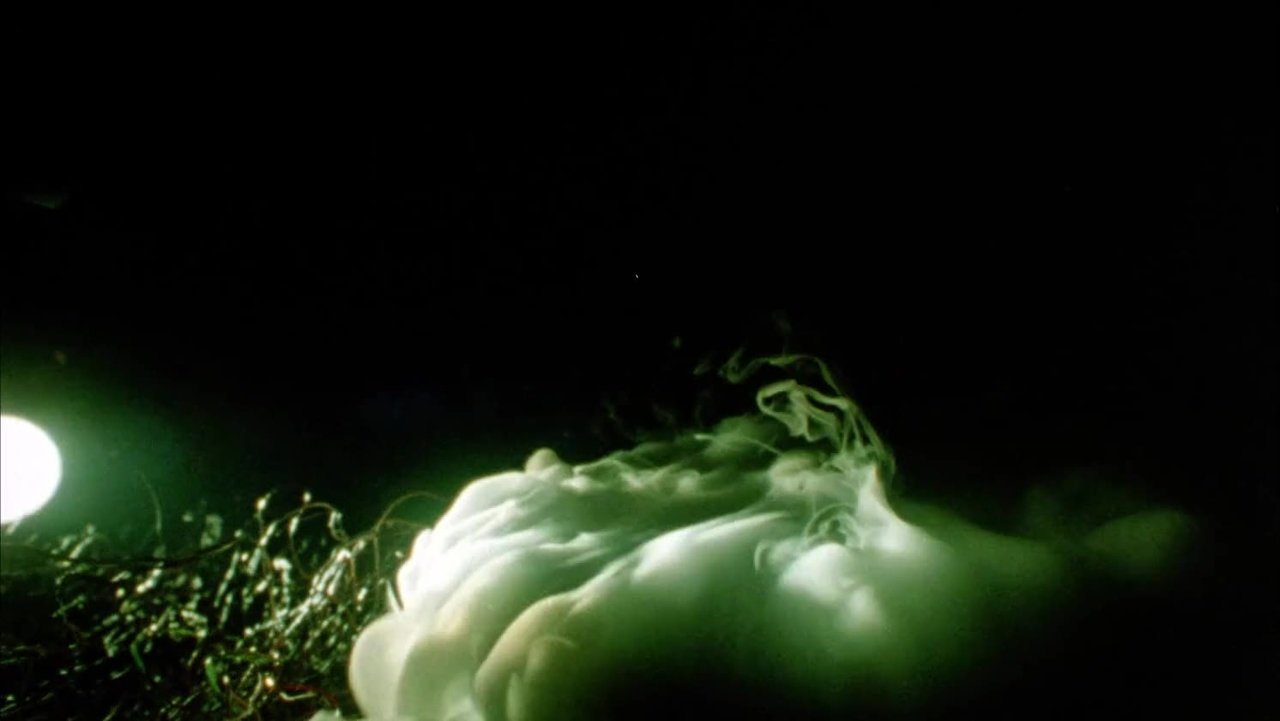
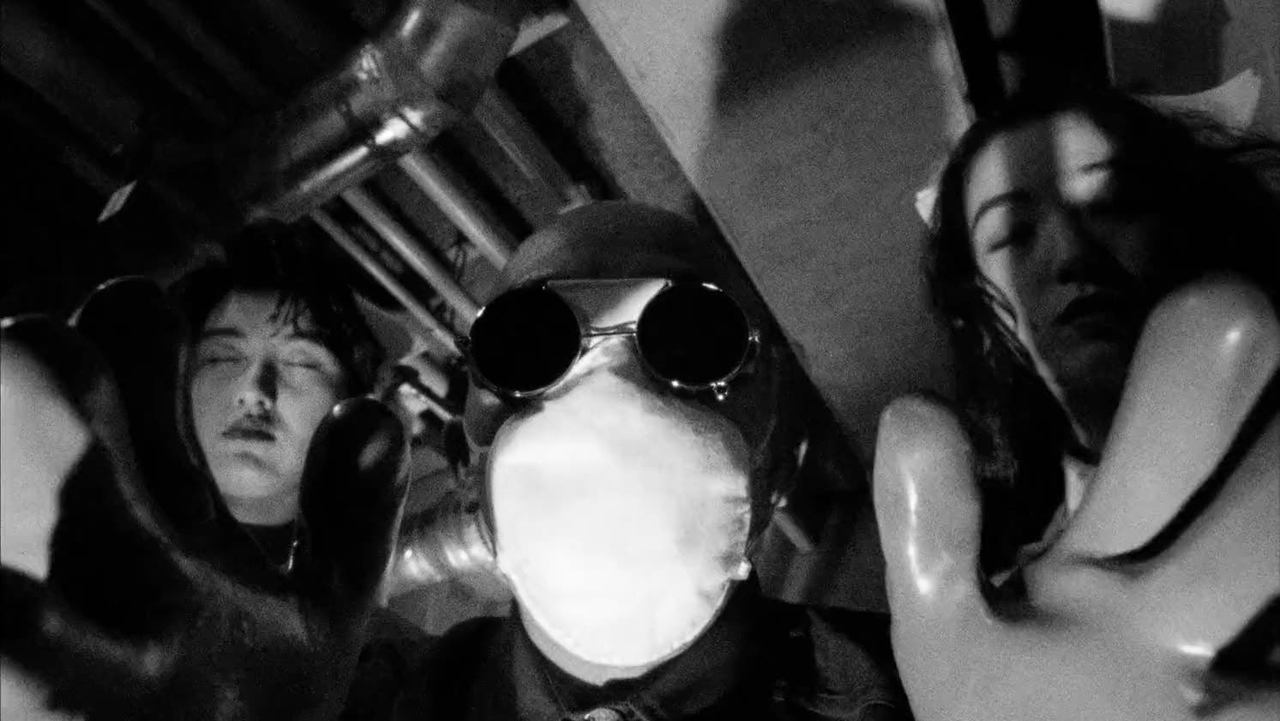
Let's be clear: 964 Pinocchio is not an easy film. It actively resists interpretation, prioritising raw sensation and primal horror over coherent plotting or character arcs. It assaults the senses, pushes boundaries of taste, and lingers long after the tape ejects, leaving a residue of unease. Its cult status wasn't earned through accessibility, but through its sheer, uncompromising extremity. Finding a battered VHS copy of this felt like uncovering forbidden knowledge, a transmission from a dimension where cinematic language had been deliberately shattered. Some reports suggest that initial screenings were met with walkouts and baffled confusion, solidifying its reputation as a true piece of outlier art. Did its uncompromising nature genuinely shock you back then, even compared to other extreme cinema?
It's a challenging piece, even now. The frantic pacing can feel exhausting, the narrative intentionally oblique. Yet, its power is undeniable. Shozin Fukui crafted something unique – a film that uses the language of cyberpunk and body horror not just to explore themes of identity, memory, and societal alienation, but to inflict those feelings directly onto the viewer. It's less a story and more a psychic event.
Rating and Final Thoughts
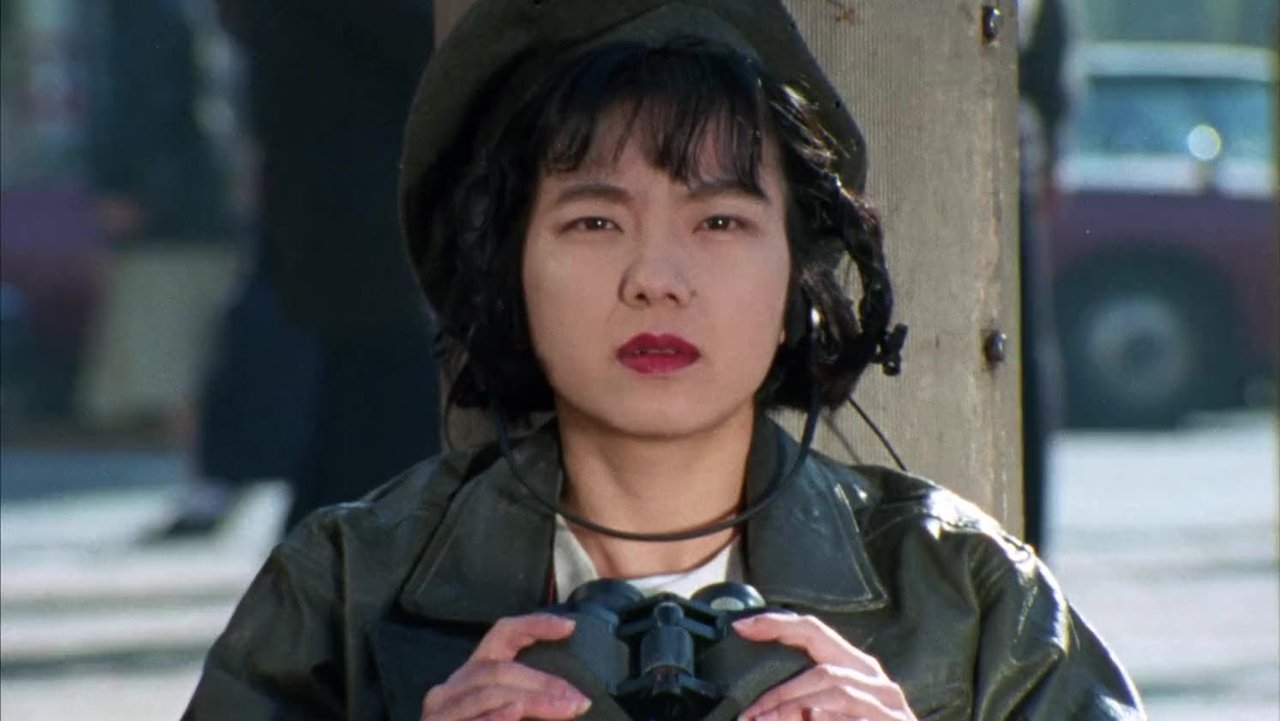
964 Pinocchio is a brutal, unforgettable artifact from the fringes of 90s cinema. Its narrative sparseness and relentless assault on the senses make it difficult to recommend universally, yet its raw power, historical significance within Japanese cyberpunk, and audacious practical effects are undeniable. It embodies the spirit of discovering something truly transgressive on VHS, a film that felt genuinely dangerous.
Rating: 7/10 – This score reflects its unique power and cult importance as an extreme cinematic experience, acknowledging its deliberate hostility towards conventional storytelling and its niche appeal. It succeeds entirely on its own abrasive terms.
For those who remember seeking out the weirdest corners of the video store, 964 Pinocchio remains a potent reminder of how visceral and confrontational cinema could be, long before the internet sanitised shock value. It’s a film that doesn't just show horror; it makes you feel it deep in your gut.