There's a particular kind of haze that hangs over certain memories of youth, especially those forged in the crucible of late-night escapes and whispered secrets under suburban streetlights. Adrian Lyne’s 1980 directorial debut, Foxes, bottles that specific, bittersweet atmosphere – the one unique to being young, restless, and navigating the treacherous landscape between girlhood and whatever comes next, all set against the sun-drenched, yet shadowed, backdrop of the San Fernando Valley at the close of the 70s. Watching it again now, on a format far removed from the worn VHS tapes it graced in rental stores, feels less like revisiting a movie and more like unearthing a time capsule, poignant and surprisingly raw.
Valley Girls with Real Problems
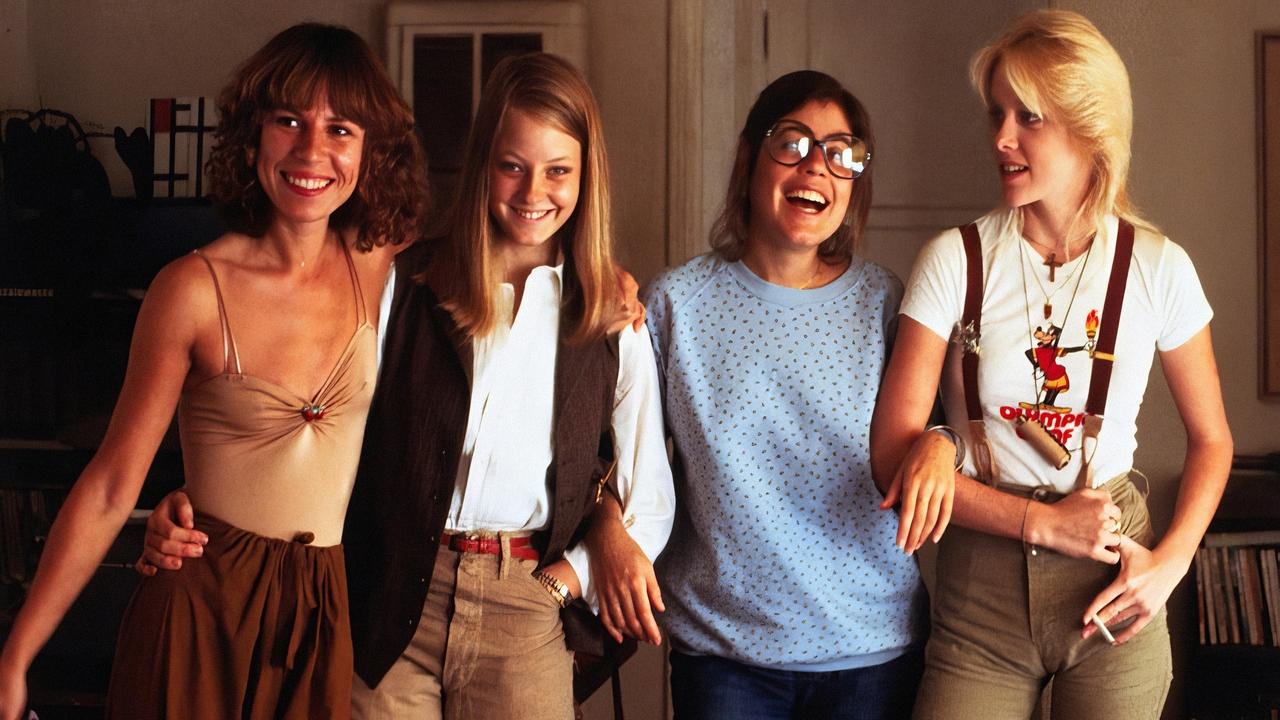
At its heart, Foxes orbits a quartet of teenage friends, each grappling with their own particular storm. There’s Madge (Marilyn Kagan), yearning for romance and stability; Deirdre (Kandice Stroh), navigating her burgeoning sexuality with a sometimes reckless confidence; Annie (Cherie Currie), the tragically hip wild child spiraling through drug abuse and desperately seeking refuge from a fractured home life; and Jeanie (Jodie Foster), the group's reluctant anchor, wise beyond her years yet still yearning for connection herself, especially with her own divorced mother (a fantastic Sally Kellerman).
What immediately sets Foxes apart from so many teen films of the era, and even now, is its commitment to observational honesty. Writer Gerald Ayres, reportedly drawing inspiration from his own daughter's experiences, avoids easy archetypes. These aren't caricatures; they feel like real, flawed individuals caught in the confusing crosscurrents of peer pressure, parental neglect, burgeoning independence, and the ever-present temptations of escape through parties, drugs, and fleeting intimacy. The film doesn't shy away from the darker consequences, presenting teenage drug use and sexuality not merely as plot devices, but as messy, often painful realities.
Foster and Currie: A Study in Contrasts
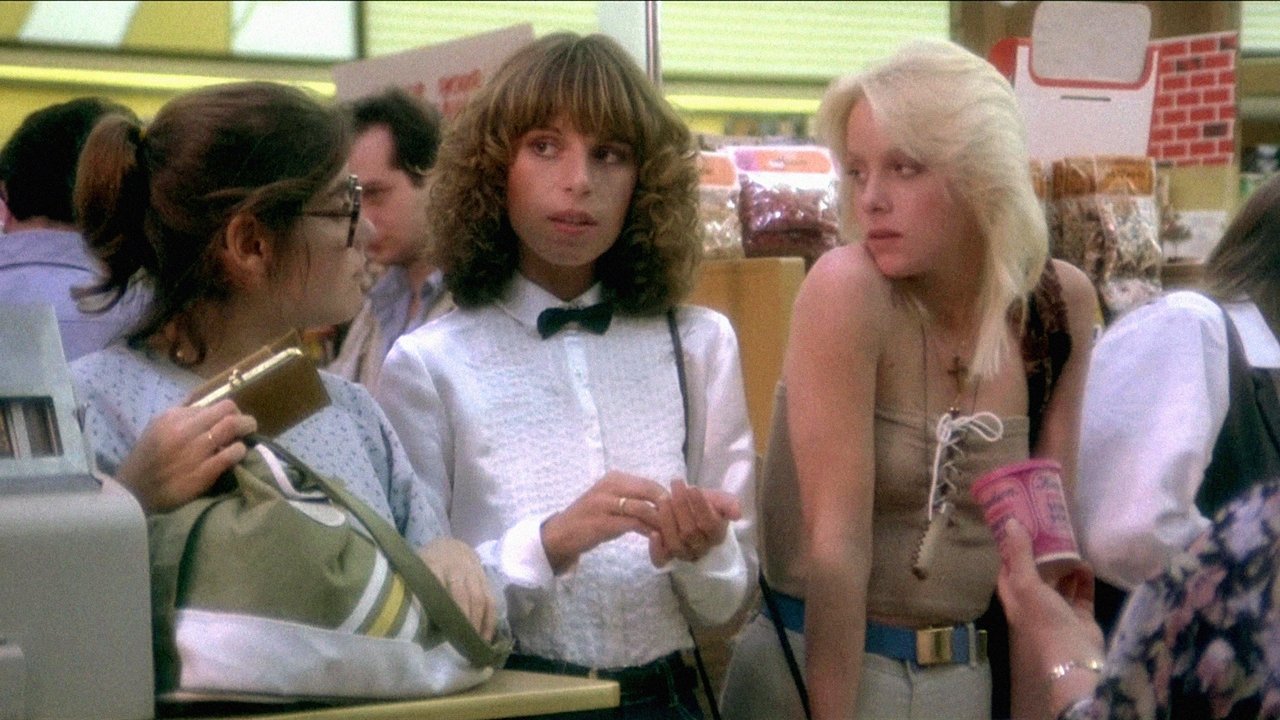
The performances are central to the film's enduring power. Jodie Foster, already a seasoned actress transitioning into more mature roles after her stunning turn in Taxi Driver (1976), brings an incredible weight and weariness to Jeanie. She’s the caretaker, the listener, the one trying to hold everything together, and Foster conveys this burden with subtle glances and a palpable sense of frustration mixed with deep affection. You feel her exhaustion, her quiet desperation. It’s a remarkably centered performance amidst the chaos.
Contrast this with Cherie Currie, in her acting debut after fronting the legendary rock band The Runaways. As Annie, she is electric, volatile, and heartbreaking. It’s a raw nerve of a performance, capturing the character’s desperate need for attention and love, even as she pushes everyone away. Knowing Currie’s own real-life struggles adds another layer of poignancy. There's a vulnerability beneath the bravado that’s deeply affecting. Even Scott Baio, then peak teen idol from Happy Days, delivers a surprisingly nuanced turn as Brad, avoiding simple 'bad boy' tropes.
Lyne's Atmospheric Lens
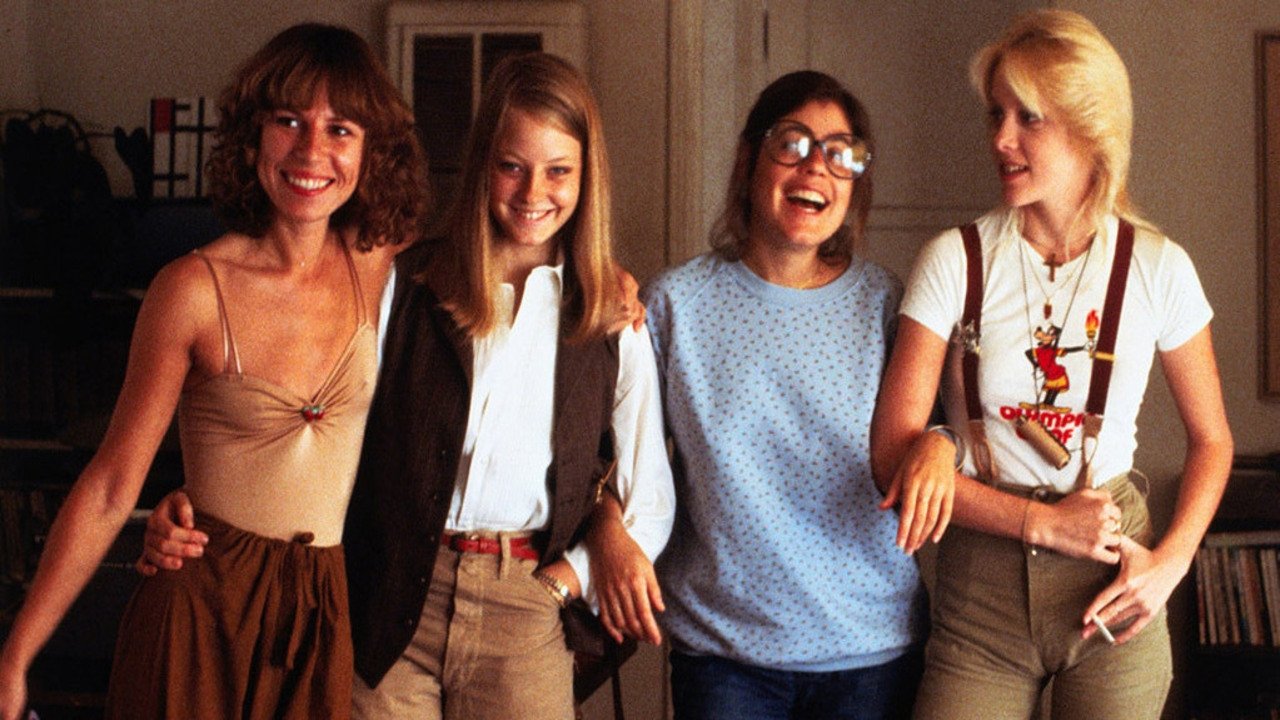
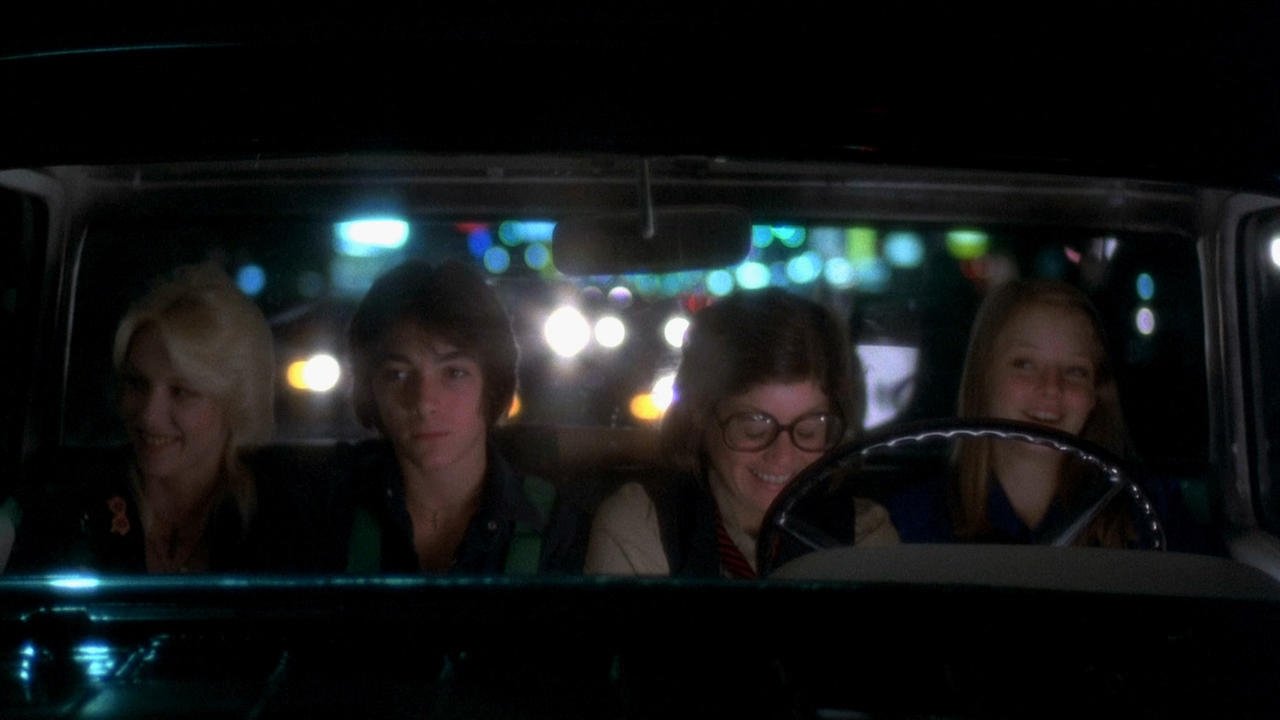
This being Adrian Lyne's first feature film, after honing his visual style in the world of commercials, you can see the seeds of the atmospheric intensity that would define his later work like Flashdance (1983) and Fatal Attraction (1987). He shoots the Valley, particularly at night, with a kind of moody beauty. The neon glow of arcades, the hazy interiors of smoky parties, the lonely stretches of suburban streets – they all contribute to a palpable sense of place and feeling. It’s less about plot mechanics and more about soaking in the environment, the listlessness, the sudden bursts of energy, the underlying melancholy. It’s patient filmmaking, allowing moments to breathe, which might feel slow to some viewers today but feels essential to its texture.
And let's not forget the soundtrack – headlined by Donna Summer's pulsing, evocative "On the Radio," produced by the maestro Giorgio Moroder. It’s not just background music; it’s part of the film's DNA, perfectly capturing that late-disco, early-80s transitional soundscape that mirrored the transitions happening in the characters' lives.
A Time Capsule's Truth
Foxes wasn't a massive hit upon release; perhaps it was too downbeat, too honest for audiences expecting either a light teen comedy or outright exploitation. Its budget was modest (reportedly around $3-4 million), and its box office was respectable but not spectacular. Yet, its legacy has quietly grown. It resonates now as a cult classic, admired for its unflinching look at female adolescence, its strong performances, and its evocative time-capsule quality. I distinctly remember renting this one, drawn perhaps by Foster's name or the intriguing cover art, and being struck even then by how different it felt from other films aimed at teenagers. It felt... heavier, more real.
Does it feel dated in some ways? Sure, the fashion, the specific slang, the very texture of 1980 are all present. But the core struggles – the intensity of teenage friendships, the difficult dance with parents, the search for identity, the navigation of risk – haven't fundamentally changed. What lingers most after the credits roll isn't just nostalgia for the era, but a genuine empathy for these young women navigating a world that offers few easy answers. It asks us to remember the fragility and fierceness of that age.
Rating: 8/10
Foxes earns this score for its exceptional lead performances, particularly from Jodie Foster and Cherie Currie, Adrian Lyne's evocative, atmospheric direction in his debut, and its refreshingly honest, non-judgmental portrayal of teenage life's complexities. It avoids easy melodrama, instead offering a poignant, observational snapshot that feels authentic to its time yet resonates with timeless truths about growing up. While its deliberate pacing might not suit all tastes, its emotional honesty and well-captured sense of time and place make it a standout piece of early 80s cinema.
It’s a film that stays with you, less for its plot points and more for the lingering feeling – like a fading photograph capturing a fleeting, intense moment of youthful vulnerability and connection.