It starts not with a bang, but with the gentle lapping of water against a dock, the easy rhythm of old friends falling back into familiar patterns. Watching Return of the Secaucus Seven today feels less like excavating a forgotten VHS relic and more like uncovering a beautifully preserved time capsule, capturing a specific, poignant moment of transition – not just for its characters, but for American independent cinema itself. There's a quiet hum beneath its surface, a sense of lives lived between the lines of youthful idealism and the encroaching realities of adulthood.
A Weekend of Reckoning
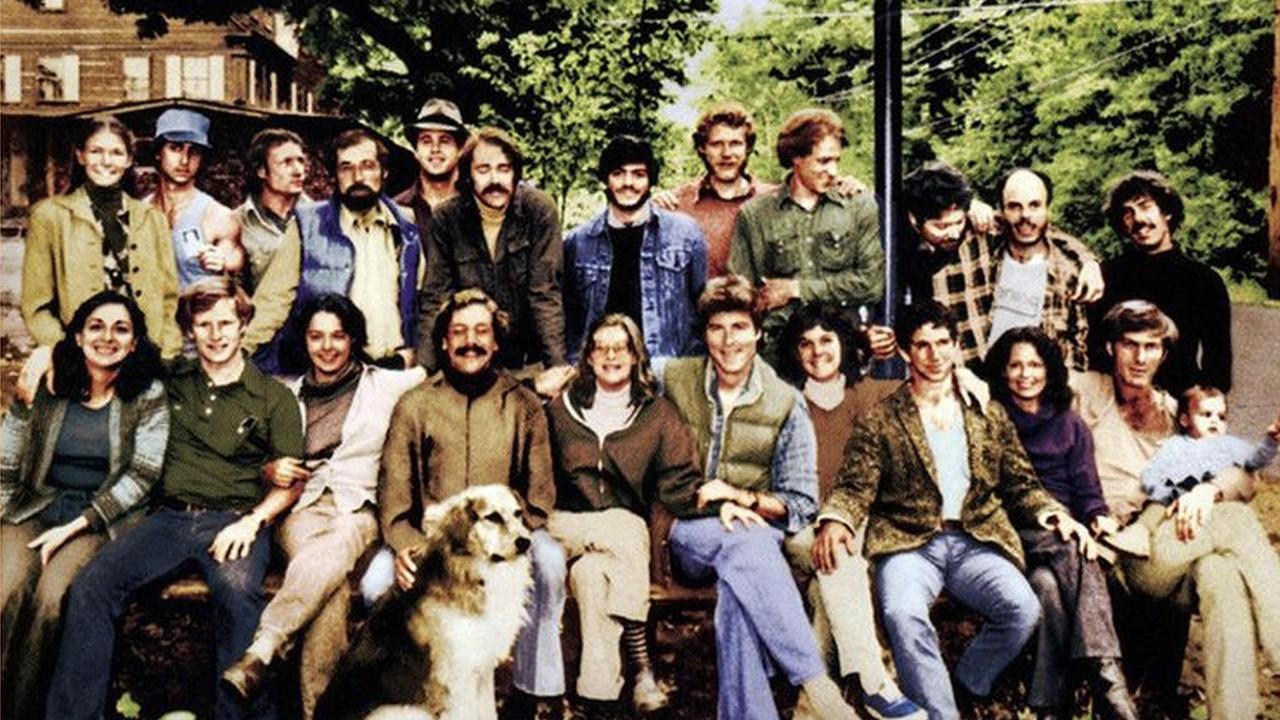
The setup is deceptively simple: a group of college friends, bound by shared memories of activism and youthful passion (including a fabled, slightly comical arrest in Secaucus, New Jersey, hence the title), reunite for a weekend in New Hampshire. They were the generation forged in the fires of the late 60s and early 70s, dreaming of changing the world. Now, as the 70s bleed into the 80s, they find themselves navigating careers (teaching, medicine, politics, aspiring country music), relationships, and the quiet compromises that time inevitably demands. Writer-director John Sayles, in his remarkable debut, isn't interested in manufactured drama or explosive confrontations. Instead, he lets the film breathe, observing the subtle shifts in dynamics, the half-spoken regrets, the enduring affection, and the gentle friction between who they were and who they’ve become.
The Power of Naturalism
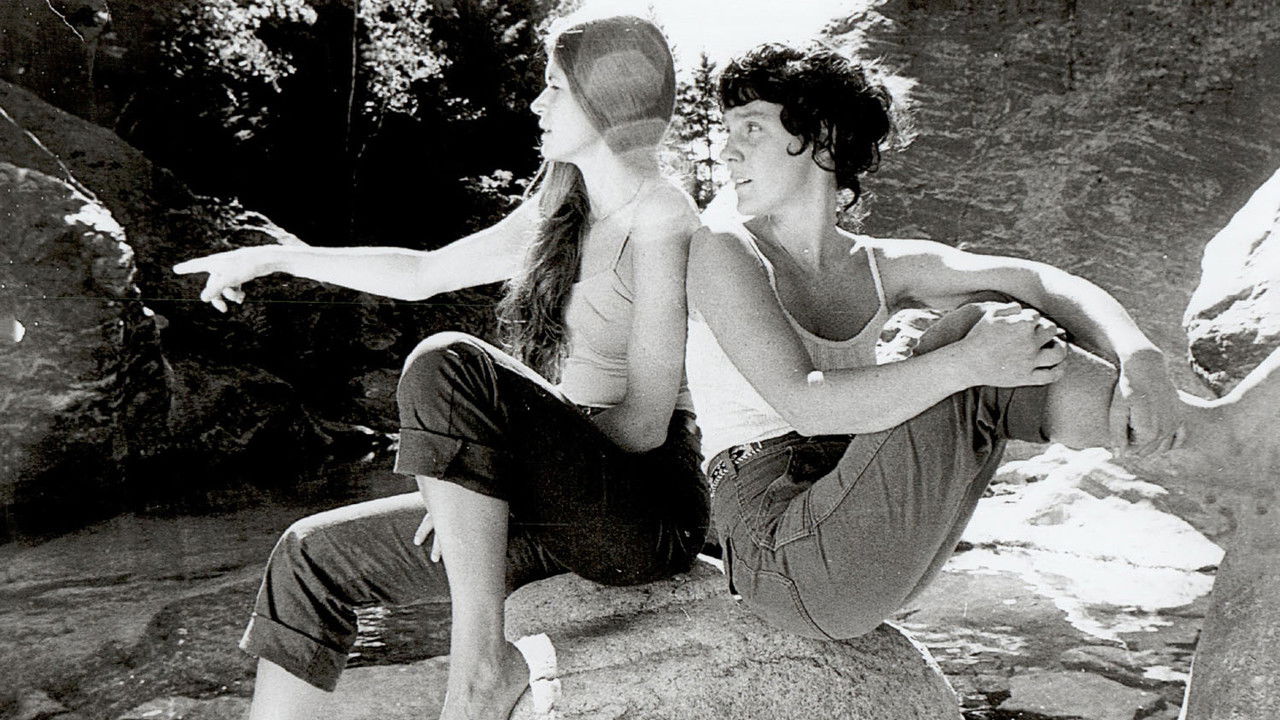
What immediately strikes you is the astonishing authenticity. The conversations feel overheard rather than scripted, meandering through anecdotes, political debates that have lost some of their fire, personal revelations, and comfortable silences. This naturalism extends to the performances. Featuring actors Sayles knew from his college and theatre days, many of whom would become regulars in his later work (Maggie Renzi, who also produced, David Strathairn in an early, memorable role), the ensemble feels utterly genuine. There are no flashy star turns here; instead, actors like Bruce MacDonald, Adam LeFevre, Gordon Clapp, Jean Passanante, and Maggie Cousineau inhabit their roles with an unforced realism. You believe these people have history, shared jokes, and unspoken tensions. Their interactions capture that specific blend of intimacy and distance that often marks long-term friendships revisited after time apart. It’s in the way they talk over each other, the shared glances, the moments of quiet understanding – that's where the film's heart beats strongest.
Crafted from Passion (and Pennies)
The story behind Return of the Secaucus Seven is almost as compelling as the film itself, and it illuminates so much of what we see on screen. This wasn't a studio picture; it was the epitome of indie grit. John Sayles financed the film largely with money he earned writing screenplays (including Roger Corman B-movies like Piranha) and from a MacArthur Genius Grant awarded for his fiction. The budget was famously minuscule – often cited around $60,000 (roughly $220,000 today), though some accounts put it even lower, near $40,000. To put that in perspective, The Big Chill, a film often compared to it, reportedly cost around $8 million just a few years later.
Sayles shot Secaucus Seven in about four weeks, using friends as actors and crew, and reportedly edited the film himself in his kitchen. The "Secaucus Seven" incident referenced in the title wasn't just a narrative hook; it was based on a real event where Sayles and several friends were wrongly arrested on their way to a protest, suspected of being radicals due to their appearance and political materials. This grounding in lived experience permeates the film. Its slightly grainy 16mm look (later blown up to 35mm for theatrical release) isn't a stylized choice; it's a result of necessity, but it perfectly complements the film's unvarnished, observational aesthetic. That sense of making something vital out of sheer willpower and shared belief radiates from the screen. It’s a powerful reminder that compelling stories don’t always need blockbuster budgets.
Faded Posters, Enduring Bonds
Beneath the pleasantries of the reunion weekend runs a current of melancholy. What happened to the revolutionary fire? Has settling down meant selling out? The film doesn’t offer easy answers. It portrays the shift not as a stark betrayal of ideals, but as a complex, often unconscious evolution. One character is now working within the political system they once railed against; another struggles with the compromises of a stable teaching job versus past ambitions. Didn't many of us face similar crossroads, where youthful certainty gave way to murkier adult choices? Return of the Secaucus Seven captures this universal experience with remarkable sensitivity and a distinct lack of judgment. It understands that holding onto friendships might be the most radical act of all as the world keeps turning.
The Sayles Blueprint
Even in this first feature, the hallmarks of John Sayles' distinctive voice are clear: his ear for authentic dialogue, his deep empathy for working people and communities, his interest in the intersection of the personal and the political, and his patient, character-driven storytelling. You can see the seeds of later triumphs like Matewan, Lone Star, and Passion Fish right here. He trusts his audience to lean in, to catch the nuances, to understand the weight of unspoken history.
An Indie Touchstone
While often overshadowed in popular memory by the glossier, star-studded The Big Chill (1983), Return of the Secaucus Seven arguably offers a more raw and resonant portrayal of its generation. Its success on the festival circuit and critical acclaim helped pave the way for the American independent film movement of the 1980s, proving that personal, low-budget films could find an audience and make a significant impact. Watching it now, especially if you first encountered it on a worn-out VHS tape rented from a local store, brings a wave of nostalgia not just for the era depicted, but for the era of its discovery – a time when finding gems like this felt like uncovering a secret.
Rating: 9/10
Return of the Secaucus Seven earns its high rating through its groundbreaking independent spirit, its deeply authentic performances, and its nuanced, enduringly relevant exploration of friendship, aging, and the shifting landscape of ideals. Its low-budget origins become a strength, forcing a focus on character and dialogue that remains remarkably fresh and insightful. It avoids melodrama, offering instead a quiet, reflective portrait that resonates long after the credits roll. What lingers is the bittersweet recognition of time's passage, and the quiet strength found in simply showing up for each other, year after year.