It’s a strange kind of ache, isn't it? The one that settles in long after the roar of the crowd fades, the one that physical therapy can’t quite reach. Watching North Dallas Forty again, decades after first sliding that well-worn cassette into the VCR, brings back a similar feeling – a deep, resonant understanding of disillusionment wrapped in the faded glory of Friday night lights… turned professional. Released just on the cusp of our beloved VHS decade in 1979, this film felt less like a celebration of sport and more like a stark, morning-after confession.

Beyond the Playbook
Forget the slow-motion heroism and triumphant scores common in the genre. North Dallas Forty throws us headfirst into the grubby, painkiller-fueled reality of professional football, seen through the weary eyes of veteran wide receiver Phil Elliott. Based on the semi-autobiographical novel by former Dallas Cowboys player Peter Gent, the film strips away the glamour to expose the raw nerves underneath: the constant physical agony, the casual cruelty of management, the gnawing fear of obsolescence, and the desperate camaraderie forged in a high-stakes meat market. This wasn't the NFL films highlight reel; this was the uncomfortable truth whispered in the locker room and drowned in late-night bars.
Nolte's Primal Scream
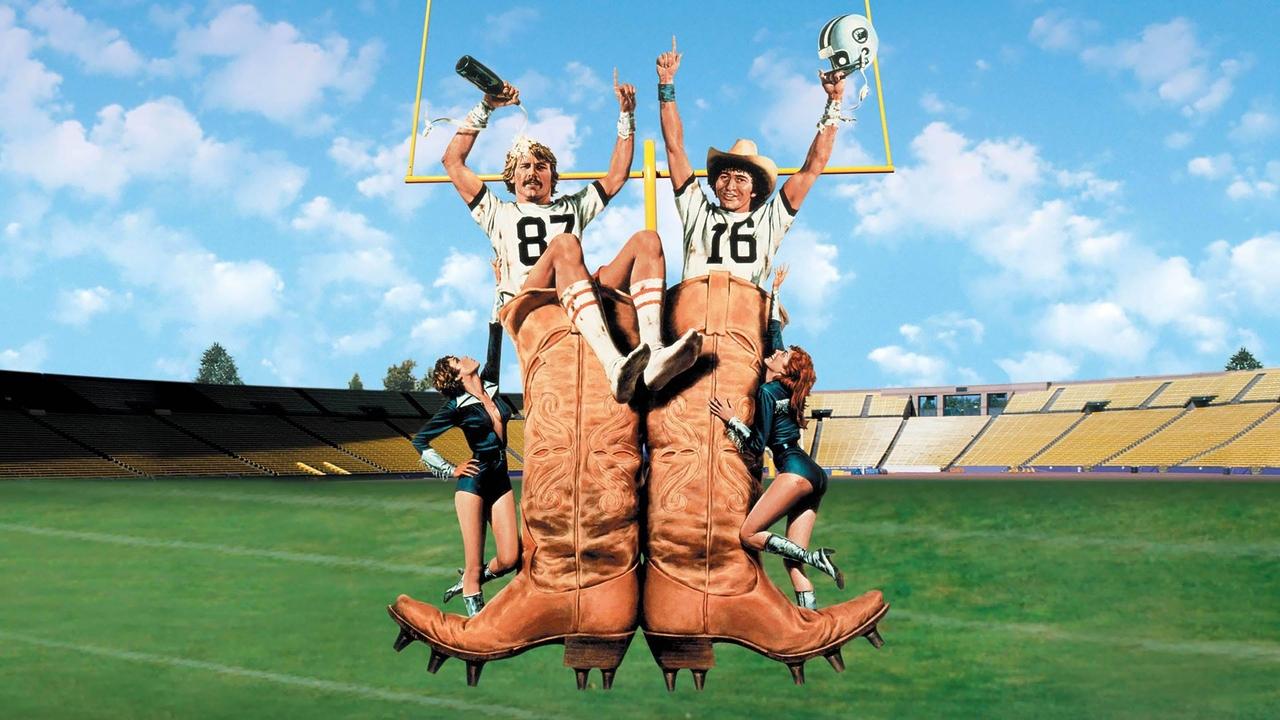
At the heart of the film's enduring power is Nick Nolte's towering performance as Phil Elliott. This isn't just acting; it's inhabiting a body pushed past its limits. Nolte conveys Elliott’s perpetual pain – physical, mental, existential – with a raw authenticity that’s almost uncomfortable to watch. You see it in the way he moves, the grimaces that flicker across his face even in moments of forced levity, the cynical intelligence warring with a flicker of hope he can't quite extinguish. He’s the aging warrior clinging to the game that’s simultaneously killing him and giving him purpose. It's a performance etched in sweat and strain, a career highlight that cemented Nolte's reputation for immersive, physical roles. Remember how raw he felt, even through the scan lines of a CRT? That intensity hasn't faded.
The Supporting Game
He's not alone in carrying the weight. Country singer Mac Davis, in a surprisingly effective turn, plays quarterback Seth Maxwell, Elliott’s charismatic best friend and foil. Maxwell represents a different kind of survival – smoother, perhaps more compromised, navigating the system with a grin that barely hides his own anxieties. Their relationship, full of banter and shared desperation, forms the film's emotional core. And then there's the coaching staff, embodied by the pragmatic, often cold, Assistant Coach Johnson (Charles Durning) and the calculating Head Coach Strother (G.D. Spradlin). They represent the business side – players are assets, pain is a manageable expense, and loyalty lasts only as long as your last good game. Their performances perfectly capture that chilling corporate indifference creeping into the sport.
The Unvarnished Lens
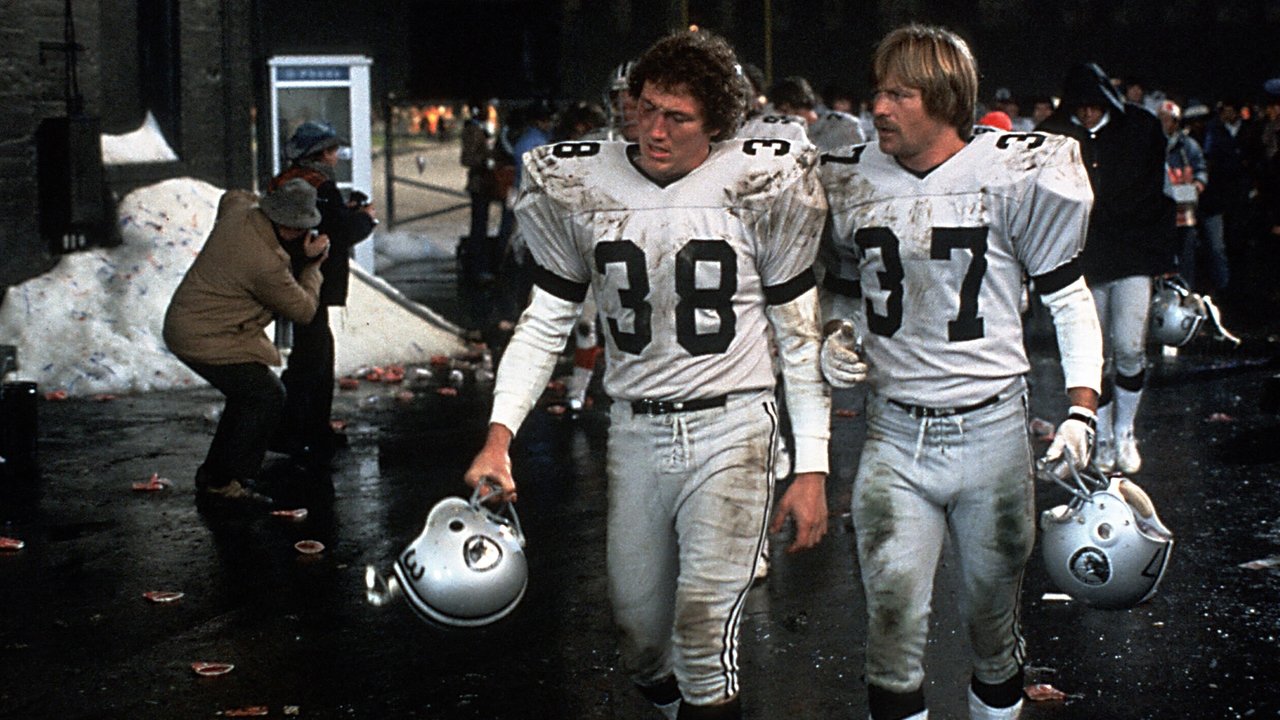
Director Ted Kotcheff, who would later bring a similar gritty intensity to First Blood, refuses to sanitize the world these men inhabit. The locker room scenes feel jarringly authentic – chaotic, profane, filled with the nervous energy of men constantly assessing their value and nursing their injuries. Kotcheff doesn't shy away from the drug use (mostly painkillers and recreational substances depicted as commonplace coping mechanisms) or the often transactional nature of relationships off the field. It's a far cry from the squeaky-clean image the league preferred.
Tales from the Sidelines
The film's authenticity stems directly from Peter Gent's source material and his own experiences. Unsurprisingly, the NFL wasn't exactly thrilled with this portrayal and reportedly offered little cooperation. Filming took place primarily in Texas, aiming for that specific regional feel. It's fascinating to think that the screenplay, adapted by Gent himself alongside Frank Yablans, Kotcheff, and Roger Spottiswoode (who would go on to direct Tomorrow Never Dies), navigated the line between exposé and drama so effectively. Made for a relatively modest $4.6 million, North Dallas Forty resonated with audiences tired of polished sports narratives, grossing a healthy $26 million – proof that sometimes, people crave the unvarnished truth, even if it hurts. Can you imagine the studio meetings trying to soften this script today?
Does It Still Tackle the Issues?
Watching North Dallas Forty now, its themes feel startlingly relevant. The questions it raises about the physical toll on athletes, the ethics of playing through injury, the tension between player welfare and franchise profit – these debates rage even louder today. The film was prescient, capturing the moment professional sports truly solidified as big business, sometimes at the expense of the individuals who play the game. Its cynical edge and refusal to offer easy answers make it more than just a "football movie"; it’s a potent character study and a sharp critique of a system.
Rating: 8.5/10
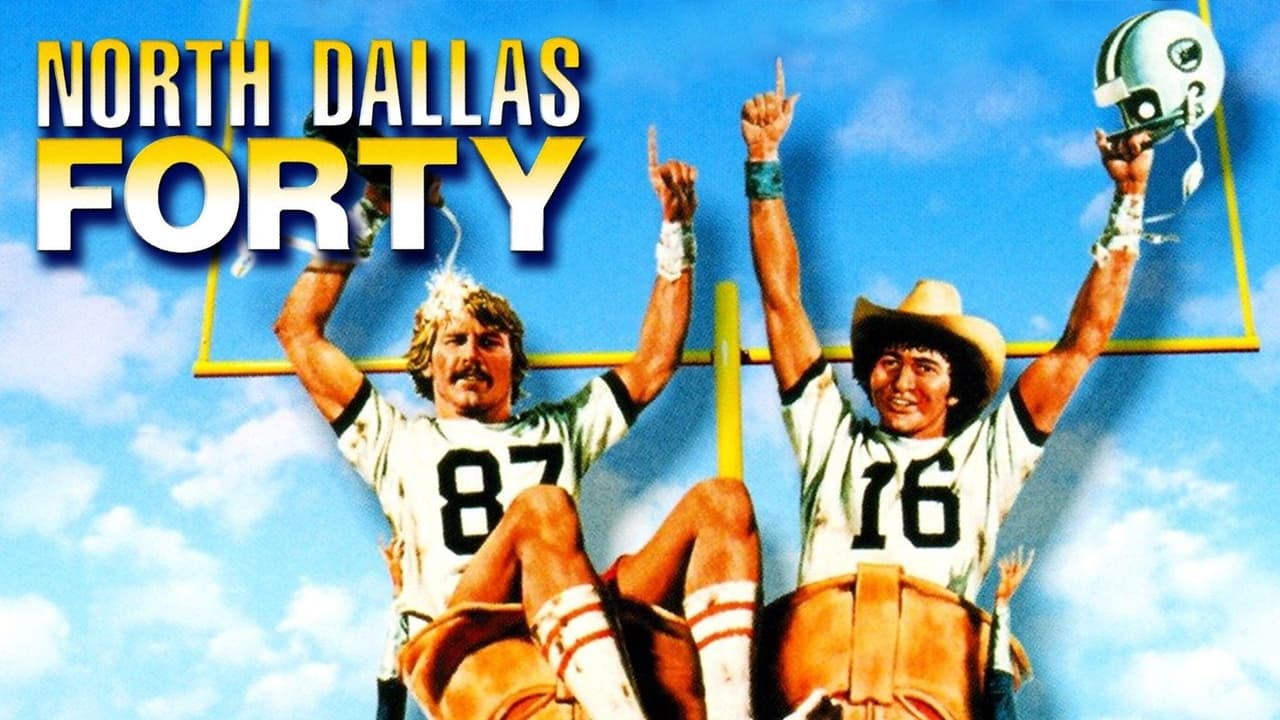
North Dallas Forty remains a powerful, unflinching piece of filmmaking. Its strength lies in its raw honesty, Nick Nolte's unforgettable lead performance, and its courage to depict the less glamorous, often brutal side of professional sports. While undeniably a product of its late-70s era in terms of style and some social dynamics, its core message about the human cost of the game feels timeless. It might lack the nostalgic warmth of some other VHS staples, but its gritty realism offers a different kind of satisfaction – the feeling of having witnessed something undeniably true.
What lingers most isn't the touchdowns, but the quiet moments of pain, the cynical jokes masking fear, and the haunting question: what happens when the game you love stops loving you back?