Okay, let's settle in. Sometimes, flicking through the mental catalogue of VHS tapes rented or owned, a different kind of memory surfaces. Not the explosion-filled blockbuster or the laugh-a-minute comedy, but something quieter, more introspective. It's the feeling evoked by encountering a film like Chantal Akerman's The Meetings of Anna (1978), a title that might have sat patiently on the 'World Cinema' shelf of a well-stocked video store, offering a profound contrast to its louder neighbours. This isn't a film that shouts; it observes, creating a space that feels both intimate and unsettlingly vast.
### A Journey Through Transit Zones
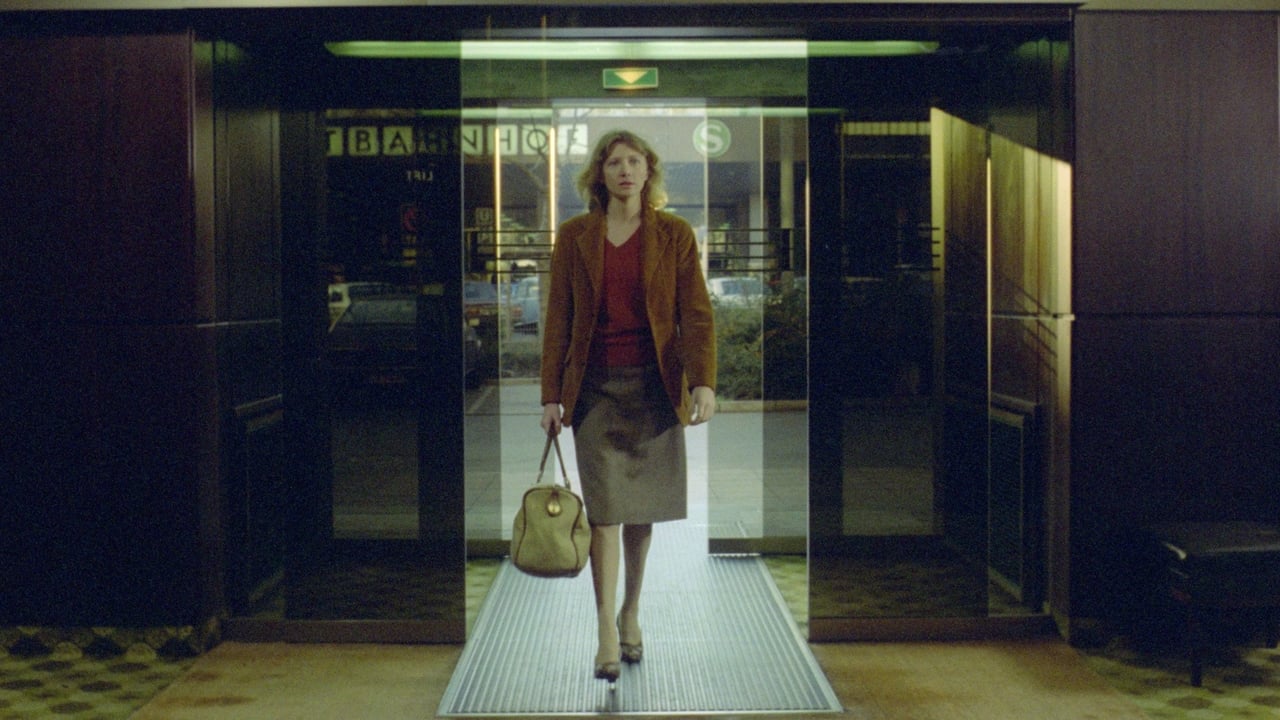
The premise is deceptively simple: Anna (Aurore Clément), a Belgian filmmaker, travels through Germany, Brussels, and Paris to promote her latest work. Her journey unfolds as a series of encounters – brief meetings with family, former lovers, strangers, and colleagues in sterile hotel rooms, train compartments, and station platforms. These aren't dramatic confrontations or passionate reunions in the conventional sense. Instead, they are fragments of connection, often marked by monologue more than dialogue, revealing glimpses into Anna's detached inner world and the lives intersecting briefly with hers.
Akerman, who tragically left us far too soon but gave cinema masterpieces like Jeanne Dielman, 23 quai du Commerce, 1080 Bruxelles (1975), directs with a signature formalism. The camera is often static, holding long takes that force us to inhabit the space with Anna, to feel the weight of the silence and the transient nature of her surroundings. There's a deliberate geometry to the compositions – the corridors, the train windows, the rigid lines of modernist architecture – that seems to mirror Anna's own emotional containment. This isn't lazy filmmaking; it's a conscious choice to emphasize the liminal spaces Anna occupies, both physically and emotionally. She is perpetually between places, between relationships, seemingly unable or unwilling to fully land.
### The Eloquence of Stillness
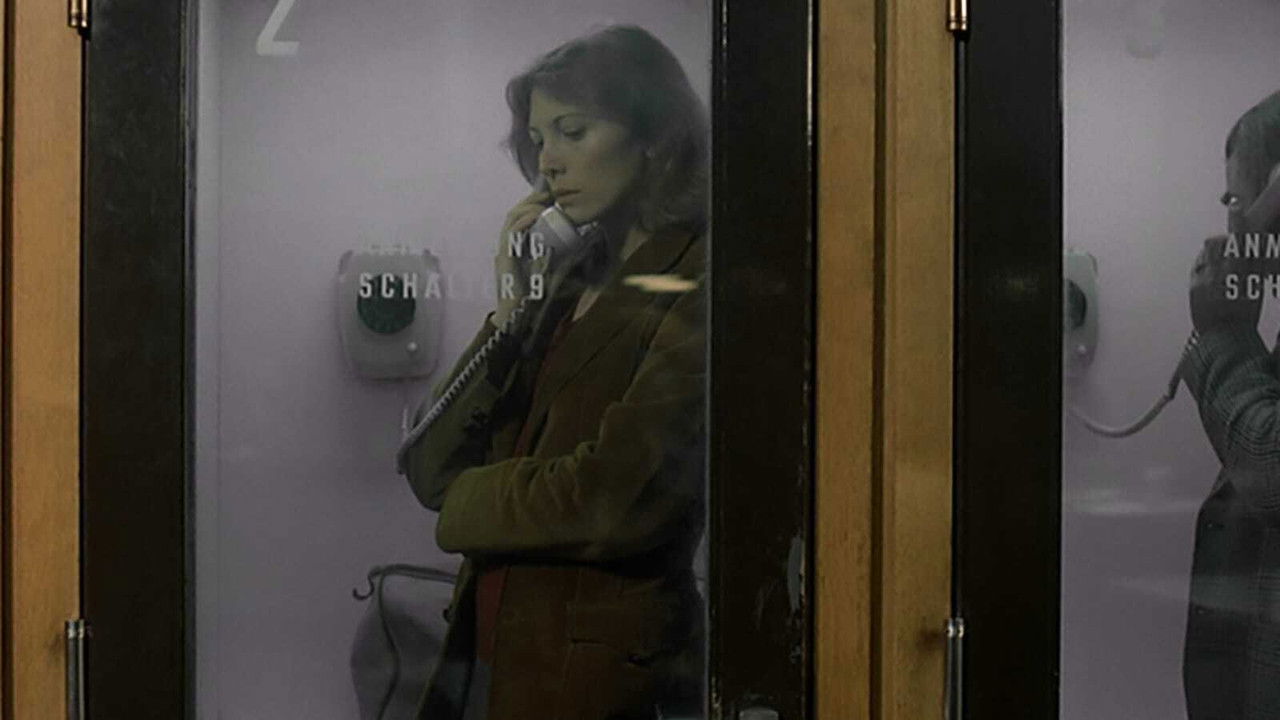
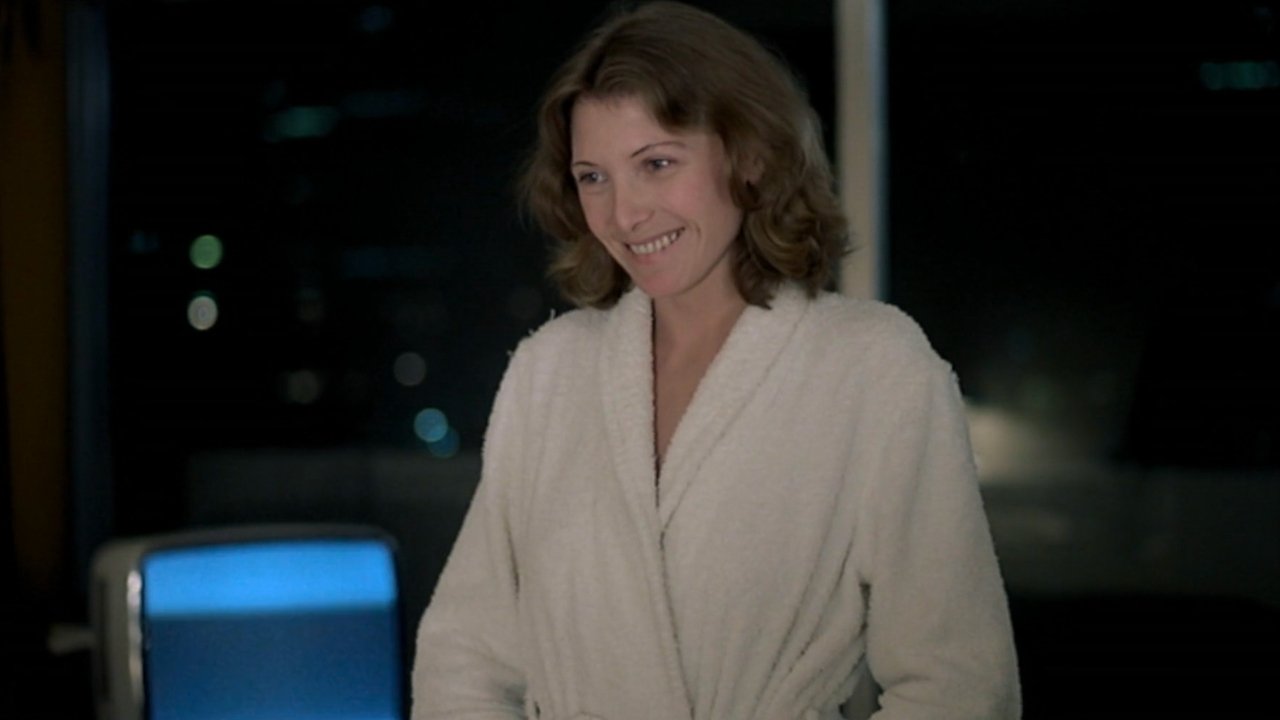
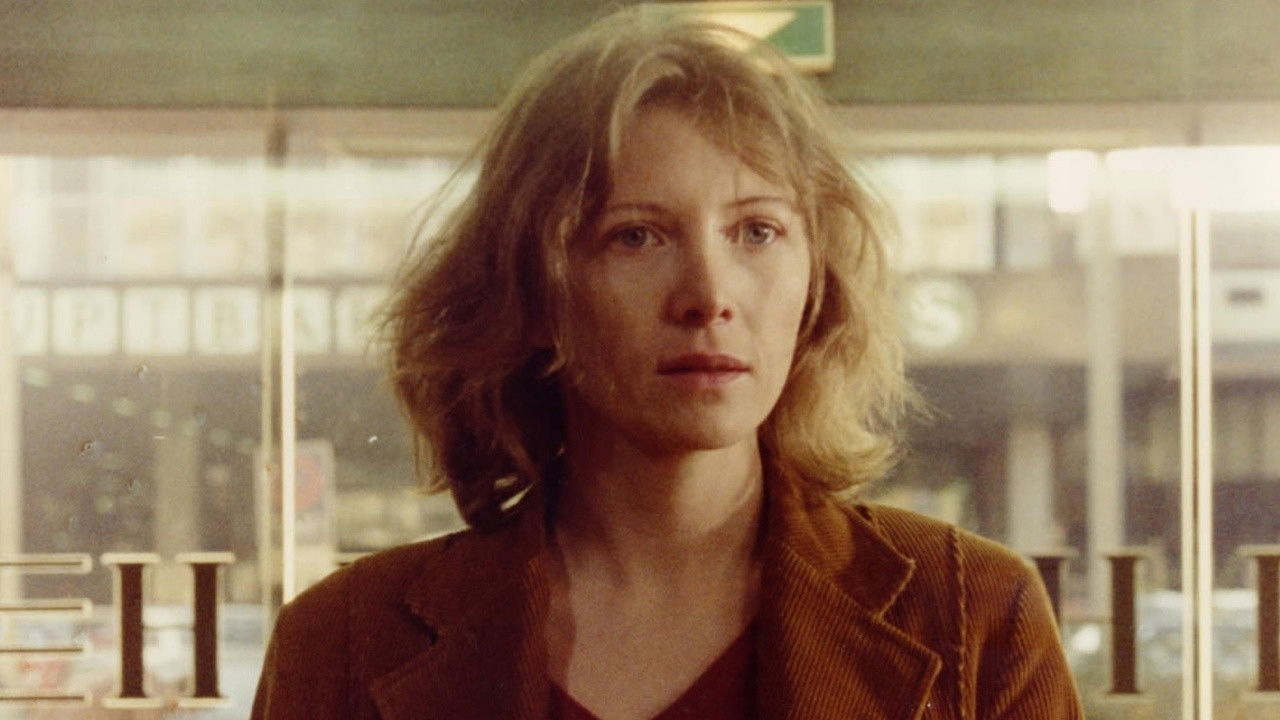
What makes The Meetings of Anna so compelling, decades later, is the performance at its core. Aurore Clément is simply mesmerizing. Her Anna is not passive, exactly, but profoundly reserved. She listens intently, her face a canvas of subtle shifts, yet she rarely offers easy emotional access. It's a performance built on stillness and observation, conveying a sense of deep-seated melancholy and perhaps a quiet resistance to definition. We learn about her life through the stories others tell at her – her mother (Magali Noël) recounting wartime memories, a former lover (Helmut Griem) detailing his own complicated family life, a German historian (remarkable monologue delivered by Jean-Pierre Cassel's character, Daniel) sharing a painful personal history. Anna absorbs it all, a repository of others' narratives, while her own remains elusive.
It's often noted how autobiographical this film feels, reflecting Akerman's own experiences as a filmmaker navigating the European circuit, grappling with her identity, relationships, and Jewish heritage in post-war Europe. One particularly powerful scene involves Anna recounting a brief, anonymous sexual encounter with a woman, delivered with the same measured tone she uses for everything else. It’s presented without sensationalism, just another facet of her detached exploration of connection. This frankness, especially regarding female desire and alienation, was quite groundbreaking for its time and remains potent.
### Echoes in the Empty Spaces
Watching this now, perhaps on a format far removed from the bulky VHS tapes we once cherished, the film's themes feel remarkably contemporary. Doesn't Anna's disconnectedness resonate with our own digitally mediated lives? That sense of floating through spaces, encountering people fleetingly, struggling for genuine intimacy amidst constant movement? Akerman wasn't just depicting a specific character's journey; she tapped into a universal undercurrent of modern rootlessness and the difficulty of truly communicating, even when people are ostensibly talking to each other.
There's little in the way of conventional 'plot' progression. The film's power lies in its accumulation of moments, its sustained mood of quiet introspection. The long takes, the ambient sounds of train stations and traffic – they aren't padding; they are the substance of Anna's experience, the texture of her solitude. It demands patience, yes. This isn't a film to have on in the background. I remember finding a copy at a specialist video library back in the day, sandwiched between Fassbinder and Truffaut – a stark, minimalist cover promising something different. It delivered exactly that, an experience that lingered long after the tape clicked off. It wasn't 'entertaining' in the usual sense, but it was profoundly cinematic.
### Final Thoughts
The Meetings of Anna is a challenging, rewarding piece of filmmaking. It’s a testament to Chantal Akerman's unique vision and Aurore Clément's subtle power as an actress. It explores alienation, memory, and the spaces between connection with a quiet intensity that burrows under your skin. It might not have been the tape you reached for every Friday night, but discovering it felt like uncovering a secret language of cinema.
Rating: 8.5/10
Justification: While its deliberate pace and emotional reserve might not appeal to all viewers, The Meetings of Anna is a masterclass in minimalist filmmaking, atmospheric depth, and thematic resonance. Clément's performance is superb, and Akerman's direction is precise and deeply affecting. It's a significant work of late 70s European cinema that feels surprisingly relevant today.
Final Comment: The film leaves you not with answers, but with resonant questions about the nature of belonging and the echoes we leave in the transient spaces of each other's lives. A quiet hum that stays with you.