The Adventures of Sherlock Holmes and Dr. Watson: Mortal Fight
Okay, settle in and adjust the tracking on this one. Sometimes, nestled amongst the familiar blockbuster boxes at the rental store, you'd find something... unexpected. A tape that didn't quite fit the usual Hollywood mold, maybe with slightly different artwork, hinting at a story told from a different perspective. For many of us, discovering the Soviet television film series The Adventures of Sherlock Holmes and Dr. Watson felt like uncovering a secret treasure, and the 1980 installment, Mortal Fight (Приключения Шерлока Холмса и доктора Ватсона: Смертельная схватка), remains a potent example of its unique brilliance. Forget preconceived notions about Cold War-era productions; this is a Sherlock Holmes born of deep respect for Conan Doyle, realized with surprising artistry.
Beyond Baker Street: A Different London
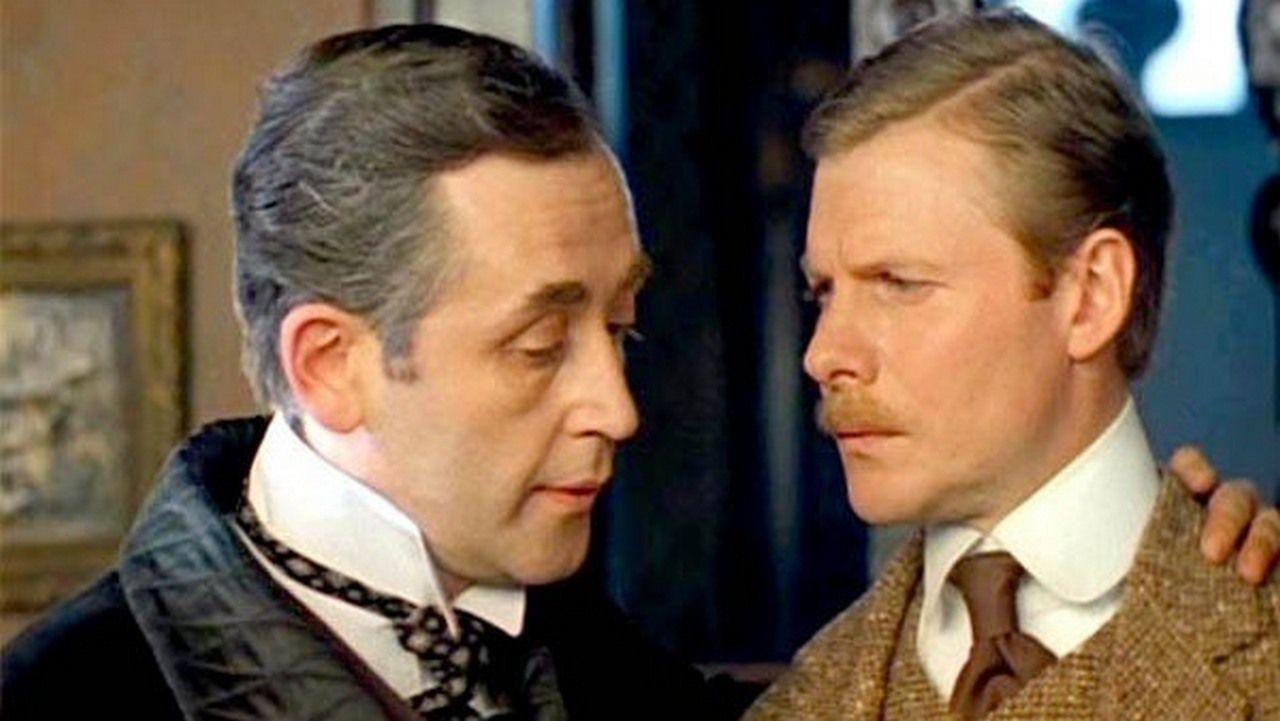
Directed by Igor Maslennikov, who helmed the entire beloved series, Mortal Fight adapts two crucial tales: "The Final Problem" and "The Empty House." What immediately strikes you, even now, is the atmosphere. Maslennikov didn't have London's actual streets readily available, yet through clever use of locations in Riga, Leningrad (now St. Petersburg), and the surrounding Baltic areas, he conjures a Victorian England that feels remarkably authentic. It’s a slightly moodier, perhaps more melancholic London than some Western interpretations, draped in fog and shadow, perfectly suiting the gravity of Holmes's confrontation with Professor Moriarty. The production design and cinematography work in concert to create a believable world, proving that creative vision can overcome logistical hurdles. You feel the damp chill, the gaslight glow, the weight of history – a testament to the team's resourcefulness.
The Definitive Pair?
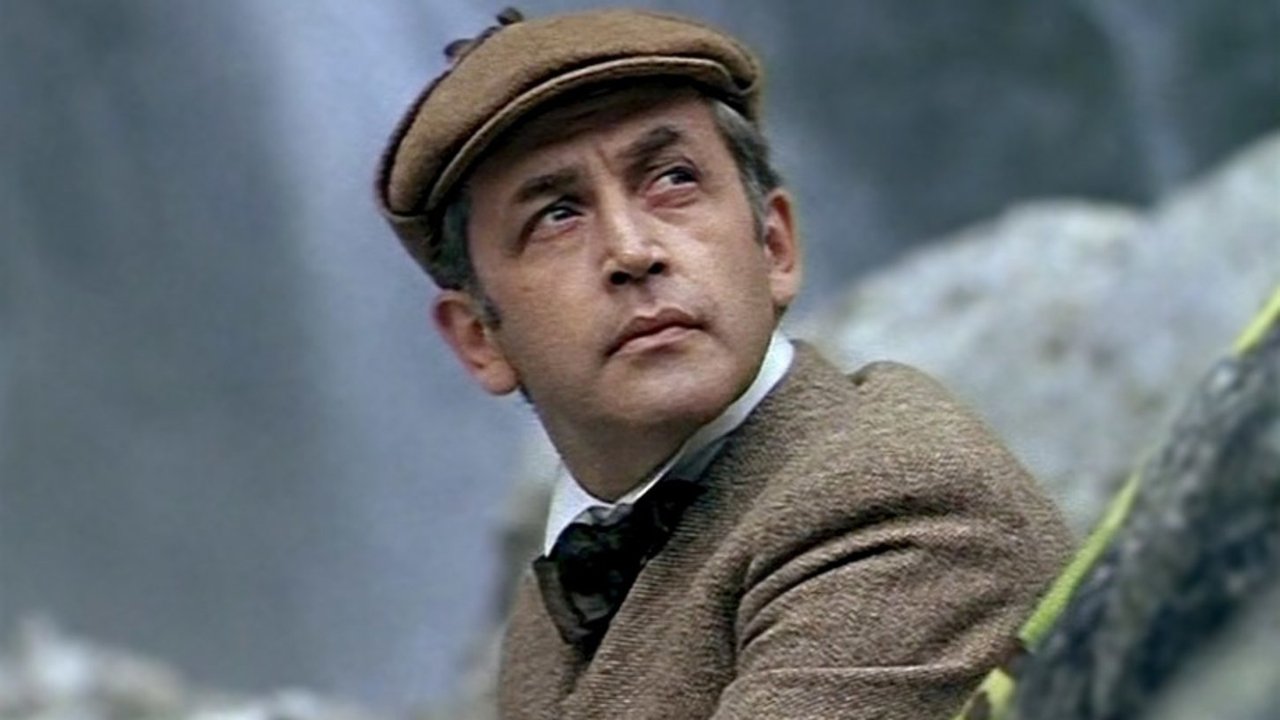
Central to the enduring appeal of this series, and Mortal Fight specifically, are the performances of Vasily Livanov as Holmes and Vitaly Solomin as Watson. Livanov embodies Holmes not just as a reasoning machine, but as a complex, often eccentric, deeply human character. There's a sharpness in his eyes, a familiar weariness beneath the keen intellect. His distinctive, slightly raspy voice – reportedly the result of a damaged vocal cord – adds an unforgettable quality, reminiscent perhaps of Basil Rathbone's iconic portrayal. It’s a performance so resonant that Vasily Livanov was appointed an Honorary Member of the Order of the British Empire (MBE) in 2006 for what many, including Conan Doyle's daughter, considered one of the best screen portrayals of Holmes ever. Think about that – a Soviet actor honored by the Queen for playing Britain's quintessential detective!
Equally brilliant is Vitaly Solomin's Watson. Far from the bumbling sidekick of some adaptations, Solomin presents Watson as intelligent, loyal, brave, and possessed of a genuine warmth that grounds Holmes's intensity. Their chemistry is palpable; you believe in their friendship, their shared dangers, and their mutual respect. This isn't just hero and assistant; it's a partnership, arguably one of the most convincing depictions of the Holmes-Watson dynamic ever filmed. Rina Zelyonaya also deserves mention for her perfectly charming and unflappable Mrs. Hudson.
Faithfulness and Fury
One of the hallmarks of Maslennikov's series is its remarkable fidelity to Arthur Conan Doyle's original stories. Mortal Fight meticulously recreates the tension leading up to the Reichenbach Falls confrontation and the poignant aftermath (Spoiler Alert for those unfamiliar with the source material, though the title gives a strong hint!). The duel of wits between Holmes and Moriarty (played with chilling composure by Viktor Yevgrafov, though his voice was dubbed) feels genuinely dangerous. The iconic struggle at the falls, while perhaps lacking the budget for massive spectacle, is staged effectively, emphasizing the personal, desperate nature of their final clash. The subsequent adaptation of "The Empty House," dealing with Holmes's return, captures the surprise, the relief, and the lingering threat with equal care. Watching it, you get the sense that the creators weren't just adapting a story; they were paying homage to literature they deeply admired.
Retro Reflections: A Soviet Gem
It's fascinating to consider this film emerging from the Soviet Union in 1980. It achieved immense popularity there, becoming a cultural touchstone. Viewed today, it stands apart from the typical 80s fare we might recall from Western VHS tapes. There's a classicism, a dedication to character and atmosphere over flashy effects (though the practical elements are well-executed for their time and budget). It reminds us that great storytelling transcends borders and political systems. This wasn't an attempt to mimic Hollywood; it was its own confident, lovingly crafted interpretation. Does it feel "of its time"? Certainly, in its pacing and visual language, but the quality of the writing, acting, and direction gives it a timeless appeal that many contemporary blockbusters lack. What lingers most isn't just the plot, but the feeling – the melancholic beauty, the strength of the central friendship, the quiet intensity.
Rating: 9/10
This score reflects the exceptional quality of the lead performances, the palpable chemistry between Livanov and Solomin, the impressive atmospheric direction, and the profound faithfulness to Conan Doyle's work, especially considering its production context. While perhaps lacking the slickness of bigger budget productions, its artistry and heart shine through, making it a near-perfect adaptation within its means. Minor limitations in depicting grand scale are vastly outweighed by its strengths in character and mood.
For any fan of Sherlock Holmes, or indeed, anyone curious about exceptional filmmaking from an unexpected source during the VHS era, The Adventures of Sherlock Holmes and Dr. Watson: Mortal Fight is essential viewing. It’s a powerful reminder that sometimes, the most authentic treasures are found slightly off the beaten path. This tape wasn't just rented; it was revered.